
Pests
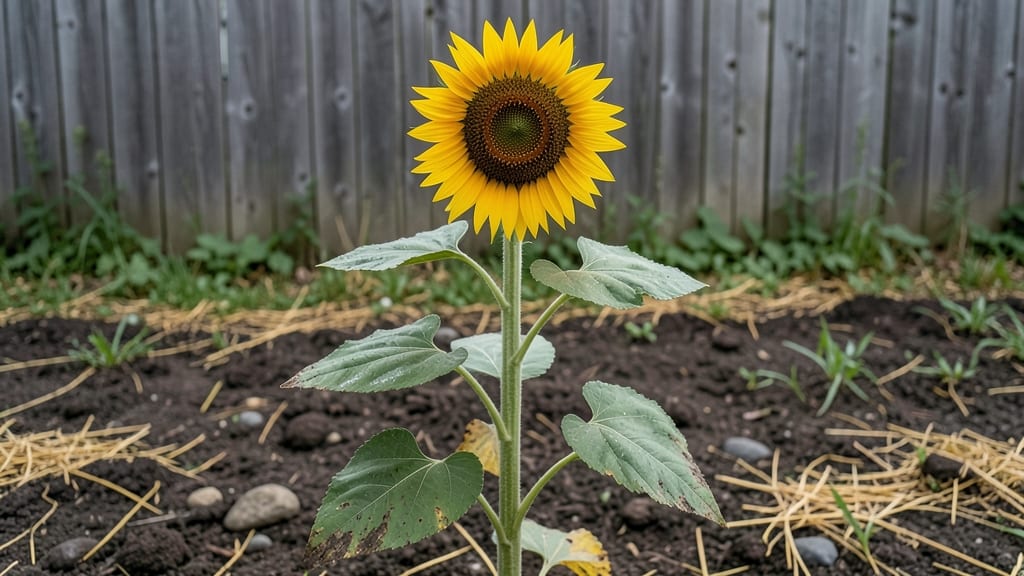
Growing the Ms. Mars sunflower in the Pacific Northwest means you get bold, 8-inch blooms that thrive when others wilt. I planted mine last spring after years of struggling with heat-sensitive varieties, and the difference was immediate—these sunflowers stood tall even during our driest weeks.
Their deep red petals and heat-resistant nature make them a standout in any garden, especially when other flowers struggle.
The secret to their success starts with well-draining soil—sandy loam works best—and full sun, which they’ll happily soak up for 6-8 hours a day. Unlike many sunflowers, Ms. Mars doesn’t need rich soil to perform, making it perfect for gardeners with average or even slightly poor conditions.
Just avoid waterlogged spots, and you’ll see sturdy stems that support those massive blooms without flopping.
By midsummer, you’ll be harvesting cut flowers that last 10+ days in a vase, and the birds will love the seeds too.
The plants also resist common pests like aphids and powdery mildew better than other varieties, so you’ll spend less time spraying and more time admiring their dramatic presence. Even in cooler PNW summers, they’ll keep blooming longer than expected.
Whether you’re growing them for cut flowers, birdseed, or just sheer garden drama, Ms. Mars delivers. They’re foolproof for beginners but still impressive enough to wow experienced gardeners. Let’s get yours planted—your garden’s about to get a whole lot bolder.
📚 In This Guide
- What you need
- Instructions
- Tips and common mistakes
- Wrapping up and next steps
What you need
- ● Seeds: Ms Mars Sunflower seeds (10–20 seeds, depending on desired spacing). Look for heirloom or organic varieties for resilience.
- ● Soil: Well-draining, loamy soil (mix in compost or aged manure for fertility). Avoid heavy clay—amend with perlite or sand if needed.
- ○ Fertilizer: Balanced organic fertilizer (10-10-10 or compost tea) to kickstart growth. Optional: Slow-release granules for extended feeding.
- ● Watering tools: Drip irrigation or soaker hose (to prevent fungal issues from overhead watering) + watering can for seedlings.
- ● Stakes or cages: 3–4 ft tall bamboo stakes or tomato cages (1 per plant) to support tall stems in windy PNW conditions.
- ● Garden bed or containers: 6-inch deep (for direct planting) or 5-gallon pots (if container-growing). Ensure bottom drainage holes!
- ● Trowel or transplanting tool for digging.
- ● Mulch: Straw or wood chips (2–3 inches) to retain moisture and suppress weeds.
- ○ Pest deterrents (optional but helpful): Neem oil spray (for aphids or beetles).
- ● Row covers (lightweight fabric to protect seedlings from slugs/snails).
- ● Sunlight access: Full sun (6+ hours/day). PNW’s shorter days? Extend with grow lights if starting indoors.
How to grow Ms Mars sunflowers in the Pacific Northwest
This hardy variety thrives in our rainy climate—here's how to coax those bold blooms from seed to glory.
Choose the Right Location and Prepare Soil
Ms Mars sunflowers need full sun (6+ hours daily), but they'll tolerate partial shade if you prioritize taller plants over maximum bloom size. In the Pacific Northwest, that means south-facing spots with no afternoon shade. Test your site by observing how quickly dew evaporates—if it lingers past mid-morning, you need a sunnier location.
Amend your soil with 2-3 inches of compost worked into the top 6 inches of soil. These sunflowers appreciate well-draining conditions, so if your soil stays soggy after rain, raise beds or plant on a gentle slope. A soil test for pH will confirm your garden's baseline—Ms Mars prefers neutral soil (pH 6.5-7.0), but they're forgiving if you're within one point of that range.
Direct Sow Seeds at the Right Time
Wait until after your last frost date (typically mid-May in most of the PNW) and when soil temperatures reach 55°F at 2 inches deep. You'll know it's time when the ground feels warm to the touch in early morning. Plant seeds 1 inch deep and 6 inches apart—they won't tolerate transplanting well, so sow directly where they'll stay.
Thin seedlings to 12-18 inches apart once they reach 3-4 inches tall. I use scissors to snip unwanted plants at soil level rather than pulling, which disturbs roots of remaining seedlings. The strongest stems will have deep green leaves with no yellowing, and you'll see new leaves emerging every 2-3 weeks as they grow.
☀️ Step 3: Provide Consistent Water and Support
Water deeply once weekly during dry spells, aiming for 1-1.5 inches of water per week. The Pacific Northwest's humidity means you won't need daily watering, but you'll see wilting leaves if drought stress sets in. Water at the base rather than overhead to prevent fungal diseases that thrive in our damp climate.
Stake tall varieties (Ms Mars can reach 7-8 feet) with 6-foot stakes inserted 4 inches deep when plants are 12 inches tall. Tie stems loosely with soft garden twine every 2 feet as they grow. The goal is to support without restricting—you'll know it's working when stems stand upright without leaning.
✂️ Step 4: Maintain and Harvest for Maximum Impact
Remove spent blooms by cutting stems 1 inch below the flower head to encourage more blooms. This practice extends the flowering season by 3-4 weeks in our climate. You'll notice new buds forming at the base of the plant within 10-14 days of deadheading.
Leave some seed heads for birds if you're not harvesting seeds. The remaining heads will dry naturally and provide winter food. For seed collection, wait until back of the flower turns brown and papery, then cut entire heads and hang upside down in a dry, well-ventilated space. Seeds will be ready to harvest when they rattle inside the dried head.
⏰ Step 5: Plan for Winter and Next Season
After the first frost blackens the foliage, cut stems down to 6 inches above ground level. Leave the stubble—it provides overwintering habitat for beneficial insects. In early spring, add 2 inches of compost around the base before new growth appears. You'll see fresh shoots emerging within 2-3 weeks of warming soil.
Ms Mars sunflowers are biennial, meaning they'll often reseed themselves. If you want to control where they grow, collect seeds before they disperse. The Pacific Northwest's mild winters mean you can plant new seeds as early as February in containers for a jump-start on the season.
Tips & tricks for perfect Ms Mars Sunflower growth in the Pacific Northwest
A few strategic approaches will help you maximize those bold Ms Mars blooms in our challenging climate.
Soil Preparation Insight: The 2-3 inches of compost in Step 1 is non-negotiable—it's what gives Ms Mars the nutrient boost they need to thrive in our acidic soils. I've found that mixing in a handful of wood ash (from untreated wood) when amending can help neutralize acidity if your soil test shows pH below 6.0. This creates the ideal neutral range (6.5-7.0) without overworking the soil chemistry. The key is working that compost into the top 6 inches thoroughly—don't just scatter it on top.
Timing Secret for Seedlings: In Step 2, the 2-3 week leaf emergence pattern is your best growth indicator rather than relying solely on time. I've learned to watch for the third set of true leaves (not the initial seed leaves) before thinning—this ensures plants have established strong root systems. For our rainy climate, consider using biodegradable seedling pots if you're starting indoors to prevent transplant shock when moving to the garden.
Watering Wisdom for Our Climate: The once-weekly watering in Step 3 works beautifully when combined with a 2-inch deep watering—this encourages deep root growth that our Pacific Northwest's heavy rains can't disrupt. I've found that watering in the early morning gives the foliage time to dry before evening humidity sets in, dramatically reducing powdery mildew risk. For container growing, use pots with drainage holes and water when the top inch of soil feels dry.
Support System Strategy: When staking in Step 3, I recommend using three stakes per plant in a triangular formation rather than one central stake. This provides better support against our frequent wind storms, especially as plants reach their 7-8 foot potential. The 4-inch deep insertion creates stability, and tying every 2 feet prevents stem damage from high winds that can snap single-staked plants.
Pro Tips for Ms Mars Sunflower
- A few strategic approaches will help you maximize those bold Ms Mars blooms in our challenging climate.
- Soil Preparation Insight: The 2-3 inches of compost in Step 1 is non-negotiable—it's what gives Ms Mars the nutrient boost they need to thrive in our acidic soils.
- Timing Secret for Seedlings: In Step 2, the 2-3 week leaf emergence pattern is your best growth indicator rather than relying solely on time.
Frequently asked questions
Got questions about growing Ms Mars Sunflower in the Pacific Northwest? You’re not alone! Here are some of the most common queries—plus quick, practical answers to keep your sunflowers thriving.
How do I protect my Ms Mars sunflowers from pests like aphids or beetles?
These sunflowers are tough, but pests can still take a toll. Spray with a soapy water solution (1 tsp mild soap per quart of water) to deter aphids. For beetles, handpick them early in the morning or introduce beneficial insects like ladybugs. If infestations persist, try neem oil—it’s organic and effective!
When is the best time to plant Ms Mars sunflowers in the PNW?
For the Pacific Northwest’s cool, wet climate, plant seeds after the last frost date (typically late April to early May). If you’re in a shorter-season zone, opt for early-maturing varieties or start indoors 2–3 weeks before transplanting. Sunflowers love warmth—soil temps above 50°F (10°C) are ideal!
Can I grow Ms Mars sunflowers in containers? What size pot do I need?
These sunflowers adapt well to containers if given enough space. Use a 5-gallon pot or larger (at least 12–18 inches deep) with drainage holes. Place them in full sun and fertilize lightly every 3–4 weeks. Just be ready to stake taller varieties if winds are strong!
Why aren’t my Ms Mars sunflowers blooming? Troubleshooting tips?
No blooms? Check these common culprits:
- Not enough sunlight: These sunflowers need 6+ hours of direct sun daily.
- Overcrowding: Space plants 12–18 inches apart for airflow.
- Nutrient deficiency: Add a balanced fertilizer (like 10-10-10) when seedlings emerge.
- Pests/disease: Inspect leaves for damage and treat early.
Are Ms Mars sunflowers drought-tolerant? How often should I water them?
Once established, Ms Mars sunflowers are moderately drought-tolerant, but consistent moisture is key during seedling stages and blooming. Water deeply 1–2 times per week (or more in extreme heat). Avoid wetting the leaves to prevent fungal issues—water at the base instead!
Wrapping up and next steps
The Ms Mars Sunflower isn’t just a resilient beauty—it’s a powerhouse for Pacific Northwest gardens, thriving where others wilt. 🌱 From its pest-resistant charm to its bold, cheerful blooms, this sunflower proves that tough conditions can’t dim its spirit.
Whether you’re a seasoned gardener or a beginner, its ease of care makes it the perfect addition to your outdoor space.
Ready to plant your own? Grab your seeds, a sunny spot, and a little patience—then watch your garden transform! 🌻 Start your journey here with everything you need to grow this standout star.