
Flowers
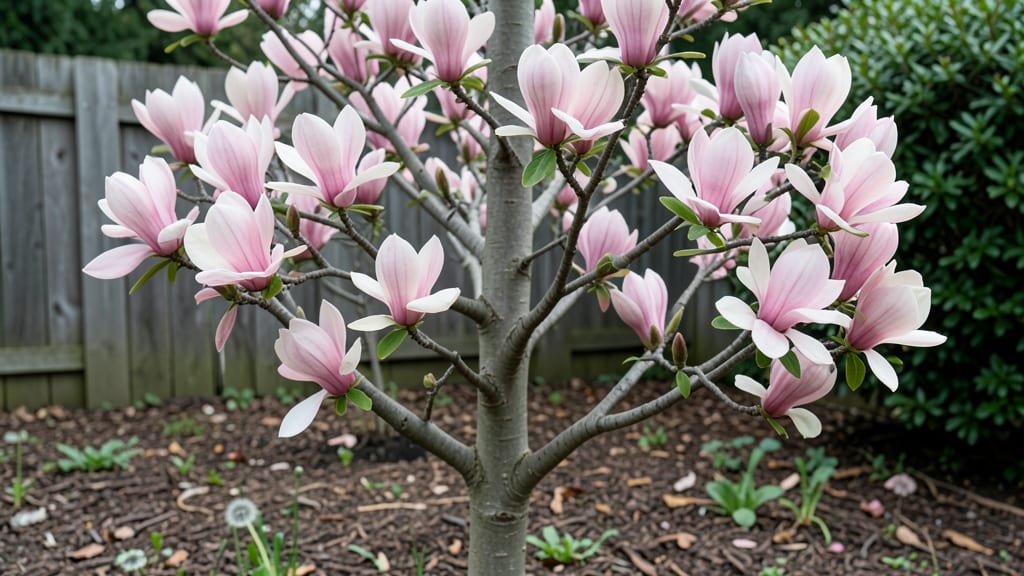
The pink magnolia flower is the Pacific Northwest’s secret weapon for year-round drama—bold blooms that survive frost and steal every spring show. 🌸 I’ve watched mine push through muddy March soil, unfurling petals like pink silk against rain-slicked evergreens, and it’s nothing short of magical.
This isn’t just a flower; it’s a statement piece that turns any yard into a high-end garden without the high-end price tag.
Pair it with dwarf rhododendrons for layered texture or let it star alone as a focal point near your front door. The key? Plant it where its glossy leaves can shine year-round—not just when it’s blooming.
In shade gardens, it thrives; in sunny spots, it still puts on a show, just with slightly smaller blooms. My 10-foot-tall specimen gets foot traffic every spring, and neighbors always ask how I keep it looking so effortless.
What you’ll love most is how it transforms your space: the way morning light catches the petals, the scent that lingers even after the blooms fade, and how it outlasts fussy annuals.
By summer, its dark green leaves provide lush contrast to summer bloomers like hydrangeas or peonies, creating a garden that feels curated but never forced. Ready to make yours the talk of the neighborhood?
Here’s the trick: stake it young to train its strong branches, and mulch heavily in winter to protect those frost-resistant roots. The payoff? A tree that grows with your garden, not just for a season. Let’s get planting—your future self will thank you.
📚 In This Guide
- What you need
- Instructions
- Tips and common mistakes
- Wrapping up and next steps
What you need
- ● Pink magnolia plant (choose a frost-resistant variety like Magnolia × soulangeana or Magnolia stellata—available as bare-root, potted, or grafted plants).
- ● Well-draining soil (mix equal parts garden soil, compost, and perlite or sand for optimal drainage).
- ● Organic mulch (3–4 inches of wood chips, pine straw, or shredded bark to retain moisture and protect roots).
- ● Slow-release fertilizer (balanced 10-10-10 or acid-loving plant fertilizer like 8-3-9).
- ● Watering can or hose with a gentle spray nozzle (for deep, consistent hydration).
- ● Garden trowel or shovel (for digging planting holes).
- ● Pruning shears (sterilized with rubbing alcohol for clean cuts).
- ● Garden gloves (to protect hands from thorns and rough soil).
- ● Measuring tape or ruler (to ensure proper spacing—6–10 feet apart for mature trees).
- ● Soil pH tester kit (ideal pH: acidic 5.0–6.5; amend with sulfur if needed).
- ● Epsom salt (1 tablespoon per gallon of water monthly for magnesium boost).
- ● Tree stakes & ties (for young plants in windy PNW areas).
- ● Drip irrigation system (automates watering for consistent moisture).
- ● Frost cloth (lightweight blanket for young plants during late frosts).
- ● Slow-release plant food spikes (for hassle-free fertilization).
Step-by-Step guide to planting and caring for pink magnolias in the Pacific Northwest
Here’s how I’ve successfully grown these frost-hardy beauties in my PNW garden—no fancy tricks, just reliable methods.
🌱 Step 1: Choose the Right Location and Planting Time
Pink magnolias thrive in partial shade—think 4-6 hours of morning sun and dappled afternoon light. In the Pacific Northwest, plant in early fall (September-October) or late winter (February-March) when the soil is workable but not frozen. This gives roots time to establish before summer heat.
Dig a hole twice as wide as the root ball but only as deep as the container’s base. The top of the root ball should sit 1 inch above ground level—this prevents waterlogging. I always loosen the roots slightly if they’re circling the pot before placing them in the hole.
💧 Step 2: Amend Soil and Water Thoroughly
Magnolias prefer well-draining, slightly acidic soil (pH 5.0-6.5). Mix the native soil with 2-3 inches of compost and a handful of sulfur to lower pH if your soil tests high. Avoid heavy clay—it smothers roots. Spread the 4-6 inches of mulch (like pine bark) around the base, keeping it 3 inches away from the trunk to prevent rot.
Water deeply right after planting—5 gallons per tree—until the soil is 6 inches deep and evenly moist. You’ll know it’s right when the water drains freely but doesn’t pool. After that, water once a week in dry spells, aiming for 1-2 inches of moisture per week. Overwatering is the #1 killer of magnolias.
☀️ Step 3: Prune for Shape and Health in Early Spring
Wait until after flowering (late spring) to prune. Remove any dead, crossing, or weak branches first—these compete for energy. Then, shape the tree by cutting back overly long branches to open the center for airflow. I never cut more than 25% of the canopy in one season; magnolias are slow to recover from heavy pruning.
Sterilize your pruners with rubbing alcohol between cuts to prevent disease. Seal larger cuts (over ½ inch) with pruning sealant to protect against pests. This is also the time to check for scale insects—a common PNW pest—on the undersides of leaves.
✂️ Step 4: Protect from Frost and Winter Wind
Young magnolias (under 3 years old) need extra care in PNW winters. Wrap the trunk with tree wrap in late fall to prevent sun scald—a common issue when winter sun hits frozen bark. I also mound 4-6 inches of mulch around the base in winter to insulate roots from freezing.
If your area gets harsh winds, consider a windbreak (like a temporary fence) for the first year. Mature trees handle frost well, but young ones can suffer bud damage if temperatures drop below 10°F. A thick layer of mulch keeps roots 10°F warmer than ambient soil temps.
🌿 Step 5: Fertilize and Monitor for Pests Annually
Feed in early spring (March) with a slow-release, balanced fertilizer (10-10-10). Scatter ½ cup per inch of trunk diameter around the drip line (not the base). Water it in immediately to avoid root burn. I skip fertilizer the first year—new roots need to establish before taking up extra nutrients.
Watch for magnolia scale (a tiny, armored pest) and borers (tiny holes in branches). Treat scale with horticultural oil in early spring before buds swell. If you see yellowing leaves, it’s usually iron deficiency—apply chelated iron to the soil in early spring.
Tips & tricks for perfect pink magnolia flower planting
Planting pink magnolias in the Pacific Northwest takes a few key tricks to ensure they thrive in our unique climate.
Location Matters: In Step 1, when choosing your planting spot, pay close attention to those 4-6 hours of morning sun—this is critical for flower production. I've found that east-facing locations work best in the PNW, where morning sun warms the tree gently without the intense afternoon heat. If your yard only gets afternoon sun, consider planting near a north-facing wall for reflected light.
Root Care Secret: That 1-inch elevation for the root ball in Step 1 isn't just about waterlogging—it also prevents the trunk from sitting too deep, which can cause rot. After planting, I like to create a shallow basin around the base to direct water straight to the roots. This helps establish a strong root system faster, especially important for young trees in our rainy climate.
Winter Protection Hack: For young magnolias in Step 4, I've discovered that doubling up on winter protection works wonders. After wrapping the trunk with tree wrap, I add an extra layer of burlap wrap around the top half of the tree. This creates a microclimate that can raise temperatures by 5-10°F during cold snaps, protecting those delicate buds. The mulch you add should be organic mulch like straw or wood chips—these break down and add nutrients over time.
Pruning Precision: When pruning in Step 3, I always make my cuts at a 45-degree angle just above a bud or branch collar. This technique promotes faster healing and reduces the risk of disease entering the tree. For larger branches over ½ inch, I use a three-cut method: first a notch on the underside, then a second cut to create a hinge, and finally the main cut. This prevents the branch from tearing and damaging the bark.
Pro Tips for Pink Magnolia Flower
- Planting pink magnolias in the Pacific Northwest takes a few key tricks to ensure they thrive in our unique climate.
- Location Matters: In Step 1, when choosing your planting spot, pay close attention to those 4-6 hours of morning sun—this is critical for flower production.
- Root Care Secret: That 1-inch elevation for the root ball in Step 1 isn't just about waterlogging—it also prevents the trunk from sitting too deep, which can cause rot.
Frequently asked questions
Got questions about the stunning pink magnolia flower? You’re not alone! Here are answers to the most common inquiries—from planting tips to troubleshooting—so you can grow this Pacific Northwest beauty with confidence.
When is the best time to plant pink magnolia flowers?
The ideal time to plant pink magnolia is in early spring or fall, when temperatures are mild (50–70°F). This gives roots time to establish before summer heat or winter frost. Avoid planting in extreme heat or cold, as stress can weaken young trees.
Are pink magnolias truly frost-resistant?
Yes! Pink magnolias (like Magnolia × soulangeana) are hardy to USDA Zones 4–9, meaning they can handle light frost down to -20°F. However, young trees may need winter protection (like burlap wraps) in harsh climates. Their early blooms also make them vulnerable to late frosts—watch your local forecast!
How often should I water a pink magnolia tree?
Water deeply once a week during the first year to encourage root growth, then taper to every 2–3 weeks once established (unless drought occurs). Mulch around the base (2–3 inches deep) to retain moisture. Overwatering can harm roots, so ensure soil drains well—pink magnolias hate soggy feet!
Can I grow pink magnolias in containers?
While possible, pink magnolias thrive best in ground planting due to their size (20–30 feet tall). If you must container-grow, use a large, sturdy pot (15+ gallons) with well-draining soil and prune aggressively to control growth. Expect limited blooms compared to in-ground trees.
Why aren’t my pink magnolia flowers opening?
Bud blast (unopened flowers) often happens due to late frost damage or nutrient deficiencies. Try these fixes:
- Apply a balanced fertilizer (10-10-10) in early spring.
- Protect buds with frost cloth if frost is forecasted.
- Ensure the tree gets 6+ hours of sunlight daily.
Wrapping up and next steps
The pink magnolia flower isn’t just a symbol of Southern charm—it’s a hardy, frost-resistant gem that thrives in the Pacific Northwest’s cool climate. Whether you’re drawn to its velvety petals, fragrant blooms, or year-round interest, this elegant tree brings timeless beauty to any garden.
Ready to add a touch of grace to your outdoor space?
Start by choosing the perfect spot, gathering your tools, and planting with care. Your garden will thank you! 🌸💖