Flowers
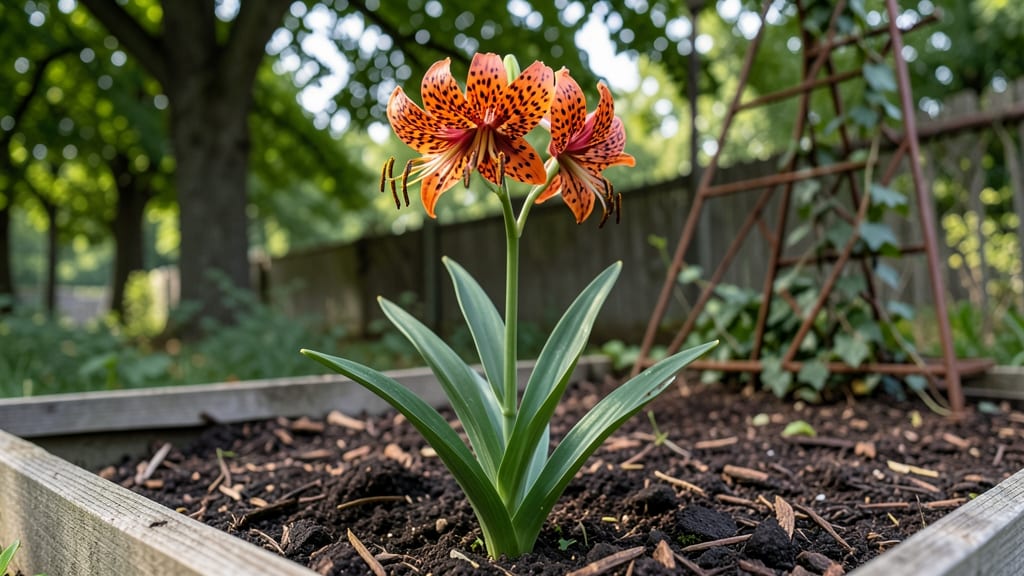
When tiger lilies flower in your Pacific Northwest garden, they bring bold orange spots and unshakable hardiness that outlasts most spring blooms. 🌸 I’ve watched these tough perennials push through frost, then explode with vertical stems that reach for the sky—something my delicate annuals never could.
Their secret? A mix of deep roots and a stubborn refusal to wilt when others do.
The key to getting them to perform starts with the right spot: partial shade to full sun, well-draining soil, and 3-4 feet of space between clumps. My first batch struggled in heavy clay until I amended it with compost—now they multiply yearly with almost no effort.
Water them deeply once a week in summer, and fertilize lightly in spring to avoid floppy stems.
By late summer, you’ll be rewarded with 6-foot spikes of trumpet-shaped blooms that hummingbirds adore. The flowers themselves last just a few days, but the foliage stays lush until frost, making them a low-maintenance statement plant. Deadhead spent blooms to encourage more flowers, and watch them naturalize over time.
They’re especially forgiving in rainy climates like ours—they resist rot better than daylilies and handle deer better than peonies. For maximum impact, pair them with ferns or hostas, or let them stand alone as a dramatic focal point. Once established, they’ll outlast your annuals every season.
📚 In This Guide
- What you need
- Instructions
- Tips and common mistakes
- Wrapping up and next steps
What you need
- ● Tiger lily bulbs (Lilium lancifolium) – 10–25 bulbs (depending on desired coverage; spacing ~8–12 inches apart). Choose hardy, disease-resistant varieties like ‘Tiger’ or ‘Leopard’.
- ● Well-draining soil – Amend heavy clay soil with compost or sand (PNW gardens often need this!). Aim for a pH of 6.0–7.0.
- ● Organic mulch – 3–4 inches of straw, wood chips, or pine needles to protect roots from frost and retain moisture.
- ○ Fertilizer – Balanced 10-10-10 or bulb-specific fertilizer (apply at planting and again in spring). Optional: Add bone meal for phosphorus boost.
- ● Garden fork or trowel – For digging planting holes 6–8 inches deep.
- ● Gloves – Garden or heavy-duty (tiger lilies have mild toxins; handle with care!).
- ● Watering can or hose with nozzle – Deep-watering capability (1–2 inches per week).
- ○ Stakes or cages (optional) – If your lilies grow tall (3–6 feet), use bamboo stakes or tomato cages for support.
- ○ Frost cloth (optional) – For early spring or late fall protection in colder PNW zones (e.g., Western WA, Oregon coast).
- ● Sunlight check – Full sun (6+ hours/day) is ideal, but partial shade (4–6 hours) works in hotter microclimates.
Step-by-step guide to planting and cultivating tiger lilies in the Pacific Northwest
These bold, frost-tolerant beauties thrive with the right timing and care—here's how to get them established for years of dramatic blooms.
🌱 Step 1: Choose the Right Location and Prepare the Soil
Tiger lilies (Lilium lancifolium) crave full sun to partial shade—at least 6 hours of direct light daily—but will tolerate morning shade in hotter inland PNW areas. I always test the spot first by observing how long sunlight lingers; these plants reward patience with 3-4 foot tall stems and vibrant orange blooms that hummingbirds adore.
Amend the soil with 3-4 inches of compost mixed into the top 12 inches of native soil. Tiger lilies prefer well-draining, slightly acidic to neutral soil (pH 6.0-7.0). If your garden has heavy clay, incorporate 1 part perlite to 3 parts soil to prevent root rot—a common issue in wet PNW winters. I like to work in a handful of bone meal at planting time to encourage strong root development.
🪴 Step 2: Plant Bulbs at the Correct Depth and Spacing
Timing is everything: plant tiger lily bulbs in early fall (September-October) so they establish roots before winter. Each bulb should go 6 inches deep and 12 inches apart—deeper planting prevents frost heave, while proper spacing allows airflow to reduce fungal diseases like botrytis, which thrives in damp PNW conditions.
Place bulbs pointy end up (the roots will naturally orient downward). If planting in containers, use at least 1-gallon pots per bulb with drainage holes. I always add a 2-inch layer of gravel at the bottom to ensure excess water drains away—critical for winter survival in rainy climates. Water thoroughly after planting to settle the soil around the bulb.
☀️ Step 3: Provide Seasonal Care for Strong Growth
After emergence in late spring (May-June), fertilize with a balanced 10-10-10 fertilizer when the first true leaves appear—about 2-3 inches tall. I use ½ teaspoon per plant worked into the soil. Avoid high-nitrogen fertilizers; they produce lush foliage at the expense of blooms. Instead, focus on potassium-rich amendments like wood ash (sparingly) to support flower development.
Water deeply once a week during dry spells, aiming for 1 inch of moisture per week. You'll know you're on target when the soil feels moist 2 inches below the surface—stick your finger in to check. Mulch with 3 inches of shredded bark in early spring to retain moisture and 2 inches of straw in fall to insulate bulbs through winter. Tiger lilies are famously cold-hardy (USDA zones 3-9), but extra protection pays off in bigger blooms.
✂️ Step 4: Deadhead and Prepare for Winter
Remove spent blooms by cutting stems 6 inches above the ground after flowering to redirect energy to bulb storage. I always leave the foliage until it yellows and dies back naturally—this ensures the bulb stores enough nutrients for next year's blooms. In late fall (November), apply a 2-inch layer of compost around the base and top with 4-6 inches of straw mulch to protect through freezing temperatures.
Here's the thing—tiger lilies multiply aggressively. If your patch gets crowded (after 3-4 years), dig up and divide the clumps in early spring before new growth emerges. Replant the largest, healthiest bulbs immediately, reserving smaller ones for next year. This keeps blooms vibrant and prevents disease spread from overcrowding.
Tips & tricks for perfect tiger lily cultivation in the Pacific Northwest
Real talk: These dramatic blooms reward precision more than they tolerate guesswork. Here's what nobody tells you about making tiger lilies thrive in our famously challenging climate.
Sunlight Secret: That 6 hours of daily sun is non-negotiable, but here's the thing—morning sun with afternoon shade works best in hot inland areas. I've seen these plants scorch when planted in full western exposure, even with our mild PNW summers. Test your spot by observing sunlight patterns for a full week before planting.
Soil Science: The 3-4 inches of compost mixed into the top 12 inches isn't just about nutrients—it's about creating that perfect well-draining environment. For heavy clay soils, I recommend testing your pH first (aim for 6.0-7.0). If it's too acidic, work in crushed limestone gradually over 2-3 years. The bone meal isn't optional either—it's what gives those first-year plants the phosphorus boost they need to establish strong root systems.
Planting Precision: Those 6-inch depth and 12-inch spacing measurements might seem arbitrary, but they're actually critical for winter survival. Deeper planting prevents frost heave, while proper spacing creates airflow that dramatically reduces botrytis risk. I've seen entire patches fail when planted too close together—don't make my mistake.
Seasonal Care Strategy: The 1-inch weekly watering guideline assumes average PNW rainfall patterns. In drought years, you'll need to supplement that, but in our typically wet springs, you might only need to water every 10-14 days. That 2-inch compost layer in fall isn't just for insulation—it's also what helps maintain soil moisture during our rainy winters when bulbs are dormant.
Pro Tips for Tiger Lillies Flower
- Real talk: These dramatic blooms reward precision more than they tolerate guesswork.
- Sunlight Secret: That 6 hours of daily sun is non-negotiable, but here's the thing—morning sun with afternoon shade works best in hot inland areas.
- Soil Science: The 3-4 inches of compost mixed into the top 12 inches isn't just about nutrients—it's about creating that perfect well-draining environment.
Frequently asked questions
When is the best time to plant tiger lilies in the PNW?
Plant tiger lilies in early spring (March–April) or early fall (September–October). The PNW’s mild winters mean they can survive winter planting, but spring gives roots time to establish before summer heat. Avoid planting in late summer—bulbs need cool soil to settle in.
Are tiger lilies truly frost-resistant?
Yes! Tiger lilies (Lilium lancifolium) are hardy to USDA Zone 3, making them perfect for the PNW’s frosty winters. Their bulbs and foliage can handle light freezes, but heavy snow or ice may damage stems. Mulch with straw or leaves in winter for extra protection.
Why aren’t my tiger lilies blooming?
Common culprits include:
- Too much shade—they need 6+ hours of sun daily.
- Overcrowded bulbs—dig and divide clumps every 3–4 years.
- Poor soil—amend with compost for better drainage.
- Lack of nutrients—feed with a balanced fertilizer in early spring.
Are tiger lilies deer-resistant?
Not entirely! While deer rarely eat tiger lilies, they may nibble on young shoots. To deter them, plant deer-resistant companions like alliums, lavender, or daffodils nearby. A physical barrier (like chicken wire) can also help protect new growth.
Can I grow tiger lilies in containers?
Yes, but they need large pots (12"+ diameter) with drainage holes and well-draining soil. Use a container mix with perlite or sand. Move pots to a sheltered spot in winter if temps drop below 20°F. Dwarf varieties (like ‘Little Beauty’) adapt best to containers.
Pro Tip:
For longer blooms, deadhead spent flowers (remove faded blooms) to redirect energy to bulb storage. This encourages more robust growth next season!
Wrapping up and next steps
Tiger lilies are a fantastic choice for Pacific Northwest gardeners, offering bold beauty, resilience, and year-round appeal—even in chilly climates! 🌸 Their striking orange-and-black blooms, paired with low-maintenance care, make them a standout for both beginners and seasoned growers.
Whether you’re adding height to borders or brightening containers, these frost-hardy flowers deliver color and confidence with minimal effort.
Ready to transform your garden? Start by selecting your favorite variety, prepping your soil, and planting with care—then step back and enjoy the show! Shop tiger lily bulbs now or join our PNW gardening community for tips and inspiration.