
Flowers
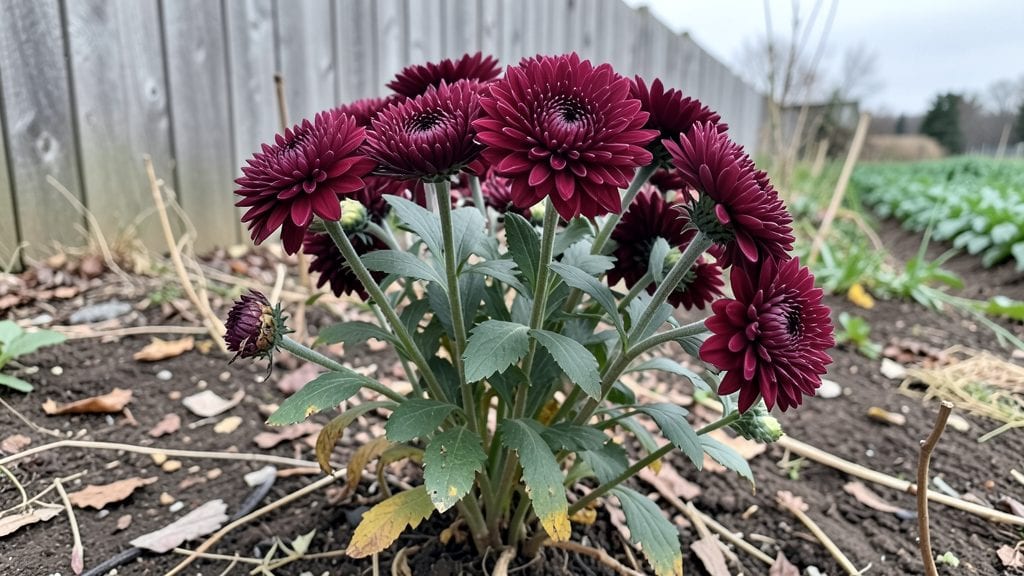
Caring for mum flowers outdoors in the Pacific Northwest means defying frost with the right techniques—something I perfected after my first winter nearly wiped out my prized chrysanthemums. 🌿 The key lies in soil prep, strategic pruning, and knowing when to protect them from early cold snaps, not just watering or sunlight.
You’ll need well-draining soil mixed with compost, a sunny spot with afternoon shade, and a 5-gallon container or in-ground spot for each plant. Mums thrive when watered 1-2 inches per week but hate soggy roots—think of them as drought-tolerant once established.
The real game-changer? A lightweight frost cloth for fall nights, which I learned the hard way costs less than replacing dead plants.
By late summer, you’ll see those classic pom-pom blooms in shades of pink, gold, and deep purple, lasting until the first hard frost. The secret is deadheading spent blooms to encourage more flowers and cutting back 2/3 of the plant in early spring before new growth appears.
Even in windy PNW gardens, they’ll reward you with months of color if you follow these steps.
This method works for both standard mums and the hardier autumn Joy varieties, making it perfect for containers, garden beds, or even balcony planters. Let’s get those plants surviving—and thriving—through our famously damp winters.
📚 In This Guide
- What you need
- Instructions
- Tips and common mistakes
- Wrapping up and next steps
What you need
- ● Mums Plants: Frost-resistant varieties like ‘Pacific Beauty’ or ‘Dakota Gold’ (3–5 plants per 10 sq. ft. for full coverage).
- ● Well-Draining Soil: Mix 1 part compost with 2 parts native PNW soil (pH 6.0–6.5).
- ● Organic Mulch: 2–3 inches of shredded bark or straw to insulate roots.
- ● Balanced Fertilizer: 10-10-10 or 5-10-10 (apply at planting and mid-season).
- ● Watering Can or Hose: With a gentle spray nozzle (1–1.5 gallons per plant, 2–3x/week).
- ● Pruning Shears: Sharp, sterilized shears for deadheading and shaping.
- ● Frost Cloth: Lightweight (30g/m²) for late-season protection.
- ● Garden Gloves: Heavy-duty for handling thorny stems.
- ● Soil pH Test Kit: To confirm ideal acidity levels.
- ● Slow-Release Granules: Osmocote (14-14-14) for extended nutrients.
- ● Epsom Salt: 1 tbsp per gallon of water monthly for magnesium boosts.
- ● Decorative Rocks: For drainage and aesthetic borders.
- ● Plant Stakes: 6-inch bamboo stakes to support tall varieties.
Instructions for growing Pacific Northwest frost-resistant mums
Here’s how to cultivate hardy chrysanthemums that thrive in cool climates and survive winter’s chill.
🌱 Step 1: Select the Right Varieties for Your Zone
Choose Pacific Northwest-tested cultivars like ‘Pacific Beauty’ or ‘Dakota Gold,’ bred to tolerate USDA Zone 5-8 and low-light conditions. These varieties resist powdery mildew and bloom reliably even in shorter daylight—critical for our region’s late-summer to fall growing season. Avoid tropical mums; they’ll sulk in cooler temps.
Purchase bare-root plants in early spring (March-April) or container-grown specimens in May. If buying potted mums, check for firm stems and deep green leaves—wilting or yellowing signals stress from poor storage. Plant as soon as possible; mums hate sitting in pots too long.
☀️ Step 2: Site and Soil Prep for Cool-Season Success
Mums need full sun to partial shade—at least 4-6 hours of direct light daily, but morning sun + afternoon shade prevents leaf scorch in hotter microclimates. Test your spot: if leaves turn pale yellow by late afternoon, it’s too intense. Amend heavy clay soil with 2-3 inches of compost to improve drainage; mums rot if their roots sit in soggy conditions.
Dig a hole twice as wide as the root ball and same depth. Loosen the roots if potted plants are root-bound—gently tease them apart with your fingers. This encourages outward growth, which helps them establish faster in our cool, damp springs. Water the hole deeply before planting to settle the soil.
💧 Step 3: Plant and Water for Establishment
Set the plant so the top of the root ball sits level with the soil surface—burying the crown too deep invites rot, while planting too high stresses the plant. Backfill with native soil mixed with 1 cup of bone meal per plant to boost phosphorus for strong roots. Water deeply immediately to eliminate air pockets.
Keep soil evenly moist but not soggy for the first 3-4 weeks. Use a soaker hose or drip irrigation to water at the base—avoid overhead sprinklers, which spread fungal spores. You’ll know moisture is right when the top 2 inches of soil feel cool to touch but not clammy. Mulch with 2-3 inches of shredded bark to retain moisture and protect roots from temperature swings.
✂️ Step 4: Prune and Fertilize for Fall Blooms
Pinch back new growth by half in early June to encourage bushier, more compact plants. This is non-negotiable for PNW mums—skipping it results in leggy, weak stems that flop in fall rains. Use clean, sharp pruners and cut just above a set of leaves where new growth will emerge. Deadhead spent blooms in early fall to redirect energy into hardier stems for winter.
Fertilize every 4-6 weeks from June through August with a balanced 10-10-10 formula. Switch to a low-nitrogen, high-phosphorus feed (like 5-10-10) in September to promote root strengthening before frost. Stop fertilizing by mid-October—new growth won’t harden off in time.
⏰ Step 5: Winterize for Frost Resistance
Once first frost hits (usually late October in the PNW), cut back stems by half and apply a 3-inch layer of straw mulch over the crown. This insulates roots from freeze-thaw cycles, which are deadlier than steady cold. In Zone 6 or colder, mound an extra 6 inches of mulch around the base—mums can survive 20°F with proper protection.
Remove mulch in early spring (March) once soil warms above 40°F. Resist the urge to prune until new growth appears—dormant stems hide buds that could sprout early. Water lightly in dry spells during dormancy to prevent desiccation, but avoid soggy soil, which invites rot.
Tips & tricks for perfect Pacific Northwest mums
A few key strategies will help your frost-resistant mums thrive in our unique climate and avoid common pitfalls.
Variety Selection: When choosing between 'Pacific Beauty' or 'Dakota Gold', consider your specific microclimate. 'Pacific Beauty' handles cooler, wetter conditions better, while 'Dakota Gold' thrives in slightly warmer spots with good afternoon shade. I always check the plant tags for disease resistance ratings—higher numbers mean fewer fungal issues in our damp springs.
Soil Preparation: The 2-3 inches of compost we add isn't just about drainage—it's also about creating a perfect balance of nutrients. For heavy clay soils common in the PNW, mix in 1 part perlite to 3 parts compost to improve aeration. This prevents that dreaded root rot while still providing the moisture retention mums need during our dry summer spells.
Watering Wisdom: Those first 3-4 weeks after planting are critical—this is when most gardeners either overwater (causing rot) or underwater (leading to stress). I test soil moisture by feeling the top 2 inches—it should feel like a wrung-out sponge, not a dripping wet washcloth. A soaker hose set on a timer for 15 minutes twice daily works perfectly during our hot afternoons.
Winter Protection: The 3-inch straw mulch layer we apply at first frost isn't just insulation—it's also a moisture barrier. In Zone 6 areas, I double that to 6 inches and add a layer of burlap over the crown for extra protection against our notorious freeze-thaw cycles. This simple layering can mean the difference between plants that survive and ones that succumb to winter damage.
Pro Tips for Mums Flowers Care Outdoors
- A few key strategies will help your frost-resistant mums thrive in our unique climate and avoid common pitfalls.
- Variety Selection: When choosing between 'Pacific Beauty' or 'Dakota Gold', consider your specific microclimate.
- Soil Preparation: The 2-3 inches of compost we add isn't just about drainage—it's also about creating a perfect balance of nutrients.
Frequently asked questions
Got questions about keeping your mums flowers thriving outdoors in the Pacific Northwest’s chilly climate? You’re not alone! Here are some of the most common concerns—and straightforward answers—to help you grow confidently.
How cold can mums handle before frost damage?
Most Chrysanthemum varieties tolerate light frosts down to 25°F (-4°C), but prolonged cold below 20°F (-6°C) can cause damage. In the PNW, protect them with mulch or frost cloth if temps dip unexpectedly. Hardy varieties like ‘Dwarf Mums’ or ‘New England Mums’ are your best bet for resilience!
Can I plant mums outdoors year-round in the PNW?
Nope! Plant them in early spring (March–April) or late summer (August–September) for best results. Avoid planting in fall—they need time to establish roots before winter. If you’re starting from cuttings, late spring is ideal for rooting before the first frost.
Why are my outdoor mums wilting even with regular watering?
Wilting can signal overwatering (root rot) or underwatering. Check soil moisture—mums prefer 1 inch of water weekly, but PNW’s damp climate means well-draining soil is key. If leaves yellow, it’s often overwatering; if they crisp, it’s drought stress. Adjust and amend soil with compost if needed.
What pests should I watch for in PNW mum gardens?
Keep an eye out for aphids, spider mites, and slugs—common culprits. Use neem oil or soapy water sprays for soft-bodied pests, and beer traps for slugs. Prevention is easier: Space plants for airflow and remove debris where pests hide.
Are there frost-resistant mum alternatives for the PNW?
Try these cold-hardy picks:
- ‘Ruffles’ Series: Thrives in zones 5–9, blooms late fall.
- ‘Dwarf Mums’: Compact, handles light frost better than standard types.
- ‘New England Mums’: Native-like, survives 15°F (-9°C) with mulch.
Bonus: ‘Bonnets’ or ‘Painted Lady’ varieties add color without fuss!
Wrapping up and next steps
Caring for mums flowers outdoors in the Pacific Northwest is totally doable—even with frost! 🌸 With the right soil, sunlight, and a little TLC, you’ll enjoy vibrant blooms season after season. Remember: consistency is key, whether you’re watering, fertilizing, or protecting them from early chills.
Now that you’re armed with tips, take the next step—grab your gardening gloves and plant those mums! Watch them thrive, and soon, your garden will be the talk of the neighborhood. Happy gardening! 🌿