Pests and Diseases
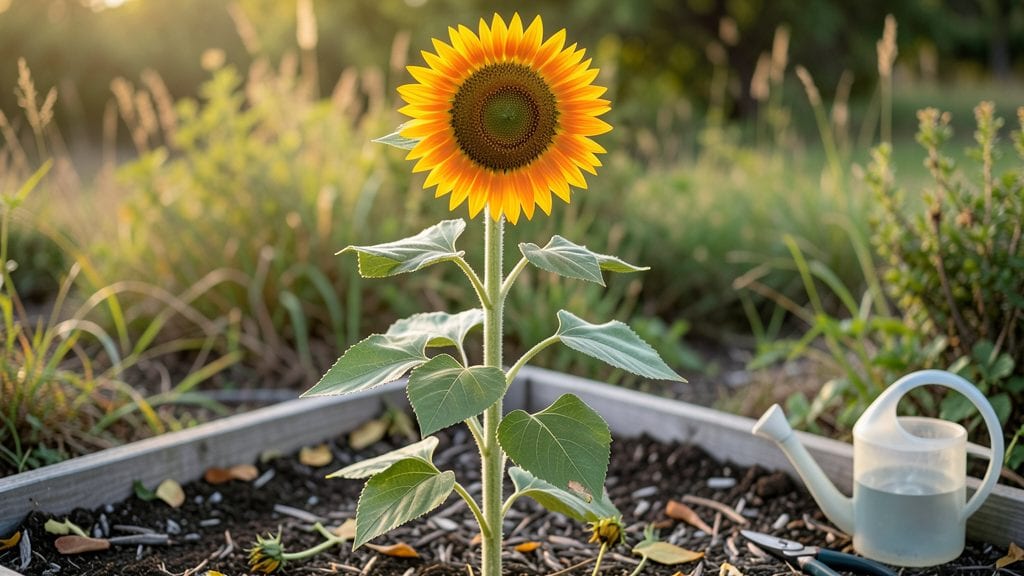
Orange and yellow sunflowers create the kind of eye-popping contrast that makes garden borders unforgettable—like a summer sunset in plant form. 🌻 I’ve used them to transform dull edges into vibrant focal points, pairing their fiery hues with deep purples and soft blues for maximum impact.
The secret isn’t just planting them; it’s arranging them in wavy lines or tall clusters to draw the eye along pathways or frame entryways.
Start by grouping them in odd-numbered sets (3, 5, or 7) for natural balance, and mix heights—tall varieties in back, shorter ones up front. Add companion plants like salvias or coneflowers to extend the season’s drama, and watch how they turn ordinary borders into showstopping garden art.
The best part? They thrive in almost any soil and bloom from midsummer through frost.
📚 In This Guide
- What you need
- Instructions
- Tips and common mistakes
- Wrapping up and next steps
What you need
- ● Sunflower seeds: 50–100 seeds (mix of Helianthus annuus varieties like 'Lemon Queen' for yellow and 'Teddy Bear' for orange). Choose disease-resistant hybrids if pests are a concern.
- ● Well-draining potting mix: 2–3 cubic feet (or garden soil amended with compost for in-ground planting). Opt for organic, peat-free mix to deter fungal diseases.
- ● Containers or garden bed: Containers: 5–10 gallon pots (with drainage holes) for urban gardens.
- ● Garden bed: Full sun (6+ hours daily) and space 12–18 inches apart for mature plants.
- ● Slow-release fertilizer: 1–2 cups (5–10–5 NPK ratio) per 10 sq ft of bed or container.
- ● Mulch: 2–3 inches of straw or shredded bark to retain moisture and suppress weeds.
- ● Hand trowel or transplanting spade (for planting seeds or seedlings).
- ● Watering can or hose with gentle spray nozzle (sunflowers need consistent moisture but hate soggy roots!).
- ○ Gloves (optional but recommended for handling soil and seeds).
- ○ Pest control (optional but helpful): Neem oil spray (1 tbsp per gallon of water) for aphid prevention.
- ● Row covers (lightweight fabric) to protect seedlings from pests like sunflower moths.
- ○ Stakes or cages (optional, for tall varieties like 'Moulin Rouge' to prevent flopping in wind).
- ● 🌡️ Timing: Plant seeds after the last frost when soil is 60°F+ for optimal germination.
- ● ✨ Color contrast hack: Pair yellow sunflowers with orange marigolds or red salvia for a bold border!
- ● 🔥 Pest watch: Inspect leaves weekly for rust spots or leaf miners—remove affected foliage immediately.
How to plant and maintain stunning orange and yellow sunflower borders
Here's my foolproof method for creating vibrant, long-lasting sunflower borders that pop against any garden backdrop.
🌱 Step 1: Choose the Right Varieties and Planting Location
Select orange varieties like 'Moulin Rouge' or 'Teddy Bear' for their rich, warm tones, and pair them with bright yellow types such as 'Lemon Queen' or 'Sunray' for maximum contrast. I always plant them in full sun—at least 6-8 hours daily—since sunflowers need intense light to develop their bold colors and sturdy stems.
Sunflowers thrive in well-draining soil with a pH between 6.0 and 7.5. If your soil is heavy clay, mix in 2-3 inches of compost to improve aeration. I test my soil first—sunflowers wilt quickly if roots suffocate. Plant in early spring, 2-3 weeks before the last frost, or in late summer for fall blooms.
🌱 Step 2: Prepare the Soil and Plant Seeds at the Right Depth
Loosen the soil to a depth of 12 inches with a garden fork, breaking up any compacted layers. Sunflower roots need room to spread deep. Scatter seeds 1 inch apart in rows spaced 18-24 inches apart—this gives mature plants room to grow without crowding, which weakens stems and reduces flower production.
Press each seed ½ inch deep into the soil. I use my finger to make a small hole, place the seed inside, and cover it lightly. Water gently but thoroughly after planting to settle the soil around the seeds. Keep the area consistently moist until germination, which typically takes 7-14 days depending on soil temperature.
☀️ Step 3: Provide Support and Maintain Consistent Care
As seedlings reach 6-8 inches tall, thin them to 12-18 inches apart to prevent overcrowding. I snip weaker stems at the base with clean scissors, leaving the strongest plants. Stake tall varieties like 'Russian Giant' with 6-foot bamboo stakes or use tomato cages for support—sunflowers grow top-heavy and can topple in wind.
Water at the base of plants in the morning to encourage deep root growth. Avoid wetting leaves, which can lead to powdery mildew. Fertilize lightly with a balanced 10-10-10 formula at planting and again when plants reach 12 inches tall, but skip heavy feeding—sunflowers thrive on lean soil and produce fewer flowers if overfed.
✂️ Step 4: Prune for Longer Blooms and Prevent Disease
Remove any dead or yellowing leaves regularly to improve airflow and reduce pests. I also cut back spent blooms to encourage more flowers—this keeps plants producing for weeks longer. If you notice blackened stems or wilting, it’s often sunscald from hot afternoons. Provide afternoon shade for young plants until they’re established.
Watch for sunflower moths or beetles—handpick them early in the day when they’re sluggish. A neem oil spray applied in the evening deters pests without harming pollinators. Harvest seeds when the back of the flower turns yellow and papery, then dry them in a well-ventilated area for future planting.
🌿 Step 5: Extend the Season with Strategic Planting
For a continuous border, stagger plantings every 2 weeks from spring to early summer. This ensures flowers bloom at different times, keeping your garden vibrant. I also interplant low-growing annuals like marigolds or zinnias between sunflowers—they fill gaps and deter pests naturally.
In fall, leave some seed heads for winter interest and bird food. The contrast of dried orange and yellow blooms against snow is stunning. Mulch around plants in late fall with 2-3 inches of straw to protect roots from freezing. With this care, your sunflower border will be the showstopper of the garden every year.
Tips & tricks for perfect sunflower borders
A few strategic moves will help your sunflower border thrive with those vibrant orange and yellow hues all season long.
Sunlight Strategy: While the instructions mention 6-8 hours of full sun daily, I've found that morning sun paired with afternoon shade works best in hot climates. The intense midday heat can cause sunscald on young plants, so provide temporary shade cloth if temperatures exceed 90°F. This prevents blackened stems while still allowing the plants to develop their signature bold colors.
Soil Preparation Secret: Before amending heavy clay soil with 2-3 inches of compost as instructed, I recommend adding a handful of perlite or coarse sand to improve drainage further. Sunflowers hate soggy roots—this extra step prevents the wilting you might see in compacted soils. Test your soil's moisture by squeezing a handful; if it forms a tight ball, you need more drainage.
Germination Hack: To ensure those 7-14 day germination times stay on track, soak seeds overnight in water before planting. This jumpstarts hydration and often results in more uniform sprouting. Just be sure to plant them at the same ½ inch depth afterward—they'll still need proper soil contact to establish roots.
Pest Prevention: While neem oil spray is mentioned for pests, I've had great success with a garlic spray made from blended garlic, water, and a drop of dish soap. Spray in the evening when pests are sluggish—it deters sunflower moths and beetles without harming beneficial pollinators. Reapply every 7-10 days for continuous protection.
Pro Tips for Orange And Yellow Sunflower
- A few strategic moves will help your sunflower border thrive with those vibrant orange and yellow hues all season long.
- Sunlight Strategy: While the instructions mention 6-8 hours of full sun daily, I've found that morning sun paired with afternoon shade works best in hot climates.
- Soil Preparation Secret: Before amending heavy clay soil with 2-3 inches of compost as instructed, I recommend adding a handful of perlite or coarse sand to improve drainage further.
Frequently asked questions
Got questions about growing orange and yellow sunflowers with bold color contrast? You’re not alone! Here are some common queries—and their answers—to help you plan a stunning garden border without the stress.
Why do my orange and yellow sunflowers look pale or dull?
Pale or dull colors in sunflowers often signal nutrient deficiencies (like nitrogen or magnesium) or overwatering, which can dilute pigment intensity. Test your soil and amend with compost or a balanced fertilizer. Yellowing leaves? Check for chlorosis (iron deficiency) and apply chelated iron.
Can I grow orange and yellow sunflowers from seed in the same pot?
Yes, but give them space! Plant seeds 12–18 inches apart in large containers (at least 12 inches deep) to avoid competition. Use well-draining soil and rotate pots for even sunlight. If growing in-ground, space them 18–24 inches apart for optimal color contrast and airflow.
Are orange sunflowers more prone to pests than yellow ones?
Both colors attract pests like aphids, sunflower moths, and beetles, but orange varieties (e.g., ‘Lemon Queen’) may draw more attention due to their vibrant hue. Monitor for chewing damage or sticky residue. Use neem oil or introduce ladybugs early to protect your border.
How long does it take for orange and yellow sunflowers to reach full color?
Most sunflowers bloom 60–90 days after sowing, depending on the variety. Dwarf types (like ‘Teddy Bear’) may show color in 45–60 days, while tall varieties (e.g., ‘Russian Giant’) take longer. For faster results, start seeds indoors 2–3 weeks before the last frost.
What’s a good alternative if I can’t find orange sunflowers?
Try these bold, contrasting pairings for your border:
- Yellow sunflowers + purple coneflowers (Echinacea)
- Orange zinnias + golden coreopsis
- Red salvia + buttercup-colored marigolds
Wrapping up and next steps
Creating a bold, orange and yellow sunflower garden border isn’t just about aesthetics—it’s a celebration of nature’s vibrancy while keeping pests at bay! These striking sunflowers not only add wow to your space but also act as natural deterrents with their resilience and companion-planting benefits.
Whether you’re a seasoned gardener or just starting, every step you take brings you closer to a thriving, pest-resistant paradise. 🌻
Ready to transform your garden? Start small—plant a few seeds or a single pot today! Observe what thrives, experiment with colors, and let your creativity bloom. Your garden’s masterpiece is just a seed away! 🌱✨