
Flowers
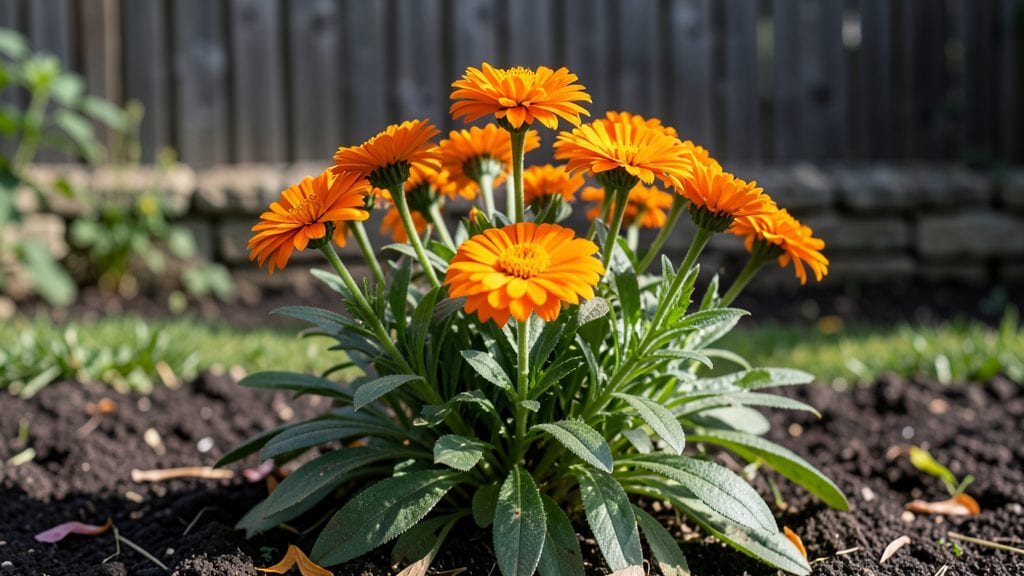
Nothing brightens a Pacific Northwest garden like orange perennial flowers flitting with hummingbirds from spring to frost. 🌸 I fell in love with daylilies after my first year—those fiery blooms lasted from June through September, and the bees never left.
The key is pairing bold oranges with deep purples or blues to make the colors pop even more.
Start with black-eyed Susans and coreopsis for foolproof choices that thrive in PNW’s damp summers and mild winters. Both handle partial shade and occasional rain, making them perfect for beginners. Add bee balm for extra nectar and a longer bloom season—just watch for slugs in spring.
The secret to a hummingbird magnet? Plant in clusters of three or more so they can spot the flowers easily from a distance.
You’ll end up with borders that hum with activity all season, even when other gardens fade. The contrast of orange daylilies against purple salvia or blue delphiniums creates a showstopping effect that lasts from early summer through fall.
These perennials multiply over time, so you’ll have more flowers—and fewer chores—each year. The best part? They come back stronger every spring with almost no effort.
For cottage gardens, mix in orange columbines for vertical interest and goldenrod for late-season color. In pollinator patches, pair with purple coneflowers and lavender to create a nonstop nectar buffet.
The more variety you add, the longer the hummingbirds will linger—and the more your neighbors will ask for your secret. Let’s get planting!
📚 In This Guide
- What you need
- Instructions
- Tips and common mistakes
- Wrapping up and next steps
What you need
- ● Orange perennial flowers: Choose from 3–5 varieties (e.g., Penstemon, Bee Balm, Columbine, or Daylilies) for continuous blooms. Buy 3–5 plants per variety for a lush display.
- ● Well-draining soil: 50 lbs of organic compost or potting mix (blend with native soil for best results).
- ● Mulch: 2–3 inches of wood chips or straw to retain moisture and regulate temperature.
- ● Slow-release fertilizer: 10–20 lbs of 10-10-10 or organic fertilizer (like fish emulsion) for nutrient-rich soil.
- ● Garden gloves (1 pair for protection).
- ● Trowel or hand shovel (for planting and soil prep).
- ● Pruners (sharp, sterilized for trimming).
- ● Watering can or hose with a gentle spray nozzle (for delicate watering).
- ● Measuring tape or ruler (to space plants 12–24 inches apart).
- ● Hummingbird feeders (1–2 for supplemental nectar during migration).
- ● Drip irrigation system (for consistent moisture in dry spells).
- ● Native plant companion guides (to pair with pollinator-friendly perennials).
- ● Sunlight meter (to ensure your garden meets the 4–6 hours of sunlight per day most orange perennials need).
Step-by-Step guide to planting orange perennial flowers for hummingbirds
Here’s how to create a vibrant, low-maintenance orange perennial garden that thrives in the Pacific Northwest’s climate.
🌱 Step 1: Choose the Right Orange Perennials for Hummingbirds
Select native or well-adapted orange-blooming perennials like beebalm (Monarda didyma), butterfly weed (Asclepias tuberosa), or orange coneflower (Rudbeckia fulgida)—all of which attract hummingbirds with their nectar-rich blooms. I always opt for disease-resistant varieties to avoid the fungal issues common in damp Pacific Northwest summers. Check each plant’s mature size to ensure proper spacing; for example, butterfly weed thrives in 3-4 feet of space, while beebalm stays more compact at 2-3 feet.
If your site has morning sun and afternoon shade, pair orange coneflower with columbine (Aquilegia) for layered color. For full sun, penstemon (Penstemon spectabilis) delivers striking orange spikes that hummingbirds adore. Avoid invasive species like orange hawkweed, which can spread aggressively in moist climates.
🪴 Step 2: Prepare the Planting Site for Moisture and Drainage
Test your soil’s drainage by digging a 12-inch deep hole—if water pools after 30 minutes, amend the area with 2-3 inches of compost and 1 inch of coarse sand to improve aeration. Pacific Northwest soils often retain too much moisture, so raised beds or mounded planting areas work well for perennials like orange daylilies (Hemerocallis). I mix in slow-release organic fertilizer at planting time to give roots a nutrient boost without encouraging weak, leggy growth.
Choose a location with at least 6 hours of sunlight daily, even if it’s dappled—orange perennials tolerate partial shade better than full shade. Mark planting spots with stakes or string to avoid overcrowding, especially for clump-forming plants like orange lilyturf (Liriope muscari). Space them 18-24 inches apart to allow airflow and reduce fungal risks.
☀️ Step 3: Plant and Mulch for Year-Round Hummingbird Support
Dig holes twice as wide as the root ball but no deeper, as planting too deep can suffocate roots. Gently remove the plant from its container, loosen tangled roots, and place it in the hole so the top of the root ball sits level with the soil surface. Backfill with native soil mixed with 1 part compost, pressing lightly to eliminate air pockets. Water deeply to settle the soil and encourage root contact.
Apply 3 inches of organic mulch (like shredded bark or straw) around each plant, keeping it 2 inches away from stems to prevent rot. Mulch conserves moisture, regulates soil temperature, and suppresses weeds—critical in the Pacific Northwest’s rainy seasons. Replenish mulch annually in early spring to maintain its protective layer. For extra hummingbird appeal, add native grasses like blue grama (Bouteloua gracilis) at the garden’s edges to provide perching spots.
💧 Step 4: Water and Fertilize for Long-Term Blooms
Water newly planted perennials deeply 2-3 times per week for the first month, then taper to once weekly once established. Let the top 2 inches of soil dry out between waterings to prevent root rot—a common issue in the region’s damp climate. I use drip irrigation to deliver water at the base, avoiding wetting foliage, which reduces fungal diseases like powdery mildew.
Fertilize in early spring with a balanced organic fertilizer (10-10-10) or a low-nitrogen, high-phosphorus formula to encourage blooming. Avoid high-nitrogen feeds, which promote leafy growth at the expense of flowers. Deadhead spent blooms throughout the season to prolong flowering and keep the garden looking tidy. In late fall, apply a layer of compost to replenish nutrients for next year’s growth.
⏰ Step 5: Prune and Maintain for Seasonal Hummingbird Traffic
Prune back orange beebalm and butterfly weed in early spring by cutting stems to 4-6 inches tall, just above a set of leaves. This removes dead growth and encourages fresh, vibrant shoots. For orange coneflower, wait until late winter to trim back stems, as the seed heads provide winter interest and food for birds. Always use clean, sharp pruners to make clean cuts and prevent disease spread.
Monitor for aphids or spider mites, which can stress plants in hot summers. Spray affected areas with neem oil or introduce ladybugs for natural pest control. In late fall, cut back all dead foliage but leave seed heads for winter birds. This creates a layered, wildlife-friendly garden that hummingbirds will return to year after year.
Tips & tricks for perfect orange perennial gardens
A few key strategies will help you create a thriving, hummingbird-friendly orange perennial garden that stands out in the Pacific Northwest's challenging climate.
The Plant Selection Factor: When choosing your orange perennials in Step 1, prioritize plants with native disease resistance—this is especially critical in the region's damp summers. For example, the orange coneflower varieties like 'Gloriosa Dawn' are bred to resist powdery mildew, which can devastate less resilient plants. I've found that butterfly weed also handles our wet climate exceptionally well once established, though it may need that 30-minute drainage test from Step 2 to confirm suitability.
Soil Preparation Secret: In Step 2, don't skip the 12-inch drainage test—this simple check prevents future root rot issues that can kill your perennials. If you're working with heavy clay soil common in the PNW, consider creating raised beds or planting mounds. I've had the most success with orange daylilies in these elevated areas, as they tolerate the moisture better than many other orange perennials. The 2-3 inches of compost mixed into the planting hole creates an ideal microclimate for root development.
Mulching Mastery: The 3 inches of organic mulch you apply in Step 3 isn't just for looks—it's a critical moisture regulator in our rainy climate. I recommend using shredded cedar mulch for its natural pest-repelling properties, particularly against aphids that love orange perennials. Keep that mulch 2 inches away from stems to prevent rot, and remember to replenish it annually in early spring before the hummingbirds arrive. This creates the perfect environment for your plants to thrive year-round.
Pruning Precision: When you're ready to prune in Step 5, timing matters just as much as technique. For orange beebalm, make those 4-6 inch cuts in early spring while the plant is still dormant but starting to show new growth. I've learned the hard way that pruning too late can remove flower buds before they open. For orange coneflower, wait until late winter to trim back stems—those seed heads provide winter interest and food for birds, which helps attract hummingbirds back the following spring.
Pro Tips for Orange Perennial Flowers
- A few key strategies will help you create a thriving, hummingbird-friendly orange perennial garden that stands out in the Pacific Northwest's challenging climate.
- The Plant Selection Factor: When choosing your orange perennials in Step 1, prioritize plants with native disease resistance—this is especially critical in the region's damp summers.
- Soil Preparation Secret: In Step 2, don't skip the 12-inch drainage test—this simple check prevents future root rot issues that can kill your perennials.
Frequently asked questions
Got questions about keeping your garden buzzing with orange perennial blooms? Here are some of the most common ones—and their answers!
When is the best time to plant orange perennials in the Pacific Northwest?
For most orange perennials like Penstemon or Helleborus, aim for early spring (March–April) or fall (September–October). The cooler, wetter climate of the PNW means they’ll establish roots before summer heat. Pro tip: If planting in summer, water deeply 2–3 times a week to prevent shock!
Which orange perennials attract the most hummingbirds?
Top picks for hummingbird lovers include Bee Balm (Monarda), Columbine (Aquilegia), and Butterfly Weed (Asclepias tuberosa). These flowers are tubular, nectar-rich, and bloom repeatedly. Bonus: Plant in clusters (3+ plants) for maximum appeal!
How do I protect orange perennials from PNW winters?
Most orange perennials (like Hellebore or Coral Bells) are hardy, but a 3-inch layer of mulch (straw or shredded leaves) shields roots from freeze-thaw cycles. Tender varieties (e.g., Dahlias) may need winter wraps or container relocation to a garage.
Can I divide my orange perennials to spread them around the garden?
Divide clump-forming perennials like Daylilies or Coral Bells in early spring or fall. Dig up the plant, separate the roots gently, and replant sections 18–24 inches apart. Warning: Avoid dividing during flowering—it stresses the plant!
What if my orange perennials aren’t blooming?
Check these fixes: 1) Deadhead spent blooms to encourage regrowth. 2) Ensure they get 6+ hours of sun (some need full sun!). 3) Fertilize lightly in spring with a balanced 10-10-10 mix. 4) If soil is poor, amend with compost. Patience pays off—some perennials take 2–3 years to peak!
Are there shade-tolerant orange perennials for PNW gardens?
Yes! Try Hellebore (Lenten Rose), Astilbe (with orange ‘Fanal’ cultivars), or Heuchera (like ‘Lime Rickey’ with orange stems). These thrive in partial shade (4–6 hours of sun) and add vibrant pops to woodland gardens.
Wrapping up and next steps
Transforming your Pacific Northwest garden into a vibrant hummingbird haven is easier—and more rewarding—than you think! 🌸 With orange perennial flowers like Penstemon, Bee Balm, and Columbine, you’re not just adding color; you’re creating a thriving ecosystem that keeps these tiny visitors buzzing all year.
Whether you’re a seasoned gardener or just starting, every bloom is a step toward a more lively, pollinator-friendly space.
Ready to take the next step? Start small—pick one or two perennials to plant this season, then expand as you gain confidence. Your garden (and the hummingbirds!) will thank you. 🐦✨