
Flowers
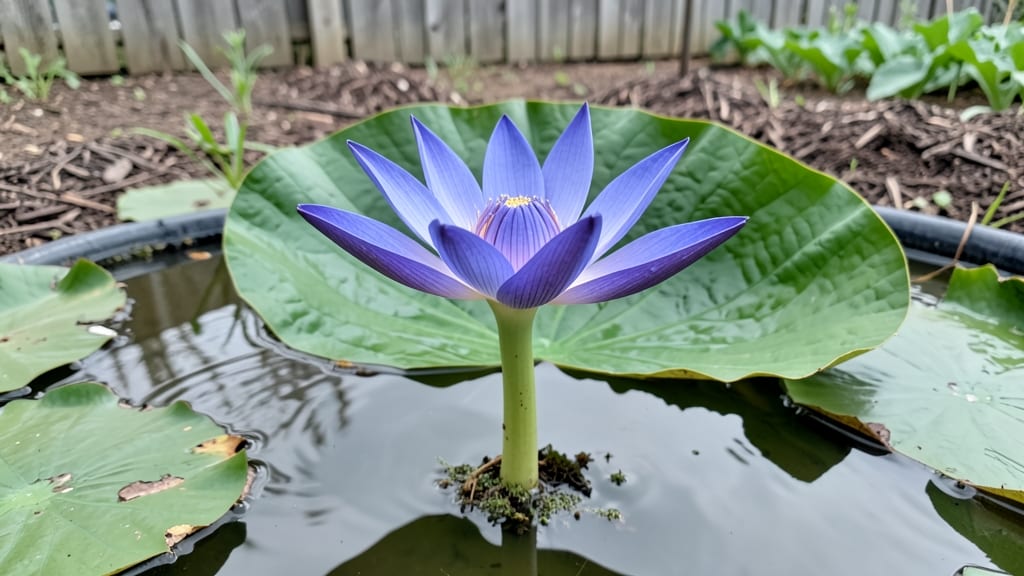
Growing the organic blue lotus flower in the Pacific Northwest is possible—if you embrace its tropical roots with the right approach. 🌿 This isn’t your average garden plant; it thrives in still water, loves warmth, and demands patience, but the payoff is worth it.
The deep blue blooms attract hummingbirds and bees like nothing else, turning your pond or container into a pollinator paradise.
You’ll need a sunny spot with at least 6 hours of direct light daily, a container or pond at least 18 inches deep, and warm water (70–80°F).
The soil mix should be rich in organic matter, with a pH between 6.0 and 7.5, and you’ll want to fertilize lightly with compost tea every 4–6 weeks to keep it happy without shocking the roots.
Once established, the blue lotus will reward you with stunning blooms from late summer through fall, their petals opening only in full sunlight. The key to success? Clean water—remove debris regularly to prevent stagnation, and avoid overcrowding so roots stay healthy.
With the right care, this tropical beauty will thrive even in cooler climates.
Fair warning: It’s not a fast grower—first blooms may take a full season—but the sight of those velvety blue flowers floating on the water is a garden memory you’ll cherish. Perfect for ponds, large containers, or even a small water feature on your patio.
📚 In This Guide
- What you need
- Instructions
- Tips and common mistakes
- Wrapping up and next steps
What you need
- ● Blue Lotus Tubers: 3–5 organic, disease-free tubers (ensure they’re certified organic and sourced from a reputable nursery).
- ● Large Containers or Pond: At least 12–18 inches deep (for containers) with 10+ gallons of water per tuber.
- ● Organic pond liner (if using a DIY pond) or a pre-formed fiberglass or resin pond.
- ● Gravel or Pebbles: 2–3 inches of 1/4–1/2 inch washed gravel for drainage and root stability.
- ● Organic Aquatic Soil: 3–4 inches of low-nutrient, clay-based soil (e.g., pond mud or aquatic planting mix).
- ● Water Source: A gentle water feature, fountain, or bubbler (to maintain oxygen levels and deter mosquitoes).
- ○ Floating Plants (Optional but Helpful): Water hyacinth or duckweed to shade the water and reduce algae.
- ● Organic Fertilizer: A low-phosphorus, aquatic-safe fertilizer (e.g., fish emulsion or seaweed extract).
- ● Tools: Garden trowel or pond planting tool.
- ● Rubber gloves (to protect your hands from water and soil).
- ● pH test kit (to monitor water pH 6.5–7.5).
- ● Solar-Powered Aerator: Keeps water oxygenated and blue lotus thriving.
- ● Decorative Rocks or Driftwood: Adds aesthetic appeal and helps anchor tubers.
- ● Pollinator-Friendly Plants: Plant nearby bee balm, lavender, or coneflowers to attract hummingbirds and bees.
- ● Shade Cloth (30–50% coverage): Protects tubers from intense PNW summer sun if growing in partial shade.
Step-by-Step guide to cultivating organic blue lotus in the Pacific Northwest
Here’s how to grow this stunning, cold-hardy pollinator favorite with minimal fuss.
🌱 Step 1: Choose the Right Location and Prepare the Soil
The blue lotus (Nymphaea caerulea) thrives in full sun to partial shade—at least 6 hours of direct sunlight daily. In the Pacific Northwest’s cooler climate, opt for a south-facing spot or a location with afternoon shade to prevent overheating. If growing in containers, place them where they’ll receive morning sun and afternoon shade during summer.
This plant demands rich, organic soil with a pH between 6.0 and 7.5. Amend your garden bed with 2-3 inches of compost and a handful of well-rotted manure before planting. Blue lotus roots are sensitive to compaction, so avoid heavy clay soils. If your soil drains poorly, mix in sand or perlite to improve aeration. The roots need moist but never waterlogged conditions, so test drainage by digging a hole and filling it with water—if it doesn’t drain within 30 minutes, amend further.
🪴 Step 2: Plant Rhizomes at the Correct Depth and Spacing
Blue lotus spreads via rhizomes, so space them 12-18 inches apart in garden beds or 18-24 inches apart if planting multiple varieties to prevent overcrowding. In containers, use at least a 12-inch-deep pot with 18 inches of diameter per rhizome. Larger pots (24+ inches) can accommodate 2-3 rhizomes for a fuller display.
Plant rhizomes horizontally, 1-2 inches below the soil surface—never bury them deeply, as this can rot them. Place them in a shallow trench, cover lightly with soil, and press gently to secure. Water thoroughly after planting to settle the soil and eliminate air pockets. Avoid disturbing the rhizomes once planted, as they’re sensitive to transplant shock.
☀️ Step 3: Maintain Consistent Moisture and Fertility
Blue lotus loves consistent moisture—keep the soil evenly damp but never soggy. In the Pacific Northwest’s rainy climate, ensure containers have adequate drainage to prevent root rot. During summer droughts, water early in the morning to reduce evaporation and fungal risks. You’ll know moisture is right when the top 1 inch of soil feels damp to the touch but not saturated.
Fertilize lightly once a month during the growing season (spring to early fall) with a balanced organic liquid fertilizer (e.g., fish emulsion or seaweed extract). Avoid high-nitrogen fertilizers, which promote lush foliage at the expense of blooms. In late summer, reduce fertilization to encourage dormancy prep. Mulch with 2 inches of organic mulch (like straw or shredded leaves) to retain moisture and suppress weeds.
✂️ Step 4: Prune and Divide for Long-Term Health
Deadhead spent blooms by snipping stems at the base with clean, sharp pruners to encourage continuous flowering. Avoid cutting into old wood, as this can harm the rhizome. In early spring, trim any yellowed or damaged foliage to redirect energy to new growth. If your plant outgrows its space, divide rhizomes every 3-5 years in early spring or fall.
To divide, carefully dig up the rhizome cluster, separate sections with at least one healthy bud per division, and replant immediately. Water thoroughly after dividing to reduce transplant shock. This rejuvenates the plant and prevents overcrowding, which can lead to fewer blooms. In colder PNW winters, protect container-grown lotuses with a thick layer of mulch or move pots to a sheltered location.
🐝 Step 5: Support Pollinators and Extend the Blooming Season
Blue lotus is a magnet for pollinators, including bees, butterflies, and hummingbirds. To maximize their visit, plant near companion flowers like bee balm, coneflowers, or lavender, which provide additional nectar sources. Avoid pesticides—even organic ones—during bloom time to protect these vital visitors.
In the Pacific Northwest, blue lotus may go partially dormant in winter, with foliage dying back. Don’t panic—this is normal. Reduce watering in late fall, and let the soil dry slightly between waterings. Resume regular care in early spring as new shoots emerge. With proper care, your lotus will reward you with vibrant blue blooms from late spring to early fall, turning your garden into a pollinator paradise.
Tips & tricks for perfectly cultivating organic blue lotus
Here's what I've learned after years of growing this stunning pollinator magnet in the Pacific Northwest—these tricks will help you avoid common pitfalls and get the most vibrant blooms possible.
Location is Everything: In Step 1, that 6 hours of direct sunlight is non-negotiable for blue lotus. I've seen plants struggle in north-facing gardens, so if your yard doesn't get full sun, consider a raised bed with southern exposure. For containers, rotate them weekly to ensure even light exposure—this prevents lopsided growth and maximizes bloom production. The PNW's cooler climate means morning sun with afternoon shade actually works better than full sun exposure all day.
Soil Science Matters: When amending your soil in Step 1, don't just add compost—test that drainage first. I learned this the hard way when my first attempt with heavy clay soil led to root rot. The 30-minute drainage test is crucial: if water pools after 30 minutes, you need to add more sand or perlite. For containers, I recommend using a mix of 60% potting soil, 20% perlite, and 20% compost—this gives the perfect balance of moisture retention and aeration.
Rhizome Placement Secrets: The 1-2 inch planting depth in Step 2 is critical—any deeper and you'll risk rot, any shallower and they won't establish properly. I like to create a shallow trench about 1 inch deep, place the rhizomes horizontally with buds facing up, then cover with a thin layer of soil. Press gently but firmly to eliminate air pockets, then water thoroughly. Pro tip: Use a small board to create even pressure when pressing soil around rhizomes, especially in garden beds.
Winter Care Strategy: In Step 5, when preparing for winter dormancy, I've found that reducing watering too early can stress the plant. Start tapering off in late October rather than waiting for November. For container-grown lotuses, move them to a sheltered location like a garage or unheated basement where temperatures stay above freezing. I've had great success using 3-4 inches of straw mulch around the base—this insulates the rhizomes while allowing for some moisture exchange.
Pro Tips for Organic Blue Lotus Flower
- Here's what I've learned after years of growing this stunning pollinator magnet in the Pacific Northwest—these tricks will help you avoid common pitfalls and get the most vibrant blooms possible.
- Location is Everything: In Step 1, that 6 hours of direct sunlight is non-negotiable for blue lotus.
- Soil Science Matters: When amending your soil in Step 1, don't just add compost—test that drainage first.
Frequently asked questions
Got questions about growing organic blue lotus flowers in the Pacific Northwest? You’re not alone! Here are some of the most common queries—and their answers—to help you cultivate this stunning, cold-hardy beauty with confidence.
Can blue lotus flowers survive PNW winters?
The Nymphaea caerulea (true blue lotus) is not cold-hardy enough for the PNW’s harsh winters—it thrives in USDA Zones 9-11. However, the Pacific Northwest’s native water lilies (like Nymphaea ‘Peppermint’) offer similar beauty and can handle zones 4-9. For a true blue lotus look, consider growing them in containers and overwintering indoors or in a greenhouse.
How long does it take for blue lotus flowers to bloom?
Patience is key! Under ideal conditions (full sun, 6+ hours daily, and warm water), blue lotus flowers may take 2-5 years to bloom from seed. Established tubers or young plants can flower in 1-2 seasons. In cooler PNW climates, blooms may be delayed until late summer or early fall.
What’s the best water depth for growing blue lotus?
Blue lotus tubers need 6-12 inches of water to thrive. Shallow water (under 6”) can stress the plant, while depths over 18” may drown it. Use a weighted pot or a pond with adjustable depth to keep tubers submerged but roots oxygenated. In the PNW, a small, sunlit pond or container works best—just avoid stagnant water to prevent rot.
Are there organic alternatives to chemical fertilizers for blue lotus?
Blue lotus loves organic nutrients. Use compost tea, fish emulsion, or seaweed extract during the growing season (spring to early summer). Avoid over-fertilizing—too many nutrients can harm roots. A light layer of organic mulch around the pond edges also helps maintain soil health.
Why aren’t my blue lotus leaves floating properly?
Floating issues often stem from poor water quality, shallow roots, or nutrient deficiencies. Check your water pH (ideal: 6.5-7.5) and ensure tubers are planted at the right depth. If leaves sink, try adding a floating raft or adjusting water levels. Yellowing leaves may signal too much sun or algae buildup—prune affected foliage and improve circulation with a small fountain.
Do blue lotus flowers attract pollinators like other water lilies?
While not as aggressively pollinator-friendly as native water lilies, blue lotus does attract bees and butterflies, especially when in bloom. For a PNW-friendly pollinator garden, pair it with bee balm, monarda, or native cattails to create a thriving ecosystem. Plus, their vibrant blooms add a dramatic pop of color to any pond!
Wrapping up and next steps
Discovering the organic blue lotus flower isn’t just about adding a stunning splash of color to your Pacific Northwest garden—it’s about nurturing a resilient, eco-friendly pollinator haven.
This cold-hardy beauty thrives in your region’s unique climate while supporting bees, butterflies, and hummingbirds, creating a thriving ecosystem right in your backyard. 🌸🐝
Ready to transform your space? Start small—whether it’s a single pot or a dedicated garden bed—and watch as this magical flower blooms into a symbol of sustainability and natural beauty. Your garden (and the pollinators!) will thank you.
- Next step: Grab your seeds, tools, and a sunny spot—planting season is just around the corner! 🌱