
Flowers
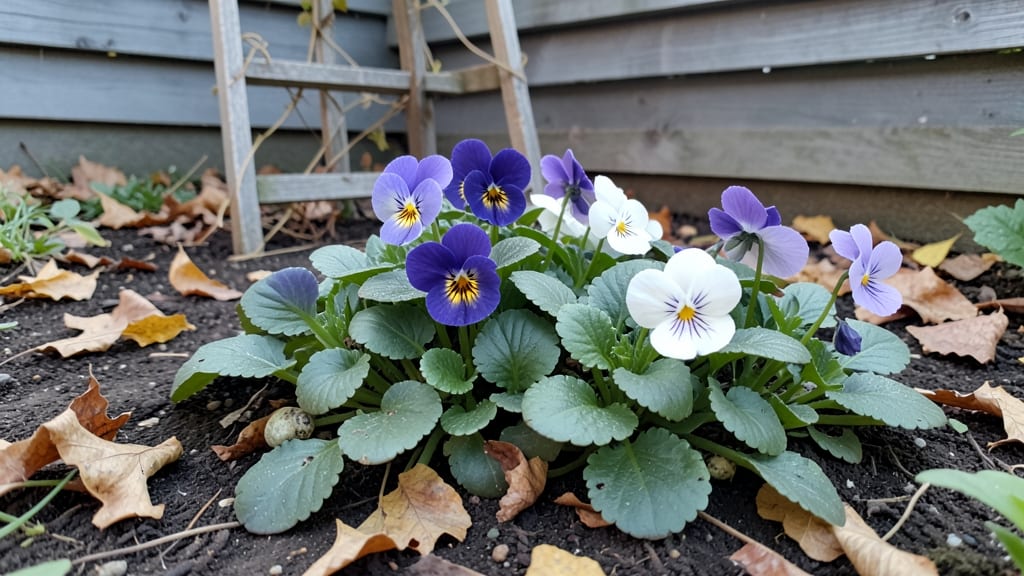
The vibrant pansy fall flowers thrive in crisp autumn air, transforming your Pacific Northwest garden into a jewel-toned masterpiece that lasts through early winter. I planted my first batch last October, and they kept blooming until late December—far longer than any summer annual.
The secret lies in their cold tolerance and love for cooler temperatures, which makes fall the perfect time to let them shine.
Start with seeds or transplants in early September for a bold color display by October. Choose varieties like 'Cool Wave' or 'Majestic Giant' for their extra hardiness—these hold up to light frosts and even snow.
Plant in well-draining soil with morning sun and afternoon shade to keep blooms vibrant. A light layer of mulch protects roots from temperature swings, while regular deadheading extends their show.
Imagine your garden in September: velvety purple, golden yellow, and deep blue pansies spilling over raised beds or brightening containers. They attract pollinators like bees and butterflies while adding texture to wreaths, window boxes, or even edging paths.
The best part? They bounce back after rain, looking fresher than many spring flowers. With minimal care, you'll have a garden that feels alive even as leaves turn.
Works for balconies, borders, or mass plantings—just adjust spacing (6-12 inches apart) based on your design. In the PNW, pansies are the unsung heroes of autumn, turning ordinary spaces into seasonal showstoppers. Ready to plant yours?
📚 In This Guide
- What you need
- Instructions
- Tips and common mistakes
- Wrapping up and next steps
What you need
- ● Pansy seeds or seedlings: Choose cold-hardy varieties like Viola × wittrockiana (e.g., 'Matrix,' 'Cool Wave,' or 'Soraya'). Buy 20–50 seeds (or 6–12 seedlings) for a small bed, scaling up as needed.
- ● Well-draining soil: Mix 50% garden soil with 30% compost and 20% perlite or sand to prevent waterlogging (PNW’s rainy season is no joke!).
- ● Garden bed or containers: For in-ground planting: A 6–12-inch-deep bed with 12–18 inches of spacing between plants.
- ● For containers: 5–7-inch pots (1 plant per pot) or hanging baskets (3–4 plants per basket).
- ● Organic fertilizer: A balanced 10-10-10 or fish emulsion (follow package rates for fall application).
- ● Mulch: 2–3 inches of straw or shredded leaves to insulate roots from frost.
- ● Garden tools: Trowel or transplant spade
- ● Pruners (for deadheading)
- ● Gloves (PNW soil can be gritty!)
- ● Watering can or hose with a gentle nozzle (pansies hate soggy feet!).
- ○ Row covers or frost cloth (optional, for early/late frosts).
- ● Slow-release granules (like Osmocote) for low-maintenance feeding.
- ● Decorative accents: Mulch in earthy tones (e.g., cedar chips) or garden stakes to support taller varieties.
Step-by-step guide to planting pansies for a Pacific Northwest fall display
Here's how I transform my garden into a vibrant fall showstopper using cold-hardy pansies.
Choose the Right Varieties for Pacific Northwest Conditions
Select pansy varieties rated for USDA Zones 3-7—these handle the Pacific Northwest's cool, damp autumns beautifully. I always choose Matrix, Cool Wave, or Superb series for their disease resistance and compact growth. These varieties bloom prolifically in 50-60°F temperatures, which is perfect for our fall climate.
Look for mixed colors if you want a natural, cottage-garden look, or stick to solid colors for bold contrast. Avoid heat-loving varieties—they'll bolt or fade quickly once temperatures dip below 65°F. Check seed packets for "fall-blooming" labels to ensure you're getting the right types.
Prepare the Planting Site for Optimal Growth
Pansies thrive in partial shade to full sun, but in the Pacific Northwest, morning sun with afternoon shade prevents leaf scorch. Clear the area of weeds and loosen the soil to a depth of 6-8 inches. Amend the soil with 2-3 inches of compost—this improves drainage and provides nutrients for the pansies' long blooming season.
Test your soil pH—pansies prefer 6.0-7.0. If your soil is too acidic, add lime to raise the pH gradually. Avoid fresh manure or high-nitrogen fertilizers at planting time; they encourage leafy growth at the expense of flowers. Instead, mix in a balanced 10-10-10 fertilizer at half-strength into the soil.
Plant Pansies at the Correct Depth and Spacing
Dig holes twice as wide as the pansy root ball but only as deep as the container's drainage holes. Gently remove pansies from their containers and tease apart any circling roots. Place each plant in its hole, ensuring the top of the root ball sits level with the soil surface—burying too deep causes rot, while planting too high stresses the plant.
Space plants 8-12 inches apart for a lush, continuous display. If you're planting in beds, arrange them in staggered rows to create a natural, flowing look. Water deeply right after planting to settle the soil and eliminate air pockets. You'll know it's right when the soil feels evenly moist but not soggy around the roots.
Water and Mulch for Fall Success
Water pansies once a week during establishment, providing 1 inch of water each time. In the Pacific Northwest's damp climate, you may need to adjust this—water only when the top inch of soil feels dry. Overwatering in cool weather leads to root rot, while underwatering causes buds to drop before opening.
Apply a 2-inch layer of mulch (like shredded bark or straw) around each plant, keeping it 2 inches away from the stems. This conserves moisture, regulates soil temperature, and suppresses weeds. Replenish the mulch every 4-6 weeks as it breaks down. Avoid thick mulch layers—they can smother the plants and prevent water from reaching the roots.
Maintain Blooms Through Fall and Early Winter
Deadhead spent blooms weekly to encourage continuous flowering. Simply pinch off the faded flowers with your fingers—no tools needed. This redirects the plant's energy into producing new buds instead of setting seed. You'll notice a surge in new blooms within 7-10 days if you stay on top of this.
Fertilize lightly every 3-4 weeks with a low-nitrogen, high-phosphorus fertilizer (like 5-10-5) to promote flowering over foliage. Stop fertilizing 6 weeks before the first frost—this helps the plants harden off naturally. In the Pacific Northwest, pansies often rebloom in early spring, so a little care now pays off twice.
Tips & tricks for perfect Pacific Northwest pansy planting
Here's what I've learned after years of creating stunning fall pansy displays in our cool, damp climate—these tricks make all the difference.
Variety Selection Matters: Don't just grab any pansies! The Matrix, Cool Wave, or Superb series are specifically bred to thrive in our 50-60°F fall temperatures. I've planted heat-loving varieties before and they lasted only weeks—these cold-hardy ones keep blooming until frost. Look for seed packets labeled "fall-blooming" to guarantee you're getting the right types for our region.
Soil Prep is Non-Negotiable: The 6.0-7.0 pH range is crucial for pansies, so test your soil before planting. I've seen beautiful pansy plants turn yellow and wilt because the soil was too acidic—adding lime to adjust the pH made all the difference. And that 2-3 inches of compost isn't just fluff—it creates the perfect moisture-retentive, nutrient-rich environment they need to thrive through our rainy falls.
Planting Depth and Spacing Secrets: When placing those 8-12 inch apart, think about the mature plant size—not the current one. I once planted too close and spent all winter separating crowded roots. Also, that top of root ball at soil level rule is critical—burying too deep suffocates the roots while planting too high stresses the plant. A gentle squeeze on the root ball after planting should feel firm but not rock-hard.
Watering Wisdom for Our Climate: That once a week, 1 inch guideline works for average falls, but our Pacific Northwest weather can be unpredictable. I check moisture by sticking my finger in the soil—if the top inch feels dry, it's time to water. And remember, evenly moist but not soggy is the goldilocks zone. Overwatering in cool weather leads to root rot faster than you'd think.
Pro Tips for Pansy Fall Flowers
- Here's what I've learned after years of creating stunning fall pansy displays in our cool, damp climate—these tricks make all the difference.
- Variety Selection Matters: Don't just grab any pansies!
- Soil Prep is Non-Negotiable: The 6.0-7.0 pH range is crucial for pansies, so test your soil before planting.
Frequently asked questions
Got questions about growing pansy fall flowers in the Pacific Northwest? You’re not alone! Here are answers to the most common queries—from planting tips to troubleshooting—so your garden stays vibrant all season long.
When is the best time to plant pansies for fall color?
For the Pacific Northwest’s mild but crisp fall, plant pansies 6–8 weeks before the first frost (typically late August to early September). This gives roots time to establish before winter, ensuring robust blooms through October and November. Pro tip: Use a soil thermometer—ideal planting temps are 45–60°F.
Can pansies survive PNW winters, or do I need to protect them?
Pansies are cold-hardy (USDA Zones 3–8), but heavy snow or ice can damage foliage. In most of the PNW, they’ll bounce back in spring. For extra protection, mulch with straw or leaves (2–3 inches) and avoid heavy snow buildup. Troubleshoot: If leaves turn mushy, it’s likely rot—improve drainage!
Why aren’t my pansies blooming as much as I expected?
Pansies thrive in cool weather but may slow down if temps spike above 75°F or drop below 20°F. Other culprits:
- Overcrowding: Thin plants to 6–8 inches apart for airflow.
- Poor sunlight: They need 4–6 hours of sun daily.
- Nutrient deficiency: Feed with balanced fertilizer (10-10-10) every 4–6 weeks.
What’s a good alternative to pansies for fall color in the PNW?
If pansies aren’t your style, try these cold-hardy fall stars:
Flower
Color Palette
Care Level
Violas
Purple, yellow, white
Easy (self-cleaning, drought-tolerant)
Calendula
Orange, gold
Moderate (needs full sun)
Sweet Alyssum
Pink, lavender, white
Very easy (great for borders)
How do I keep pests like slugs and aphids off my pansies?
PNW slugs and aphids love pansies, but these tricks work:
- Beer traps: Bury a cup filled with beer near plants—slugs crawl in and drown.
- Diatomaceous earth: Sprinkle around the base (reapply after rain).
- Neem oil spray: Targets aphids—mix 1 tsp neem oil + 1 tsp mild soap per quart of water.
- Handpick: Check leaves daily and squish pests (gross but effective!).
Wrapping up and next steps
Pansies are the perfect way to bring vibrant color and charm to your Pacific Northwest garden—even as fall’s crisp air sets in! 🌿 Their cold-hardy nature and stunning blooms make them a must-have for any seasoned or budding gardener.
Whether you’re planting them for their beauty, resilience, or pollinator-friendly benefits, these flowers prove that fall can be just as lively as spring.
Ready to transform your outdoor space? Start small with a few pots or go big with a full garden bed—just grab your gloves, pick your favorite varieties, and let nature do the rest! 🌸 Happy planting!