
Flowers
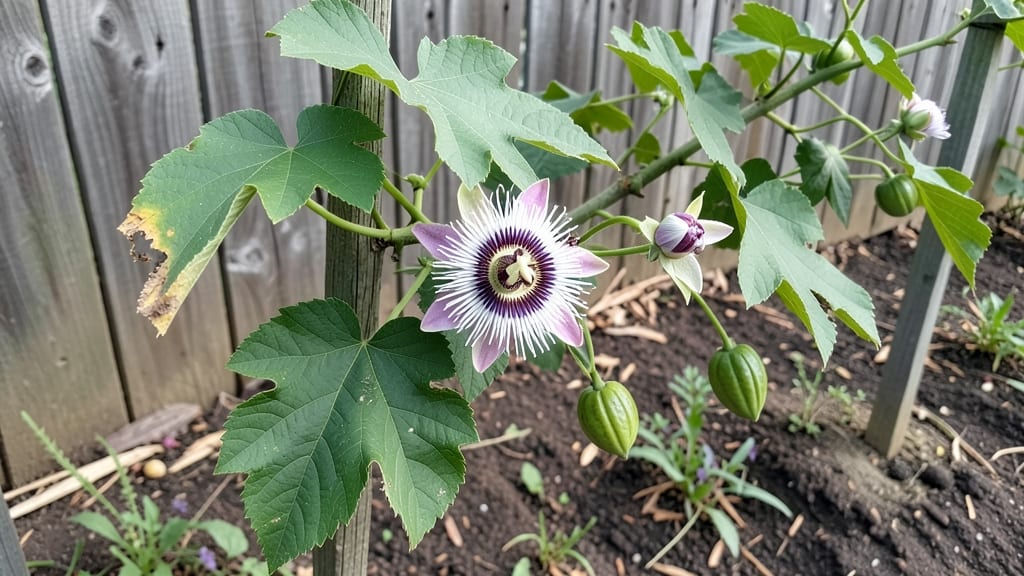
Passiflora's exotic blooms and hummingbird magnet status changed how I garden forever. 🌸 The moment I planted my first passion flower vine, I knew this wasn't just another ornamental—it was a living centerpiece that worked harder than any other plant in my yard.
These tropical vines don't just survive; they thrive, producing year-round blooms that attract pollinators while adding dramatic foliage to any landscape.
Here's the secret: passion flowers love bright, indirect light—think morning sun with afternoon shade—and well-draining soil that mimics their native rainforest habitat. Most varieties handle heat and humidity beautifully, but cooler climates need winter protection.
I've grown them in containers on patios, trained them up trellises, and even let them sprawl across fences—each method works as long as you meet their basic needs.
What you'll get is a low-maintenance vine that rewards patience with vibrant, intricate flowers and a steady stream of hummingbirds. The blooms last just a day, but new ones open constantly, creating a never-ending show.
Pruning keeps them manageable, and with the right care, you'll have lush growth that outshines any other flowering vine in your neighborhood.
Whether you're starting with a single cutting or planning a full vineyard, passion flowers adapt to almost any space. The key is matching your climate to the right variety—from heat-tolerant types to cold-hardy hybrids. Let's get those vines growing and turn your garden into a hummingbird hotspot!
📚 In This Guide
- What you need
- Instructions
- Tips and common mistakes
- Wrapping up and next steps
What you need
- ● Passion flower Passiflora plants: 1–3 Passiflora incarnata (Maypop) or Passiflora caerulea (Blue Passionflower) plants (choose based on your climate zone).
- ○ Optional: Seeds (if starting from scratch—germination can take 30–60 days!).
- ● Well-draining soil: Mix 1 part potting soil with 1 part perlite or sand (for pots) or amend garden beds with compost.
- ● Sunlight access: A spot with 6+ hours of full sun daily (partial shade in hot climates).
- ● Support structure: For vining varieties: A 6–10 ft trellis, arbor, or fence (passion flowers can grow aggressively!).
- ● For compact types: A small stake or cage (e.g., 3–4 ft tall).
- ● Gardening tools: Trowel or shovel (for planting).
- ● Pruning shears (to trim dead vines or encourage blooms).
- ○ Optional: Gloves (passion flowers have mild thorns!).
- ● Watering supplies: Watering can or hose with a gentle spray nozzle.
- ● Pro tip: Drip irrigation helps in dry climates! 💡
- ● Fertilizer: Balanced, slow-release fertilizer (10-10-10) or compost (apply in spring).
- ○ Optional: Hummingbird-friendly, phosphorus-rich fertilizer (to boost blooms).
- ● Mulch: 2–3 inches of organic mulch (e.g., wood chips) to retain moisture and suppress weeds.
Step-by-Step guide to planting and cultivating passion flower (Passiflora)
Here's how to establish a thriving passion flower vine that will attract hummingbirds and bloom prolifically.
🌱 Step 1: Select the Right Location and Prepare the Soil
Passion flowers thrive in full sun to partial shade—at least 6 hours of direct sunlight daily for optimal blooming. Choose a location with a sturdy trellis, fence, or arbor at least 8 feet tall since these vines can grow aggressively. I always test the soil pH first—passiflora prefers slightly acidic to neutral soil (6.0-7.5). Amend heavy clay with 2-3 inches of compost to improve drainage, and mix in a handful of slow-release organic fertilizer into the top 12 inches of soil before planting.
If your soil drains poorly, create a mound or raised bed to prevent root rot. Passion flowers hate soggy feet, so never plant in low-lying areas where water pools. I like to dig a hole twice as wide as the root ball but only as deep—planting too deep can suffocate the crown and cause rot. Loosen the roots gently if they're circling before placing the plant in the hole.
🪴 Step 2: Plant and Provide Immediate Support
Position your passion flower vine near the trellis so the first tendrils can reach it immediately. Backfill the hole with soil, pressing lightly to eliminate air pockets while keeping the crown 1-2 inches above ground level. Water deeply right after planting to settle the soil and encourage root contact. I always add 1 inch of mulch around the base (keeping it away from the stem) to retain moisture and suppress weeds—cypress or pine straw works best because it decomposes slowly.
Attach the main vine to the trellis with soft plant ties or twine as soon as it reaches the structure. Passion flowers are vigorous climbers, but they need guidance early to grow upward rather than sprawling. Here's the thing—if you wait until the vine is established, you'll spend hours untangling it later. Secure the vine every 12-18 inches as it grows to maintain an orderly shape.
☀️ Step 3: Water and Fertilize for Consistent Blooms
Water passion flowers deeply once a week during the first growing season, allowing the top 3-4 inches of soil to dry out between waterings. Overwatering is the fastest way to kill these plants—yellowing leaves or mushy stems are your warning signs. Once established, passion flowers develop deep roots and become quite drought-tolerant, but they'll reward you with more blooms if you maintain consistent moisture during dry spells.
Fertilize lightly every 4-6 weeks during the growing season with a balanced organic fertilizer (10-10-10). I like to use fish emulsion or compost tea for a gentle nutrient boost without burning the roots. Stop fertilizing in late summer to allow the plant to harden off for winter. The key is to avoid heavy feeding—passion flowers bloom best when they're not forced into rapid growth.
✂️ Step 4: Prune for Health and Encourage More Blooms
Prune passion flowers in early spring before new growth begins. Remove any dead, diseased, or crossing branches first, then cut back last year's growth by one-third to encourage bushier, more productive growth. I always make cuts just above a leaf node or bud—this ensures the plant will regenerate quickly. For established vines, you can also trim back leggy growth to redirect energy toward flowering.
After the first flush of blooms in late spring, I give the vine a light haircut by trimming back the longest stems by about half. This prevents the plant from putting all its energy into seed production and encourages a second (or even third) round of flowers. Deadhead spent blooms regularly—this might seem counterintuitive, but removing faded flowers redirects the plant's energy toward producing more buds rather than seeds.
🌿 Step 5: Overwinter and Protect for Year-Round Growth
In colder climates (below 20°F), passion flowers need winter protection. Once temperatures drop below 40°F, I stop watering and allow the plant to go dormant. Wrap the trellis and vine in burlap or frost cloth, and mound 4-6 inches of mulch around the base. For potted passion flowers, move them to a garage or unheated shed where temperatures stay above 30°F. In warmer zones, minimal pruning and continued watering keep the plant blooming year-round.
Real talk: the first winter is always the hardest. If your passion flower dies back completely, don't panic—these plants are tough. New growth will emerge from the roots in spring, and with proper care, you'll have a lush, flowering vine within a season. The key is patience—passion flowers reward long-term commitment with stunning blooms and a steady stream of hummingbird visitors.
Tips & tricks for perfect passion flower cultivation
These insider tips will help you transform your passion flower into a hummingbird haven that blooms reliably year after year.
Sunlight Strategy: The 6 hours of direct sunlight mentioned in Step 1 is non-negotiable for optimal blooming, but here's the thing—morning sun with afternoon shade works best in hot climates. If your vine gets intense afternoon sun, consider a semi-transparent shade cloth during peak hours. I've seen passion flowers in full sun wilt slightly in afternoon heat, but they recover beautifully with this protection.
Soil Preparation Pro Tip: When amending your soil with 2-3 inches of compost and slow-release fertilizer in Step 1, mix in a handful of perlite or coarse sand if you have heavy clay. This improves drainage dramatically without altering the soil structure permanently. I've saved multiple passion flowers from root rot by making this simple adjustment—it's worth the extra 10 minutes of prep time.
Pruning Precision: In Step 4, when you're cutting back last year's growth by one-third, focus on removing the oldest, thickest stems first. These are the ones that produce fewer blooms and take energy away from new growth. I like to use sharp pruning shears and make clean cuts at a 45-degree angle just above a leaf node. This technique encourages faster regrowth and more vigorous new shoots.
Winter Protection Hack: For that 4-6 inches of mulch around the base during winter, I recommend using straw or leaves instead of wood chips. Wood chips can compact and trap moisture against the crown, while straw allows for better air circulation. Plus, straw breaks down more slowly, providing longer-term protection. In colder zones, I even add a layer of bubble wrap around the crown before adding mulch—it creates an extra insulating barrier without looking unnatural.
Pro Tips for Passion Flower Passiflora
- These insider tips will help you transform your passion flower into a hummingbird haven that blooms reliably year after year.
- Sunlight Strategy: The 6 hours of direct sunlight mentioned in Step 1 is non-negotiable for optimal blooming, but here's the thing—morning sun with afternoon shade works best in hot climates.
- Soil Preparation Pro Tip: When amending your soil with 2-3 inches of compost and slow-release fertilizer in Step 1, mix in a handful of perlite or coarse sand if you have heavy clay.
Frequently asked questions
How do I know if my passion flower is getting enough sunlight?
Passion flowers thrive in full sun to partial shade (6+ hours of sunlight daily). If leaves yellow or stems stretch thin, it’s craving more light. In hot climates, morning sun + afternoon shade prevents scorching. Observe your plant—happy blooms mean you’re on the right track!
When is the best time to plant passion flower vines?
Spring or early fall is ideal for planting Passiflora in most climates. In warmer zones (Zones 8-11), plant in late winter to avoid summer heat stress. Cool-season planters? Wait until after the last frost—these vines hate cold soil.
Why aren’t hummingbirds visiting my passion flower?
Hummingbirds love bright colors + nectar-rich flowers. Ensure your plant has open blooms (not all varieties are hummingbird favorites—try Passiflora incarnata or Passiflora caerulea). Add a shallow dish of sugar water (4:1 ratio) as a backup until blooms peak.
Can I grow passion flower in containers? What’s the best setup?
Choose a large pot (15+ gallons) with drainage holes and a fast-draining mix (cactus/succulent soil works). Train vines with a trellis or cage—passion flowers are vigorous climbers. Move containers indoors in winter if temps dip below 20°F.
My passion flower leaves are curling or spotted—what’s wrong?
Curling often signals underwatering or aphids, while spots may mean fungal issues (like powdery mildew). Check soil moisture—it should stay evenly moist but not soggy. Spray leaves with neem oil for pests or prune affected areas to improve airflow.
Still stumped? Drop your question in the comments—we’re happy to help your Passiflora thrive!
Wrapping up and next steps
Transforming your garden into a vibrant, hummingbird-friendly haven is easier than you think with passion flower Passiflora! 🌸 This stunning plant offers year-round blooms, effortless care, and a feast for both pollinators and your eyes.
Whether you're a seasoned gardener or just starting out, its resilience and beauty make it a must-have.
Ready to take the next step? Start by choosing your favorite variety—from trailing vines to compact shrubs—and plant it in a sunny spot. Watch as your garden buzzes with life and color, all while you enjoy the rewards of nurturing this magical plant! 🌿✨