
Flowers
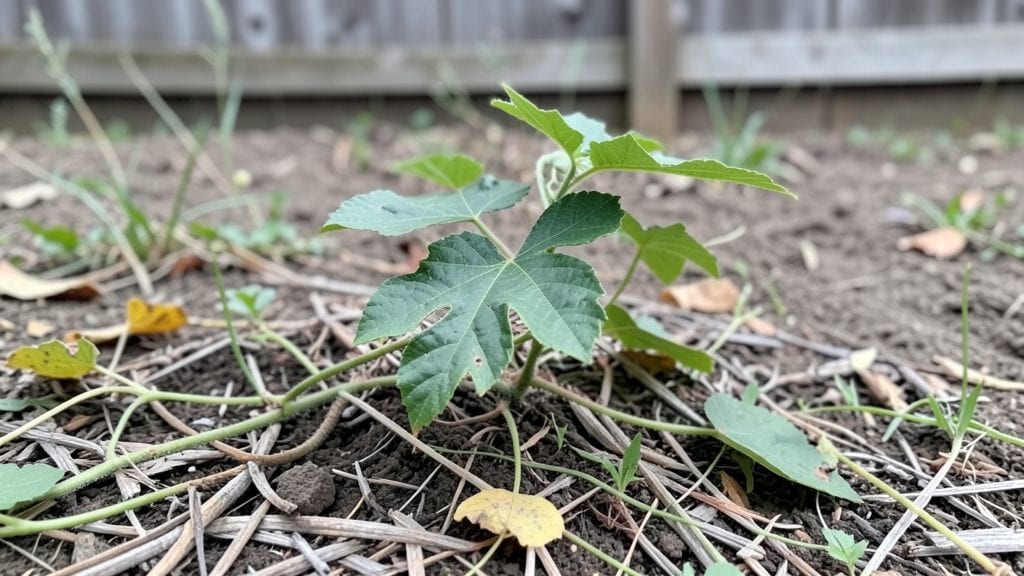
Growing passion flower seedlings starts with a secret weapon: soaked seeds and bottom heat—the combo that turns stubborn seeds into sprouts in just 7-10 days.
I learned this the hard way after watching my first batch sit for three weeks, but once I cracked the code, my vines exploded with growth. The key isn’t just patience—it’s creating the right conditions from day one, where warmth and moisture work together like a well-oiled machine.
You’ll need just three simple supplies: a heat mat (or warm spot near a sunny window), a shallow tray with damp paper towels, and a small pot with well-draining soil.
Passion vines are finicky about soggy roots, so I swear by a mix of 50% potting soil and 50% perlite—it keeps them from rotting while still holding enough moisture. The first leaves might look delicate, but don’t be fooled; these seedlings pack a punch once they hit a trellis.
By week three, you’ll see those signature three-lobed leaves unfurling, a sure sign your seedlings are on track. The vines grow fast—up to 10 feet in a single season—but only if you give them consistent care.
A morning watering routine and a south-facing trellis (or strong fence) will keep them climbing toward sunlight instead of flopping. The real magic happens when those first exotic blooms appear—like tropical jewels dangling from your garden.
This method works for both tropical and temperate varieties, whether you’re in Zone 8 or a warmer climate. The only rule? Don’t rush the germination process—those seeds know exactly when they’re ready to sprout.
Once you’ve got your first healthy vine, you’ll be hooked on growing more, because nothing beats the sight of passion flowers in full bloom.
📚 In This Guide
- What you need
- Instructions
- Tips and common mistakes
- Wrapping up and next steps
What you need
- ● Passion flower seeds: 10–20 seeds (organic, non-GMO preferred for best germination).
- ● Seed-starting mix: 1–2 gallons of well-draining, sterile potting soil (look for a blend with perlite or coconut coir).
- ● Seed trays or small pots: 2–4" deep containers (biodegradable pots are eco-friendly!).
- ● Clear plastic domes or plastic wrap: To create a humidity tent (or a spray bottle if you prefer misting).
- ● Grow lights or sunny windowsill: A south-facing window or LED grow light (12–16 hours/day for seedlings).
- ● Watering can or spray bottle: With a fine mist nozzle (keep soil moist but not soggy!).
- ○ Fertilizer (optional but helpful): A balanced liquid fertilizer (5-5-5 or 10-10-10) diluted to half-strength for seedlings.
- ● Plant labels: To track seed varieties (passion flowers come in many colors!).
- ● Tweezers or toothpick: For gently placing seeds (they’re tiny!).
- ○ Heating mat (optional): 70–80°F for faster germination (especially in cooler climates).
- ● Transplanting tools: Small shovel or spoon for moving seedlings to larger pots.
- ● Pruning shears: For trimming leggy seedlings later.
- ● A warm, bright space (65–85°F is ideal for germination).
- ● Patience! Passion flower seeds can take 2–6 weeks to sprout—consistency is key.
- ● Access to water (lukewarm, filtered if possible).
Step-by-step instructions for growing passion flower seedlings
Here’s how to get your passion flower seeds sprouting quickly and growing into strong, thriving vines.
Soak Seeds for Faster Germination
Passion flower seeds have a tough outer coating that slows germination. Soak them in warm water for 12-24 hours before planting. Place the seeds in a small bowl or jar, cover with water, and let them soak at room temperature. You’ll see the water turn slightly cloudy as the seed coats soften.
After soaking, gently rub the seeds between your fingers to remove any remaining outer layer. This step is crucial—it mimics natural processes that trigger faster sprouting. Once the seeds feel slightly rougher to the touch, they’re ready for planting. Don’t skip this; it cuts germination time in half.
Plant in Well-Draining, Warm Soil
Use a light, well-draining potting mix (avoid heavy garden soil—it holds too much moisture and causes rot). Fill small pots or seed trays with the mix, leaving about ½ inch of space at the top. Press the soil down lightly to create a firm surface, but don’t compact it tightly.
Plant the soaked seeds ¼ inch deep, spacing them 1 inch apart in the pot. Passion flower seedlings are delicate, so handle them carefully—avoid pressing too hard or disturbing the soil around them. Water gently with a spray bottle until the soil is evenly moist but not soggy. Keep the pots in a warm spot (70-80°F) to encourage quick germination.
Maintain High Humidity and Warmth
Cover the pots with clear plastic wrap or a humidity dome to retain moisture and warmth. Passion flower seeds germinate best in consistent humidity, so check daily to ensure the soil stays damp but not waterlogged. Mist the soil lightly if it feels dry to the touch.
Place the pots in a location with indirect light (like a bright windowsill or under a grow light). Direct sunlight can overheat the soil and dry out the seeds. Germination typically takes 7-14 days, but warmth and humidity can speed it up. Once you see the first tiny sprouts, remove the plastic cover immediately to prevent mold.
Provide Support and Gradual Sunlight
When seedlings reach 2-3 inches tall, they’ll need support to climb. Insert small stakes or trellis pieces into the pot near each plant. Passion flowers are vigorous climbers, so early support prevents weak, sprawling growth. Gently tie the stems to the stakes as they grow.
Move the seedlings to a bright, sunny spot (at least 6 hours of direct sunlight daily). Start with partial shade and gradually increase exposure over 5-7 days to avoid leaf scorch. Watch for new leaves—when they appear, your seedlings are ready for slightly more sunlight. Keep the soil consistently moist but not waterlogged during this phase.
Transplant When Strong Enough
Once seedlings have 4-6 true leaves and are at least 4-6 inches tall, they’re ready for transplanting. Choose a well-draining, fertile soil mix and a pot or garden spot with full sun. Dig a hole slightly larger than the seedling’s root ball and place it in, firming the soil gently around the base.
Water deeply after transplanting to help the roots settle. Passion flowers thrive in warm climates but can tolerate cooler temperatures once established. Mulch around the base to retain moisture and protect roots. With proper care, your seedlings will grow into lush, flowering vines in 3-6 months.
Tips & tricks for growing passion flower seedlings
Fast germination is the key to thriving passion flower vines—here's how to give your seedlings the best possible start.
Soaking Strategy: Don't just soak your seeds for the full 12-24 hours if you're eager to see sprouts! Check them after 12 hours—if they've softened noticeably (water turns cloudy), you can plant them right away. The longer they soak, the faster they'll germinate, but don't exceed 24 hours or they may become waterlogged and rot.
Temperature Control: That 70-80°F range is crucial during germination. If your home runs cooler, place the pots on top of your refrigerator or near a sunny window during the day. For extra warmth, you can also use a seedling heat mat set to 75°F—this can cut germination time by nearly half. Just be careful not to overheat, as temperatures above 85°F can actually inhibit sprouting.
Light Transition: When moving seedlings to direct sunlight in Step 4, ease them into it gradually. Start with just 2 hours of direct sun on the first day, then add 1-2 hours each subsequent day. Watch for new leaves—when they appear, your plants are ready for their full 6 hours of sunlight. This slow transition prevents sunburn and helps seedlings develop stronger stems.
Transplanting Timing: Wait until you see those 4-6 true leaves before transplanting—don't rush it! The extra leaves mean stronger roots ready for the move. When transplanting, water thoroughly before and after to reduce shock. I've found that adding a handful of compost to the planting hole gives seedlings an instant nutrient boost to recover from transplant stress.
Pro Tips for Passion Flower Seedling
- Fast germination is the key to thriving passion flower vines—here's how to give your seedlings the best possible start.
- Soaking Strategy: Don't just soak your seeds for the full 12-24 hours if you're eager to see sprouts!
- Temperature Control: That 70-80°F range is crucial during germination.
Frequently asked questions
Got questions about growing passion flower seedlings?
Here are answers to the most common ones—so you can skip the guesswork and get straight to thriving vines!
How long does it take for passion flower seeds to germinate?
With the right tricks (like soaking seeds overnight or using a heat mat), germination usually takes 7–21 days. If you’re patient, some seeds may take up to 30 days—but don’t give up! Slow starters often catch up once sprouted.
Can I grow passion flower from store-bought passion fruit?
Yes, but it’s hit-or-miss! Store-bought passion fruit seeds are often hybridized for flavor, not germination. Try soaking them in warm water for 24 hours, then plant them in moist soil. For better odds, source seeds from Passiflora edulis or other ornamental varieties.
Why aren’t my passion flower seeds sprouting?
Common culprits: cold soil (they need warmth, ideally 70–85°F), dry conditions, or old seeds. Try these fixes:
Nope! Start with bright, indirect light (like a south-facing window) to avoid shocking tender sprouts. Once seedlings have 2–3 true leaves (not just cotyledons), gradually introduce 4–6 hours of direct sun daily. Too much sun too soon = crispy seedlings. Use a light, well-draining mix like:
Passion vines hate soggy roots—ensure pots have drainage holes! Wait until nighttime temps stay above 55°F (usually after last frost) and seedlings are 3–4 inches tall. Harden them off by placing outside for 1–2 hours daily over 7–10 days. Choose a sheltered spot to protect young vines from wind.
Do passion flower seedlings need full sun right away?
What’s the best soil mix for passion flower seedlings?
Can I transplant passion flower seedlings outside too soon?
Wrapping up and next steps
Growing passion flower seedlings from seed is a rewarding journey that combines patience with a few clever tricks! With the right soil, warmth, and a dash of creativity (like the paper towel method or chia gel), you’ll soon be watching those vines climb toward the sky. 🌱✨
Now that you’re armed with tips to speed up germination, it’s time to roll up your sleeves and give it a try. Start with just a few seeds, experiment with the techniques that excite you, and enjoy the process—your future passionflower vines will thank you! Happy growing!