Blooming
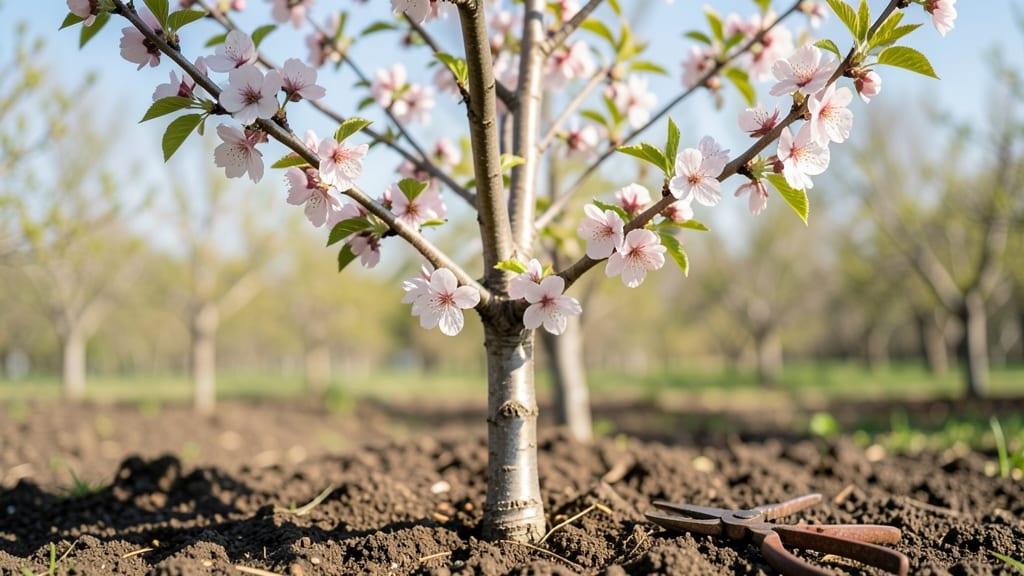
There’s nothing like the soft pink explosion of peach blossom flowers lighting up Pacific Northwest springs—fragile petals that smell like sunshine and promise summer fruit. 🌸 I’ve spent years arranging gardens where these delicate blooms steal the show, and the secret isn’t just planting them—it’s staging them against the right backdrop.
Their pale pink and white hues glow best when paired with dark evergreens or deep purple spring bulbs like grape hyacinths. Plant them near patios or walkways where you’ll linger, and add cherry blossoms for a layered, dreamy effect.
The fragrance alone—sweet, honeyed, and fleeting—makes every morning walk feel like a celebration.
You’ll create a romantic, high-impact corner that transforms from winter’s drabness to spring’s most fragrant spectacle. The key? Group them in odd-numbered clusters (3, 5, or 7 trees) for natural movement, and let their branches arch over pathways.
By late spring, the blossoms fade into lush foliage—and then, the peaches arrive.
Perfect for small urban yards or sprawling rural gardens, this approach works anywhere rain shadows fall. The Pacific Northwest’s mild climate keeps them blooming longer than most varieties, so you’ll have weeks to enjoy their magic before the fruit sets in. Let’s design your blossom haven!
📚 In This Guide
- What you need
- Instructions
- Tips and common mistakes
- Wrapping up and next steps
What you need
- ● Peach tree (Prunus persica): 1–3 dwarf or semi-dwarf varieties (e.g., ‘Bonanza,’ ‘Redhaven,’ or ‘Elberta’—check local PNW nurseries for cold-hardy options!)
- ● Size: 1–3 gallon container or bare-root (for spring planting).
- ● Planting site: Full sun (6+ hours/day).
- ● Well-draining soil (amend with compost if clay-heavy).
- ● Sheltered from strong winds (PNW’s gusts can damage blossoms!).
- ● Tools: Shovel or trowel
- ● Garden gloves
- ● Mulch (wood chips or straw, 2–3 inches)
- ● Organic fertilizer (balanced 10-10-10 or compost tea)
- ● Peach pits: 5–10 (from organic, non-hybrid fruit).
- ● Stratification supplies: Paper towels or moist sand
- ● Plastic bag or container
- ● Refrigerator (for 6–8 weeks cold treatment).
- ● Seed-starting mix: 1 bag (sterile, peat-free blend).
- ● Grow lights or sunny windowsill (for seedlings).
- ● Fresh blooms: 1–2 stems (or a small bouquet for arrangements).
- ● Preservation: Floral preservative (e.g., Floralife)
- ● Vase or jar
- ● Scissors (clean, sharp)
- ● DIY projects: Dried flower petals (for potpourri or crafts)
- ● Herbal tea blends (petals + chamomile)
How to cultivate peach blossoms for a Pacific Northwest garden
Here's how to coax those iconic pink blooms into your garden—where timing and location make all the difference.
🌱 Step 1: Select the Right Peach Cultivar for Your Climate
Not all peaches thrive in the Pacific Northwest's cool, wet springs. Choose low-chill varieties like 'Redhaven' or 'Elberta' that tolerate 300-500 chill hours (below 45°F). Dwarf rootstocks like 'Lovell' work well in containers or small spaces, producing 4-5 blossom clusters per tree by year three.
Site selection matters most here. Peaches need full sun (6+ hours daily) and protection from winter winds. In the PNW, plant against a south-facing wall or fence—it adds 10-15°F warmth during frosts. Avoid low spots where cold air pools; you'll see blossoms blacken overnight if temps drop below 28°F.
☀️ Step 2: Time Planting and Pruning for Optimal Blooming
Plant bare-root trees in late winter (February-March) when soil is workable but still cool. This gives roots time to establish before spring growth begins. For container-grown trees, plant anytime the ground isn't frozen. Amend native soil with 2 inches of compost and a handful of bone meal to encourage early root development.
Prune in late winter before buds swell—this is critical. Remove dead, crossing, or inward-growing branches first. Then open the center of the tree by cutting back 1/3 of the oldest branches to improve airflow. You'll see more abundant blossoms next spring because light penetrates deeper into the canopy.
💧 Step 3: Manage Water and Fertilizer for Fragrant Blooms
Water deeply once weekly during the first growing season, aiming for 1-1.5 inches per week. In the PNW's rainy climate, you'll need to monitor soil moisture—too much water drowns roots, while too little stresses the tree. Mulch with 3 inches of wood chips to retain moisture and regulate soil temperature.
Fertilize in early spring (March) with 10-10-10 fertilizer at 1/2 pound per 100 square feet. Avoid high-nitrogen fertilizers after June 1st—they promote leafy growth at the expense of next year's blossoms. You'll notice larger, more fragrant blooms when the tree receives balanced nutrients during dormancy.
✂️ Step 4: Protect Blooms from Late Frosts and Pests
Cover blossoms with frost cloth when nighttime temps drop below 32°F—this is especially critical in the PNW's unpredictable spring. Remove covers by 10 AM to let pollinators access the flowers. You'll see healthier fruit set because bees can work the blossoms without chilling stress.
Monitor for peach tree borers and aphids, which thrive in the PNW's damp climate. Apply neem oil spray in early May as a preventive measure. Prune out infested branches immediately—you'll recognize damage by sawdust-like frass around branch cracks or curled, sticky leaves.
⏰ Step 5: Maintain Through Summer for Next Year's Display
Thin fruit to 6-8 inches apart when peaches are 1 inch in diameter. This ensures larger, higher-quality fruit and reduces stress on the tree. You'll see more blossom buds form next spring because the tree isn't overburdened with fruit.
Apply a second fertilizer application in July with 5-10-10 to replenish nutrients. Avoid heavy pruning after August 1st—new growth won't harden off before winter. In October, spread 4 inches of mulch to insulate roots from freeze-thaw cycles common in PNW winters.
Tips & tricks for cultivating perfect peach blossoms
Timing and location are everything when growing peach blossoms in the Pacific Northwest—these tips will help you avoid common pitfalls and maximize your fragrant spring display.
Climate-Specific Variety Selection: The 300-500 chill hours requirement is non-negotiable for PNW success. If you're in cooler microclimates (like the Willamette Valley), consider 'Springcrest' or 'Springtime' varieties that need even fewer chill hours. For coastal areas where winters are milder, these varieties will produce more reliable blossoms each year.
Microclimate Mastery: That 10-15°F warmth boost from a south-facing wall isn't just helpful—it's essential. If you can't plant against a wall, create a similar effect by using black landscape fabric or dark mulch around the base of your tree. This simple trick can make the difference between blossoms that survive and ones that blacken overnight when temps dip below 28°F.
Pruning Precision: When you're cutting back 1/3 of the oldest branches in late winter, focus on removing branches that are thicker than a pencil. These larger branches compete with new growth for nutrients that could be going toward blossoms. You'll notice a dramatic increase in blossom clusters next spring when you prioritize removing these thick branches.
Frost Protection Strategy: For that critical 32°F threshold, consider installing a small fan near your tree during frost warnings. The gentle airflow disrupts the still air that allows frost to form, potentially saving your blossoms. Pair this with your frost cloth for maximum protection—you'll see healthier fruit set when you combine these two methods during unpredictable PNW springs.
Pro Tips for Peach Blossom Flower
- Timing and location are everything when growing peach blossoms in the Pacific Northwest—these tips will help you avoid common pitfalls and maximize your fragrant spring display.
- Climate-Specific Variety Selection: The 300-500 chill hours requirement is non-negotiable for PNW success.
- Microclimate Mastery: That 10-15°F warmth boost from a south-facing wall isn't just helpful—it's essential.
Frequently asked questions
When is the best time to plant peach blossom trees in the PNW?
Plant peach blossom trees in early spring (March–April) or early fall (September–October) for best results. The PNW’s mild winters and wet springs mean avoiding late fall planting, as frost can stress young roots. Choose a spot with full sun and well-draining soil to mimic their native habitat.
How long do peach blossoms last, and why do mine drop so fast?
Peach blossoms typically bloom for 1–2 weeks in spring, but their fleeting beauty is natural! Early drops may signal pests, disease, or environmental stress (e.g., heavy rain or wind). Ensure your tree gets consistent water and a nutrient boost before blooming season to support longevity.
Can I grow peach blossoms in containers, or do they need a yard?
Yes! Dwarf peach varieties (like ‘Bonanza’ or ‘Redhaven’) thrive in large containers (20+ gallons) with well-draining soil. Use fast-draining blends and repot every 2–3 years. Containers dry out faster—water deeply 2–3 times/week in summer. Just ensure the pot gets full sun and winter protection (move indoors or mulch heavily).
Are peach blossoms toxic to pets or children?
Peach blossoms and leaves are non-toxic to pets and kids, but the pits (seeds) contain cyanogenic glycosides—dangerous if ingested in large quantities. Keep fallen blossoms and fruit pits out of reach. Always supervise pets near trees, and compost blossoms safely (avoid mulching directly under pet areas).
How do I protect peach blossoms from PNW rain and wind?
The PNW’s wet springs can ruin blossoms with rot or fungal diseases. Use these tips:
- Stake young trees to prevent wind damage.
- Apply fungicide before blooming if your area has high humidity.
- Choose rain-resistant varieties like ‘Elberta’ or ‘Sanguinole’.
- Mulch 3–4 inches deep to keep roots dry and stable.
Wrapping up and next steps
The peach blossom flower isn’t just a fleeting spring beauty—it’s a symbol of resilience, fragrance, and the Pacific Northwest’s unique charm. Whether you’re planting for pollinators, admiring its delicate blooms, or dreaming of future peach harvests, these flowers bring joy and purpose to your garden. 🌸
Ready to embrace the magic? Start small—plant a single tree or a few shrubs—and watch your garden transform into a fragrant haven. Next, share your progress with fellow gardeners or explore local nurseries for more PNW-friendly blooms!