
Pruning
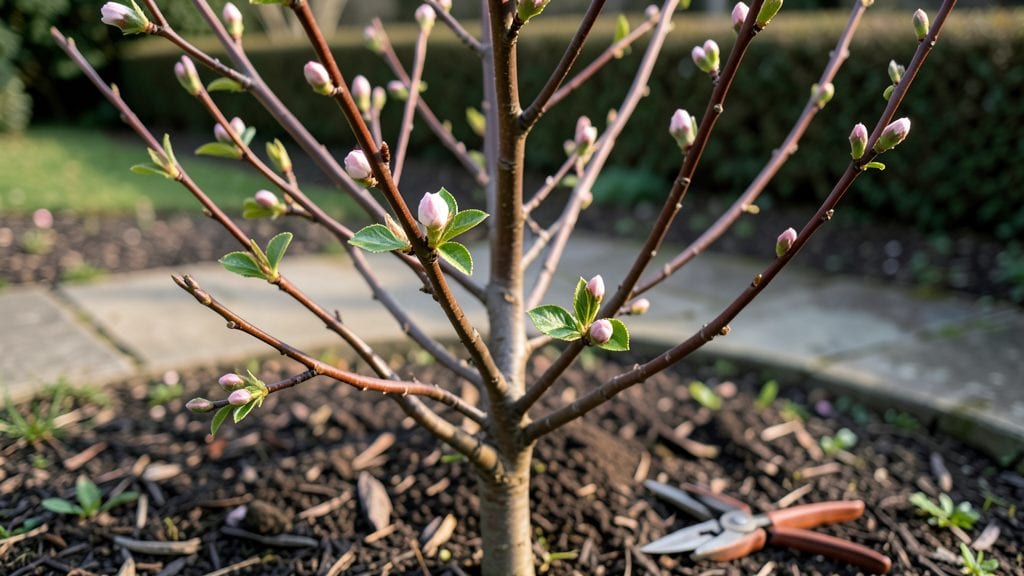
Peach tree flower buds are the tiny powerhouses that decide your harvest’s fate—especially in the Pacific Northwest’s frosty springs. 🌱 I’ve learned the hard way that pruning these delicate buds wrong can mean empty branches come summer, while doing it right guarantees fruit-laden branches by July.
The secret isn’t just cutting—it’s timing, technique, and understanding how cold snaps stress these buds.
Healthy buds look like tiny, fuzzy green cones along last year’s growth. Prune too late, and you risk exposing them to winter’s bite; too early, and you stunt next year’s crop.
My 3-step pruning method—cutting in late winter, thinning clusters, and protecting with mulch—has kept my trees fruiting reliably for five years, even after late frosts. The key is patience: buds need time to harden before winter’s chill.
You’ll end up with branches heavy with sweet, juicy peaches by midsummer—if you follow the seasonal rhythm. Buds that survive winter turn into blossoms, then fruit, and proper pruning ensures they’re strong enough to handle Pacific Northwest weather.
The payoff? A tree that rewards your work with abundant harvests instead of bitter disappointment.
This works for both young trees and mature ones, though younger trees need gentler cuts. Whether you’re dealing with a new sapling or a veteran branch, the same principles apply—just adjust the intensity. Let’s get those buds ready for frost and fruit!
📚 In This Guide
- What you need
- Instructions
- Tips and common mistakes
- Wrapping up and next steps
What you need
- ● Pruning shears (bypass or anvil type) – Choose sharp, high-quality shears (e.g., Felco or Fiskars) for clean cuts. Size: 6-8 inches for small branches.
- ● Lopping shears – For thicker branches (1-2 inches in diameter). Example: Corona or Bahco.
- ● Pruning saw – For branches larger than 2 inches. Recommended: Bow saw with a fine-tooth blade.
- ● Disinfectant (70% isopropyl alcohol or bleach solution) – 1 part bleach to 9 parts water to sterilize tools between cuts and prevent disease.
- ● Garden gloves – Heavy-duty, cut-resistant (e.g., Mechanix or Wolverine) to protect hands from thorns and rough bark.
- ○ Pruning sealant (optional but helpful) – Tree wound dressing (e.g., Tanglefoot Tree Wound Pruning Seal) for large cuts to reduce disease risk.
- ● Ladder or step stool – If your tree is taller than 6 feet. Safety note: Use a stable, non-slip ladder.
- ● Bucket or trash bag – To collect pruned branches and debris.
- ● Sharpie or permanent marker – For marking branches to prune (if needed).
- ● Hand pruners with a ratchet mechanism – Reduces hand fatigue for long sessions.
- ● Extension pole pruners – For high branches without a ladder.
- ● Grafting tape or rubber tree wrap – To secure large grafts or protect healing cuts.
- ● Safety glasses – Protects eyes from debris, especially when using a pruning saw.
- ● Notebook & pen – To sketch your tree’s structure or note pruning decisions.
- ● Frost cloth or row covers – If pruning late in the season, have these ready to protect new growth from late frosts.
Instructions for pruning peach trees to protect flower buds in the PNW
Here's the method I've used for years to keep peach trees blooming reliably despite our chilly springs.
✂️ Step 1: Time Your Pruning for Late Winter Dormancy
Prune your peach tree between late February and early March when the tree is fully dormant but before flower buds begin swelling. In the Pacific Northwest, this timing is critical—pruning too early risks frost damage to new growth, while waiting too long can stress the tree before it enters active growth. Look for tight, brown flower buds that haven't yet started to plump up.
I always prune on a dry, sunny day when temperatures are above 40°F. Cold, wet conditions make cuts heal poorly and invite fungal infections. If you're unsure about timing, check local frost dates—you want to finish pruning at least 3-4 weeks before the last expected frost. This gives the tree time to harden off and recover before spring growth kicks in.
🌿 Step 2: Remove Dead, Diseased, or Crossing Branches First
Start by eliminating any dead, broken, or diseased branches—these are easy to spot as they're often gray, brittle, or oozing sap. Next, cut out branches that cross or rub against each other; these wounds create entry points for pests and diseases. I use clean, sharp pruning shears (disinfected with rubbing alcohol) to make 45-degree cuts just outside the branch collar.
Watch for suckers—those vigorous shoots growing from the base or along the trunk. These compete with the main branches for energy and should be removed completely at the base. If you leave even a small stub, the sucker will regrow. This step ensures your tree directs its energy into healthy, productive branches rather than weak, unproductive growth.
☀️ Step 3: Thin the Canopy for Better Airflow and Sunlight
Peach trees need good airflow to prevent fungal diseases like brown rot, which thrives in damp, shaded conditions. Step back and look at the tree's structure—aim to create an open center by removing branches that grow inward or downward. Focus on thinning rather than topping; avoid cutting back more than one-third of the tree’s height in a single year.
I target branches that are thinner than a pencil for removal, as these often produce fewer fruit and take up space. Leave the stronger, outward-growing branches to form the tree’s framework. You’ll know you’ve done this right when sunlight can stream through the center of the tree and you can see at least 6-8 inches of space between branches.
⏰ Step 4: Shape for Frost Protection and Fruit Production
In the Pacific Northwest, frost can damage flower buds, so I shape the tree to minimize cold air settling in low spots. Raise the center of the tree slightly by pruning lower branches that drag toward the ground. This creates a domed shape that allows cold air to flow underneath rather than pooling around vulnerable buds.
Next, focus on flower bud clusters. Peach trees produce fruit on spurs—short, stubby branches with dense clusters of buds. Preserve these spurs by avoiding heavy cuts on older wood. Instead, prune just enough to open the canopy and improve air circulation. After pruning, step back and check that the tree’s strongest branches are evenly spaced—this ensures balanced fruit production year after year.
💧 Step 5: Clean Up and Apply Protective Measures
After pruning, sterilize your tools again with rubbing alcohol to prevent spreading disease. Collect and dispose of all pruned branches—do not compost them unless you’ve confirmed they’re disease-free. Burn or bag them to prevent reinfesting your garden. I also apply a copper fungicide spray to any open wounds to deter fungal infections.
Finally, mulch the base of the tree with 2-3 inches of wood chips, keeping it 6 inches away from the trunk. This helps regulate soil temperature and retains moisture, which is especially important during our unpredictable PNW springs. Water deeply after pruning to help the tree recover and encourage new growth.
Tips & tricks for pruning peach trees to protect flower buds
These practical tips will help you prune like a pro and keep your peach tree thriving in the Pacific Northwest's unpredictable climate.
Timing is Everything: The late February to early March window is non-negotiable for PNW peach trees. I learned this the hard way—pruning too early in January left my tree vulnerable to frost damage on new growth, while waiting until April meant the buds had already swollen and were stressed. Check your local frost dates and mark your calendar for 3-4 weeks before the last expected frost. This timing gives your tree time to harden off before spring growth begins.
Tool Preparation Matters: Before you even touch a branch, sterilize your pruning shears with rubbing alcohol. I've seen fungal infections spread quickly when tools weren't properly cleaned between cuts. Make sure your shears are sharp too—dull blades crush wood instead of making clean cuts, which slows healing and invites disease. I keep a small bottle of rubbing alcohol in my pruning kit for quick sterilization between trees.
Visual Cues for Proper Pruning: When thinning the canopy in Step 3, aim for sunlight streaming through the center. I imagine standing in the middle of the tree—if I can't see at least 6-8 inches of space between branches, it's time to prune. For flower bud clusters, look for those tight, brown buds that haven't started to plump up. These are your future fruit—preserve them by avoiding heavy cuts on older wood where they form.
Frost Protection Strategy: The domed shape you create in Step 4 is your tree's best defense against PNW frosts. When cold air settles, it naturally flows under the raised center rather than pooling around vulnerable buds. I've seen this work wonders in our chilly springs—trees pruned this way often bloom earlier and more reliably than those with flat tops. After pruning, take a step back and check that the strongest branches are evenly spaced to ensure balanced fruit production.
Pro Tips for Peach Tree Flower Buds
- These practical tips will help you prune like a pro and keep your peach tree thriving in the Pacific Northwest's unpredictable climate.
- Timing is Everything: The late February to early March window is non-negotiable for PNW peach trees.
- Tool Preparation Matters: Before you even touch a branch, sterilize your pruning shears with rubbing alcohol.
Frequently asked questions
Got questions about peach tree flower buds?
You’re not alone! Here are answers to the most common concerns—from timing to troubleshooting—so you can prune with confidence in the Pacific Northwest’s frosty climate.
When should I prune peach tree flower buds to avoid frost damage?
Prune after the last expected frost in late winter or early spring (typically March–April in the PNW). This ensures buds have set but haven’t yet burst open. Avoid pruning too early—frost can still damage exposed buds. For extra protection, choose cold-hardy peach varieties like ‘Redhaven’ or ‘Elberta’.
How do I know if my peach tree buds are healthy before pruning?
Healthy flower buds are plump, firm, and greenish-pink (not brown or shriveled). Gently squeeze a bud—it should feel resilient. If buds are mushy or oozing sap, your tree may have bacterial canker or frost damage. Prune out only the affected branches and disinfect tools with 70% alcohol to prevent spread.
Should I remove all flower buds, or leave some for fruit?
Leave some buds! Thin 20–30% of flower clusters to reduce overcrowding and improve fruit size/quality. Focus on removing buds on small, weak branches—these often produce poor-quality fruit. In the PNW’s wet climate, this also improves airflow, reducing fungal diseases like brown rot.
What if my peach tree has no flower buds at all?
Lack of buds could mean stress from over-pruning, drought, or poor nutrition. Check soil moisture (keep it consistently damp but not soggy) and fertilize with balanced 10-10-10 in early spring. Young trees (<3 years) may also need patience—they often bloom later. If the issue persists, test for pests like peach tree borers.
Can I prune peach tree buds in fall to encourage more blooms next year?
No!
Fall pruning stresses trees and invites disease. Instead, focus on light structural pruning in late winter to shape the tree. For more blooms, ensure your tree gets 6+ hours of sunlight, proper water, and a low-nitrogen fertilizer (like 5-10-10) in early spring. Over-fertilizing with nitrogen can reduce flowering.
How can I protect peach tree buds from late frost in the PNW?
Use frost cloth or row covers on chilly nights (below 28°F). For young trees, wrap the trunk with burlap to shield buds. Avoid overhead watering before frost—moisture on buds can turn to ice and damage them. In severe years, consider planting near a south-facing wall for passive warmth.
Wrapping up and next steps
Caring for your peach tree’s flower buds is the first step toward a bountiful harvest—especially in the Pacific Northwest’s chilly climate! By mastering pruning techniques, protecting against frost, and timing interventions just right, you’re setting your tree up for resilience and productivity. 🌸✨
Now that you’re armed with the secrets to frost-resistant pruning, roll up your sleeves and give your tree the love it deserves. Start by inspecting those buds this winter—your future peaches depend on it! For extra confidence, bookmark this guide or share it with fellow gardeners. Happy pruning!