
Shrubs
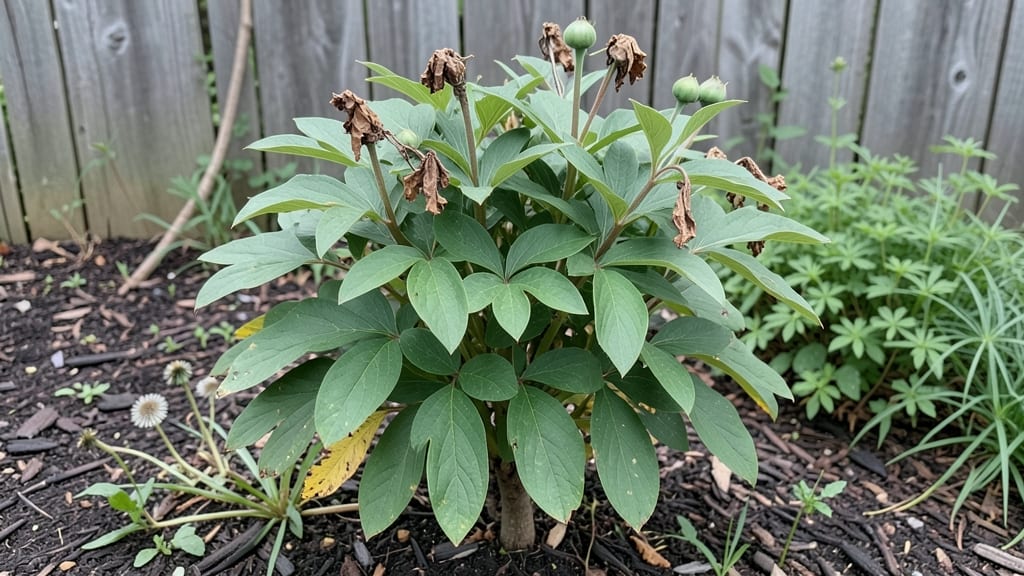
Peony care after flowering isn’t just about cleaning up—it’s the secret to next year’s showstopping blooms. 🌸 I’ve watched peonies go from lush, heavy-headed beauties to sad, spindly sticks after just one season of neglect.
The key? Timing, technique, and a little patience. Skip the pruning, and you’ll end up with weak stems and fewer flowers. Do it right, and you’ll have a bush bursting with blooms for decades.
First, deadhead only after the petals fully fade—never cut green buds. Then, wait until late fall to prune, when the foliage yellows naturally. This gives the plant time to store energy for next spring.
A sharp pair of pruners and a clean cut at the base of last year’s growth is all you need. No fancy tools, just precision. The goal? Remove dead stems while leaving the roots undisturbed so they can recharge.
You’ll notice a difference immediately: next year’s stems emerge stronger, and the blooms arrive earlier. The roots stay healthy, the plant resists disease better, and you avoid the heartbreak of flopping stems.
Think of it like giving your peony a spa day—after the big show, it needs time to recover before the next performance.
For winter prep, mulch lightly around the base (2-3 inches) to protect roots from freeze-thaw cycles. This simple step keeps the soil insulated and the plant stress-free. With these habits, your peonies will reward you with bold, abundant blooms for years to come—no shortcuts needed.
📚 In This Guide
- What you need
- Instructions
- Tips and common mistakes
- Wrapping up and next steps
What you need
- ● Pruning shears or loppers – Sharp, clean, and sterilized (7–10" blades for thick stems). Pro tip: Disinfect with rubbing alcohol between cuts to prevent disease! 💡
- ● Gloves – Heavy-duty gardening gloves (thick leather or nitrile-coated) to protect against thorns and sap.
- ● Compost or well-aged manure – 2–3 gallons per plant (rich in organic matter for nutrient replenishment).
- ● Balanced fertilizer (10-10-10 or 5-10-10) – 1–2 tbsp per plant (low nitrogen to avoid leafy growth over blooms).
- ● Mulch (straw, shredded bark, or pine needles) – 2–3 inches thick to retain moisture and suppress weeds.
- ● Watering can or hose with a gentle spray nozzle – For deep, slow watering (1–2 gallons per plant post-pruning).
- ● Pruning sealant – For large cuts (1/4" diameter or wider) to prevent pest entry.
- ● Fungicide (copper-based or neem oil) – If your peonies are prone to botrytis or powdery mildew.
- ● Plant supports (stakes or cages) – If your peonies are top-heavy or flop over after rain.
- ● Garden twine – For securing stems to supports if needed.
- ● Soil test kit – To check pH (ideal range: 6.0–7.0) before amending soil.
Step-by-step instructions for peony care after flowering
Here’s how to keep your peonies thriving after their summer show—no guesswork, just proven pruning techniques.
✂️ Step 1: Wait Until Flowers Fully Fade
Hold off on cutting anything until the blooms turn completely brown and the foliage starts yellowing naturally. This ensures the plant redirects energy to next year’s buds stored in the roots. I always wait until late September or early October in my zone 5 garden—this timing varies slightly by climate.
If you cut back too soon, you risk removing next year’s flower buds before they’ve fully developed. Watch for the foliage to collapse on its own; that’s your cue. Don’t worry about leaving dead blooms—they’ll dry and add winter interest to your garden.
✂️ Step 2: Cut Back Dead Foliage to 2 Inches
Once the foliage is completely brown and crispy, use clean, sharp pruners to trim everything back to about 2 inches above the ground. This prevents fungal diseases from overwintering in old stems. I like to make clean cuts at a 45-degree angle to avoid tearing the stems.
Don’t remove any green leaves—these are still photosynthesizing and feeding the roots. Only cut back the completely dead parts. If you’re unsure whether a stem is dead, give it a gentle tug; if it pulls away easily, it’s ready to go.
🌱 Step 3: Remove and Dispose of All Debris
Gather all the cut foliage and place it in a sealed bag or compost bin. Peony foliage can harbor fungal spores like botrytis, which can reinfect next year’s growth. I always double-bag the debris and leave it in the sun for a few days to dry out before composting.
Never leave old stems or leaves on the ground around your peonies. This simple step drastically reduces the risk of disease. If you’re dealing with a heavily infected plant, consider burning the debris instead of composting.
💧 Step 4: Apply a Light Mulch Layer
Spread a 2-3 inch layer of organic mulch around the base of your peonies, keeping it a few inches away from the crown. I use shredded bark or straw because they improve soil moisture while allowing air circulation. Avoid thick mulch piles that can suffocate the plant.
This mulch layer protects the roots from extreme temperature swings and conserves moisture. In colder climates, you might want to add an extra layer of mulch in late fall. Just be sure not to mound mulch directly against the crown—this can cause rot.
☀️ Step 5: Monitor for Winter Protection Needs
In zones with harsh winters (zone 3 or colder), consider adding a protective layer of evergreen boughs or a thick layer of leaves over the mulch. This extra insulation helps prevent crown heave, where freeze-thaw cycles push the crown out of the soil.
In milder climates, your peonies should be fine with just the mulch. Check on them during unexpected late frosts. If the ground freezes and thaws repeatedly, the roots can get damaged. A little extra care now means bigger, healthier blooms next spring.
Tips & tricks for perfect peony care after flowering
Here's what nobody tells you about keeping your peonies happy for next year's spectacular blooms.
Timing is Everything: I can't stress this enough—waiting until foliage is completely brown and crispy before cutting is absolutely critical. The plant needs to redirect all its energy to the roots where next year's buds are forming. If you cut too early, you're basically pruning away next year's flowers before they even have a chance to develop. Trust me on this: patience pays off with bigger, healthier blooms the following season.
The 45-Degree Angle Trick: When you're cutting back those dead stems in Step 2, make sure your pruners are angled at 45 degrees. This creates a larger surface area for water to enter the stem, which helps prevent fungal infections. I've seen so many gardeners make straight cuts, and those are more prone to water pooling and disease. It's a small detail that makes a big difference in plant health.
Disease Prevention Strategy: Double-bagging your pruned debris is one of the best ways to prevent fungal spores from reinfecting your garden. I learned this the hard way after dealing with botrytis issues for years. The sun-drying step is crucial—it kills any remaining spores before they can spread. If you're dealing with a heavily infected plant, don't even think about composting that debris. Burning is the safest option in those cases.
Mulch Placement Matters: When you spread that 2-3 inch layer of mulch in Step 4, keep it a few inches away from the crown. I've seen so many gardeners make the mistake of piling mulch right against the base, which can cause rot. The mulch should protect the roots while allowing air to circulate around the crown. In colder zones, you can add extra insulation, but always keep that crown area clear.
Pro Tips for Peony Care After Flowering
- Here's what nobody tells you about keeping your peonies happy for next year's spectacular blooms.
- Timing is Everything: I can't stress this enough—waiting until foliage is completely brown and crispy before cutting is absolutely critical.
- The 45-Degree Angle Trick: When you're cutting back those dead stems in Step 2, make sure your pruners are angled at 45 degrees.
Frequently asked questions
Got questions about peony care after flowering? You’re not alone!
Whether you're a new gardener or just want to refine your skills, these answers will help you keep your peonies thriving for years to come.
When is the best time to prune peonies after they’ve finished blooming?
Wait until late summer or early fall—after the foliage starts turning yellow or brown (usually August to October). Pruning too early can remove next year’s flower buds, which form on last year’s stems. Just trim back the dead or dying foliage to about 2 inches above the ground for a clean look.
Should I cut peonies back all the way to the ground?
No! Cutting them too aggressively can harm the plant. Leave about 2–3 inches of stems above the soil to protect the dormant buds. Over-pruning can weaken the plant and reduce blooms next season. Think of it like giving your peonies a light haircut—not a buzz cut!
What should I do if my peonies don’t bloom after flowering?
Several factors could be at play: over-pruning, poor sunlight, or crowded roots. First, check if your peonies get at least 6–8 hours of sun daily. If they’re older, they might need dividing every 5–7 years to rejuvenate. Avoid heavy fertilizers—peonies thrive with low-nitrogen food.
Do I need to fertilize peonies after flowering?
Peonies are low-maintenance and rarely need fertilizer. If your soil is poor, apply a balanced, slow-release 10-10-10 fertilizer in early spring (not fall). Over-fertilizing can lead to leafy growth but fewer blooms. A light mulch of compost in spring is often enough to keep them happy!
Can I divide my peonies after they’ve finished blooming?
Yes! Late summer or early fall is the ideal time to divide peonies if they’re overcrowded (5+ years old). Dig up the clump, separate into sections with 3–5 eyes (buds) per division, and replant immediately. Water well and avoid fertilizing until the following spring to reduce stress.
Wrapping up and next steps
Caring for your peonies after they flower isn’t just about maintenance—it’s an investment in next year’s stunning blooms. By pruning wisely, keeping the soil healthy, and protecting your plants through winter, you’ll set the stage for vibrant, long-lasting peonies that steal the show season after season. 🌸
Ready to put your newfound knowledge into action? Grab your pruners, check your garden’s needs, and give your peonies the love they deserve—your future garden will thank you!