Shrubs
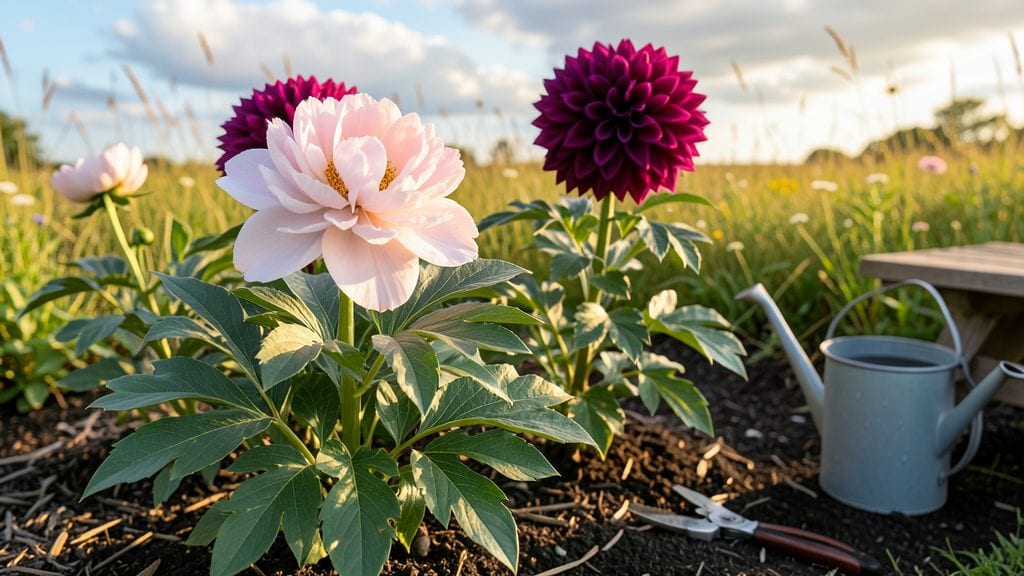
Those peony flowering dahlias—where romance meets resilience—are the showstoppers of my garden, blooming later than regular dahlias but putting on a display that lasts from midsummer until frost. 🌸 The secret lies in their cold-hardy roots and the way they combine peony-like substance with dahlia drama, thriving where tender varieties would collapse.
I’ve grown them in Zone 4 for five seasons now, and they’ve never failed to deliver those velvety, layered blooms that look like they’re straight out of a floral still life.
You’ll need full sun (at least six hours daily) and rich, well-draining soil—think compost-amended loam with a touch of sand if your clay is heavy. These dahlias aren’t fussy about soil pH but demand consistent moisture, especially during their first year. The real trick?
Planting tuberous roots in early spring (after the last frost) at a depth of 4-6 inches, with the eyes facing upward. Mulch heavily in fall to protect those peony-like roots from freeze-thaw cycles, and you’ll get blooms that outlast most annuals.
By midsummer, you’ll be rewarded with bold, dinner-plate blooms in every color except true blue, each one lasting 10-14 days on the stem. The foliage stays lush and disease-resistant, and they rebloom better than standard dahlias if you deadhead spent blooms regularly.
Even in my short growing season, I’ve seen second flushes in late August—proof that these aren’t just pretty faces but tough performers.
They do need winter protection—lift and store tubers in sphagnum moss in a cool, dark place if your winters dip below 10°F, or leave them in the ground with 12+ inches of mulch for a milder climate.
The trade-off? More work upfront for years of effortless beauty—and that’s a deal I’ll make any day.
📚 In This Guide
- What you need
- Instructions
- Tips and common mistakes
- Wrapping up and next steps
What you need
- ● Peony Flowering Dahlia Tubers: 3–5 tubers (choose varieties like ‘Mammoth Moon’ or ‘Bishop’ for bold blooms).
- ● Well-draining soil: Mix equal parts garden soil, compost, and perlite (or coarse sand) for aeration.
- ● Sunlight: A spot with full sun (6+ hours/day) or light shade (especially in hot climates).
- ● Watering can or hose: With a gentle spray nozzle for hydration.
- ● Organic mulch: Straw or shredded leaves (2–3 inches) to retain moisture and regulate temperature.
- ● Garden trowel or spade: For planting tubers 4–6 inches deep.
- ○ Gloves (optional): To protect hands from thorns (yes, some varieties have them!).
- ○ Stakes or cages (optional): For taller varieties (e.g., ‘Black Narcissus’) to support heavy blooms.
- ● Fertilizer: Balanced 10-10-10 or slow-release granular fertilizer (apply at planting + mid-season).
- ● Cold-hardy zone: USDA Zones 3–9 (these dahlias thrive where peonies do!).
- ● 💡 Soil test: Aim for a pH of 6.0–7.0—dahlias love slightly acidic to neutral soil.
- ● 🌡️ Timing: Plant tubers in early spring (after last frost) or fall (6 weeks before first frost).
- ● 🎯 Spacing: 18–24 inches apart to allow airflow and prevent disease.
How to grow stunning peony flowering dahlias in cold climates
These showstopping hybrids combine peony-like blooms with dahlia hardiness—here's how to coax their bold petals to life where winters linger.
🌱 Step 1: Select and Prep Tubers for Cold-Climate Success
Choose peony flowering dahlias (like 'Bishop' or 'Mammoth Moon')—these varieties handle 20°F dips better than standard dahlias. In late winter (February-March), inspect your tubers for plump, firm eyes (growth points). Soak them for 12-24 hours in lukewarm water to rehydrate—this jumpstarts root growth before planting.
Here's the thing—never plant frozen tubers. If your climate dips below 10°F after purchase, store them in a garage or root cellar wrapped in damp peat moss until soil warms to 55°F. I like to mark each tuber with a toothpick and variety name—by planting time, you'll forget which is which.
☀️ Step 2: Time Planting for After-Last-Frost Heat
Wait until two weeks after your last frost date when nighttime temps stay above 50°F. Cold soil shocks tender roots, and these hybrids need consistent warmth to establish before summer's heat arrives. Amend your garden bed with 3-4 inches of compost mixed into the top 12 inches of soil—peony dahlias thrive in well-draining, fertile conditions.
Dig holes 12-18 inches deep (deeper than standard dahlias) and space them 24-36 inches apart. The extra depth mimics their natural mountain habitat where they escape summer heat. Place tubers 2-3 inches deep, eyes facing up, and cover with 2 inches of soil. Water gently but don't soak—you'll see first shoots in 2-3 weeks when soil reaches 60°F.
💧 Step 3: Master Watering for Cold-Climate Resilience
Water deeply once a week (not daily) to encourage deep root systems—these plants need 1-1.5 inches of water per week, delivered at soil level to prevent fungal diseases. I use a soaker hose buried 2 inches deep to avoid wetting foliage, which peony dahlias hate. Stop watering 2 weeks before first frost to harden off tubers for winter.
Real talk: overwatering kills these plants faster than cold. You'll know moisture is right when the soil feels damp 3 inches down but not soggy. Yellowing leaves? That's your signal to cut back irrigation immediately—these hybrids wilt dramatically when thirsty but bounce back within 24 hours once rehydrated.
✂️ Step 4: Prune Strategically for Cold-Hardy Growth
In early spring, cut back last year's stems to 6 inches above the soil—this redirects energy to new root growth rather than reviving old wood. As shoots emerge, remove weak stems (thinner than a pencil) to focus resources on stronger growth. When stems reach 12 inches, pinch back the top set of leaves to encourage bushier, more cold-resistant plants.
Here's where it gets fun—watch for first buds in late June. These hybrids bloom later than standard dahlias (usually July-August) but last 3-4 weeks longer thanks to their peony genetics. Deadhead spent blooms immediately—this prevents seed formation and extends the flowering season until first frost. I swear by sterilized pruners to avoid spreading powdery mildew, which loves damp dahlia foliage.
🪴 Step 5: Protect Tubers Through Winter
When nighttime temps drop below 40°F, cut back stems to 2 inches and mound 6-8 inches of straw or leaves around the base. In Zone 5 and colder, dig up tubers after the ground freezes and store them in dry peat moss in a cool (35-40°F), dark location like a garage. Check monthly for shriveling—spritz with water if needed to maintain moisture.
Don't skip this step—I've lost entire plants to heaving (when soil freezes and expands, pushing tubers out). The key is consistent moisture during storage. By March, you'll see plump, firm tubers ready to replant. These cold-hardy hybrids reward patience with gigantic, peony-like blooms that outshine standard dahlias in both beauty and durability.
Tips & tricks for growing cold-hardy peony flowering dahlias
Cold-climate gardeners know the struggle—these stunning hybrids demand special care to survive winter and still deliver jaw-dropping blooms. Here's what I've learned after years of trial and error with these tough beauties.
Tuber Selection Secret: When inspecting tubers in Step 1, look for ones with multiple plump eyes—each eye represents a potential stem. I've found that tubers with 3+ eyes produce significantly more blooms. If you're unsure which end is up, cut a small slice to reveal the eyes, then mark it with a toothpick before soaking. The 12-24 hour soak in lukewarm water isn't just about rehydration—it helps identify any rotten spots that would sink to the bottom during soaking.
Soil Temperature Matters: In Step 2, don't be fooled by warm daytime temps—always check soil temperature with a thermometer. These hybrids need soil at 60°F before planting, not just air temps above 50°F. I've planted too early when soil was still chilly, and the tubers simply refused to sprout. For extra insurance in cold climates, consider using black plastic mulch to warm the soil faster—it can add 5-10°F to soil temperature.
Watering Wisdom: The once-a-week deep watering in Step 3 is crucial, but timing matters just as much. Water in the morning so foliage has all day to dry, preventing fungal diseases that thrive in damp conditions. I've seen powdery mildew wipe out entire plants when watering was done in the evening. For the 1-1.5 inches per week, think of it as a slow, deep drink rather than frequent sips—this encourages those deep roots that make these plants cold-resistant.
Winter Protection Upgrade: When protecting tubers in Step 5, don't just mound with straw—create a mini insulation system. Start with a 2-inch layer of cardboard (to block weeds and moisture), then add 6-8 inches of straw or leaves. Top with a final layer of burlap or old blankets for extra wind protection. This layered approach has prevented heaving in my Zone 5 garden during the harshest winters. And remember, the key to successful overwintering is consistent moisture—check your stored tubers monthly and spritz with water if they feel dry to the touch.
Pro Tips for Peony Flowering Dahlia
- Cold-climate gardeners know the struggle—these stunning hybrids demand special care to survive winter and still deliver jaw-dropping blooms.
- Tuber Selection Secret: When inspecting tubers in Step 1, look for ones with multiple plump eyes—each eye represents a potential stem.
- Soil Temperature Matters: In Step 2, don't be fooled by warm daytime temps—always check soil temperature with a thermometer.
Frequently asked questions
about peony flowering dahlias—get quick answers to help your garden bloom beautifully!When do peony flowering dahlias bloom, and how long does it last?
Peony flowering dahlias typically bloom from mid-to-late summer (July–September), depending on your climate. Their vibrant blooms last 2–4 weeks per flush, with some varieties reblooming if deadheaded promptly. For extended color, plant them alongside late-summer bloomers like chrysanthemums.
Can peony flowering dahlias survive winter in cold climates?
Yes! These dahlias are hardy to USDA Zones 3–9, making them perfect for cold climates. After the first frost, cut back foliage to 2–3 inches and mulch heavily with straw or leaves. In Zone 2 or colder, dig up tubers and store them in dry, cool conditions (like a basement) until spring.
How do I encourage bigger, fuller blooms?
For lush, peony-like blooms:
- Feed regularly with a balanced fertilizer (10-10-10) every 4–6 weeks during the growing season.
- Deadhead spent blooms to redirect energy to new flowers.
- Provide full sun (6+ hours daily) and well-draining soil—they hate soggy roots!
What pests or diseases should I watch for?
Peony flowering dahlias are generally pest-resistant, but keep an eye out for:
- Aphids or spider mites (spray with water or neem oil).
- Powdery mildew (improve airflow, avoid overhead watering).
- Rotting tubers (ensure drainage, don’t overwater).
Can I grow peony flowering dahlias in containers?
Choose a large container (12+ inches deep) with drainage holes and use high-quality potting mix. Since they’re heavy feeders, fertilize monthly and water consistently. For winter, move pots to a garage or shed (keep dry) or dig up tubers to store indoors.
How do I divide and propagate peony flowering dahlias?
Divide tubers every 3–4 years in early spring:
- Dig up clumps and separate into sections with at least 3–5 eyes per tuber.
- Trim damaged roots and dust cuts with sulfur (optional, for disease prevention).
- Replant divisions 2–3 inches deep in loose, fertile soil.
Wrapping up and next steps
Growing peony flowering dahlias is a rewarding journey that brings bold, vibrant blooms to even the coldest gardens! With the right soil, sunlight, and care, these stunning hybrids thrive where many other dahlias struggle—making them a must-have for gardeners in cooler climates. 🌸❄️
Now that you’re armed with the knowledge, why not plant your first peony flowering dahlia this season? Start by choosing your favorite variety, prepping the soil, and giving these beauties the love they deserve. Happy gardening—your future blooms will thank you!