Tools
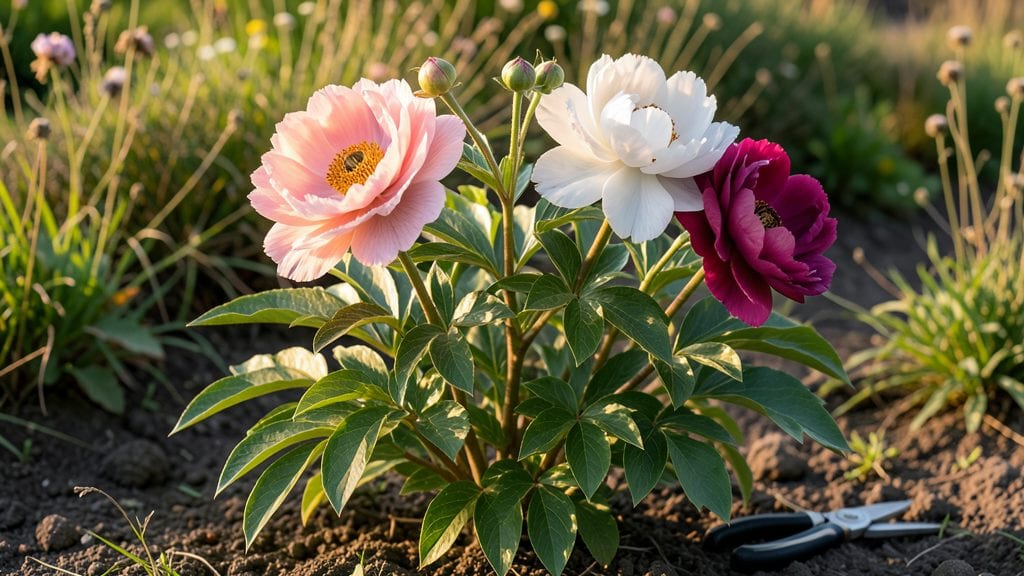
A peony flower garden starts with a single, bold decision: you’re committing to decades of lush, fragrant blooms with almost no work. I remember the first time I saw my great-grandmother’s peonies—each stem heavy with pink and white blossoms, their scent lingering in the late afternoon air.
That’s the magic peonies bring: effortless drama that rewards patience and a little planning.
The key to designing one lies in layering varieties by bloom time—early, mid, and late season—so your garden stays vibrant from May through July. Pair them with low-maintenance perennials like lavender or Russian sage, which thrive in the same sunny spots and won’t compete for space.
A formal knot garden or a wildflower meadow both work, as long as you give peonies 6-8 hours of sun and well-draining soil.
By early summer, you’ll have clouds of blooms so thick they’ll obscure the foliage beneath, their petals soft as velvet. The best part? Minimal pruning—just clean up dead stems in late fall, and you’re done.
Even in winter, the skeletal branches add texture, while new shoots push through the soil by spring, a promise of what’s to come.
This design works for any garden style, from a structured English border to a relaxed cottage garden. The only rule? Start small—peonies multiply over time, and before you know it, you’ll have a self-sustaining display that turns neighbors’ heads every season. Let’s get planting.
📚 In This Guide
- What you need
- Instructions
- Tips and common mistakes
- Wrapping up and next steps
What you need
- ● Peony plants: 5–10 Paeonia lactiflora or Paeonia officinalis bare-root plants (choose colors and varieties for year-round interest).
- ● Well-draining soil: 10–15 cubic yards of a mix of garden soil (60%), compost (30%), and sand or perlite (10%) for aeration.
- ● Organic mulch: 2–3 inches of pine bark nuggets or straw to retain moisture and suppress weeds.
- ● Slow-release fertilizer: 10–15 lbs of 10-10-10 NPK or bone meal (for phosphorus) to boost blooms.
- ○ Drip irrigation system: 50–100 ft of 1/4-inch tubing, emitters, and a timer (optional but highly recommended for water efficiency).
- ● Stakes or cages: 5–10 6-inch metal or bamboo stakes per plant to support tall varieties.
- ● Garden shovel & trowel: For planting and soil prep.
- ● Pruning shears: Bypass pruners (sharp and clean) for minimal pruning.
- ● Garden gloves: Heavy-duty nitrile-coated gloves to protect hands.
- ● Wheelbarrow: 2–3 cubic ft capacity for hauling soil/mulch.
- ● Measuring tape & string: To mark garden layout (especially for full-sun placement).
- ● Soil pH test kit: Peonies thrive in 6.5–7.0 pH; adjust with lime or sulfur if needed.
- ● Companion plants: Salvia, catmint, or Russian sage (drought-tolerant perennials that pair beautifully with peonies).
- ● Decorative rocks: River stones or mulch rings to add texture and define garden beds.
- ● Frost cloth: For early spring protection in USDA Zones 3–5.
- ● Garden journal: To track blooming seasons, pruning schedules, and plant health.
Instructions for designing a low-maintenance peony flower garden
Peonies thrive with thoughtful placement and minimal intervention—here’s how to create a garden that rewards you with decades of blooms.
Select the Perfect Planting Site
Peonies demand full sun—at least 6-8 hours daily—to produce their signature lush blooms. I always scout the garden in late winter when branches cast shadows; this reveals where sunlight lingers. Avoid low spots where cold air pools, as peonies resent soggy roots. The ideal location balances warmth and drainage, like a gently sloping area near your home’s south or west side.
Test soil drainage by digging a 12-inch deep hole and filling it with water. If it drains in under 2 hours, the site is perfect. If water pools after 4+ hours, amend with 2-3 inches of compost or consider raised beds. Peonies hate wet feet—this simple test prevents future rot and extends their lifespan.
Plant Bare-Root Peonies at the Right Depth
Timing matters: plant in early fall (6-8 weeks before first frost) or early spring (2-3 weeks before last frost). Handle bare-root peonies gently—they’re tougher than they look, but rough handling bruises the crown. Soak roots in lukewarm water for 1-2 hours before planting to revive them. The "eyes" (buds) should sit 1-2 inches below soil level—any deeper and they won’t bloom; too shallow and they’ll flop.
Dig a hole 2 feet wide and deep to accommodate spreading roots. Mix the excavated soil with 3-4 inches of compost—this improves fertility without overwhelming the plant. Place the root crown slightly off-center in the hole (not dead center) to encourage outward growth. Backfill with native soil, firming gently to eliminate air pockets.
Space Plants for Future Growth and Airflow
Peonies mature slowly but reward patience with 3-5 foot wide clumps after 5-7 years. Space plants 3-4 feet apart to prevent overcrowding, which invites disease and weakens blooms. I mark planting spots with wooden stakes to visualize the mature garden layout—trust me, you’ll thank yourself when you’re not wrestling with congested roots later.
Mulch immediately after planting with 2-3 inches of organic mulch (like shredded bark or straw) to retain moisture and suppress weeds. Keep mulch 6 inches away from the crown to avoid rot. Water deeply once weekly during the first growing season, aiming for 1 inch of water per week. You’ll know you’re on track when leaves stay vibrant green without wilting.
Establish a Year-Round Care Routine
Peonies are low-maintenance, but consistency pays off. In early spring, remove old foliage 3-4 inches above the ground once new shoots appear (usually by late March). This clears space for fresh growth without disturbing the crown. Avoid cutting back too early—leaving last year’s leaves insulates the plant through winter.
Fertilize once annually in early spring with a balanced 10-10-10 formula, applying ¼ cup per plant. Over-fertilizing leads to lush foliage but fewer blooms. Water during dry spells—deep soakings every 10-14 days encourage strong root development. By mid-summer, reduce watering slightly to harden off the plant for winter.
Prune and Prepare for Winter Dormancy
After blooms fade in late summer, cut back spent stems to 1-2 inches above the ground using clean, sharp pruners. This redirects energy to next year’s buds. Avoid pruning in fall—dormant plants need their foliage to photosynthesize until frost. In late fall, add a 4-inch layer of mulch to insulate roots through winter.
Peonies are hardy to Zone 3, but young plants benefit from winter protection in colder climates. A light layer of straw or leaves over the crown prevents heaving (when roots freeze and thaw, pushing the plant out of the soil). In spring, remove mulch gradually as new shoots emerge—this prevents sudden temperature shocks.
Tips & tricks for perfect peony flower garden design
A few strategic moves can transform your peony garden from good to showstopping—here’s how to maximize those lush blooms with minimal fuss.
Sunlight Strategy: While the instructions call for 6-8 hours of daily sun, I’ve found that peonies actually perform best when they receive their full sunlight in the morning hours. Morning sun prevents afternoon wilting and ensures those signature blooms stay vibrant. If you’re planting near trees or structures that cast afternoon shade, prioritize morning sun exposure above all else.
Soil Test Hack: The drainage test in Step 1 is crucial, but here’s a pro trick: if your soil drains perfectly but still feels heavy, add a handful of perlite to the 2-3 inches of compost. This improves aeration without altering the soil structure. I’ve seen peonies thrive in clay-heavy soils when amended this way—it’s a game-changer for dense or compacted ground.
Planting Precision: When positioning those "eyes" 1-2 inches below soil level in Step 2, I always use a small ruler to verify depth. Peony eyes need this exact placement to bloom properly, and eyeballing can lead to disappointment. Another tip: if your soil is particularly sandy, mix in an extra inch of compost to help retain moisture during the critical first growing season.
Winter Prep Insight: For the 4-inch layer of winter mulch in Step 5, I recommend using shredded leaves rather than straw in colder climates. Leaves break down more slowly and provide better insulation against temperature fluctuations. Just make sure to remove them gradually in spring—this prevents sudden temperature shocks to emerging shoots.
Pro Tips for Peony Flower Garden
- A few strategic moves can transform your peony garden from good to showstopping—here’s how to maximize those lush blooms with minimal fuss.
- Sunlight Strategy: While the instructions call for 6-8 hours of daily sun, I’ve found that peonies actually perform best when they receive their full sunlight in the morning hours.
- Soil Test Hack: The drainage test in Step 1 is crucial, but here’s a pro trick: if your soil drains perfectly but still feels heavy, add a handful of perlite to the 2-3 inches of compost.
Frequently asked questions
Got questions about creating your dream peony flower garden?
Here are some of the most common ones—plus expert answers to help you design with confidence.
When is the best time to plant peonies for a thriving garden?
The ideal time to plant peonies is in early fall (4–6 weeks before the first frost) or early spring (as soon as the soil is workable). Fall planting gives roots time to establish before winter, while spring planting works well in warmer climates. Avoid planting in extreme heat or cold—peony roots prefer 50–60°F soil.
How much sunlight do peonies need, and what if my yard doesn’t get enough?
Peonies thrive in full sun (6–8 hours daily), but they’ll tolerate partial shade (4–6 hours) in hotter climates. If your yard lacks sunlight, opt for tree peonies (Paeonia lactiflora) or grow them near a south-facing wall. Just avoid deep shade—they’ll bloom poorly and may flop. Pro tip: Use reflective mulch (like white gravel) to boost light in shady spots!
Do I really need to deadhead peonies, and how do I do it without hurting the plant?
Deadheading (removing spent blooms) encourages more flowers next season, but it’s optional for peonies. If you skip it, the plant will still produce seed pods—but they’re messy! To deadhead: Snip stems 1–2 inches above a leaf node (never cut into the woody base). Use clean shears to avoid disease. Wait until blooms fade—don’t prune green buds!
What pests or diseases should I watch for in a peony garden?
Peonies are generally low-maintenance, but watch for:
- Peony leaf blight (brown spots): Improve airflow and avoid overhead watering.
- Botrytis blight (gray mold): Remove infected stems immediately and space plants 2–3 feet apart.
- Japanese beetles: Handpick or use neem oil—these pests love peony petals!
- Peony wilt (fungus): Plant in well-draining soil and mulch to prevent soil splashing.
Can I grow peonies in containers, or do they need garden beds?
Yes! Peonies adapt well to large containers (at least 18 inches deep) with drainage holes. Use a mix of garden soil, compost, and perlite for moisture control. Container-grown peonies may bloom slightly later but still produce stunning flowers. Key rule: Repot every 2–3 years to refresh the soil—peonies hate soggy roots!
Wrapping up and next steps
A peony flower garden isn’t just a seasonal splurge—it’s a low-maintenance masterpiece that rewards you with lush blooms year after year. By choosing the right varieties, prioritizing soil health, and embracing a few simple pruning tricks, you’ve set the stage for a timeless display of elegance with minimal effort. 🌸
Now, take that confidence and watch your garden thrive! Start by sketching your design, then gather your tools—your dream peony paradise is just a few cuts and a little patience away. Ready to dive deeper? Grab your pruners and let’s make it happen!