
Flowers
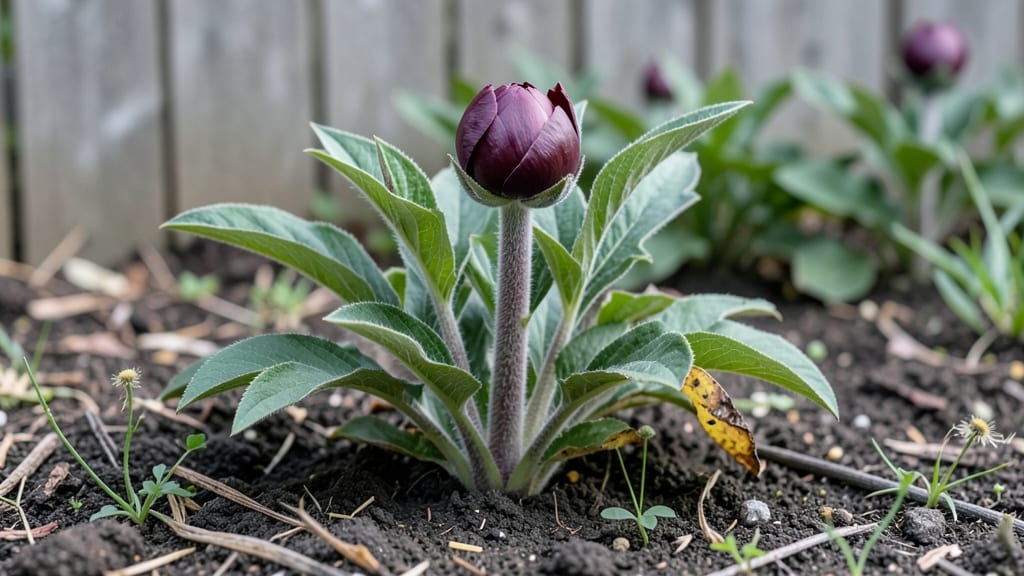
Peony flower sprouts demand patience—but I’ve cracked the code for fast, reliable blooms that skip the frustrating wait. 🌱 The secret isn’t just in the soil; it’s in timing those first tender shoots when temperatures hover around 50°F and daylight stretches past 12 hours.
Most gardeners overlook how peonies hate being disturbed once sprouts appear. I learned that the hard way—my first batch nearly died when I accidentally bumped the soil while weeding. Instead, focus on loose, well-draining soil mixed with compost, and water only when the top inch feels dry.
Overwatering drowns those delicate roots before they get a chance to establish.
By mid-spring, you’ll see thick, glossy leaves unfurling—proof the sprouts are thriving. These aren’t just any leaves; they’re the foundation for bold, repeat-blooming flowers by early summer. The key is protecting them from late frosts with a light row cover until temperatures stay above 55°F consistently.
This method works for both bare-root divisions and container-grown sprouts, whether you’re in Zone 3 or Zone 8. The same principles apply—just adjust your frost dates. Ready to turn those stubborn sprouts into showstopping blooms? Let’s get growing.
📚 In This Guide
- What you need
- Instructions
- Tips and common mistakes
- Wrapping up and next steps
What you need
- ● Peony seeds or tubers: Choose high-quality, disease-resistant varieties (e.g., Paeonia lactiflora or Paeonia officinalis). For tubers: 1-2 mature, firm tubers (avoid soft or shriveled ones). For seeds: Fresh seeds (peony seeds are notoriously slow to germinate—patience is key!).
- ○ Well-draining potting mix: 1 bag (5-10 gallons) of a lightweight, sterile mix (e.g., 50% perlite, 30% peat moss, 20% compost). Optional: Add a handful of sand or vermiculite for extra drainage.
- ● Containers: 2-3 shallow pots or seed trays (with drainage holes) for tubers/seeds. Size: 6-8 inches deep (tubers need room to expand).
- ● Growing medium for stratification (if using seeds): 1 small container filled with damp sphagnum moss or coconut coir.
- ● Misting bottle or spray nozzle (for gentle watering).
- ● Plastic wrap or humidity dome (to retain moisture during germination).
- ● Garden labels & marker (to track varieties and planting dates).
- ● Heating mat (to maintain 60-70°F for faster germination).
- ● Grow lights (if starting indoors before last frost).
- ● Fungicide (e.g., neem oil or copper fungicide) (to prevent rot or mold).
- ● Slow-release fertilizer (e.g., 10-10-10 NPK) for post-sprout care.
- ● Garden gloves (to protect hands while handling tubers).
Step-by-step instructions for growing peony flower sprouts
Peonies are stubborn to start but worth the patience—here’s how to coax those first sprouts.
🌱 Step 1: Select and Prepare Healthy Peony Roots
Choose thick, fleshy roots with at least 3-5 eyes (buds) and no signs of rot or soft spots. These eyes are your future blooms, so inspect them closely. I like to soak the roots in lukewarm water for 2-3 hours to soften the outer skin and encourage faster sprouting. This step is critical—dry, dormant roots take twice as long to break dormancy.
After soaking, let the roots dry slightly for 30 minutes so they don’t rot when planted. If you’re working with older roots, trim any dead or shriveled sections with clean, sharp pruners. The goal is to plant only vigorous, healthy tissue—weak roots won’t sprout reliably.
🪴 Step 2: Plant Roots at the Right Depth and Spacing
Dig a hole 2 inches deeper than the length of the roots and 12-18 inches apart for proper airflow. Peonies hate being buried too deep—they’ll take years to bloom if planted incorrectly. Place the roots horizontally in the hole, with the eyes facing upward. Cover them with 2-3 inches of soil, leaving the topmost eyes exposed.
Gently tamp the soil around the roots to remove air pockets, but don’t compact it—peony roots need loose, well-draining soil to establish quickly. Water deeply until the soil 1 inch below the surface feels moist. Overwatering now will suffocate the roots, so let excess water drain completely before leaving them undisturbed.
☀️ Step 3: Provide Ideal Conditions for Sprouting
Peonies need full sun (6-8 hours daily) and consistent moisture to sprout reliably. Mulch the soil with 2-3 inches of organic mulch (like shredded bark) to retain moisture and regulate temperature. In cooler climates, sprouts may not emerge until late spring—patience is key.
Water lightly every 3-4 days once shoots appear, keeping the soil evenly moist but not soggy. You’ll know it’s right when the soil feels like a damp sponge—too dry, and growth stalls; too wet, and roots rot. Avoid wetting the leaves to prevent fungal diseases like powdery mildew.
⏰ Step 4: Monitor and Support Early Growth
Sprouts typically emerge in 4-8 weeks, but some varieties take longer. Once 2-3 inch tall shoots appear, reduce watering slightly to encourage stronger root development. Thin crowded sprouts to the strongest 2-3 per root, cutting others at the base with clean shears.
Stake young shoots if they lean or flop—peony stems are heavy when in bloom, and early support prevents broken stems. Watch for first true leaves (not the initial seed leaves)—these signal the plant is photosynthesizing properly. If leaves yellow or wilt, check for overwatering or pests like slugs.
🌿 Step 5: Transition to Mature Care
Once shoots reach 6 inches tall, switch to deep watering every 7-10 days, letting the soil dry slightly between waterings. Peonies are drought-tolerant once established, but young plants need consistent moisture. Fertilize lightly in early spring with a balanced 10-10-10 fertilizer to support root and shoot growth.
By late summer, you’ll see buds forming—this is your reward for patience. The first year may produce few blooms, but subsequent years will deliver lush, long-lasting flowers. Prune back foliage in fall, leaving 2 inches of stem, and mulch heavily for winter protection.
Tips & tricks for growing peony sprouts successfully
These insider tricks will help you bypass the common pitfalls that keep peony sprouts from emerging reliably.
The Soaking Secret: When you soak your peony roots for those critical 2-3 hours, use water that's just warm enough to feel comfortable to the touch—not scalding. I've found that adding a tablespoon of honey to the soaking water can accelerate sprouting by providing a natural energy source for the roots. This isn't required, but it can shave a week off your germination timeline if you're eager to see those first shoots.
Planting Precision: In Step 2, when you're planting those roots horizontally, pay special attention to the 2-3 inches of soil coverage—this is where most beginners go wrong. Use a ruler to measure the depth precisely, and consider marking your planting hole with sticks to ensure you maintain that exact depth. Too shallow, and the roots will dry out; too deep, and they'll suffocate.
Sunlight Strategy: The 6-8 hours of full sun requirement is non-negotiable, but here's what nobody tells you: morning sun is more valuable than afternoon sun for peonies. If you're in a climate with intense afternoon heat, consider providing afternoon shade during the hottest months. This prevents stress that can delay sprouting by weeks.
Watering Wisdom: After planting, that 30-minute drying period before covering with soil is crucial—don't skip it! For the initial watering, use a rain gauge or measuring cup to deliver exactly 1 inch of water. This ensures proper moisture without waterlogging. Once sprouts appear, switch to a drip irrigation system if possible, as it delivers water directly to the roots without wetting the leaves.
Pro Tips for Peony Flower Sprouts
- These insider tricks will help you bypass the common pitfalls that keep peony sprouts from emerging reliably.
- The Soaking Secret: When you soak your peony roots for those critical 2-3 hours, use water that's just warm enough to feel comfortable to the touch—not scalding.
- Planting Precision: In Step 2, when you're planting those roots horizontally, pay special attention to the 2-3 inches of soil coverage—this is where most beginners go wrong.
Frequently asked questions
Got questions about growing peony flower sprouts? You’re not alone! Here are answers to the most common queries to help you nurture those lush blooms with confidence.
How long does it take for peony sprouts to emerge after planting?
Peony sprouts typically take 4 to 6 weeks to break through the soil after planting, depending on soil temperature and moisture. In cooler climates, they may wait until spring (March–April) to surface. Patience is key—don’t disturb the soil if you don’t see them yet!
What’s the best soil temperature for peony sprouts to germinate?
Peony seeds (or tubers) thrive in soil temperatures between 60–70°F (15–21°C). If your climate is too cold, start them indoors in a warm, sunny spot or use a seedling heat mat. Avoid soggy soil—drainage is critical to prevent rot.
Can I grow peonies from store-bought flowers? How?
Yes! Save peony seeds from hybrid tea or intersectional peonies (not tree peonies). Extract the seeds from dried seed pods, clean them, and stratify for 3–4 months in the fridge before planting. Germination may take 1–2 years, so be patient!
Why aren’t my peony sprouts coming up? Troubleshooting tips.
Check these common issues:
- Too deep: Plant tubers only 2 inches deep—deeper = slower sprouting.
- Poor drainage: Peonies hate soggy roots. Amend soil with sand or perlite if needed.
- Cold soil: Wait until spring frost danger passes (Zone 3–9: mid-April–May).
- Old/dormant tubers: Soak tubers in lukewarm water for 24 hours before planting to revive them.
Are there fast-growing peony varieties for quicker blooms?
While peonies are slow to mature (3–5 years to first bloom), some varieties like ‘Sarah Bernhardt’ (pink) or ‘Bowl of Beauty’ (red) are known for faster growth. For instant color, try intersectional peonies (herbaceous types), which often bloom sooner than tree peonies.
Wrapping up and next steps
Watching peony flower sprouts push through the soil is one of the most rewarding experiences for any gardener—and now you’re ready to make it happen! 🌱 With the right soil, timing, and care, you’ll soon be enjoying lush, vibrant blooms that steal the show.
Don’t let impatience hold you back; consistency and patience are your best tools.
Ready to take the next step? Start by marking your calendar for early spring planting and gather your supplies. Then, sketch a simple garden plan to give your peonies the space they deserve. Happy gardening—your future blooms are waiting! 🌸