
Flowers
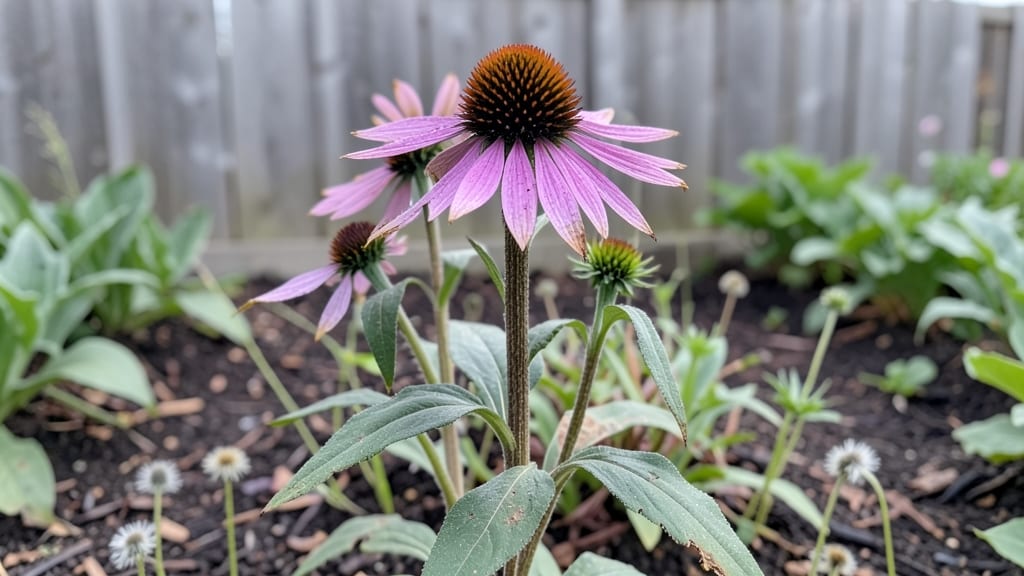
Perennial flowers in Zone 4 don’t just survive—they come back stronger every year, turning your yard into a four-season showstopper with minimal effort. I’ve watched my coneflowers and black-eyed Susans push through snowpack to bloom again in May, proving that cold-hardy perennials are the backbone of a low-maintenance garden.
The secret isn’t fancy: it’s choosing the right varieties, timing your planting, and giving them a little winter protection. Most gardeners overlook how much these plants reward patience—once established, they outperform annuals in both beauty and resilience.
Your first move is selecting Zone 4 superstars like daylilies (which tolerate drought and deer), Russian sage (drought-tolerant and fragrant), and catmint (that thrives in poor soil). Plant them in well-draining soil with a 3-inch layer of mulch—this keeps roots insulated through winter while suppressing weeds.
Spring and fall are ideal planting times, but if you’re in a hurry, early spring works too. The key is getting them in the ground 6-8 weeks before your first frost so roots can establish before cold sets in.
I’ve seen beginners rush this, and their plants struggle through the first winter.
By summer’s end, you’ll have a garden that blooms reliably year after year with colors that shift from spring’s delicate pastels to fall’s fiery reds and purples. The best part? Once these perennials are settled in, they need almost no care—just occasional deadheading and a fresh layer of mulch.
Even in Zone 4’s short growing season, the right choices will give you months of color, from early spring’s hellebores to late-season asters. Let’s pick the perfect plants for your space and climate.
Whether you’re working with a sunny border, a shady woodland edge, or a container garden, these perennials adapt—no green thumb required. We’ll cover the top 10 cold-hardy varieties for your zone, plus how to group them for maximum impact.
Ready to skip the annuals and enjoy a garden that keeps coming back?
📚 In This Guide
- What you need
- Instructions
- Tips and common mistakes
- Wrapping up and next steps
What you need
- ● Perennial flowers (Zone 4-hardy varieties): 10–20 plants of Coneflower (Echinacea purpurea)
- ● 10–15 plants of Black-Eyed Susan (Rudbeckia hirta)
- ● 5–10 plants of Daylily (Hemerocallis) (various colors)
- ● 5–10 plants of Bee Balm (Monarda)
- ● 5–10 plants of Russian Sage (Perovskia atriplicifolia)
- ● 3–5 plants of Catmint (Nepeta)
- ● 3–5 plants of Yarrow (Achillea)
- ● Soil amendments: 5–10 lbs of compost (per 10 sq ft)
- ● 2–3 lbs of balanced fertilizer (10-10-10) (spring/fall)
- ○ Optional: Mulch (2–3 inches) (shredded bark or straw)
- ● Tools: 1 garden trowel (for transplanting)
- ● 1 pruning shears (sharp, for deadheading)
- ● 1 garden fork (for aerating soil)
- ● 1 watering can or hose with nozzle
- ○ Optional: Garden gloves (for comfort)
- ● 🌡️ Soil test kit: Check soil pH (aim for 6.0–7.0) before planting.
- ● ✨ Drip irrigation: Save time with a low-volume system for consistent moisture.
- ● 🎯 Cold frame or row covers: Extend the season for early/late blooms.
Step-by-Step guide to establishing perennial flowers in Zone 4
Here’s how to plant and maintain cold-hardy perennials that return stronger each year.
Select and Prepare the Planting Site
Zone 4’s harsh winters demand careful site selection. Choose a location with well-draining soil—perennials rot in soggy ground. I test drainage by digging a 12-inch-deep hole, filling it with water, and checking if it drains within 30 minutes. If not, amend the soil with 2-3 inches of compost and a 1-inch layer of coarse sand to improve aeration.
Sun exposure matters just as much. Most hardy perennials need at least 6 hours of sunlight daily, though some shade-tolerant varieties like hostas or astilbes thrive in morning sun with afternoon shade. Mark your chosen spot with stakes to avoid disturbing roots during prep.
Amend Soil for Winter Resilience
Zone 4’s heavy clay or rocky soil needs organic matter to insulate roots. Mix 3-4 inches of compost into the top 12 inches of soil—this improves moisture retention while preventing compaction. For nutrient-poor soil, add 1 cup of 5-10-10 fertilizer per planting hole at time of planting. Work the amendments in until the soil looks dark, crumbly, and holds shape when squeezed (but doesn’t stick to your gloved hands).
For slopes or windy areas, create a 6-inch-deep trench around the perimeter of your bed to redirect water away from roots. This prevents winter heaving—a common issue where freezing/thawing cycles push plants out of the ground.
Plant at the Right Depth and Spacing
Dig holes twice as wide as the root ball but only as deep as the top of the root crown—planting too deep suffocates stems, while planting too shallow leaves roots exposed to freeze-thaw cycles. Gently tease apart roots if they’re circling the container, then place the plant so the crown sits just above soil level. Fill the hole with native soil (not amended mix) and tamp lightly to eliminate air pockets.
Spacing depends on mature size: dwarf varieties (like creeping thyme) need 6-12 inches apart, while large perennials (like peonies or daylilies) require 2-3 feet. Overcrowding invites disease and weakens plants through competition. Water deeply after planting to settle soil around roots.
Mulch for Winter Protection
Apply 3-4 inches of organic mulch (straw, shredded leaves, or wood chips) after the first hard frost but before ground freezes. This insulates roots while preventing soil heaving. Avoid fresh wood chips—they rob nitrogen as they decompose. I use shredded leaves because they break down slowly and improve soil structure over time.
Leave 1-2 inches of space between mulch and plant stems to prevent rot. In extreme Zone 4 winters (below -20°F), add a 4-inch layer of evergreen boughs or straw over the mulch for extra insulation. Remove protective layers in early spring once soil thaws to avoid smothering new growth.
Maintain Through Seasons for Long-Term Success
Water deeply once a week during the first growing season to encourage deep root growth—Zone 4’s dry summers stress shallow roots. You’ll know moisture is right when top 2 inches of soil feel dry to touch. Reduce watering in fall to harden off plants before winter.
Deadhead spent blooms in early summer to redirect energy to roots, not seed production. In late fall, cut back tattered foliage but leave healthy stems for insulation. Divide clumps every 3-4 years in early spring when new growth appears—this rejuvenates perennials and prevents overcrowding.
Tips & tricks for establishing perennial flowers in Zone 4
These practical insights will help you navigate Zone 4's challenges and create a thriving perennial garden that returns stronger each year.
Drainage Test: The 30-minute drainage test in Step 1 is non-negotiable for Zone 4 perennials. If water pools after 30 minutes, you're dealing with heavy clay soil that will suffocate roots during winter thaws. For severe cases, consider building raised beds with a mix of 60% native soil and 40% compost-sand blend. This creates the ideal porous structure that mimics natural woodland conditions where many hardy perennials originate.
Soil Amendments: When mixing the 3-4 inches of compost into the top 12 inches of soil in Step 2, think of it as creating a thermal blanket for roots. The compost's organic matter improves moisture retention by 30-40% compared to unamended soil, which is crucial during Zone 4's dry summers. For nutrient-poor areas, the 1 cup of 5-10-10 fertilizer per hole provides immediate phosphorus for root development—the key nutrient for winter hardiness.
Planting Depth: The crown placement in Step 3 is where many gardeners go wrong. The crown should sit just above soil level—this prevents rot from sitting water while allowing stems to emerge cleanly in spring. For container-grown perennials, gently squeeze the root ball to check for circling roots before teasing them apart. These roots can strangle the plant if left intact, creating a death spiral during winter's freeze-thaw cycles.
Winter Protection: The 3-4 inches of organic mulch in Step 4 creates a critical insulating layer that can make the difference between survival and loss during Zone 4's extreme temperature swings. For particularly harsh winters (below -20°F), the additional 4-inch layer of evergreen boughs adds an R-value equivalent to about 1 inch of insulation in your walls. This extra protection is what allows perennials to endure temperatures that would kill annuals.
Pro Tips for Perennial Flowers Zone 4
- These practical insights will help you navigate Zone 4's challenges and create a thriving perennial garden that returns stronger each year.
- Drainage Test: The 30-minute drainage test in Step 1 is non-negotiable for Zone 4 perennials.
- Soil Amendments: When mixing the 3-4 inches of compost into the top 12 inches of soil in Step 2, think of it as creating a thermal blanket for roots.
Frequently asked questions
Got questions about growing perennials in Zone 4? You’re not alone! Here are some of the most common concerns—and their answers—to help you garden with confidence.
What are the easiest perennials to grow in Zone 4 for beginners?
Start with coneflowers (Echinacea), black-eyed Susans (Rudbeckia), and daylilies (Hemerocallis). These are tough, low-maintenance, and thrive in cold climates. Lavender (Lavandula) and catmint (Nepeta) are also great for their hardiness and drought tolerance.
How do I protect perennials from harsh Zone 4 winters?
Mulch heavily (3–4 inches) with straw or shredded leaves after the first frost. For tender perennials, add a lightweight row cover or burlap wrap around stems. Avoid heavy mulch, which can suffocate plants. Most hardy perennials (like peony or iris) need no extra protection!
When is the best time to plant perennials in Zone 4?
Plant in early spring (April–May) or early fall (September–October) for best results. Spring planting gives roots time to establish before winter, while fall planting avoids summer heat stress. Avoid planting in late summer or winter when the ground is frozen.
What should I do if my perennials die back unexpectedly in Zone 4?
Check for heaving (soil pushing up roots), deer damage, or disease. If the crown is still firm, wait until spring—many perennials (like hostas or asters) resprout from the roots. If moldy or mushy, remove and replace. Adjust mulch depth next year to prevent issues.
Are there any perennials that bloom all summer in Zone 4?
Yes! Shasta daisies (Leucanthemum), bee balm (Monarda), and Russian sage (Perovskia) offer long bloom times. For continuous color, mix early bloomers (like bleeding heart) with late-season stars (like sedum) to extend your garden’s show.
Wrapping up and next steps
Growing perennial flowers in Zone 4 is not only possible—it’s rewarding! With the right cold-hardy varieties like coneflowers, black-eyed Susans, and daylilies, you can enjoy vibrant blooms year after year with minimal effort.
These tough plants prove that even in colder climates, your garden can be a burst of color and life.
Ready to transform your space? Start small—pick one or two perennials to test this season, then expand as you gain confidence. Happy gardening! 🌸