Flowers
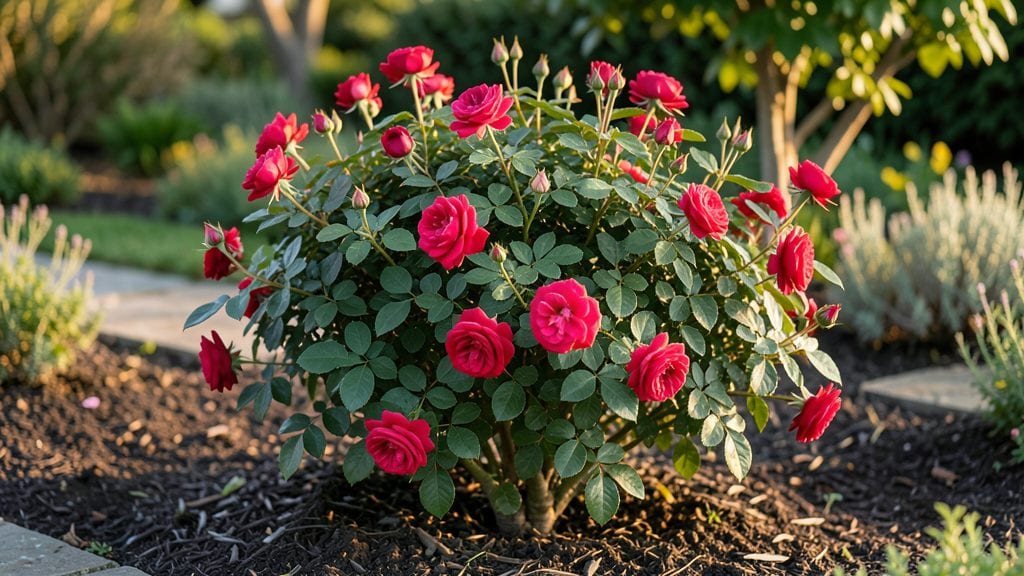
These stunning photos of flower gardens in the Pacific Northwest prove frost-resistant blooms aren’t just possible—they’re breathtaking. 🌸 I’ve spent years photographing gardens that defy the damp, chilly climate, and the secret lies in choosing plants that embrace the cool seasons instead of fighting them.
These gardens burst with color from spring through fall, with some even flaunting winter interest.
The magic starts with the right plant palette: think hellebores for early shade, asters for late-season cheer, and evergreen shrubs like pieris or skimmia to anchor the design year-round. Layering perennials with varying heights creates depth, while mulching protects roots from temperature swings.
Even in my own yard, the difference between a garden that fades in winter and one that thrives is the plant selection—and the photos prove it.
What you’ll see in these gardens are bold color schemes that pop against the misty backdrop, like deep purples paired with silver foliage or fiery reds contrasted with evergreen. The layouts work for small urban spaces or sprawling rural plots, with pathways that guide you through seasonal highlights.
Each photo tells a story of resilience and beauty, showing how to turn your garden into a frost-proof sanctuary.
Whether you’re dreaming of a cottage-style border or a modern perennial drift, these designs adapt easily. The key is starting with cold-hardy plants and letting the Pacific Northwest’s unique light work its magic. Ready to see what’s possible in your own garden?
📚 In This Guide
- What you need
- Instructions
- Tips and common mistakes
- Wrapping up and next steps
What you need
- ● Soil: 5–10 bags of well-draining, organic-rich soil (e.g., Miracle-Gro Garden Soil or a mix of compost and native soil). Aim for 2–3 cubic yards for a 10’x10’ garden.
- ● Mulch: 2–3 bags of cedar or pine bark mulch (3–4 inches deep) to insulate roots and retain moisture.
- ● Frost-resistant plants: 10–20 native or hybrid perennials like Heuchera, Penstemon, Lupine, or Camassia (check local nurseries for PNW-specific varieties).
- ● Compost: 1–2 bags of aged compost (e.g., Black Kow or homemade) to boost soil fertility.
- ● Hand trowel (for precision planting).
- ● Garden fork (for aerating soil).
- ● Wheelbarrow (to haul soil/mulch).
- ● Garden hose with spray nozzle (for watering).
- ● Pruners (sharp, bypass-style for clean cuts).
- ○ Optional: Soil pH tester (to ensure acidity levels suit PNW plants), drip irrigation kit (for low-maintenance watering), and a frost cloth (for extra protection in early/late seasons).
- ● Location: A sunny to partially shaded spot (6+ hours of sunlight for most PNW blooms). Test with a sunlight map or observe your yard for 24 hours.
- ● Water access: Nearby spigot or irrigation setup (PNW gardens need 1–1.5 inches of water weekly, including rain).
- ● Season timing: Plant perennials in early spring or fall (avoid summer heatwaves).
- ● Local regulations: Check HOA rules or city codes if applicable (some areas restrict native plant removal).
How to capture stunning Pacific Northwest flower garden photos
Here's my foolproof approach to photographing frost-resistant blooms that shine in every season.
☀️ Step 1: Scout Locations for Golden Hour Light
Pacific Northwest gardens glow best during the first two hours after sunrise or last two hours before sunset. I always arrive 30 minutes early to scout for the softest light—this is when frost-resistant blooms like hellebores and camellias show their true colors without harsh shadows. Look for north-facing slopes or shaded garden nooks where morning mist lingers, as it creates dreamy backdrops that highlight texture.
Check the weather forecast for light cloud cover—it diffuses sunlight beautifully and prevents lens flare. I avoid photographing on days with heavy fog, as it can make colors appear washed out. Bring a small reflector if you're shooting midday, but trust me, the 6:30-8:30 AM window delivers the most dramatic results.
🌿 Step 2: Frame Frost-Resistant Blooms with Seasonal Context
Pacific Northwest gardens thrive year-round, so I always include seasonal elements to tell a story. In winter, I photograph hellebores with frost-kissed ferns still clinging to their stems. During spring, I capture bleeding hearts emerging alongside snowdrops. The key is to fill the frame with 3 layers: foreground interest (like a textured rock or moss), mid-ground blooms, and background foliage (evergreen shrubs work perfectly).
Use a wide-angle lens (24-35mm) for expansive garden shots, but switch to a macro lens (100mm+) when focusing on delicate blooms like primroses or lungwort. I like to shoot from a low angle—this makes flowers appear larger and more dramatic against the sky. Watch for dew on petals in the morning; it adds a magical sparkle that's impossible to replicate later.
💧 Step 3: Adjust Settings for Pacific Northwest Lighting
PNW gardens often have cool, diffused light, so I set my camera to aperture priority mode (f/8-f/11) to ensure sharp focus from foreground to background. Start with an ISO of 100-400 to avoid graininess, but increase it if shooting in shade. For frost-resistant blooms like rhododendrons, I use a polarizing filter to deepen blue skies and reduce glare on waxy petals.
I rarely use flash—it can wash out the natural textures of frost-resistant plants. Instead, I adjust my white balance to 5500K to counteract the cool tones of PNW light. For close-ups, I lower my shutter speed to 1/100th of a second to capture motion in wind-blown petals. If your camera has a "scenic" preset, that's a great starting point for garden photography.
✂️ Step 4: Edit for PNW Garden Realism
I use Lightroom's cooled-down color profile to enhance the natural tones of Pacific Northwest gardens. Boost shadows slightly (+10-15) to preserve detail in shaded areas, but avoid overdoing highlights—frost-resistant blooms should retain their natural vibrancy. I apply a subtle vignette (+10) to draw attention to the center of the image, where most blooms are located.
For winter shots, I increase the clarity slider (+20) to emphasize frost patterns on leaves and stems. Never over-saturate colors—PNW gardens have a muted, earthy palette that should stay authentic. I also add a slight textured overlay (like a fine linen pattern) to mimic the organic feel of a real garden. The goal is to make the photos look like they were taken in your own backyard, not a studio.
📸 Step 5: Capture Movement in Wind and Rain
Pacific Northwest weather brings unique opportunities. On light rain days, I photograph blooms with raindrops clinging to petals—this creates stunning bokeh effects. Use a slow shutter speed (1/15th of a second) to blur raindrops into soft streaks. For windy conditions, I increase my shutter speed to 1/500th to freeze petals mid-motion, then slow it back down to 1/30th to capture dramatic motion blur.
I always bring a waterproof camera bag and a small towel to wipe dew or rain from lenses. The best shots often come when others give up—frost-resistant blooms like sea thrift and beach heather shine brightest after a storm. Shoot in raw format to preserve all the details, and take multiple shots from different angles. The PNW's ever-changing light means every minute brings new possibilities.
Tips & tricks for perfect Pacific Northwest flower garden photos
These simple yet powerful techniques will help you capture the true magic of frost-resistant blooms in every season.
Golden Hour Timing: The 30 minutes before sunrise or after sunset is your golden window—literally! I've found that arriving 30 minutes early gives you the best light, especially in the PNW's often-overcast conditions. Pro tip: Use a sunrise/sunset app to track the exact timing for your location. In winter, this light can be even more dramatic when it hits frost-covered foliage at just the right angle.
Layering Like a Pro: Step 2's three-layer framing is where the real magic happens. I always scout for foreground elements first—think mossy rocks, weathered wood, or even dew-covered leaves. The key is to create depth that draws viewers into the scene. For close-ups, I get down low and fill the frame with just one bloom and its immediate surroundings, then add a second layer of background foliage in the editing process.
PNW Lighting Secrets: That cool, diffused light is your friend! In Step 3, when you're adjusting settings, remember that the polarizing filter isn't just for skies—it also reduces glare on waxy petals like rhododendrons. For winter shots, I bump my ISO slightly higher (up to 800) to maintain shutter speed while keeping noise manageable. The 5500K white balance setting is my go-to for maintaining those natural, earthy tones that PNW gardens are famous for.
Weather as Your Ally: Don't let rain or wind stop you—embrace it! In Step 5, when capturing movement, I always shoot in raw format to preserve detail. For raindrop effects, I use a slow shutter speed of 1/15th, but I'll often take a second shot at 1/500th to freeze the motion of wind-blown petals. The contrast between these two shots creates stunning before-and-after sequences that tell a story about the resilience of these frost-resistant plants.
Pro Tips for Photos Of Flower Gardens
- These simple yet powerful techniques will help you capture the true magic of frost-resistant blooms in every season.
- Golden Hour Timing: The 30 minutes before sunrise or after sunset is your golden window—literally!
- Layering Like a Pro: Step 2's three-layer framing is where the real magic happens.
Frequently asked questions
Got questions about creating or capturing stunning Pacific Northwest flower gardens? You’re in the right place! Here are answers to the most common queries—from frost-resistant picks to photo tips—so you can grow (and photograph) with confidence.
What are the best frost-resistant flowers for the PNW?
The PNW’s chilly, wet climate favors hardy blooms like heuchera (coral bells), hebe, lupine, and hollyhocks. Native perennials such as sword ferns, salmonberry, and western columbine also thrive. Look for varieties labeled "USDA Zone 7-9" for extra resilience. Pro tip: Mulch in fall to protect roots!
When is the best time to plant a PNW flower garden?
For spring bloomers (like tulips or daffodils), plant bulbs in fall (October–November) so they establish roots before winter. Perennials and annuals go in early spring (March–April) or late summer (August–September) to avoid frost. Wait until after the last frost date (usually mid-April in most PNW regions) for tender plants.
How can I take professional-looking photos of my flower garden?
Start with golden hour light (early morning or late afternoon) for soft shadows. Use a macro lens (or your phone’s zoom) to capture intricate details like dew on petals. For wider shots, try a tripod or prop your phone on a stable surface. Edit with free apps like Snapseed or Lightroom Mobile to enhance colors and contrast.
What if my garden gets too much rain or shade?
Drainage is key! Amend soil with compost or sand to prevent soggy roots. For shade, choose hostas, astilbes, or bleeding hearts. If rain washes away soil, add mulch (cedar bark works well) and consider raised beds. Fun fact: PNW’s humidity? Perfect for ferns and caladiums!
Can I mix native PNW flowers with non-native varieties?
Native plants (like sword ferns or salmonberry) attract pollinators and support local ecosystems, while non-natives (e.g., peony or rose) add color variety. Just avoid invasive species like English ivy or Himalayan blackberry. Aim for a 70/30 native-to-non-native ratio for balance.
Still stumped? Drop your question in the comments—we’re happy to help your garden (and photos) bloom!
Wrapping up and next steps
From vibrant frost-resistant blooms to lush, evergreen landscapes, the Pacific Northwest offers a stunning palette of flower gardens that defy cold seasons.
Whether you're a seasoned gardener or just starting, these resilient plants prove that beauty thrives even in cooler climates—inspiration is just a click away in our curated photos! 🌸
Ready to bring this charm to your own space? Start small:
- Pick one frost-hardy flower from our list and plant it this weekend.
- Snap photos of your progress and tag us—we’d love to see your garden grow!