Flowers
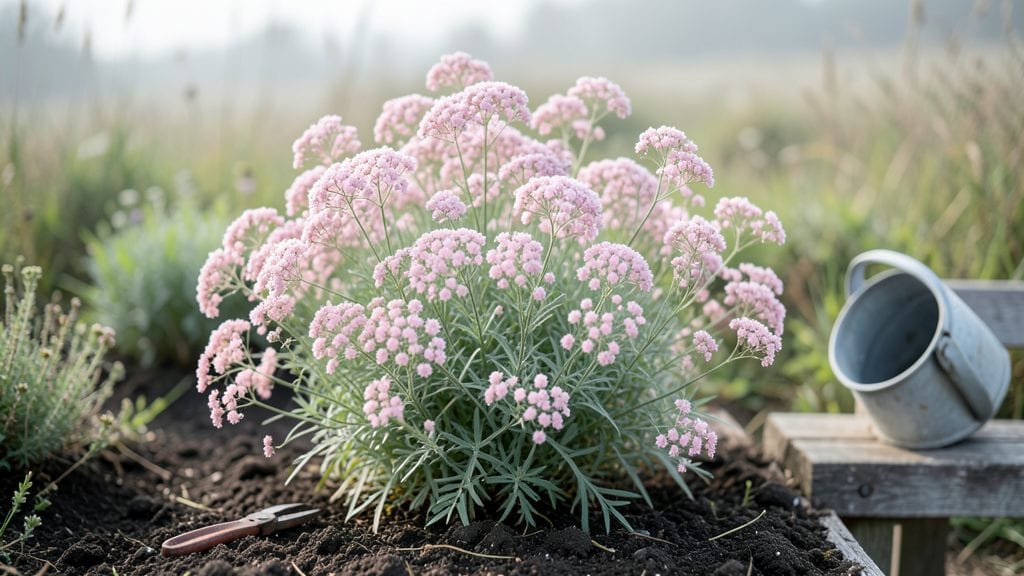
Pink baby's breath flowers transform any garden space with their delicate, cloud-like plumes that dance in the breeze. 🌸 I remember the first time I scattered them along my garden path—they instantly added softness to the bold colors of my peonies and roses.
These flowers aren’t just pretty; they’re the perfect bridge between romance and whimsy, whether you’re crafting a bridal bouquet or framing a garden border.
The secret to their magic lies in how they play with light and space. Plant them in clusters near taller flowers like delphiniums or snapdragons to create depth, or tuck them into containers with lavender and dusty miller for a cottage-core vibe.
They thrive in full sun to partial shade, so they adapt beautifully to almost any garden nook. For bridal arrangements, their soft pink hue complements roses and eucalyptus like a dream.
What you’ll love most is how they elevate every setting—wedding arches, summer dinner tables, or even a simple vase on your porch. Their airy texture softens bold blooms while adding movement, making them a designer’s favorite.
Once you see them in action, you’ll want to use them everywhere. Let’s get inspired!
From formal garden beds to casual wildflower patches, pink baby’s breath brings effortless charm. Pair them with deep purples for drama or soft whites for a dreamy look—either way, they’ll steal the show.
The best part? They’re low-maintenance, so you get all the beauty with minimal fuss. Ready to add some whimsy?
📚 In This Guide
- What you need
- Instructions
- Tips and common mistakes
- Wrapping up and next steps
What you need
- ● Pink baby’s breath flowers – 1-2 bunches (fresh or dried, depending on your project). Look for long, feathery stems (12–18 inches) for maximum airiness.
- ○ Floral foam or chicken wire – For securing stems in bouquets or arrangements. Optional: Use floral tape for a cleaner look.
- ● Scissors or floral shears – Sharp, clean cuts prevent crushing stems.
- ● Water – For fresh arrangements (change every 24 hours). For dried flowers: Skip this!
- ● Vase or container – Choose one with a wide mouth to showcase the baby’s breath’s volume.
- ● Complementary flowers – Pair with roses, peonies, or eucalyptus for bridal bouquets.
- ● Ribbon or lace – For wrapping stems or adding a romantic touch.
- ● Dried baby’s breath – If working with preserved blooms, ensure they’re pesticide-free.
- ● Floral preservative – Extends freshness by 3–5 days in arrangements.
Step-by-Step guide to growing pink baby's breath flowers
Here's how to cultivate these delicate blooms for lush garden borders or dreamy bridal bouquets.
🌱 Step 1: Prepare the Planting Site
Choose a location with full sun to partial shade—at least 6 hours of sunlight daily. Baby's breath thrives in well-draining soil, so avoid low-lying areas where water pools. Work in 2-3 inches of compost to enrich the soil before planting, as these flowers prefer fertile ground. I like to test the soil pH first—aim for a slightly alkaline range of 6.5-7.5 for best results.
Loosen the soil to a depth of 12 inches with a garden fork to improve root penetration. If your soil is heavy clay, mix in 1 part perlite or coarse sand to help water drain efficiently. The key here is preventing soggy roots, which can rot delicate stems. Baby's breath has a shallow root system, so don't overwork the soil—just break up compaction gently.
🌱 Step 2: Plant Seeds or Transplants at the Right Time
For direct sowing, scatter seeds ¼ inch deep in early spring after the last frost date, or in late summer for fall blooms. I've found that planting in late summer often yields more robust growth the following year. Space seeds 12-18 inches apart—they'll spread over time, so give them room to establish without crowding.
If using transplants, dig holes twice as wide as the root ball and space plants 18-24 inches apart for fuller growth. Water each hole thoroughly before placing the plant inside, then backfill with soil. Press gently around the base to eliminate air pockets. Here's the thing—baby's breath doesn't like to be disturbed once planted, so handle seedlings carefully to avoid root damage.
💧 Step 3: Water and Maintain for Healthy Growth
Water deeply once a week during the first growing season, allowing the top 1-2 inches of soil to dry out between waterings. Overwatering is the biggest mistake I see—these plants are drought-tolerant once established but hate soggy feet. You'll know you're doing it right when the soil feels slightly dry at the surface but moist below.
Once established, baby's breath needs minimal care. Apply a balanced fertilizer (10-10-10) every 4-6 weeks during the growing season to encourage lush foliage and abundant blooms. Deadhead spent flowers regularly to promote continuous blooming. I like to pinch back leggy stems in early summer to encourage bushier growth—this keeps plants compact and prevents them from flopping over.
☀️ Step 4: Protect and Harvest for Long-Lasting Blooms
Baby's breath is relatively pest-resistant, but watch for aphids or spider mites, especially in dry conditions. A strong spray of water usually knocks them off, or use insecticidal soap if needed. These flowers are also deer-resistant, making them a great choice for garden borders. If you're growing for bouquets, harvest stems when 20-30% of buds are open—this ensures the longest vase life.
To harvest, cut stems at a 45-degree angle just above a leaf node in the morning when moisture levels are highest. Remove lower leaves to prevent water absorption that shortens vase life. Store harvested stems in cool water and change the water every 2 days to keep them fresh. With proper care, baby's breath can last 7-10 days in arrangements—perfect for bridal bouquets or centerpieces.
Tips & tricks for perfect pink baby's breath flowers
Here's what nobody tells you about growing these ethereal blooms that'll make all the difference in your garden or bouquets.
Sunlight Secret: While baby's breath tolerates partial shade, those 6 hours of sunlight daily are non-negotiable for vibrant pink blooms. I've seen plants in shadier spots produce pale, less abundant flowers. If your garden gets less than 6 hours, consider using grow lights for 4-6 hours per day during their growing season. Morning sun is especially beneficial as it helps dry dew quickly, preventing fungal issues on delicate petals.
Soil Preparation Tip: The 2-3 inches of compost in Step 1 isn't just about nutrients—it's about creating the right texture. Baby's breath roots are shallow but sensitive to compaction. After loosening to 12 inches, I like to sprinkle a thin layer of coarse sand on the bottom of planting holes. This creates tiny air pockets that prevent waterlogging, which is crucial since these flowers hate soggy roots. Think of it as building a drainage highway for their roots.
Planting Precision: When spacing seeds 12-18 inches apart or transplants 18-24 inches apart, resist the urge to crowd them. I learned this the hard way—overcrowding leads to weak stems that flop over, especially in humid conditions. For a fuller look without sacrificing structure, plant in a staggered pattern rather than neat rows. This creates natural airflow between plants, reducing the risk of fungal diseases that can plague baby's breath in dense clusters.
Harvesting Hack: That 20-30% open buds guideline in Step 4 is your sweet spot for vase life. Here's the thing: if you harvest when too many buds are open, the flowers will wilt faster. I mark my calendar to harvest on days when 25% of buds are just starting to open—this gives you that perfect balance of fresh blooms and buds that will open over several days in your vase. And remember, those 45-degree cuts aren't just for looks—they increase the surface area for water absorption, keeping stems hydrated longer.
Pro Tips for Pink Baby'S Breath Flowers
- Here's what nobody tells you about growing these ethereal blooms that'll make all the difference in your garden or bouquets.
- Sunlight Secret: While baby's breath tolerates partial shade, those 6 hours of sunlight daily are non-negotiable for vibrant pink blooms.
- Soil Preparation Tip: The 2-3 inches of compost in Step 1 isn't just about nutrients—it's about creating the right texture.
Frequently asked questions
Got questions about pink baby’s breath flowers? You’re not alone! Here are some of the most common ones—plus quick, practical answers to help you work with these dreamy blooms like a pro.
What’s the best time to plant pink baby’s breath in my garden?
Pink baby’s breath thrives when planted in early spring (after the last frost) or late summer (for fall blooms). If you’re in a mild climate, you can even tuck them in as late as September for winter interest. Just give them well-draining soil and full sun—6+ hours daily—for the most vibrant pink plumes!
How do I keep pink baby’s breath fresh in a bouquet?
Trim the stems at a 45-degree angle and place them in lukewarm water with a floral preservative (like sugar + bleach). Change the water every 2–3 days and snip any wilted stems. For extra longevity, avoid direct sunlight and keep them in a cool spot—they’ll last 7–10 days with proper care!
Can I grow pink baby’s breath indoors, or is it strictly for gardens?
While baby’s breath loves outdoor gardens, you can grow it indoors with the right setup! Use a sunny windowsill (south-facing) or a grow light, and plant in a pot with drainage holes. Just know it may not bloom as abundantly as outdoor plants. Pro tip: Deadhead spent blooms to encourage new growth!
Why is my pink baby’s breath turning yellow or brown?
Yellowing leaves often mean overwatering or poor drainage—let the soil dry slightly between waterings. Brown tips? That’s usually underwatering or low humidity. If the stems look mushy, it’s root rot—repot in fresh, dry soil ASAP. For bouquets, brown edges can happen if the water’s too cold or the stems weren’t trimmed properly.
What’s a good alternative if I can’t find pink baby’s breath?
If pink baby’s breath is MIA, try these airy, delicate swaps:
- Statice (drought-tolerant, comes in soft pinks)
- Gypsophila (classic “baby’s breath” but white—dyes beautifully!
- Sweet alyssum (tiny white/pink blooms, great for filling gaps)
- Celosia (for a bolder, feather-like texture)
All pair wonderfully with roses or peonies in bouquets!
Wrapping up and next steps
Pink baby’s breath flowers bring a dreamy, romantic touch to any setting—whether you’re crafting a bridal bouquet or adding softness to your garden borders. Their delicate airiness and versatile charm make them a must-have for floral lovers and DIY enthusiasts alike.
Now that you’re equipped with growing tips, styling ideas, and care advice, it’s time to let your creativity bloom!
🌸 Next steps:
- Start with seeds or cuttings—your garden (or bouquet) will thank you!
- Experiment with color combos: pair pink baby’s breath with roses, peonies, or eucalyptus for stunning contrasts.
- Share your floral masterpieces online and tag #PinkBabysBreathLove—we’d love to see your work!