
Trees
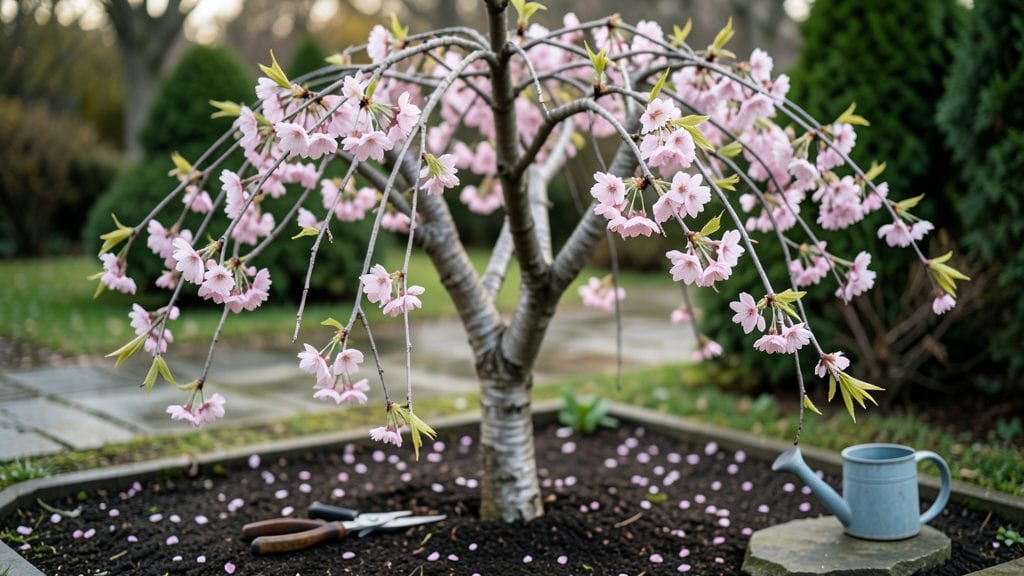
That pink flowering cherry tree standing sentinel in your Pacific Northwest yard isn’t just a spring spectacle—it’s a year-round hummingbird magnet that transforms any garden into a living postcard. 🌸 The way its blossoms turn the air into liquid perfume while hummingbirds dart between branches creates a scene straight out of a storybook, and it’s all yours to design.
Picture it anchoring your front yard as the star of the show, its delicate pink blooms lighting up mornings in April before the leaves even appear. But the magic doesn’t stop there—its peeling bark in winter adds texture, and the deep red fall foliage gives autumn a dramatic punch.
The secret to making it shine? Plant it where you’ll see it daily, like near a patio or along a walking path, and pair it with shade-loving perennials that won’t compete for attention.
You’ll end up with a garden that feels like a curated gallery, where every season brings something new. The tree’s dappled shade becomes a stage for hostas and ferns, while its branches frame views of your home.
Even in winter, its silhouette against a gray sky adds structure—proof that beauty isn’t seasonal, it’s intentional.
Works equally well in residential front yards or public spaces, scaling from a single specimen to a small grove. The key is letting it take center stage while surrounding it with plants that enhance—not overshadow—its natural drama. Let’s design around it.
📚 In This Guide
- What you need
- Instructions
- Tips and common mistakes
- Wrapping up and next steps
What you need
- ● Pink flowering cherry tree: Choose a healthy Prunus serrulata (or similar variety like ‘Kanzan’ or ‘Somei-Yoshino’) from a nursery. Opt for a 3–5 gallon container-grown tree (10–15 ft tall) for best establishment.
- ● High-quality potting soil: 2–3 cubic yards of well-draining, slightly acidic soil (pH 5.5–6.5). Mix in compost (1 part compost to 3 parts soil) for nutrients.
- ● Organic mulch: 3–4 inches of wood chips or bark (avoid dyed mulch) to retain moisture and regulate temperature.
- ● Fertilizer: Slow-release granular fertilizer (e.g., 10-10-10 or 12-12-12) or organic options like fish emulsion or compost tea.
- ● Shovel or spade: For digging the planting hole (wide enough to accommodate roots without crowding).
- ● Garden gloves: Heavy-duty to protect hands while handling soil and roots.
- ● Watering can or hose: With a gentle spray nozzle for post-planting hydration.
- ● Pruning shears: Sharp, sterilized shears to trim dead branches or shape the tree.
- ○ Soil pH tester (optional): To ensure your soil meets the tree’s ideal acidity.
- ○ Tree stake & ties (optional): For young trees in windy areas (use biodegradable ties).
- ● Sunlight: A full-sun location (6+ hours of direct sunlight daily). Partial shade is tolerable but may reduce flowering.
- ● Space: Minimum 15–25 feet of clearance from structures, power lines, or other trees (cherry trees grow 20–30 ft tall!).
- ● Water source: Easy access for deep watering 1–2 times per week (more during dry spells).
- ● Patience: Pink flowering cherries take 3–5 years to reach peak bloom—plan accordingly!
How to plant and care for a pink flowering cherry tree
Here's the straightforward approach I've used to grow thriving pink flowering cherries in the PNW.
🪴 Step 1: Choose the Right Planting Spot
Pink flowering cherries need full sun—at least 6 hours daily—to produce their best blooms. In the Pacific Northwest, that means a south-facing location where they won't be shaded by evergreens or taller trees. I always check the site for well-draining soil first—these trees hate soggy roots.
Dig a hole twice as wide as the root ball but no deeper. The top of the root ball should sit 1-2 inches above ground level to prevent water pooling. Loosen the sides of the hole with your shovel to help roots spread easily. If your soil is heavy clay, mix in 3 inches of compost into the bottom of the hole.
🌱 Step 2: Plant with Proper Spacing and Support
Space your tree 20-25 feet apart from other plants—cherry trees grow wide with age. Remove the tree from its container and gently loosen the roots if they're circling. Place it in the hole so the root flare (where roots meet trunk) is visible above the soil line.
Backfill with native soil, tamping lightly every 6 inches to remove air pockets. Water deeply to settle the soil, then add a 3-inch layer of mulch (keeping it 3 inches away from the trunk) to conserve moisture and regulate soil temperature. I stake young trees immediately—these trees can get top-heavy with their spring blooms.
☀️ Step 3: Water and Fertilize for First-Year Establishment
Water deeply once weekly during the first growing season, providing 1-2 gallons of water per irrigation. Check soil moisture by sticking your finger 2 inches deep—water when it feels dry. Avoid overhead watering during bloom to prevent fungal diseases that can ruin petals.
Apply a balanced 10-10-10 fertilizer in early spring and again in mid-summer, following package rates. These trees are light feeders—too much nitrogen reduces flowering. I also do a soil test every 3 years to adjust nutrients precisely. Watch for bright pink buds in late winter—they're your signal the tree is healthy and ready for spring.
✂️ Step 4: Prune for Shape and Health
Prune immediately after flowering in late spring to avoid removing next year's blossom buds. Remove dead, crossing, or weak branches first, then thin the canopy to allow light penetration. I never remove more than 25% of the foliage in any one season—these trees bloom on old wood.
Shape the tree by opening the center to improve airflow and reduce disease risk. Seal all pruning cuts with pruning sealant only if the cut is larger than ½ inch in diameter. Small cuts heal naturally. Thin out dense growth in summer to maintain an open, airy structure that hummingbirds will love.
🐦 Step 5: Maintain for Year-Round Hummingbird Visits
Leave fallen petals and seed pods in place—they provide winter interest and food for birds. Plant native companion perennials like salal or Oregon grape around the base to create a layered habitat. These evergreen companions also protect the tree's roots from winter winds.
Monitor for aphids or scale insects on new growth—spray with neem oil if you see sticky residue on leaves. Mature trees develop thick bark that resists most pests. The real reward comes in spring when hummingbirds arrive just as the first pink blooms open—timing so precise it feels magical.
Tips & tricks for perfect pink flowering cherry tree growth
These simple yet game-changing tips will help your pink flowering cherry thrive in the Pacific Northwest's unique climate.
Sunlight Strategy: In Step 1, when choosing your planting spot, prioritize a location that gets at least 6 hours of direct sunlight daily. I've seen trees in partial shade still bloom, but the flowers will be fewer and less vibrant. If your yard has afternoon shade, position the tree where it gets morning sun instead—those first rays are most important for bud development. For extra insurance, consider a south-facing slope where sunlight naturally lingers longer.
Root Ball Preparation: Before planting in Step 1, give the root ball a quick soak for 10-15 minutes to hydrate the roots. This helps reduce transplant shock, especially important for young trees. I also like to trim any circling roots gently with clean shears—this encourages outward growth rather than the roots growing in circles that can strangle themselves. Just be careful not to cut more than 10-15% of the roots.
Watering Wisdom: In Step 3, when watering deeply once weekly, I've found that morning watering works best in our climate. Watering in the early morning gives the soil time to dry out during the day, reducing fungal risks. Use a rain gauge or tuna can to measure your 1-2 gallons—eyeballing it often leads to under or overwatering. For new plantings, I recommend checking soil moisture every 2-3 days until the tree establishes roots.
Pruning Precision: When pruning in Step 4, I always make my cuts at a 45-degree angle just above an outward-facing bud. This encourages new growth in the right direction. For larger branches over ½ inch, I seal the cuts with pruning sealant, but for smaller cuts, I've found they heal perfectly without it. The key is to prune just after flowering—this timing ensures you're not accidentally removing next year's blossom buds that form on old wood.
Pro Tips for Pink Flowering Cherry Tree
- These simple yet game-changing tips will help your pink flowering cherry thrive in the Pacific Northwest's unique climate.
- Sunlight Strategy: In Step 1, when choosing your planting spot, prioritize a location that gets at least 6 hours of direct sunlight daily.
- Root Ball Preparation: Before planting in Step 1, give the root ball a quick soak for 10-15 minutes to hydrate the roots.
Frequently asked questions
Got questions about cultivating or caring for your pink flowering cherry tree? You’re not alone! Here are answers to the most common queries from gardeners in the Pacific Northwest—and beyond.
When is the best time to plant a pink flowering cherry tree?
The ideal window is late fall to early spring (October–March), when the tree is dormant. This timing helps roots establish before summer heat arrives. Avoid planting in extreme heat or frost—your tree will thank you with vibrant blooms next spring! Pro tip: Water thoroughly after planting to reduce transplant shock.
Why aren’t hummingbirds visiting my cherry tree?
Hummingbirds love pink flowers, but timing matters! Bloom season (March–April) is critical. If they’re absent, check for nectar-rich alternatives like fuchsias or bee balm nearby. Also, ensure your tree is healthy—pests or poor pollination can reduce flower production. Try this: Hang a sugar-water feeder as a backup!
How do I protect my cherry tree from Pacific Northwest rain and wind?
These trees are hardy, but young saplings benefit from staking and mulch. Plant in a slightly sheltered spot (e.g., near a fence or building) to reduce wind damage. Prune branches that droop excessively, and water deeply during dry spells. Bonus: A 2–3 inch layer of mulch retains moisture and insulates roots.
Can I grow a pink flowering cherry tree in a container?
While possible, it’s challenging long-term. These trees grow 15–30 feet tall and need deep roots. A large (15+ gallon) pot with drainage holes works for dwarf varieties (like ‘Royal Raindrops’), but repot every 2–3 years. Warning: Containers dry out faster—water frequently in summer!
What pests should I watch for on my cherry tree?
Common culprits include aphids, cherry fruit flies, and borers. Inspect leaves regularly for holes or sticky residue (signs of sap-sucking pests). Treat aphids with soapy water; for borers, prune infested branches and seal wounds with pruning paint. Preventive tip: Plant companion herbs like rosemary nearby to deter pests!
Wrapping up and next steps
The pink flowering cherry tree isn’t just a stunning addition to your Pacific Northwest landscape—it’s a year-round hummingbird haven that brings joy, color, and life to your garden. 🌸 From its delicate blooms to its role in supporting pollinators, this tree is a dream for nature lovers and gardeners alike.
Ready to transform your outdoor space? Start by researching the best varieties for your climate, then take the next step—whether it’s planting one this spring or simply enjoying the beauty of these trees in local parks. Your garden (and hummingbirds!) will thank you. 🐦❤️