
Flowers
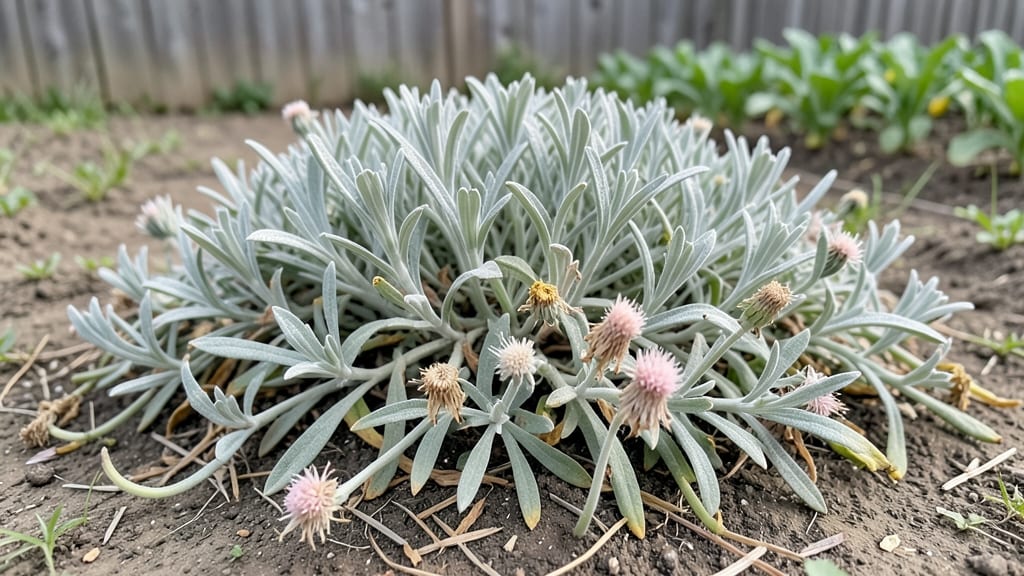
Pink straw flowers—those shockingly lush, papery blooms—transform any container into a sunlit statement piece. 🌸 I’ve used them to brighten shady patios, frame entryways, and even create floating arrangements in galvanized tubs. Their drought-tolerant nature means they’ll outlast most summer plants while still looking fresh.
The key to their magic lies in pairing them with the right neighbors: dusty miller for contrast, lavender for fragrance, or trailing thyme for texture. Containers with 10-12 inches of depth work best—just ensure they get full sun to keep those blooms popping.
I’ve seen them last 8-10 weeks in pots, making them the ultimate low-maintenance star.
Imagine a jewel-toned border that stays vibrant through heat waves, or a centerpiece that doesn’t wilt for weeks. These flowers bring that effortless, sun-drenched charm without the fuss. Whether you’re dressing up a balcony or creating a fireworks-worthy garden bed, they’re the secret weapon for long-lasting color.
They’re especially brilliant for seasonal transitions—plant them in spring for summer brilliance, or tuck them into fall containers for a frost-kissed finale. Their versatility makes them perfect for urban gardens, rooftops, or even window boxes. Let’s get creative with how you use them!
📚 In This Guide
- What you need
- Instructions
- Tips and common mistakes
- Wrapping up and next steps
What you need
- ● Pink straw flowers (e.g., Helichrysum petiolare or Coreopsis varieties): 3–5 healthy plants (check for vibrant pink blooms and sturdy stems).
- ● Container: 1–2 pots (10–14 inches wide) with drainage holes. Terracotta or fabric pots work best!
- ● High-quality potting mix: 1–2 bags of well-draining soil (look for a blend labeled for succulents or perennials).
- ● Perlite or sand: 1 small bag (to improve drainage—mix 1 part perlite/sand per 4 parts soil).
- ● Slow-release fertilizer: 1 packet (14-14-14 or similar, for balanced nutrition).
- ● Watering can or hose with a gentle nozzle: For even moisture without damaging stems.
- ● Hand trowel (for transplanting).
- ● Garden gloves (to protect your hands from soil).
- ● Pruning shears (to trim dead leaves or overgrown stems).
- ● Mulch (e.g., pebbles or decorative stones, for a polished look).
- ○ pH testing kit (optional, to ensure soil is slightly acidic to neutral, pH 6.0–7.0).
Step-by-step instructions for cultivating pink straw flowers in containers
Here’s how to coax those vibrant pink blooms into full, container-friendly glory—no greenhouse needed!
🌱 Step 1: Select the Perfect Container and Soil Mix
Pink straw flowers (Helichrysum petiolare) thrive in well-draining containers with holes for excess water escape. A 12-inch diameter pot per plant gives roots room to spread while keeping the plant manageable. I opt for unglazed terra cotta—it breathes, preventing root rot in their native Mediterranean climate.
Fill the container with a lightweight potting mix blended with 20% perlite or coarse sand. This ensures aeration and prevents the compacted, waterlogged soil that chokes their delicate roots. Press the mix down gently—just enough to remove air pockets, but don’t pack it like clay. The goal is a fluffy, almost powdery texture that mimics their dry, rocky habitats.
☀️ Step 2: Position for Maximum Sun Exposure
Pink straw flowers demand full sun—at least 6-8 hours daily—to trigger their signature blooms. A south-facing window or bright patio works, but if you’re indoors, supplement with a grow light kept 6-12 inches above the plant. Without enough light, stems stretch leggy and leaves lose their silvery hue.
Here’s the thing—these plants burn easily in intense afternoon sun. If your outdoor space gets harsh rays after noon, provide partial afternoon shade during peak summer months. You’ll know you’ve got the light right when leaves stay silvery-green and stems remain compact, not stretched.
💧 Step 3: Water with Precision—Less Is More
Overwatering is the #1 killer of pink straw flowers. Let the top inch of soil dry out completely between waterings—stick your finger in to check. When you feel dryness, water deeply until it drains from the bottom holes, then empty the saucer. These plants store water in their leaves, so they’re drought-tolerant once established.
Mistakes happen—if leaves yellow or stems soften, you’re overwatering. Adjust by watering only every 7-10 days in summer, even less in winter. In winter, reduce to every 2-3 weeks, as growth slows dramatically. The key is consistency: irregular watering stresses the plant, leading to weak blooms.
✂️ Step 4: Prune and Shape for Bushier Growth
Pinch back new growth by one-third when stems reach 4-6 inches tall. This encourages branching, leading to a fuller, more flower-covered plant. Use clean bypass pruners to snip just above a leaf node—avoid tearing the stems, which invites disease.
After flowering, cut back spent blooms to the nearest leaf node. This redirects energy into new growth rather than seed production. In late winter, give the plant a hard prune—cut all stems back to 2-3 inches from the base. It looks brutal, but you’ll see new shoots in 3-4 weeks and a bushier plant by spring.
🪴 Step 5: Fertilize Lightly for Long-Lasting Blooms
Feed pink straw flowers every 4-6 weeks during spring and summer with a balanced, water-soluble fertilizer (10-10-10 or 20-20-20). Dilute to half-strength—these plants are sensitive to salt buildup from over-fertilizing. In winter, skip fertilizer entirely as growth slows.
Here’s a pro tip: Flush the soil every 3 months with plain water to leach out excess salts. You’ll know it’s time when you see white crust on the soil surface or yellowing leaves despite proper watering. A thorough flush revives the plant and keeps blooms vibrant.
Tips & tricks for perfect pink straw flowers in containers
These game-changing tips will help you coax the most vibrant, long-lasting blooms from your pink straw flowers—no matter your growing conditions!
Container Material Matters: While unglazed terra cotta is ideal, you can use other materials as long as they have drainage holes. Plastic pots work fine for beginners, but they retain more moisture—so water slightly less frequently. If using plastic, consider adding a layer of gravel at the bottom to improve drainage. The key is mimicking their Mediterranean habitat's dry conditions, regardless of container type.
Light Adjustments for Indoor Growers: If you're keeping your pink straw flowers indoors, supplement with a grow light on a timer for 12-14 hours daily. Position the light 6-12 inches above the plant and keep it consistent—these plants need predictable light cycles to thrive. I've seen dramatic improvements when using LED grow lights on a 12-hour cycle, especially in winter when natural light is scarce.
Seasonal Watering Strategy: The 7-10 day watering schedule in summer is perfect, but don't forget to adjust for seasonal changes. In spring and fall, water every 10-14 days, and in winter, extend to every 3-4 weeks. The top inch soil test works year-round, but remember these plants store water in their leaves—so they can handle longer dry periods once established. Overwatering in winter is especially common when people don't adjust their schedule.
Pruning Timeline: That hard winter prune to 2-3 inches from the base might seem drastic, but it's the secret to spring rebirth. Time it right after the first hard frost when the plant is dormant. You'll be amazed at the fresh new growth that emerges within weeks. For container plants, this also prevents them from becoming top-heavy and tipping over during windy conditions.
Pro Tips for Pink Straw Flowers
- These game-changing tips will help you coax the most vibrant, long-lasting blooms from your pink straw flowers—no matter your growing conditions!
- Container Material Matters: While unglazed terra cotta is ideal, you can use other materials as long as they have drainage holes.
- Light Adjustments for Indoor Growers: If you're keeping your pink straw flowers indoors, supplement with a grow light on a timer for 12-14 hours daily.
Frequently asked questions
Got questions about growing and caring for pink straw flowers? You’re not alone! Here are some of the most common queries—and their straightforward answers—to help you nurture these stunning blooms like a pro.
How long do pink straw flowers (Helichrysum) typically bloom?
Pink straw flowers (often Helichrysum or Xerochrysum varieties) can bloom for 4–8 weeks per season, depending on climate. With proper care—like deadheading spent blooms and providing full sun—they may even rebloom lightly in mild winters. In containers, they thrive longer than in garden beds because their roots stay cooler.
When is the best time to plant pink straw flowers in containers?
For longest-lasting blooms, plant them in early spring (after the last frost) or late summer (6–8 weeks before the first frost). Containers warm up faster, so if you’re in a cooler zone, start seeds indoors 8–10 weeks before transplanting. Avoid planting too early—they hate soggy roots!
How often should I water pink straw flowers in pots?
These drought-tolerant beauties hate wet feet! Water containers only when the top inch of soil is dry (about once a week in summer, less in winter). Use pots with drainage holes and a well-draining soil mix (add perlite or sand). Overwatering causes root rot—check soil moisture with your finger before watering!
Can I grow pink straw flowers from cuttings or do I need to buy seeds?
Yes! Many Helichrysum varieties propagate easily from stem cuttings:
- Snap a 4–6 inch healthy stem at a node.
- Remove lower leaves and dip in rooting hormone (optional).
- Plant in moist potting mix and cover with a plastic bag until roots form (4–6 weeks).
What pests or diseases should I watch for with container-grown pink straw flowers?
These hardy plants are pest-resistant, but watch for:
- Aphids: Spray with water or neem oil if you see sticky residue.
- Powdery mildew: Improve airflow and avoid overhead watering.
- Root rot: Ensure pots drain well and don’t overwater.
Wrapping up and next steps
Pink straw flowers are the perfect blend of beauty and practicality—easy to grow, stunning in containers, and built to last! Whether you're a seasoned gardener or just starting, these blooms bring joy with minimal effort. 🌸
Ready to transform your space? Start small—pick a sunny spot, grab your supplies, and plant your first batch. Before you know it, you’ll be surrounded by vibrant pink blooms that keep giving all season long!
Pro tip: Share your progress with fellow plant lovers—inspiration spreads like wildflowers! 🌿