Flowers
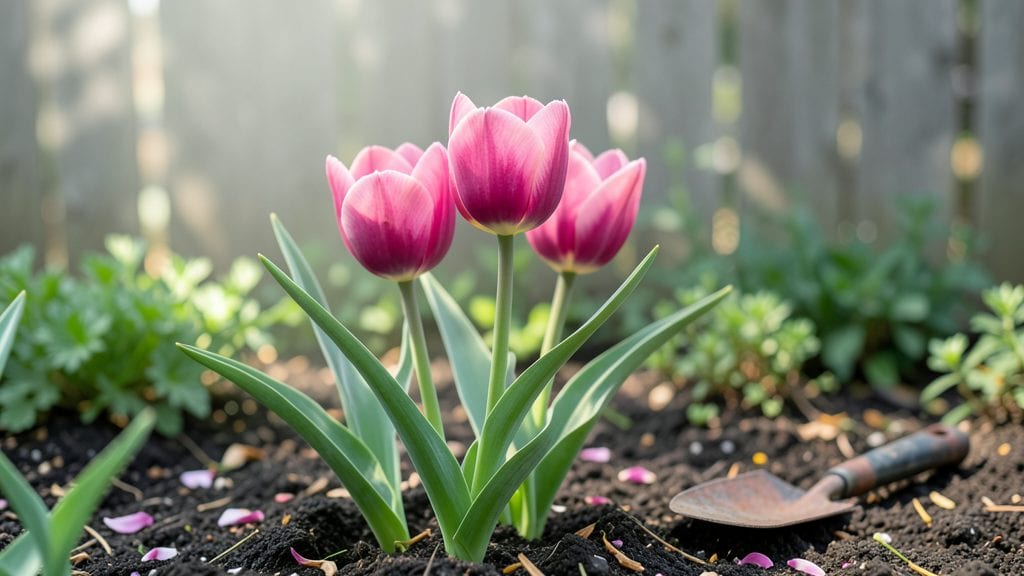
Pink tulips in the Pacific Northwest aren’t just flowers—they’re the bold, frost-proof stars of spring that turn muddy gardens into dreamy pastels. 🌸 I’ve designed borders with them that feel like stepping into a storybook, their petals holding up to rain and chilly winds when so many others wilt.
The secret lies in their timing: plant them in fall when the soil is cool but workable, and they’ll reward you with weeks of color before summer even arrives.
These tulips play beautifully with other Northwest favorites—try pairing them with deep purple hyacinths for contrast or soft white daffodils for a cottage-garden feel. They also shine in containers on patios or as cut flowers that last nearly a week in a vase.
The key is their versatility: they’ll look equally at home in a wild, naturalized meadow or a structured modern garden bed.
What you’ll love most is how effortless they make spring gardening. Once established, they multiply year after year, popping up like surprises in your landscape. Their vibrant pink hue lifts even the driest of Pacific Northwest springs, and they attract pollinators early when food is scarce.
For a garden that feels intentional but doesn’t require constant work, these are the tulips to trust.
Whether you’re creating a bold statement border or subtle container displays, pink tulips bring confidence to any design. They’re the perfect bridge between winter’s end and summer’s arrival—durable, cheerful, and impossible to resist. Let’s make your garden the envy of the neighborhood with these spring showstoppers.
📚 In This Guide
- What you need
- Instructions
- Tips and common mistakes
- Wrapping up and next steps
What you need
- ● Pink tulip bulbs: 10–20 bulbs (choose varieties like ‘Pink Parrot,’ ‘Queen of Night,’ or ‘Apeldoorn’ for PNW resilience).
- ● Well-draining soil: Mix of garden soil + compost (or potting mix for containers). Test pH (6.0–7.0 ideal).
- ● Sunlight access: 6+ hours of direct sun daily (partial shade in hot afternoons works too!).
- ● Watering can or hose: With a gentle spray nozzle for hydration.
- ● Mulch: 2–3 inches of straw, wood chips, or shredded leaves (protects roots in frost).
- ● Fertilizer: Balanced 10-10-10 or bulb-specific fertilizer (apply at planting + early spring).
- ● Garden trowel or bulb planter: For digging holes (6” deep, 4–6” apart).
- ○ Gloves: Optional but helpful for handling soil/bulbs.
- ● Ruler or measuring tape: Ensures proper spacing.
- ● Weather check: Plant bulbs 6–8 weeks before first frost (typically October–November in PNW).
- ● Container pots: 12”+ depth with drainage holes (for urban gardens).
- ● Epsom salt: 1 tbsp per bulb at planting for extra magnesium.
- ● Stakes or rings: To support tall varieties (like ‘Pink Parrot’).
- ● Slow-release fertilizer spikes: For low-maintenance nutrition.
How to grow pink tulips in the Pacific Northwest
Here’s how to get vibrant, frost-resistant pink tulips thriving in your PNW garden—no fuss, just stunning spring blooms.
🌱 Step 1: Choose the Right Varieties for Cold Climates
Pick Darwin Hybrid or Fosteriana tulips—they handle our region’s wet springs and late frosts like champs. These varieties bloom later than classic tulips, so they avoid frost damage while still delivering bold pink blooms. I always check the USDA zones on the packet—6-8 is ideal for the PNW.
Look for disease-resistant labels too. Our damp winters invite fungal issues, and resistant varieties like ‘Pink Parrot’ or ‘Queen of Night’ (with pink shades) stay healthier. Planting 4 bulbs per clump ensures a full, natural look without overcrowding.
🪴 Step 2: Plant Bulbs at the Perfect Time and Depth
Get those bulbs in the ground 6-8 weeks before your first hard frost—usually October in the PNW. Dig holes 6 inches deep (about 3 times the bulb’s height) and space them 4-6 inches apart. Too shallow, and they’ll pop up early and flop in wind or rain.
Mix the planting hole with compost—just a handful per bulb—to give roots a nutrient boost without overfeeding. I tap the soil lightly around each bulb to remove air pockets, then water deeply. The goal? Moist but not soggy soil—think of a damp sponge, not a swamp.
☀️ Step 3: Site for Sun and Shelter
Pink tulips crave full sun (6+ hours daily), but they’ll tolerate partial shade if the afternoon sun is brutal. In the PNW, that means morning sun + afternoon dappled light works fine. Avoid low spots where water pools—tulips hate soggy feet.
Here’s the thing: wind is the real enemy. Plant near a fence, hedge, or shrub to break gusts that can snap stems. If you’re in a windy coastal area, stake taller varieties like ‘Pink Diamond’ early—before blooms even appear—to prevent flopping.
💧 Step 4: Water and Feed for Long-Lasting Blooms
Water once a week after planting, then reduce to every 2-3 weeks once shoots appear. Overwatering in winter rots bulbs, but dry spells in spring mean sad, small flowers. You’ll know you’re golden when the soil feels damp 2 inches down—stick your finger in to check.
Feed with bulb fertilizer (high in phosphorus) in early spring when shoots are 3-4 inches tall. I use a 10-10-10 mix—just sprinkle it around the base and water it in. Skip summer feeding; tulips rest then, and extra nutrients encourage foliage over blooms next year.
✂️ Step 5: Deadhead and Prep for Next Year
Snip off spent blooms right after they fade, but leave the foliage until it yellows—that’s how the bulb stores energy for next spring. I resist the urge to tidy too soon; wilted leaves mean more flowers next year. Once the leaves turn brown, cut them back by half to keep the bed neat.
After blooming, mulch lightly with 2 inches of shredded bark to protect bulbs from winter rains. In late summer, add a slow-release bulb fertilizer to recharge the soil. Pink tulips often multiply—dig up and divide crowded clumps every 3-4 years to keep blooms vibrant.
Tips & tricks for perfect pink tulip blooms in the PNW
Here's what nobody tells you about growing pink tulips that'll have your neighbors green with envy—literally.
Variety Selection: While Darwin Hybrids and Fosterianas are your best bets for frost resistance, don't overlook Parrot tulips like 'Pink Parrot' for their striking ruffled petals. These varieties handle our wet springs better than classic tulips because they bloom later, avoiding late frosts. I've found that planting 4 bulbs per clump creates a fuller look while preventing overcrowding that leads to smaller blooms.
Planting Precision: That 6-inch depth recommendation isn't arbitrary—it's about protecting bulbs from frost heave (when freezing/thawing cycles push them up). In windy coastal areas, plant bulbs 1 inch deeper than the 6-inch guideline. I use a trowel to create holes just slightly wider than the bulb, then mix in 1 tablespoon of compost per bulb to give roots a head start. The key is firm but not packed soil—tap gently around each bulb to eliminate air pockets.
Wind Protection Strategy: Wind is the silent killer of tulip stems, especially in coastal PNW gardens. For taller varieties like 'Pink Diamond', I install 3-foot bamboo stakes at planting time—before any growth appears. This gives you a head start on support without disturbing roots later. In exposed areas, consider planting near evergreen shrubs or installing a low windbreak fence (even chicken wire works) to create a sheltered microclimate.
Fertilizer Timing: The early spring feeding with 10-10-10 fertilizer is critical, but timing matters more than most gardeners realize. Apply it when shoots reach 3-4 inches tall—this is when roots are actively growing but stems aren't yet competing for nutrients. I've learned the hard way that feeding too early (when bulbs are still dormant) wastes fertilizer, while feeding too late (after blooming) encourages foliage at the expense of next year's flowers. Skip summer feeding entirely—tulips need this rest period to store energy for next spring's blooms.
Pro Tips for Pink Tulips Flowers
- Here's what nobody tells you about growing pink tulips that'll have your neighbors green with envy—literally.
- Variety Selection: While Darwin Hybrids and Fosterianas are your best bets for frost resistance, don't overlook Parrot tulips like 'Pink Parrot' for their striking ruffled petals.
- Planting Precision: That 6-inch depth recommendation isn't arbitrary—it's about protecting bulbs from frost heave (when freezing/thawing cycles push them up).
Frequently asked questions
Got questions about pink tulips in the Pacific Northwest?
You’re not alone! Here are answers to the most common queries—from planting tips to care hacks—so you can grow a showstopping spring display with confidence.
When is the best time to plant pink tulips in the PNW?
For the Pacific Northwest’s frost-prone climate, plant pink tulip bulbs in early fall (September–October). This gives roots time to establish before winter, ensuring vibrant blooms in spring. Chill-resistant varieties like ‘Pink Parrot’ or ‘Fosteriana’ thrive here—just avoid soggy soil!
Can pink tulips survive PNW winters without extra protection?
Yes! Pink tulips are frost-hardy (USDA Zones 3–8), but mulch with straw or leaves after planting to shield bulbs from extreme cold. In very wet winters, elevate soil slightly or plant in raised beds to prevent rot. Most varieties bounce back year after year!
Why aren’t my pink tulips blooming—are they dying?
Don’t panic! Tulips often skip blooming if bulbs are too crowded or lack sunlight. Dig up and divide bulbs every 3–4 years, and ensure they get 6+ hours of sun daily. Over-fertilizing (especially nitrogen) can also stunt flowers—use a balanced bulb fertilizer instead.
What are some pink tulip alternatives for longer-lasting color?
For extended blooms, pair pink tulips with daffodils (yellow/white) or alliums (purple spheres). Both thrive in PNW conditions and bloom at different times. For cut flowers, try ‘Apeldoorn’ pink tulips—they last 7–10 days in vases!
How do I protect pink tulips from squirrels and deer?
PNW wildlife loves tulip bulbs! Deter pests by:
- Planting bulbs deep (8–10 inches) or in wire cages.
- Using hot pepper spray (mix cayenne + water) around the garden.
- Opting for ‘Darwin Hybrid’ tulips—they’re less appealing to critters.
Pro Tip: For extra-vibrant pink tulips, deadhead spent blooms but leave foliage until it yellows. This ensures next year’s bulbs store energy for bigger, bolder flowers!
Wrapping up and next steps
Pink tulips aren’t just a burst of color—they’re resilient symbols of hope that thrive even in the Pacific Northwest’s chilly springs.
Whether you’re admiring their delicate blooms in gardens, gifting them to brighten someone’s day, or growing them yourself, these flowers prove that beauty and hardiness go hand in hand. 🌸
Ready to bring more pink tulips into your life? Start small—plant a few bulbs this fall, or swap out a bouquet for a fresh arrangement. Every step, no matter how tiny, helps you connect with nature’s most cheerful surprises!