Flowers
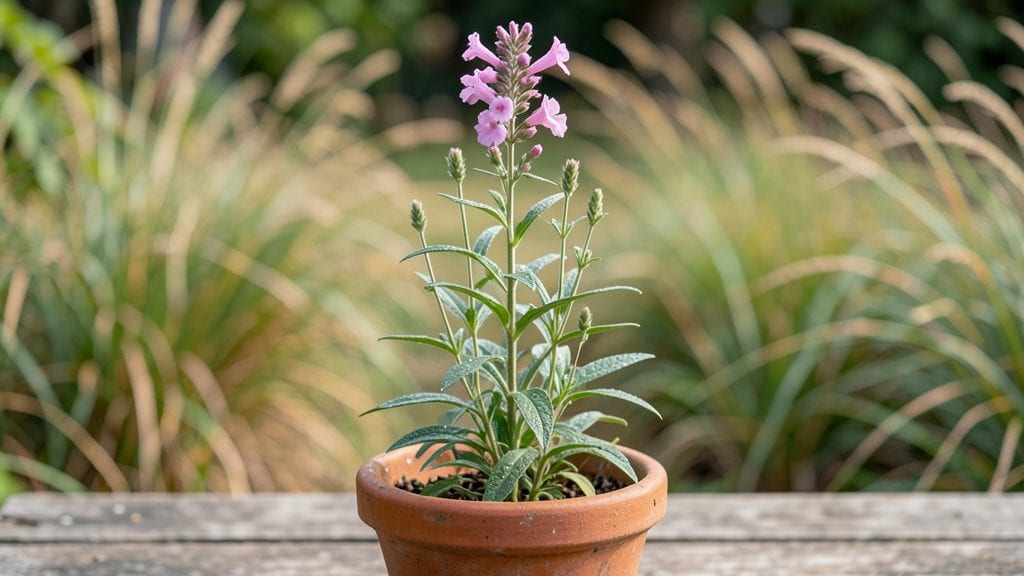
Pink verbena flowers bring a burst of fragrant charm to summer gardens that nothing else can match. 🌸 Their delicate, ruffled blooms cascade like confetti, turning borders and containers into living jewelry boxes.
I still remember the first time I saw them spilling over a terracotta pot—it felt like a secret garden in miniature, all soft pinks and whisper-thin petals.
These heat-loving beauties pair effortlessly with deep purples, crisp whites, or even bold green foliage for a look that feels both wild and polished. Try them alongside salvia or dusty miller for a drought-resistant combo that thrives all season long.
The fragrance alone—sweet and slightly citrusy—makes them irresistible for pollinator gardens too.
You’ll love how they transform any space: as a border, they create a soft, romantic edge; in containers, they become the star of the show. Even as cut flowers, their long stems hold up beautifully, adding a touch of garden magic to summer bouquets.
The best part? They keep blooming until frost, giving you months of effortless color.
Whether you’re designing a sun-drenched patio or a mixed perennial bed, pink verbena is the versatile star you didn’t know you needed. Let’s make your garden shine with these fragrant, sun-kissed blooms—no fuss, all beauty.
📚 In This Guide
- What you need
- Instructions
- Tips and common mistakes
- Wrapping up and next steps
What you need
- ● Pink Verbena Seeds or Plants: Seeds: 1 packet (50–100 seeds, non-GMO preferred for best results). Transplants: 3–5 healthy nursery-grown verbena plants (check for vibrant pink blooms and sturdy stems).
- ● Well-Draining Soil: 1–2 bags of potting mix or garden soil amended with perlite/sand (verbena hates soggy roots!).
- ● Containers or Garden Space: Containers: 5–10-inch pots (1 plant per pot) with drainage holes. Garden Beds: Full sun (6+ hours/day) and loose, rocky soil (verbena thrives in poor soil!).
- ● Fertilizer: Balanced granular fertilizer (10-10-10) or liquid bloom booster (follow package rates).
- ● Watering Can or Hose: With a gentle spray nozzle (verbena dislikes wet foliage).
- ● Pruning Shears: Sharp, clean pair for deadheading and shaping.
- ● Mulch: Light layer of gravel or pine bark to retain moisture and deter weeds.
- ● Garden Gloves: To protect hands while handling prickly stems.
- ● Epsom Salt: 1 tablespoon dissolved in water (monthly) for magnesium boost and vibrant blooms.
- ● Pest Control: Neem oil or insecticidal soap (if aphids or whiteflies appear).
- ● Stakes or Trellis: For trailing varieties (if growing vertically).
Step-by-step guide to growing lush pink verbena blooms
Here’s how to coax vibrant pink verbena into your garden with minimal fuss—once you get the light and spacing right.
🌱 Step 1: Select the Perfect Planting Spot
Pink verbena thrives in full sun, needing at least 6-8 hours of direct sunlight daily. I always scout the sunniest, most exposed corner of my garden—verbena wilts dramatically if shaded, even partially. The soil should drain like a sieve; these plants despise soggy roots.
Test drainage by digging a 6-inch hole, filling it with water, then waiting to see how quickly it drains. If it pools after 30 minutes, amend the soil with 2-3 inches of coarse sand or perlite before planting. Verbena’s roots need oxygen as much as water.
💧 Step 2: Plant at the Right Time and Depth
Wait until after the last frost date in your zone, then plant verbena in early spring for summer-long blooms. Dig holes twice as wide as the root ball but only slightly deeper—verbena sits just below soil level, with the crown (where stems meet roots) exposed to prevent rot.
Space plants 12-18 inches apart—crowding triggers fungal diseases like powdery mildew. I tap the hole gently to loosen roots, then backfill with native soil mixed with 1 cup of compost per plant. Water deeply right after planting to settle the soil and eliminate air pockets.
☀️ Step 3: Water Strategically for Heat Tolerance
Verbena’s secret weapon is drought resistance, but young plants need consistent moisture for the first 4-6 weeks. Water deeply every 2-3 days until the top 2 inches of soil feel dry—never let it sit soggy. Mature plants only need 1 inch of water weekly, delivered at the base to avoid wetting foliage and inviting pests.
I water in the early morning to let leaves dry before evening humidity sets in. Overhead watering in heat causes leaf scorch, and verbena’s delicate blooms bruise easily. Mulch with 1-2 inches of shredded bark to lock in moisture and keep roots cool.
✂️ Step 4: Prune for Continuous Blooms
Deadhead spent blooms weekly by snipping stems back to the nearest leaf node—this triggers nonstop regrowth. I use clean, sharp pruners to avoid tearing stems, and I never cut more than ⅓ of the plant at once. Verbena blooms on new growth, so aggressive pruning in late summer can stunt fall flowers.
After the first hard frost, cut plants back by half to encourage fresh spring growth. I always sterilize pruners with rubbing alcohol between cuts to prevent bacterial spread. Avoid pruning in wet conditions—damp stems invite fungal infections.
🪴 Step 5: Fertilize Lightly for Fragrance and Color
Verbena needs minimal feeding—too much fertilizer produces lush foliage but sparse blooms. Mix ½ teaspoon of balanced 10-10-10 fertilizer into the planting hole, then apply every 6-8 weeks during the growing season. I switch to a low-phosphorus formula (5-5-5) in late summer to boost flower production.
Water thoroughly after fertilizing to prevent root burn. I’ve learned the hard way that verbena’s delicate roots reject heavy-handed feeding. If leaves yellow between veins, flush the soil with 2 inches of water to leach excess salts.
Tips & tricks for perfect pink verbena blooms
These tried-and-true insights will help you coax the most vibrant, fragrant pink verbena blooms from your garden—without the common pitfalls that leave plants struggling.
Sunlight Secret: The 6-8 hours of direct sunlight requirement is non-negotiable for pink verbena. I've learned this the hard way—even partial shade can cause leaves to yellow and flowers to fade. If your garden doesn't offer full sun, consider container gardening where you can move plants to follow the sun's path throughout the day. Morning sun with afternoon shade works in extreme heat zones, but blooms will be less prolific.
Drainage is Everything: That 30-minute drainage test in Step 1 is your best friend. I've seen verbena roots rot spectacularly in heavy clay soil, so don't skip this step! For containers, use a mix with 50% potting soil and 50% perlite or coarse sand. The goal is to mimic the well-draining conditions verbena craves in its native Mediterranean habitat. A layer of small pebbles at the bottom of pots adds an extra drainage boost.
Pruning Precision: When deadheading those spent blooms weekly, always cut back to the nearest leaf node—never just the flower head. This encourages bushier growth and more blooms. I use small floral shears for this task because regular pruners can crush delicate stems. The ⅓ rule applies here too: never remove more than one-third of the plant's foliage at once, or you'll shock the plant and delay flowering.
Fertilizer Finesse: That ½ teaspoon of 10-10-10 fertilizer in the planting hole might seem minimal, but verbena's delicate roots can't handle more. I've made the mistake of using too much, which resulted in lush green leaves but almost no flowers. For container plants, I use half-strength fertilizer every 8 weeks instead of the full dose. And remember—water thoroughly after fertilizing to prevent root burn, which can happen even with proper amounts.
Pro Tips for Pink Verbena Flower
- These tried-and-true insights will help you coax the most vibrant, fragrant pink verbena blooms from your garden—without the common pitfalls that leave plants struggling.
- Sunlight Secret: The 6-8 hours of direct sunlight requirement is non-negotiable for pink verbena.
- Drainage is Everything: That 30-minute drainage test in Step 1 is your best friend.
Frequently asked questions
Got questions about growing or caring for pink verbena flowers? You’re not alone! Here are some of the most common queries—plus straightforward answers to help your garden thrive.
When is the best time to plant pink verbena?
Plant Verbena bonariensis (pink verbena) in early spring after the last frost or in late summer for a fall bloom. If starting from seeds, sow them indoors 8–10 weeks before the last frost. These heat-loving flowers despise cold, so avoid planting in fall if your winters are harsh.
Why aren’t my pink verbena flowers blooming?
Pink verbena may skip blooms if it’s overcrowded, underwatered, or lacking sunlight. Deadhead spent flowers regularly, and ensure it gets 6+ hours of sun daily. If using fertilizer, opt for a low-nitrogen, high-phosphorus blend to encourage flowering. Pro tip: Prune leggy stems in early spring to promote bushier growth.
How do I keep pink verbena alive in extreme heat?
Pink verbena thrives in heat but needs consistent moisture—water deeply 2–3 times per week during dry spells. Mulch around the base to retain soil moisture and protect roots. If your area hits 100°F+, provide afternoon shade temporarily. Avoid overhead watering to prevent fungal issues.
What are some low-maintenance alternatives to pink verbena?
If pink verbena seems too high-maintenance, try these drought-tolerant, heat-loving alternatives:
- Lantana: Vibrant clusters, attracts pollinators, and thrives in poor soil.
- Salvia (e.g., ‘May Night’): Long blooms, deer-resistant, and drought-proof.
- Zinnias: Easy to grow, cut-and-come-again blooms, and come in pink!
- Blackfoot Daisy: Silvery foliage, pink/purple blooms, and zero fuss.
How do I prevent pests from eating my pink verbena?
Pink verbena is generally pest-resistant, but aphids and spider mites may appear in dry conditions. Spray plants with a hose to dislodge pests, or use neem oil as a natural deterrent. Encourage beneficial insects like ladybugs by planting companion flowers like marigolds. Avoid chemical pesticides—they can harm pollinators!
Wrapping up and next steps
From their delicate pink blooms to their hardy nature in hot climates, pink verbena flowers are the perfect addition to any garden—easy to grow, fragrant, and bursting with charm! 🌸 Whether you’re a seasoned gardener or just starting, these beauties reward patience with stunning displays and low-maintenance care.
Ready to bring a splash of color to your outdoor space?
Your next step? Plant a few seeds or cuttings today—start small, experiment with companion plants, and watch your garden transform into a fragrant haven. Happy gardening! 🌿