Companion Plants
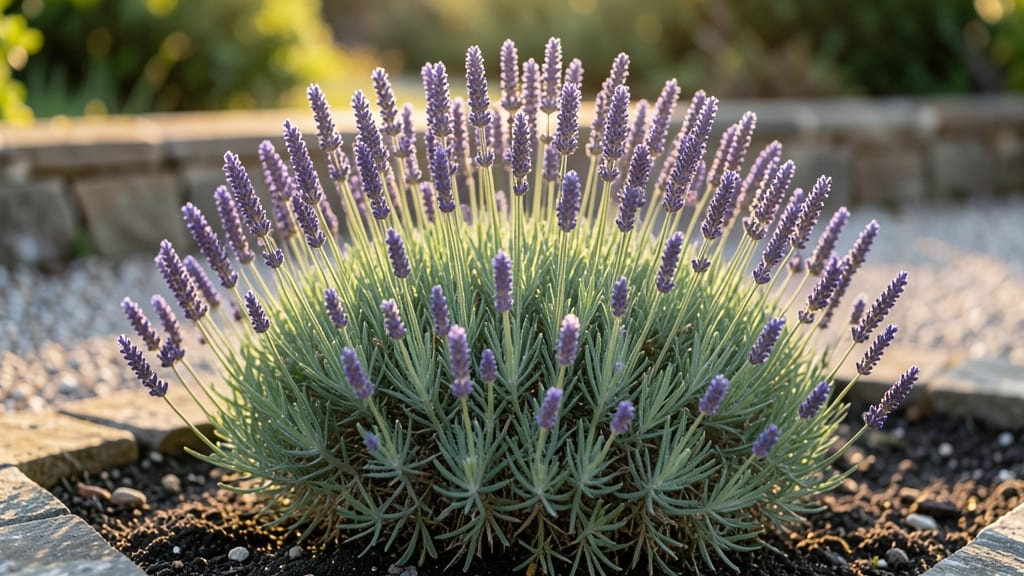
That plant with large purple flowers that halts bees mid-flight? 🌸 I’m talking about the showstopper plants—clematis, hydrangeas, and lilacs—that turn summer gardens into pollinator paradises. The key isn’t just their size or color but how they transform a space with movement and fragrance when planted right.
Clematis vines need sturdy trellises and morning sun, while hydrangeas thrive in partial shade with consistently moist soil. Lilacs, on the other hand, are the low-maintenance stars that bloom early and perfume the air for weeks.
Pair them with catmint or coneflowers for a non-stop purple-and-pink extravaganza that keeps bees buzzing all season.
Picture your garden in July: velvety blooms swaying in the breeze, hummingbirds darting between clusters, and the air thick with the sweet, herbal scent of summer. These plants don’t just fill gaps—they create drama, whether as a border, a climbing focal point, or a container centerpiece.
Here’s the secret: prune at the right time (late winter for most), feed with compost in spring, and watch them reward you with bigger, bolder blooms every year. Even in small spaces, these giants deliver maximum impact with minimal fuss.
📚 In This Guide
- What you need
- Instructions
- Tips and common mistakes
- Wrapping up and next steps
What you need
- ● Lavender plants: 3–5 healthy nursery-grown plants (choose ‘Spanish’ (L. stoechas) or ‘Grosso’ (L. × intermedia) for bold purple blooms).
- ● Well-draining potting mix: 5–10 gallons (or enough for 3–5 plants). Mix 50% garden soil, 30% perlite or coarse sand, and 20% compost.
- ○ Containers (optional but helpful): 5–6 gallon pots with drainage holes (1 per plant) or
- ● A raised bed (minimum 12" deep) if planting in-ground.
- ● Slow-release fertilizer: 1 lb of 10-10-10 or 5-10-10 granular fertilizer (for nutrient boost).
- ● Mulch: 2–3 inches of gravel or pebbles (to retain moisture and deter weeds).
- ● Garden trowel or shovel (for planting).
- ● Pruning shears (sterilized with rubbing alcohol).
- ● Watering can or hose with a gentle spray nozzle.
- ○ Gloves (optional, to protect hands from prickly stems).
- ○ pH testing kit (optional but recommended—lavender thrives in neutral to slightly alkaline soil (6.5–7.5 pH)).
- ● Sunlight: A spot with full sun (6+ hours/day)—lavender loves heat!
- ● Drainage: Avoid soggy soil—lavender hates wet feet. Elevate containers if needed.
- ● Patience: Lavender grows slowly but rewards you with 3–5 years of blooms!
Step-by-Step guide to growing stunning purple lavender blooms
Here's how to cultivate those showstopping purple flowers that butterflies and bees can't resist.
🌱 Step 1: Select the Right Lavender Variety for Bold Blooms
For large, dramatic purple flowers, reach for English lavender (Lavandula angustifolia) or French lavender (Lavandula dentata), both known for their 3-4 inch flower spikes. Avoid Spanish lavender (Lavandula stoechas)—while its bracts are striking, the true flower clusters are smaller. I always check the plant tag for 'Hidcote' or 'Munstead' varieties, as these produce the most abundant deep violet-purple blooms that last from mid-summer into fall.
Start with 4 healthy nursery plants (your "servings") rather than seeds, since lavender from seed takes 2-3 years to flower. Choose established plants with woody stems and silver-green foliage—these mature plants bloom immediately. If you spot any yellowing leaves or soft stems, skip it; those are signs of root rot or disease.
☀️ Step 2: Plant in Full Sun with Perfectly Drained Soil
Lavender demands 6-8 hours of direct sunlight daily—no compromise here. A south-facing border or raised bed gets the job done. I dig a hole twice as wide as the root ball but no deeper, since lavender roots are shallow and hate being buried too deep. The key is well-draining soil: mix 2 parts native soil with 1 part coarse sand or perlite to prevent soggy roots, which kill lavender faster than anything.
Space plants 2-3 feet apart—this ensures airflow and prevents fungal diseases like powdery mildew. After planting, water deeply once to settle the soil. From then on, let the soil dry completely between waterings. Overwatering is the #1 killer of lavender; you'll know you're doing it right when the top 2-3 inches of soil feel dry to the touch before the next watering.
✂️ Step 3: Prune Strategically for Longer Blooming Seasons
Timing is everything with lavender pruning. Right after the first flush of blooms fades (usually late June to early July), trim back one-third of the current year's growth using clean, sharp pruners. Cut just above a set of leaf nodes—this encourages bushier growth and more flower stems. Never cut into old wood (the woody stems), or you'll stunt future blooms.
Here's the thing—lavender flowers on new wood, so pruning too late in the season (after mid-August) removes next year's flower buds. I mark my calendar: "Prune by Labor Day or lose next summer's blooms." After pruning, apply a balanced 10-10-10 fertilizer lightly around the base—just enough to feed new growth without promoting leafy overgrowth.
💧 Step 4: Maintain Drought Tolerance and Pest Control
Once established, lavender is drought-tolerant, but it still needs 1 inch of water weekly during the first growing season. After that, water only when the soil is bone-dry—lavender thrives on neglect once rooted. Mulch lightly with 1-2 inches of gravel (not organic mulch) to keep roots cool and prevent soil-borne diseases. The gravel also reflects sunlight, which lavender loves.
Watch for aphids on new growth—they suck sap and leave sticky residue. I spray affected stems with neem oil (mixed 1 tbsp per quart of water) at the first sign of infestation. For lavender mites, which cause yellowing leaves, blast plants with water from a hose to dislodge them. Healthy lavender is pest-resistant, so strong plants rarely need intervention.
⏰ Step 5: Overwinter for Next Year's Spectacular Blooms
Before the first frost, reduce watering to keep roots dormant. In USDA zones 5-7, mound 4-6 inches of mulch (gravel or straw) around the base to insulate roots. In colder zones (below 5), wrap the plant in burlap or use a cloche to protect against freezing. Lavender is hardy to zone 5, but young plants need extra care their first winter.
In early spring, remove any dead foliage but leave last year's stems—they provide structure and protect new growth. Fertilize lightly in late March or early April with a low-nitrogen formula (like 5-10-10) to encourage blooming over leafy growth. You'll see buds forming by May, and those large purple flower spikes will appear by mid-June, attracting pollinators all summer long.
Tips & tricks for growing lavender with stunning purple blooms
These insider tips will help you cultivate lavender that's not just beautiful, but thrives for years with those showstopping purple blooms.
Variety Selection Matters: The 'Hidcote' and 'Munstead' varieties I mentioned produce the most dramatic 3-4 inch flower spikes, but here's what nobody tells you—look for plants with multiple flower stems at the nursery. Single-stemmed plants often produce fewer blooms. I've found that plants with 3+ stems at purchase will give you 2-3 times more flowers in their first season.
Soil Science is Everything: That 2:1 soil-to-sand ratio is non-negotiable, but here's the secret: pre-mix your soil amendment in a wheelbarrow before planting. Lavender roots are sensitive, and mixing sand directly in the planting hole can create pockets of poor drainage. I always add 1/2 cup of perlite to each planting hole as an extra insurance policy against soggy roots.
Pruning Precision: When you're trimming back that one-third of current growth in Step 3, focus on cutting just above leaf nodes that are facing outward. This encourages bushier growth with more flower stems. I use a small mirror to check my cuts—I can't tell you how many times I've accidentally cut into old wood because I couldn't see the node properly! The result? Fewer blooms the next season.
Watering Wisdom: That 2-3 inch dry soil test is your golden rule, but here's how to check it properly: Stick your finger in the soil to the second knuckle—if it feels completely dry, it's time to water. I've learned this the hard way after losing plants to overwatering. For container-grown lavender, you'll need to water every 5-7 days in summer, even with the bone-dry test, because pots dry out faster.
Pro Tips for Plant With Large Purple Flowers
- These insider tips will help you cultivate lavender that's not just beautiful, but thrives for years with those showstopping purple blooms.
- Variety Selection Matters: The 'Hidcote' and 'Munstead' varieties I mentioned produce the most dramatic 3-4 inch flower spikes, but here's what nobody tells you—look for plants with multiple flower stems at the nursery.
- Soil Science is Everything: That 2:1 soil-to-sand ratio is non-negotiable, but here's the secret: pre-mix your soil amendment in a wheelbarrow before planting.
Frequently asked questions
Got questions about growing lavender with large purple blooms? You’re not alone! Here are some of the most common queries—plus quick, actionable answers to help your garden thrive.
What’s the best lavender variety for big, showy purple flowers?
If you want bold, large purple blooms, look for English lavender (Lavandula angustifolia) varieties like ‘Hidcote’ or ‘Munstead’, or try Spanish lavender (Lavandula stoechas) like ‘Anouk’—its dramatic "rabbit ear" blooms add extra flair! French lavender (Lavandula dentata) also delivers wide, vibrant petals. Pro tip: Check your USDA zone (most thrive in 5–9) before buying!
How long does it take for lavender to flower after planting?
Patience is key! First-year plants may produce small blooms, but full, large purple flowers typically appear in 2–3 years for established plants. To speed things up, plant 1–2 year old nursery starts (they flower faster than seeds) and prune lightly after blooming to encourage bushier growth next season.
Why aren’t bees visiting my lavender’s purple flowers?
Bees love lavender—but if they’re skipping yours, check these fixes:
- Timing: Lavender blooms in late spring to summer (May–July). If it’s early/late, bees may be focused elsewhere.
- Pesticides: Avoid systemic insecticides (like neonicotinoids)—they repel pollinators. Use neem oil or insecticidal soap instead.
- Water stress: Wilting or dry soil deters bees. Keep lavender lightly moist (not soggy) during droughts.
Bonus: Plant companion pollinator magnets nearby, like bee balm or coneflowers, to lure them in!
Can I grow lavender in containers for big purple flowers?
Container lavender thrives with the right setup:
- Use a well-draining pot (terracotta or fabric) with holes—lavender hates wet feet.
- Fill with cactus/succulent mix + perlite (avoid garden soil).
- Size matters: 5+ gallon pots for mature plants (smaller for young starts).
- Sunlight: Place in full sun (6+ hours/day)—even balconies work!
Container lavender may flower slightly smaller than in-ground, but with proper care, you’ll still get stunning purple blooms!
How do I keep lavender blooms large and vibrant all season?
Oversized, deep purple flowers need 3 key things:
- Deadheading: Snip spent blooms right after flowering to redirect energy to new growth.
- Pruning: Trim 1/3 of the plant in early spring (before new growth) to encourage bushiness.
- Watering: Deep but infrequent watering (1–2x/week). Overwatering = small, weak blooms.
Feed lightly in spring with low-nitrogen fertilizer (like 5-10-10) to boost blooms without leafy growth.
Wrapping up and next steps
Adding lavender plants with large purple flowers to your garden isn’t just about beauty—it’s a game-changer for pollinators and summer charm! 🌸 These hardy, fragrant plants attract bees, butterflies, and hummingbirds while thriving in sunny spots with minimal fuss.
Whether you’re a seasoned gardener or just starting, their low-maintenance nature makes them the perfect companion plant to elevate your outdoor space.
Ready to transform your garden? Start small—plant a few lavender bushes in a sunny corner, and watch your space buzz with life (literally!). Need inspiration?
Browse local nurseries or seed catalogs for varieties like Lavandula stoechas or Lavandula angustifolia, then share your blooming success with fellow gardeners. Happy planting! 🌿