
Flowers
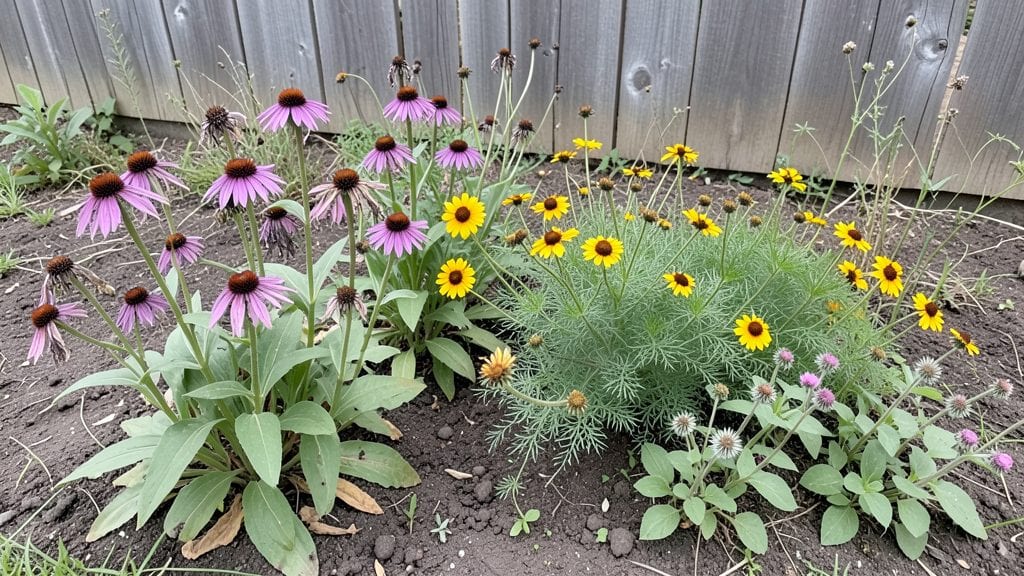
Planting wildflowers without tilling saves your back and the soil ecosystem—no shovel, no fuss. 🌿 I’ve turned my sunniest patch into a buzzing meadow just by scraping back the top layer of grass and sprinkling seeds on top.
The key is choosing the right seeds and letting nature do the rest.
The secret lies in native, low-maintenance varieties that thrive in undisturbed soil. Skip the tilling entirely—just rake or scratch the surface lightly to create tiny seedbeds, then press seeds in lightly.
Water gently but thoroughly, and within weeks, you’ll see tiny sprouts pushing through the grass. This method works even in dry spells because wildflowers are built to survive.
By summer’s end, you’ll have a vibrant, pollinator-friendly display that requires almost no upkeep. Weeds stay at bay naturally as wildflowers establish, and you’ll spend less time weeding and more time watching bees and butterflies visit.
The best part? This technique builds healthy soil over time, making future plantings even easier.
Perfect for meadows, roadside edges, or even small containers. Once you try it, you’ll never till again—your soil (and your back) will thank you. Let’s get those seeds in the ground the easy way!
📚 In This Guide
- What you need
- Instructions
- Tips and common mistakes
- Wrapping up and next steps
What you need
- ● Wildflower seeds: Choose native, non-invasive varieties (e.g., Echinacea, Rudbeckia, or Coreopsis). Aim for 1–2 lbs per 100 sq ft for a lush meadow.
- ● Compost or organic matter: 1–2 inches of well-aged compost, leaf mold, or straw to enrich the soil.
- ○ Mulch (optional but helpful): Straw, wood chips, or pine needles (2–3 inches) to retain moisture and suppress weeds.
- ● Garden rake: A bend-resistant, heavy-duty rake (8–12 teeth) to loosen soil and level the area.
- ○ Hoe or broadfork (optional): For breaking up compacted soil lightly—only if needed!
- ● Garden gloves: A pair of durable, breathable gloves to protect your hands.
- ● Watering can or hose: With a fine-mist nozzle for gentle watering.
- ○ Seed spreader (optional): A handheld or broadcast spreader for even seed distribution.
- ● Sunlight: A full-sun spot (6+ hours/day) for most wildflowers—check seed packet guidelines.
- ● Well-draining soil: Avoid soggy areas; amend clay soil with compost if needed.
- ● Patience: Wildflowers thrive with minimal intervention—no tilling required!
How to plant wildflowers without tilling for a low-maintenance meadow
This method saves your back and preserves soil health—no digging required.
🌱 Step 1: Clear Debris and Loosen Soil Surface Gently
Start by removing any large rocks, weeds, or plant debris from your chosen area. Use a rake or stiff brush to clear away surface litter, but avoid disturbing the soil more than ½ inch deep. The goal is to create a smooth, open seedbed without breaking up the natural soil structure. I like to work in 4-foot by 4-foot sections to keep the process manageable.
Lightly scratch the soil surface with a broadfork or hand cultivator—just enough to create small furrows where seeds can nestle. Think of it like scratching the surface of a cake before sprinkling frosting. This prevents seeds from landing on a hard, compacted crust that would block germination. If your soil is very dense, a quick pass with a wooden board (like a 2x4) dragged across the surface can help break up the top layer without tilling.
💧 Step 2: Spread Wildflower Seeds Evenly
Pour your wildflower seed mix onto a hardboard or shallow tray to make measuring easier. For a 4-foot by 4-foot area, you’ll need about ½ pound of seed mix—check the seed packet for exact coverage rates. Scatter seeds lightly and evenly by hand, walking slowly and keeping your arm extended to avoid clumping. I like to work in one direction first, then turn 90 degrees and go again to catch any missed spots.
Don’t press seeds into the soil—just let them settle into the loose surface. If wind is a concern, lightly mist the area with water to help seeds stick. You’ll see some seeds land in clusters, but that’s okay. Wildflowers thrive in natural groupings, and over time, they’ll fill in beautifully. For best results, plant on a cool, cloudy day to prevent seeds from drying out or blowing away.
☀️ Step 3: Cover Seeds Lightly and Water Gently
Use a light layer of straw or leaf mulch (about ¼ inch thick) to protect seeds from birds and drying out. Avoid heavy mulch—it can smother seeds or prevent light from reaching them. A fine layer of compost or peat moss works too, but skip anything that might compact the soil. Spread the mulch evenly with your hands or a lightweight rake, being careful not to disturb the seeds underneath.
Water the area gently but thoroughly with a fine-mist spray nozzle or soaker hose. The soil should be moist to a depth of 1 inch, but not soggy. Think of it like watering a sponge—just enough to dampen, not soak. Water in the early morning or late afternoon to reduce evaporation. Avoid heavy watering after planting, as it can wash seeds away or create a crust that blocks germination. You’ll know you’ve done it right when the soil looks damp but not glistening.
⏰ Step 4: Monitor and Maintain Until Germination
Keep the seedbed consistently moist (but not wet) for the first 2-4 weeks—this is critical for germination. Check the soil daily with your finger: if the top ½ inch feels dry, give it a light watering. Use a soaker hose or drip irrigation to avoid disturbing the seeds. Wildflower seeds germinate at different rates, so don’t be surprised if you see the first sprouts in 7-14 days, with others appearing over the next 2-3 weeks.
Once seedlings emerge, reduce watering slightly but keep the area moist. Thin seedlings if they’re too crowded (though wildflowers often self-thin naturally). Avoid walking on the bed until plants are at least 2-3 inches tall—their delicate roots are easy to damage. If weeds start to compete, pull them by hand or use a hula hoe to disturb them without harming the wildflowers. Patience is key here: wildflowers grow slowly at first but reward you with vibrant blooms in their second year.
Tips & tricks for perfect wildflower meadows
A few simple tricks will help your wildflower meadow thrive without all the digging.
Soil Prep Secret: In Step 1, if your soil feels particularly compacted, try "puddling" it first. Walk across the area a few times to compress it, then use a board to create a rough surface—this actually helps seeds make better contact with the soil. I've found this works especially well on clay-heavy soils where water pools. The key is to work just the top ½ inch, never deeper.
Seed Distribution Hack: For Step 2, when scattering seeds, try this method: Divide your seed mix into four equal portions. Scatter one portion in each corner of your 4-foot section, then walk diagonally across the center, scattering the remaining seeds as you go. This creates a more natural, even distribution than walking in straight lines. The ½ pound for 4-foot sections is perfect—don't be tempted to use less, even if your mix seems expensive.
Mulch Matters: In Step 3, when choosing your mulch, opt for something with good airflow like straw or leaf mulch. Avoid grass clippings—they can mat down and block light. I've had great success with shredded leaves too, but avoid anything that might contain weed seeds. The ¼-inch layer is ideal—just enough to protect seeds without smothering them. Think of it like a cozy blanket for your seeds.
Watering Wisdom: For the critical 2-4 week moisture period in Step 4, consider setting up a simple drip irrigation system. Even a DIY setup with soaker hoses on timers can make all the difference. The goal is consistent moisture—not soggy soil. I've seen many gardeners overwater because they think more is better, but wildflower seeds need gentle, frequent hydration to germinate properly. Check that top ½ inch daily—if it's dry, it's time to water.
Pro Tips for Planting Wildflowers Without Tilling
- A few simple tricks will help your wildflower meadow thrive without all the digging.
- Soil Prep Secret: In Step 1, if your soil feels particularly compacted, try "puddling" it first.
- Seed Distribution Hack: For Step 2, when scattering seeds, try this method: Divide your seed mix into four equal portions.
Frequently asked questions
Got questions about planting wildflowers without tilling? You're not alone!
Here are some of the most common concerns—and their simple, no-stress solutions.
Can I plant wildflowers without tilling in clay soil?
Clay soil can actually help retain moisture for wildflowers. Before planting, simply score the surface with a broadfork or garden weeder to create shallow furrows (about ¼-inch deep). This breaks up compaction just enough for seeds to nestle in. For extra help, mix in a thin layer of compost or sand to improve drainage.
What’s the best time of year to plant wildflowers without tilling?
Fall is your golden window! Plant seeds in late summer to early fall (4–6 weeks before your first frost) to let nature’s chill do the work. The cold stratifies seeds, mimicking their natural germination cycle. Spring planting is also fine, but watering will be critical until roots establish. Avoid planting in peak summer heat—seeds dry out fast!
Do I need to remove weeds before planting?
Not necessarily! Wildflowers thrive in competition. Instead of tilling, smother weeds with cardboard or thick layers of newspaper (shredded) topped with compost. This blocks sunlight and breaks down over time. For stubborn weeds, hand-pull them before planting, but focus on clearing a 3–4 inch layer of soil—wildflowers will outcompete weeds as they grow.
How often should I water wildflower seeds after planting?
Keep the soil consistently moist (not soggy) for the first 2–3 weeks. Water lightly daily or every other day, using a gentle spray nozzle to avoid displacing seeds. Once seedlings sprout, reduce watering to 1–2 times per week. Native wildflowers are drought-tolerant once established—overwatering can actually harm them!
Will insects or birds eat my wildflower seeds before they sprout?
Yes, but it’s part of the ecosystem! To minimize losses, plant seeds in late afternoon when birds and insects are less active. Use a lightweight mulch (like straw) to anchor seeds and deter foraging. If you’re worried, try a wildflower seed mix with larger seeds (like sunflowers or coneflowers), which are less appealing to birds.
Wrapping up and next steps
Planting wildflowers without tilling is a game-changer—it’s easy, eco-friendly, and rewards you with vibrant blooms while protecting your soil’s health. By skipping the tilling step, you’re saving time, reducing effort, and creating a thriving habitat for pollinators.
Whether you’re a beginner or a seasoned gardener, this method proves that beautiful gardens don’t require backbreaking work!
Ready to dive in? Start small—pick a sunny patch, gather your seeds, and give it a try this season. Your future wildflower meadow (and the bees!) will thank you. 🌼✨