
Companion Plants
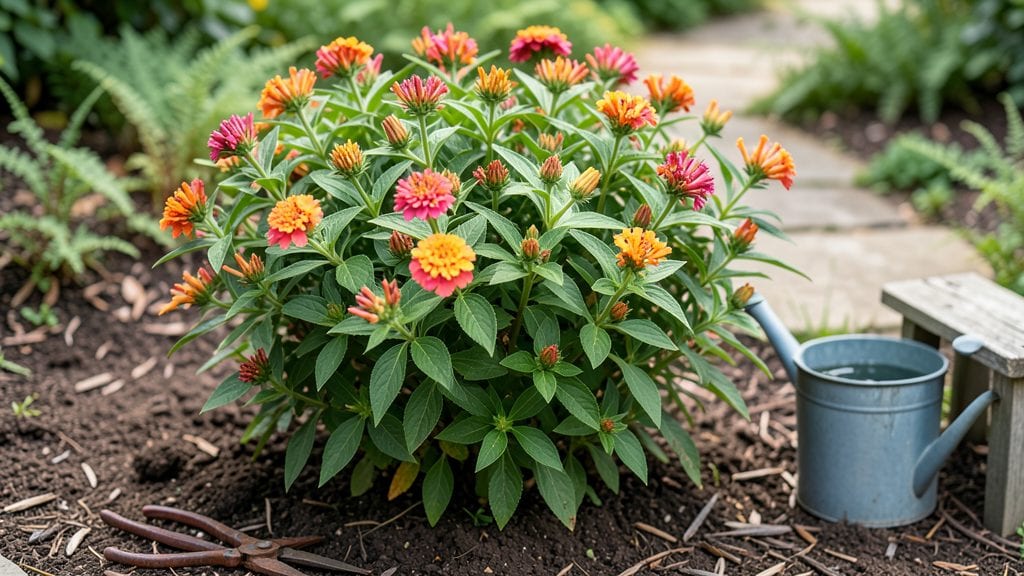
Finding plants that flower all summer without dead zones is the secret to a garden that never stops showing off. 🌸 I used to get frustrated with my summer blooms fading by July, but after swapping out a few plants, my garden now looks like a postcard from June through September.
The key isn't just choosing long-blooming varieties—it's pairing them with the right care to keep them producing.
Start with petunias and zinnias—they're the workhorses of summer color, blooming from early June until frost if you deadhead regularly. Add coneflowers and black-eyed Susans for height and texture, and don't forget salvias for their fragrant spikes that hummingbirds adore.
These plants thrive in full sun and well-drained soil, making them perfect for borders, containers, or cutting gardens.
What you'll end up with is a garden that stays vibrant even when other plants take a break. Imagine walking past pink petunias spilling over a pot, purple coneflowers nodding in the breeze, and orange zinnias popping against green foliage—all at the same time.
The best part? These combinations attract pollinators all season long, turning your yard into a buzzing ecosystem.
Works for any sunny spot, whether you're filling in gaps between perennials or creating a full summer display. The secret is simple: choose the right plants, give them consistent water, and keep cutting back spent blooms. Your garden will thank you with color that never quits.
📚 In This Guide
- What you need
- Instructions
- Tips and common mistakes
- Wrapping up and next steps
What you need
- ● Plants: Choose from these top performers (select 3–5 for variety): 1–2 Zinnias (e.g., 'Benary’s Giant' or 'Profusion' series)
- ● 1–2 Marigolds (e.g., 'French' or 'African' varieties)
- ● 1 Cosmos (e.g., 'Sensation' or 'Bright Lights')
- ● 1 Lantana (heat-loving, drought-tolerant)
- ● 1 Pentas (e.g., 'Lavender Falls' for hummingbirds)
- ● Potting Mix: 5–10 gallons of well-draining potting soil (e.g., Miracle-Gro Potting Mix or a 60/40 blend of peat/perlite)
- ● Containers or Garden Beds: Containers: 5–10 gallon pots (with drainage holes) or window boxes
- ● Garden Beds: Full-sun area (6+ hours/day) with loose, fertile soil
- ● Fertilizer: Balanced slow-release fertilizer (e.g., 10-10-10 or organic options like fish emulsion)
- ● Watering Can or Hose: With a gentle spray nozzle for even moisture
- ● Hand trowel or small shovel
- ● Gloves (gardening or work gloves)
- ● Pruning shears (for deadheading)
- ● Measuring tape or ruler (for spacing plants)
- ● Mulch (e.g., shredded bark or straw to retain moisture)
- ● Plant stakes or cages (for taller varieties like zinnias)
- ● Slow-release watering granules (e.g., AquaGro for drought-prone areas)
- ● Decorative rocks or pebbles (for container drainage layers)
- ● Hummingbird or butterfly feeders (to attract pollinators!)
Instructions for creating a summer-long flowering display
Here's how I design a garden that never skips a beat—just pick the right players and set them up right.
🌱 Step 1: Choose Continuous-Blooming Varieties
Start with plants known for their long flowering seasons. Zinnias, cosmos, and marigolds bloom from early summer until frost, while petunias and geraniums keep going in containers. I always include at least one heat-tolerant variety like celosia or salvia—they thrive when others fade.
Check bloom times on seed packets or plant tags. Look for varieties labeled "prolonged bloom" or "re-blooming." I mix annuals with perennials like coneflowers or black-eyed Susans to ensure color even after the annuals finish. For containers, trailing lobelia and bacopa fill gaps with tiny blossoms all season.
☀️ Step 2: Plant in Full Sun with Proper Spacing
Most summer-blooming plants need 6-8 hours of direct sun daily. I position them where they’ll get morning light and afternoon shade in hot climates—this prevents wilting. Dig holes twice as wide as the root ball to encourage root spread.
Spacing matters: Crowded plants compete for nutrients, leading to fewer blooms. Follow package spacing guidelines—usually 12-18 inches apart for annuals. For containers, use 1 plant per 6-8 inches of pot diameter. I always plant taller varieties in the back and shorter ones in front to avoid shading issues.
💧 Step 3: Water Deeply and Consistently
Deep watering 2-3 times per week (or daily in extreme heat) keeps roots strong and encourages blooms. I water at the base in the morning to prevent fungal diseases. Let the top inch of soil dry between waterings—this prevents root rot while keeping plants hydrated.
Avoid overhead watering once flowers appear. Wet petals attract pests like aphids and can cause mildew. If your garden gets hotter than 90°F, increase watering slightly and mulch with 2-3 inches of shredded bark to retain moisture and cool roots.
✂️ Step 4: Deadhead Regularly for Nonstop Blooms
Deadheading—removing spent flowers—tricks plants into producing more blooms. I pinch off faded blooms with my fingers or snip them with clean scissors every 3-5 days. For zinnias, I cut back the entire stem to the next set of leaves to encourage bushier growth.
Don’t skip this step! Without deadheading, energy goes into seed production instead of new flowers. For petunias, I use a light trim to shape the plant while removing dead blooms. If you see buds forming but no new flowers, it’s time to cut back leggy stems to promote compact growth.
🌿 Step 5: Fertilize Lightly for Long-Lasting Color
Use a balanced, water-soluble fertilizer (like 10-10-10) every 2-3 weeks during the growing season. I mix it at half-strength to avoid burning roots. Too much fertilizer leads to leafy growth and fewer flowers—what you want is bloom power, not foliage.
Switch to a low-phosphorus fertilizer (like 5-10-10) in late summer to encourage root strengthening before winter. For containers, I use slow-release granules at planting time and top-dress with compost mid-season. Always water before and after fertilizing to protect roots.
Tips & tricks for perfect summer-long flowering gardens
Here’s what I’ve learned after years of designing gardens that stay vibrant all season long—these little details make the difference between a pretty summer and a showstopping one.
Heat-Tolerant Variety Selection: When choosing plants for Step 1, prioritize those labeled "heat-tolerant" or "drought-resistant." Celosia and salvia are my go-tos because they keep blooming when other flowers wilt in the afternoon sun. For containers, opt for trailing varieties like bacopa—they cascade beautifully and handle heat better than upright plants.
Sunlight Strategy: The 6-8 hours of direct sun in Step 2 is non-negotiable, but placement matters just as much. In hot climates, position plants to get morning sun and afternoon shade—this prevents the midday wilt that kills summer blooms. I always plant taller varieties on the north side of containers to avoid shading smaller plants.
Deadheading Discipline: In Step 4, I can’t stress enough how critical the 3-5 day deadheading schedule is. Use clean scissors to snip stems just above a set of leaves—this encourages bushier growth. For zinnias, I cut back entire stems to the next leaf set, which gives them a second wind of blooms. Don’t skip this, or you’ll end up with seed pods instead of flowers.
Fertilizer Timing: The 2-3 week schedule for fertilizer in Step 5 works perfectly, but timing matters. Always fertilize in the morning after watering—this gives roots time to absorb nutrients before the heat sets in. I also switch to half-strength fertilizer after the first month to prevent leafy growth that steals energy from blooms.
Pro Tips for Plants That Flower All Summer
- Here’s what I’ve learned after years of designing gardens that stay vibrant all season long—these little details make the difference between a pretty summer and a showstopping one.
- Heat-Tolerant Variety Selection: When choosing plants for Step 1, prioritize those labeled "heat-tolerant" or "drought-resistant."
- Sunlight Strategy: The 6-8 hours of direct sun in Step 2 is non-negotiable, but placement matters just as much.
Frequently asked questions
Which plants bloom continuously without needing deadheading?
Some low-maintenance picks include Lantana and Zinnias, which produce nonstop blooms with minimal effort. Salvia and Black-Eyed Susans also thrive with occasional deadheading but reward you with long-lasting color. For zero fuss, try Russian Sage—it’s drought-tolerant and self-cleaning!
Can I plant these in partial shade?
Most summer-bloomers crave full sun (6+ hours/day), but a few adapt to partial shade. Impatiens and Coleus (technically not flowers but stunning foliage) shine in shadier spots. For true blooms, opt for Begonias or Fuchsias—they’ll reward you with vibrant flowers even with 3–4 hours of indirect light.
What’s the easiest way to extend blooming season?
Start with annuals like Marigolds or Petunias—they’re bred for long seasons. Succession plant every 2–3 weeks for seamless color. For perennials, fertilize lightly every 4–6 weeks and mulch to retain moisture. Pro tip: Prune spent blooms gently to encourage new growth without shocking the plant!
How do I keep pests away from my flowering plants?
Prevention is key! Use neem oil or insecticidal soap for aphids/spider mites. Plant companion plants like Basil (repels thrips) or Nasturtiums (deters squash bugs). For severe infestations, handpick pests early in the morning. Bonus: Healthy soil = strong plants that resist pests naturally!
Are there drought-tolerant options for hot climates?
Lavender, Yarrow, and Blanket Flower thrive on neglect and love the heat. Portulaca (Moss Rose) is a succulent-like annual that stores water in its leaves. Mulch heavily to retain moisture, and water deeply but infrequently—most of these beauties hate soggy roots.
Wrapping up and next steps
Transforming your garden into a nonstop blooming paradise is easier than you think!
With the right plants that flower all summer, you’ll enjoy vibrant colors and effortless beauty—no gaps, no fuss. 🌸 From sun-loving Lantana to shade-friendly Impatiens, these perennials and annuals are your ticket to a season-long showstopper.
Ready to dive in? Start by picking 2-3 favorites based on your space and sunlight, then grab your gardening tools—your summer oasis awaits! 🌱 Check out our step-by-step planting guide to get growing today.