
Flowers
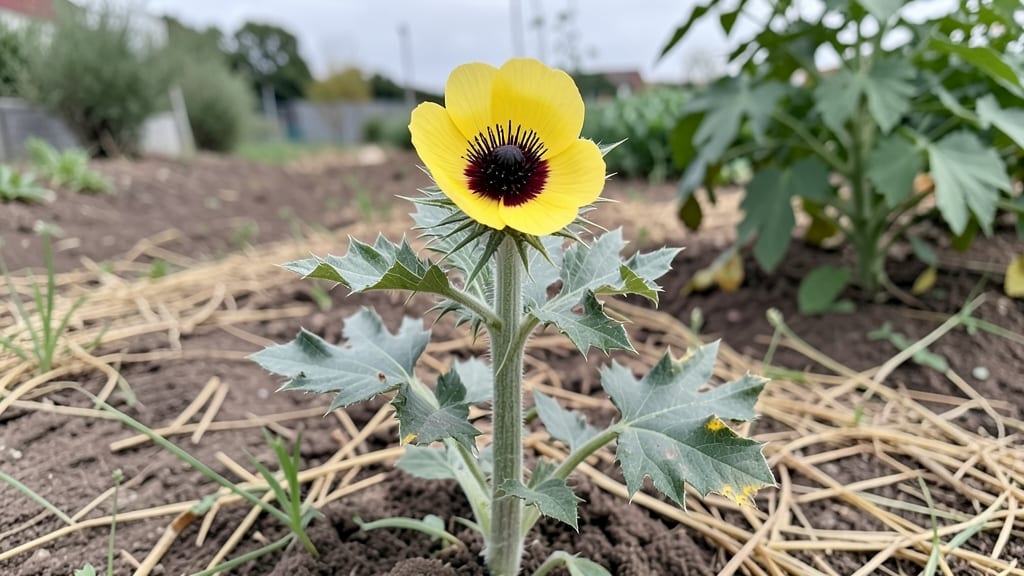
Your garden deserves a pop star flower—that showstopping purple bloom that turns heads and keeps pollinators buzzing all season long. 🌸 I fell for the Lavender Pop Star (Salvia 'May Night') after seeing it dominate my neighbor’s border with its deep violet spikes and nonstop blooms.
This isn’t just another purple annual—it’s the diva of the garden, thriving from spring through frost with almost zero fuss.
The magic lies in its dual-purpose brilliance: year-round interest when paired with evergreen foliage, and a pollinator superpower that attracts bees, butterflies, and hummingbirds like a VIP lounge. Unlike finicky annuals, this salvia handles heat, drought, and even light shade—perfect for containers, borders, or cutting gardens.
Plant it where it steals the show, like near patios or entryways, where its velvety blooms command attention.
You’ll end up with a low-maintenance star that blooms nonstop, requires minimal deadheading, and even self-seeds in some climates. The color pops against silver foliage, gold accents, or crisp white neighbors, creating a high-impact, drama-filled look without the high-maintenance price tag.
Best of all? It’s disease-resistant and deer-proof—unlike some showy flowers that wilt under pressure.
Whether you’re designing a purple-themed garden, filling containers with drama, or adding a pollinator magnet to your landscape, this is the flower that delivers glamour and function in one package. Let’s make your garden the hottest spot on the block—without the diva demands.
📚 In This Guide
- What you need
- Instructions
- Tips and common mistakes
- Wrapping up and next steps
What you need
- ● Seeds or bulbs: Allium roseum seeds or bulbs (choose organic for best results). Pro tip: Start with 10-20 bulbs for a stunning pop of color!
- ● Well-draining potting mix: 1-2 bags of high-quality, sandy loam or cactus/succulent mix (avoid heavy clay soil).
- ● Containers or garden bed: For containers: 5-6 inch pots with drainage holes (3-5 bulbs per pot).
- ● For garden beds: Full sun exposure (6+ hours/day) and loose, rocky soil.
- ● Fertilizer: Slow-release bulb fertilizer (like 5-10-10) or compost (1 cup per planting area).
- ● Garden trowel or bulb planter (for digging holes).
- ● Watering can or hose with gentle spray (avoid soaking the soil).
- ○ Garden gloves (optional but recommended for messy soil!).
- ○ Mulch (optional): Gravel or pebbles to retain moisture and deter weeds.
- ○ Plant labels (optional): To track varieties if mixing with other flowers.
- ● Patience: Bulbs take 2-3 months to sprout; seeds may take 6-8 weeks!
- ● Climate check: Thrives in USDA Zones 3-9 (adjust planting time for your region).
- ● Sunlight commitment: Dedicate a sunny spot—these divas love the light! 💜
Step-by-step guide to growing pop star flower for year-round purple beauty
This vibrant pollinator favorite thrives with minimal fuss—here’s how to cultivate its bold, long-lasting blooms.
🌱 Step 1: Select the Perfect Planting Location
Pop Star Flower (Calliandra eriophylla) craves full sun exposure—at least 6-8 hours daily—to maintain its signature purple pom-pom blooms. I always choose a spot with south or west-facing light for maximum intensity. The plant’s delicate foliage burns easily, so avoid areas where afternoon shade disappears too soon.
Check the soil’s drainage before planting. Pop Star Flower despises soggy roots, so amend heavy clay with 2-3 inches of coarse sand or perlite if needed. A slight slope helps water run off naturally. You’ll know the location is ideal when the soil warms quickly in spring—just press your hand into the ground for 5 seconds; if it feels hot, it’s ready.
🪴 Step 2: Plant with Proper Spacing and Soil Prep
Dig holes twice as wide as the root ball but only as deep as the container’s base—burying too deep suffocates the roots. Space plants 3-4 feet apart to allow airflow and prevent fungal issues. I like to loosen the soil around the edges with a fork to encourage root spread.
Mix 1 cup of compost into the backfill soil for each plant to jumpstart growth. Avoid fresh manure—it can scorch the roots. Water deeply before planting to settle the soil, then add a 2-inch layer of mulch (like pine straw) to retain moisture and regulate temperature. This step keeps weeds at bay while protecting the plant’s shallow root system.
☀️ Step 3: Water Strategically for Blooms All Year
Pop Star Flower is drought-tolerant once established, but consistent moisture in the first 6-8 weeks ensures strong root development. Water deeply 2-3 times per week until the top 3 inches of soil feel dry—stick your finger in to test. Overwatering causes root rot, so let the soil dry slightly between sessions.
After the initial phase, reduce to once weekly unless your area experiences extreme heat. You’ll see the plant’s resilience in how it perks up after a dry spell—its silvery foliage reflects light, reducing water loss. Fertilize lightly with a balanced 10-10-10 formula every 6 weeks during the growing season to support continuous blooming.
✂️ Step 4: Prune for Shape and Encourage More Blooms
Deadhead spent blooms by snipping the stems just above a set of leaves to redirect energy into new flowers. I do this every 2 weeks during peak bloom season. Avoid heavy pruning—this plant blooms on old wood, so trimming back too much reduces next year’s flowers.
Shape the plant lightly in early spring by trimming leggy branches back by ⅓ to encourage bushier growth. Use clean, sharp shears to avoid tearing the bark. If a branch dies back completely, prune it to the base—new growth will sprout from the root collar within 4-6 weeks. The result? A fuller, more vibrant plant with nonstop color.
🐝 Step 5: Protect and Maintain for Long-Term Success
Pop Star Flower attracts hummingbirds and bees like crazy, but its delicate blooms can get battered in wind or rain. I stake taller varieties with bamboo supports tied loosely to avoid damaging the stems. In colder climates, mulch heavily in winter to protect roots from freezing.
Monitor for pests like aphids or spider mites—wipe them off with a damp cloth or spray with neem oil if they appear. The plant’s natural resilience means it rarely needs intervention, but keeping an eye out prevents outbreaks. With proper care, your Pop Star Flower will reward you with year-round purple pom-poms and a buzzing pollinator haven.
Tips & tricks for perfect pop star flower growth
Here’s what nobody tells you about getting those show-stopping purple blooms—trust me, these details make all the difference.
Sunlight Secret: That 6-8 hours of daily sun is non-negotiable, but here’s the real trick: monitor your spot for at least a week before planting. If the area gets afternoon shade (after 3 PM), the plant’s foliage will burn—those purple pom-poms need consistent intensity. I’ve seen plants in south-facing spots thrive while identical ones in west-facing locations struggled. The key? Plant in late spring after the last frost when days are longest.
Soil Test Trick: Before amending that heavy clay with 2-3 inches of sand or perlite, do this quick test: Grab a handful of moist soil and squeeze it. If it holds its shape like a rock, it’s too dense. If it crumbles easily, you’re good. For sandy soil, add a handful of compost to each hole instead—it helps retain moisture better than sand alone. The goal is that slightly gritty, well-draining texture that mimics the plant’s native habitat.
Watering Wisdom: Those first 6-8 weeks are critical, but here’s the pro move: water in the morning instead of evening. This gives the soil time to dry slightly before nightfall, reducing fungal risks. And when checking that top 3 inches of soil, press your finger in—if it feels like a dry sponge, it’s ready for water. If it’s damp, wait another day. Overwatering is the #1 killer of Pop Star Flowers, and the silvery foliage will yellow if roots get soggy.
Pruning Precision: When deadheading every 2 weeks, use clean shears and cut just above a set of leaves—not at a joint where branches meet. This encourages new growth from the right spot. For that early spring shaping, mark the branches you want to trim with a piece of twine before cutting. It’s easy to over-prune, and you’ll know you’ve done too much when you see bare stems with no leaf buds forming within 4-6 weeks.
Pro Tips for Pop Star Flower
- Here’s what nobody tells you about getting those show-stopping purple blooms—trust me, these details make all the difference.
- Sunlight Secret: That 6-8 hours of daily sun is non-negotiable, but here’s the real trick: monitor your spot for at least a week before planting.
- Soil Test Trick: Before amending that heavy clay with 2-3 inches of sand or perlite, do this quick test: Grab a handful of moist soil and squeeze it.
Frequently asked questions
Got questions about the dazzling pop star flower? You’re not alone! Here are some of the most common queries—plus quick answers to help you rock this pollinator-friendly beauty in your garden.
What’s the best time to plant pop star flowers for year-round blooms?
Plant them in early spring (after the last frost) or late summer for a head start. Since they thrive in mild climates, a fall planting can also give you winter blooms in warmer zones. Just ensure they’re in well-draining soil—they hate soggy roots!
Do pop star flowers really attract more pollinators than other purple flowers?
Their double-layered petals and high nectar production make them a magnet for bees, butterflies, and hummingbirds. Unlike some lavenders or salvias, they’re consistently buzzing with activity—even in cooler months. Pro tip: Plant them near veggie gardens to boost pollination!
How often should I prune pop star flowers to keep them blooming?
Light pruning is key! Trim back spent blooms every 2–3 weeks to encourage new growth. For a neater shape, cut back ⅓ of the plant in early spring. Avoid heavy pruning in fall—this tender beauty needs time to recover before winter.
Can pop star flowers survive winter in cold climates?
They’re tender perennials, so in zones below 7, treat them as annuals or grow them in containers you can move indoors. Mulch heavily in fall and protect with frost cloth if temps drop below 20°F. For year-round color, pair them with winter-hearty purple bloomers like heather or pansies.
What’s a low-maintenance alternative if pop star flowers seem too fussy?
Try catmint (Nepeta) or Russian sage (Perovskia)—both are drought-tolerant, pollinator-friendly, and bloom purple for months. If you love the pop star’s drama, opt for salvia ‘May Night’, which has similar height and color but with easier care.
Wrapping up and next steps
The pop star flower isn’t just a stunning addition to your garden—it’s a powerhouse for pollinators and year-round color! With its bold purple blooms and low-maintenance charm, this flower proves that beauty and functionality go hand in hand.
Whether you're a seasoned gardener or just starting out, adding this glamorous pollinator magnet will elevate your outdoor space while supporting local ecosystems.
Ready to bring some purple glamour to your garden? 🌸 Start by gathering your supplies, then dive in with confidence—your future blooms (and happy bees!) will thank you. Check out our planting guide next to get started!