Flowers
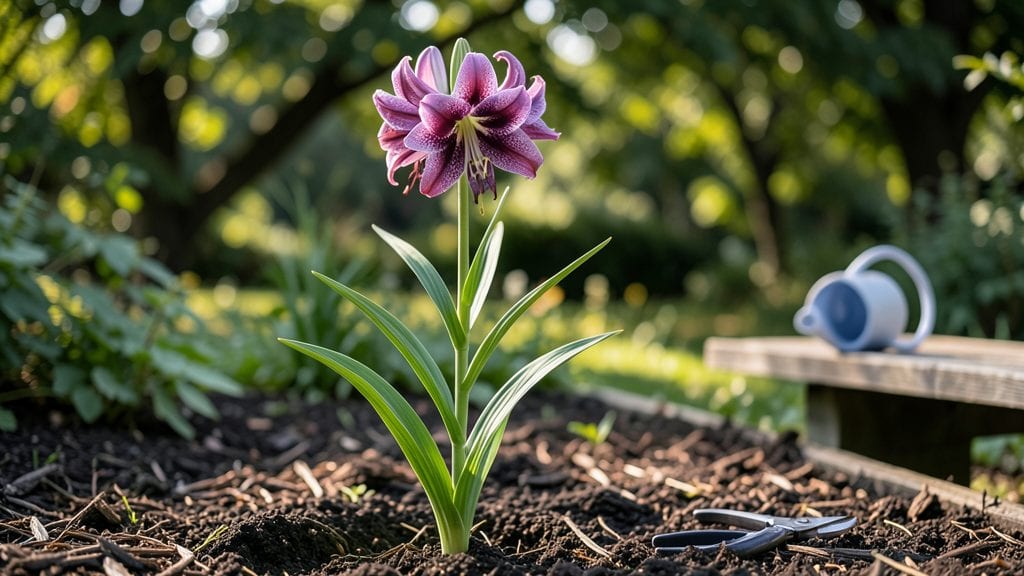
Your garden just got a frost-resistant purple lily flower upgrade that steals every show—especially in the Pacific Northwest’s unpredictable climate. These velvety blooms stand tall through chilly mornings and late-season rains, offering drama from summer through fall without the fuss of tender varieties.
I’ve seen them transform a simple border into a dreamy, moody focal point that neighbors can’t help but notice.
The secret to their design magic? Plant them in clusters of three or five for natural grouping, then pair with silver foliage (like lamb’s ear) or soft white blooms (such as shasta daisies) to make the purple pop.
For a romantic cottage vibe, tuck them alongside peonies or roses, while modern gardens love their bold contrast against boxwood hedges or sleek ornamental grasses. They even make stunning cut flowers—just snip a handful for a vase that lasts for days.
Imagine your garden in late September when most blooms have faded: these lilies still stand proud, their deep purple petals catching the golden light. They work in containers too, adding height and color to patios or entryways.
The key is giving them space—their strong stems need room to sway without competing with smaller plants. For maximum impact, plant them where they’ll be the first thing visitors see.
Whether you’re going for a moody, monochromatic look or a vibrant color-blocked bed, these lilies deliver year after year. They’re the kind of plant that makes gardening feel like magic—just plant, admire, and repeat. Ready to make your garden the talk of the neighborhood?
📚 In This Guide
- What you need
- Instructions
- Tips and common mistakes
- Wrapping up and next steps
What you need
- ● Purple lily bulbs (e.g., Lilium regale or Lilium ‘Purple Fox’): Quantity: 5–10 bulbs (for a small garden bed) or 20+ (for a dramatic display)
- ● Size: Choose bulbs labeled as "large" (12–16 cm in diameter) for robust blooms
- ● Well-draining potting mix or garden soil: Type: Amend garden soil with compost (20–30%) and perlite or sand (10–15%) for aeration
- ● pH: Aim for 6.0–7.0 (test with a soil pH kit if unsure)
- ● Organic fertilizer: Type: Balanced 10-10-10 or bulb-specific fertilizer (e.g., Espoma Bulb-Tone)
- ● Quantity: 1–2 tbsp per bulb at planting time
- ● Mulch: Type: Wood chips or straw (2–3 inches thick) to insulate roots in winter
- ● Garden trowel or bulb planter (for digging holes)
- ● Measuring tape or ruler (to ensure proper bulb depth)
- ● Watering can or hose with a gentle spray nozzle
- ● Gloves (to protect hands from soil and sharp bulb edges)
- ● Pruners or sharp scissors (for trimming dead foliage post-bloom)
- ● Slow-release fertilizer spikes (for convenience)
- ● Purple lily companion plants: Examples: Salvia, Rudbeckia, or Ferns (to complement their height)
- ● Decorative stakes or rings (to support tall stems if needed)
- ● Soil moisture meter (to monitor watering in the PNW’s variable climate)
How to grow purple lilies for stunning year-round color in the Pacific Northwest
Here’s how I’ve grown frost-hardy purple lilies that thrive through PNW winters and bloom reliably year after year.
Choose the Right Variety for Cold Climates
Not all lilies handle frost well, so select Asiatic or Oriental hybrids—these varieties tolerate temperatures down to 10°F without damage. Look for named cultivars like ‘Black Out’ or ‘Stargazer’ for deep purple blooms. Avoid trumpet lilies (like ‘Casa Blanca’), which are less cold-tolerant.
Buy bare-root bulbs in early fall (September-October) for best establishment. I always inspect each bulb for firmness and smooth skin—soft spots or mold mean it won’t survive. Soak bulbs in lukewarm water for 1 hour before planting to rehydrate them after dormancy.
Prepare the Planting Site for Frost Resistance
Purple lilies need well-draining soil to prevent rot in winter. Amend heavy PNW clay with 3-4 inches of compost and a handful of perlite per planting hole. Test your soil’s pH—purple lilies prefer 6.0-7.0. If your soil is acidic, add lime to raise the pH gradually.
Choose a location with morning sun and afternoon shade—this protects blooms from late-season heat while giving roots enough warmth. In the PNW’s damp climate, I plant bulbs on a slight mound (about 2 inches high) to improve drainage. Space bulbs 6-8 inches apart in rows 12 inches apart for airflow.
Plant Bulbs at the Correct Depth and Timing
Dig holes 3 times deeper than the bulb’s height—typically 6-8 inches deep. Place the bulb with the pointy end up (this is where the stem will emerge). Cover with soil, leaving the top 1 inch exposed to prevent rot. Water deeply after planting to settle the soil around the bulb.
Plant in late September or early October, about 6 weeks before your first frost. This gives roots time to establish before winter. In milder PNW winters (Zones 7-8), you can plant as late as November, but earlier planting ensures stronger blooms the following spring.
Mulch and Protect Through Winter
Spread 3-4 inches of straw or shredded leaves over the planting area after the first frost. This insulates bulbs from temperature swings and keeps them from heaving out of the ground. Avoid thick mulch—too much can cause rot. In extreme cold (below 10°F), add a light layer of burlap over the mulch for extra protection.
Water sparingly in winter—just enough to keep the soil from drying out completely. Overwatering in cold weather stresses bulbs. Watch for mold or soggy spots under mulch; if you see these, remove excess material immediately. In spring, remove mulch as soon as the ground thaws to allow new shoots to emerge.
Fertilize and Care for Year-Round Blooms
Apply a balanced, slow-release fertilizer (10-10-10) in early spring as shoots appear. Follow up with a low-nitrogen, high-phosphorus fertilizer (5-10-10) when buds form to encourage strong blooms. In the PNW’s wet climate, I avoid high-nitrogen fertilizers—they promote leafy growth at the expense of flowers.
Deadhead spent blooms by snipping stems at the base to redirect energy to bulb storage. In fall, reduce watering as foliage yellows—this signals the bulb to store nutrients for next year. Leave leaves until they brown naturally (about 6-8 weeks after blooming) to ensure the bulb replenishes its energy reserves.
Tips & tricks for perfect purple lilies in the Pacific Northwest
Here's what I've learned after growing these frost-resistant beauties for years—tricks that make all the difference between good and spectacular blooms.
Bulb Selection Tip: When choosing bare-root bulbs in Step 1, look for ones that feel heavy for their size—this indicates they're well-fed and full of stored energy. I also avoid any bulbs with dried-out roots or cracks in the skin, as these won't survive our wet winters. The 1-hour soak in lukewarm water is crucial—it jumpstarts their growth cycle before they even hit the soil.
Soil Prep Strategy: For Step 2, don't just amend the planting hole—work the compost and perlite into the surrounding soil too. Purple lilies have deep roots that need consistent drainage. I always mix in a handful of coarse sand if my clay soil feels particularly dense. The 2-inch mound you create isn't just for drainage—it also helps prevent the bulbs from sitting in cold, wet soil during our rainy winters.
Winter Protection Secret: That 3-4 inch layer of straw in Step 4 is non-negotiable for PNW winters. I've seen bulbs heave out of the ground when not properly mulched—it's heartbreaking! For extreme cold snaps (below 10°F), I add that extra burlap layer, but only after the ground freezes. The key is insulation without suffocation—bulbs need to breathe but stay protected.
Fertilizer Timing: The 10-10-10 fertilizer in early spring should go right when you see those first green shoots poking through. I use a slow-release formula because our wet climate washes away quick-release fertilizers too fast. The 5-10-10 when buds form is equally important—this phosphorus boost helps develop those strong stems that hold up those dramatic purple blooms.
Pro Tips for Purple Lily Flower
- Here's what I've learned after growing these frost-resistant beauties for years—tricks that make all the difference between good and spectacular blooms.
- Bulb Selection Tip: When choosing bare-root bulbs in Step 1, look for ones that feel heavy for their size—this indicates they're well-fed and full of stored energy.
- Soil Prep Strategy: For Step 2, don't just amend the planting hole—work the compost and perlite into the surrounding soil too.
Frequently asked questions
Got questions about the stunning purple lily flower? You’re not alone! Here are some of the most common inquiries—plus straightforward answers to help you grow and enjoy these frost-resistant beauties with confidence.
What’s the best time to plant purple lilies in the Pacific Northwest?
The ideal time to plant Lilium regale (the purple lily) or other PNW-friendly varieties is in early fall or late winter—before the soil warms up in spring. This gives roots time to establish before summer heat. If you’re planting in spring, choose a cooler month (March–April) to reduce stress. Pro tip: Mulch heavily after planting to protect roots from winter freezes!
Can purple lilies survive PNW winters without extra care?
These lilies are frost-resistant and thrive in the PNW’s mild to cold winters (USDA Zones 3–8). Just ensure they’re planted in well-draining soil and avoid soggy spots. A light layer of mulch (3–4 inches) in late fall adds extra insulation. No greenhouses or blankets needed!
What’s the easiest way to keep purple lilies blooming year after year?
Consistency is key! After blooming, leave the foliage intact until it yellows (6–8 weeks post-flower) to feed the bulb. In early fall, fertilize lightly with a balanced 10-10-10 mix and water deeply but infrequently. Deadhead spent blooms to encourage reblooming, but save the bulbs—they’ll multiply over time!
Are there purple lily alternatives for shadier PNW gardens?
If your garden is low-light, consider these shade-tolerant swaps:
- Lilium ‘Black Out’ (deep maroon, thrives in partial shade)
- Fritillaria meleagris (checkered purple bells, loves cool shade)
- Hosta ‘Halcyon’ (purple foliage, great ground cover)
Why aren’t my purple lilies blooming this year?
No blooms? Don’t panic! Common culprits include:
- Too much shade (they need 4–6 hours of sun daily)
- Overwatering (bulbs rot in soggy soil)
- Underfed bulbs (fertilize in early spring and fall)
- Young bulbs (give them 2–3 years to mature)
Wrapping up and next steps
The purple lily flower isn’t just a showstopper—it’s a resilient, low-maintenance gem that brings year-round charm to the Pacific Northwest’s gardens. Whether you’re drawn to its bold color, frost-hardy nature, or symbolic depth, this stunner proves beauty and durability go hand in hand. 🌿✨
Ready to add a touch of drama to your outdoor space? Start small—plant a single purple lily in a sunny spot and watch it thrive! For bolder impact, mix it with native companions like salmonberry or sword fern for a PNW-inspired masterpiece.