
Size
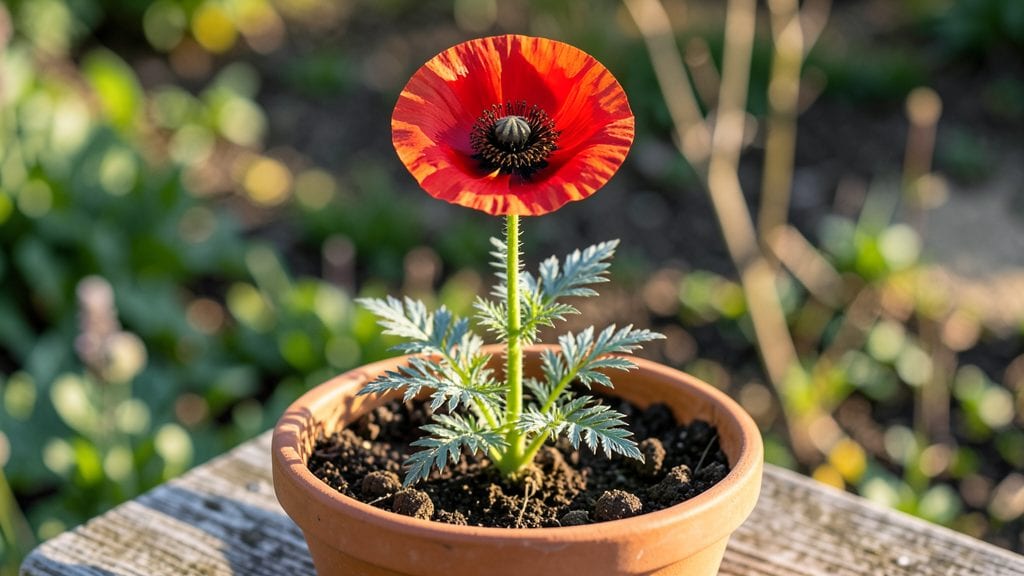
Growing poppy seeds into flowers feels like magic—especially when you see those delicate blooms emerge in just 3-4 weeks. 🌸 The Pacific Northwest’s mild climate makes it perfect for these fast-sprouting beauties, but timing and soil prep are everything.
I’ve learned the hard way that patience pays off: skipping these steps means waiting weeks longer for blooms.
Start with well-draining soil (mix in compost or sand if your garden stays damp) and plant seeds ¼-inch deep in early spring or late summer. Poppies thrive in full sun but hate soggy roots—water lightly after planting, then only when the top inch of soil feels dry.
The key? Don’t overcrowd—space seeds 6-12 inches apart for those iconic, nodding blooms.
What you’ll get is a garden bursting with shockingly lush reds, whites, and blues by early summer. The flowers last just a day but self-seed like crazy, so you’ll have poppies popping up for years. Just watch for slugs—they adore young seedlings—and deadhead spent blooms to encourage more flowers.
Works for containers too—just use a deep pot and well-draining mix. Once you master this, you’ll never buy poppy seeds again. Let’s get those seeds in the ground!
📚 In This Guide
- What you need
- Instructions
- Tips and common mistakes
- Wrapping up and next steps
What you need
- ● Poppy seeds: 1–2 grams per square foot (or 1 oz per 10 sq ft for bulk planting). Choose Papaver species suited to your zone (e.g., Papaver rhoeas for annuals or Papaver orientale for perennials).
- ● Well-draining soil: Mix 60% native soil with 40% perlite or coarse sand (poppies hate soggy roots!). Aim for a pH of 6.0–7.5.
- ● Sunlight access: A spot with 6+ hours of direct sun daily (full sun is ideal for vibrant blooms).
- ● Watering can or hose: With a gentle spray nozzle (poppy seeds need moisture but not saturation).
- ● Compost or organic fertilizer: Low-nitrogen (5-10-10 ratio) to avoid leafy growth over flowers. Sprinkle lightly at planting.
- ● Garden trowel or rake: For loosening soil to a depth of 1–2 inches.
- ● Planting tray or direct-sowing area: Poppy seeds are tiny—use a tray with fine cells (0.25" depth) or sow directly in beds.
- ○ Mulch (optional): Light straw or pebbles to retain moisture without smothering seeds.
- ● Row markers or sticks: To label varieties if planting multiple types.
- ○ Gloves (optional): For handling prickly opium poppy pods or thorny stems.
Step-by-Step instructions for growing poppy flowers from seeds
Here's how to coax those delicate poppy blooms from seeds—especially when the Pacific Northwest's damp springs slow germination.
🌱 Step 1: Prepare the Soil for Fast Germination
Poppy seeds need loose, well-draining soil to avoid rot. Work in 2-3 inches of compost or aged manure into the top 6 inches of your garden bed, then rake until the surface is fine and crumbly. Poppies hate heavy, compacted soil—their roots need room to push through. If your garden soil feels dense, mix in 1 part perlite or coarse sand to 3 parts soil.
Here's the thing—poppy seeds are tiny, so don't dig too deep. Just scratch the soil surface lightly with a rake or your fingers to create a rough texture. This gives seeds a place to settle without being buried too deeply. The goal is a soil surface that looks like fine sandpaper—not smooth or packed down.
💧 Step 2: Sow Seeds at the Right Time and Depth
Wait until your soil temperature reaches at least 55°F—poppy seeds won't germinate in cold soil. In the Pacific Northwest, this usually means waiting until late spring or early summer. Scatter seeds thinly across the prepared bed, spacing them about 6-8 inches apart for larger varieties like California poppies. They're so small that a pinch between your fingers covers a whole square foot.
Don't cover the seeds with soil—they need light to germinate. Instead, gently press them into the rough surface so they make contact with the soil. A light misting with water is all they need to start. Too much water will wash them away or bury them too deep. Watch for the first sprouts in 7-14 days—they'll appear as tiny, rounded leaves called cotyledons.
☀️ Step 3: Provide Sun and Space for Strong Growth
Poppies crave full sun—at least 6-8 hours daily. If you're planting in partial shade, expect fewer blooms and leggy stems. Once seedlings reach 2 inches tall, thin them to 12 inches apart to give roots room to expand. I always do this in stages—first thinning to 6 inches apart, then again when they're 4 inches tall.
Here's where it gets fun—poppies grow fast once established. You'll see the first true leaves (the ones that look like tiny ferns) appear within 2-3 weeks. At this stage, water lightly but deeply—about 1 inch per week. Let the soil dry slightly between waterings, or you'll risk damping-off, which turns seedlings into sad, mushy stems overnight.
✂️ Step 4: Deadhead and Maintain for Continuous Blooms
When your poppies start flowering—usually 6-8 weeks after sowing—snip off spent blooms with clean scissors. This encourages more flowers to form and prevents the plant from setting seed too early. Poppies often self-seed prolifically, so if you want to control where they grow, remove the seed heads before they dry completely.
Real talk: Poppies are tough but not indestructible. They tolerate drought once established, but they won't thrive in soggy soil. If your Pacific Northwest summers bring occasional rain, make sure the soil drains quickly. Mulch lightly with 1 inch of straw to keep moisture even without smothering the plants. You'll get the most blooms if you keep the soil consistently moist but not waterlogged.
Tips & tricks for fast-sprouting poppy flowers
A few quick tricks that'll help those delicate poppy seeds break through the Pacific Northwest's damp soil and bloom faster than you'd expect.
Soil Texture Secret: In Step 1, when you're preparing that rough surface, think "crusty breadcrumbs" rather than "smooth sand." The tiny seeds need to nestle into crevices without being buried. I've found that mixing in 1 part perlite to 3 parts soil creates the perfect texture—it holds moisture while allowing air to circulate. This prevents that dreaded damping-off we all hate.
Timing is Everything: That 55°F soil temperature in Step 2 is non-negotiable, but here's the thing—morning soil temps can be misleading. Check with a soil thermometer in the afternoon when the ground has warmed. If you're planting in containers, place them in a sunny window first to warm the soil faster. I've gotten poppies sprouting 3 days earlier by doing this simple prep.
Thinning Strategy: When you're thinning in Step 3, don't rush the second thinning to 12 inches apart. Wait until you see those true fern-like leaves appear—usually around 3 weeks—because early thinning can stress the delicate seedlings. I've learned this the hard way after losing plants that were too small to recover from the shock.
Watering Wisdom: That 1 inch per week guideline in Step 3 works for established plants, but seedlings need different care. Water only when the top inch of soil feels dry to the touch, and always water at the base rather than overhead. I use a spray bottle for the first two weeks to avoid disturbing those tiny sprouts while keeping them hydrated.
Pro Tips for Poppy Seeds Flowers Grow
- A few quick tricks that'll help those delicate poppy seeds break through the Pacific Northwest's damp soil and bloom faster than you'd expect.
- Soil Texture Secret: In Step 1, when you're preparing that rough surface, think "crusty breadcrumbs" rather than "smooth sand."
- Timing is Everything: That 55°F soil temperature in Step 2 is non-negotiable, but here's the thing—morning soil temps can be misleading.
Frequently asked questions
Got questions about growing poppy seeds and their stunning flowers? Here are some of the most common queries from gardeners in the Pacific Northwest—and beyond! Whether you're a beginner or a seasoned green thumb, these answers will help you cultivate Papaver like a pro.
How long does it take for poppy seeds to germinate and bloom?
Poppy seeds are fast—often sprouting in just 3–7 days in warm soil (60–70°F). From seed to bloom, expect 4–8 weeks, depending on the variety. In the PNW’s cooler climate, start seeds indoors 6–8 weeks before the last frost or sow directly after the last frost for spring blooms. Pro tip: Thin seedlings to 6–12 inches apart to avoid overcrowding!
Can poppies grow in the Pacific Northwest’s rainy climate?
Yes! While poppies prefer well-draining soil, they’re surprisingly resilient. The PNW’s mild winters and wet springs can challenge them, but avoid soggy soil—plant on slopes or raised beds to prevent rot. Choose native varieties like Papaver rhoeas (corn poppy) or Eschscholzia californica (California poppy), which thrive in drier, well-drained spots. Mulch lightly to retain moisture without suffocating roots.
What’s the best way to harvest poppy seeds for planting?
Harvest seeds when the pods turn brown and dry but before they split open. Wear gloves—poppy pods explode when ripe! Cut the pods with scissors, place them in a paper bag, and let them dry indoors for 1–2 weeks. Gently rub the pods to release seeds, then store them in a cool, dark place for up to 2 years. Warning: Some poppy seeds contain trace amounts of alkaloids; avoid ingesting raw seeds.
Why aren’t my poppy flowers opening, or are they wilting?
Poppies are short-lived and sensitive to stress. Wilting or closed blooms often signal overwatering, poor drainage, or heat stress. Let soil dry between waterings, and avoid fertilizing—poppies thrive in lean soil. If blooms refuse to open, check for pests like aphids or fungal issues (yellow spots = too much moisture). Move plants to a sunnier spot if your garden is shady.
Are there poppy alternatives that are easier to grow in the PNW?
If poppies seem finicky, try these low-maintenance PNW-friendly flowers with similar charm:
- California poppy (Eschscholzia): Drought-tolerant, self-seeds easily, and blooms in sunny spots.
- Lupine (Lupinus): Handles rain well, adds nitrogen to soil, and attracts pollinators.
- Sweet peas (Lathyrus): Cold-hardy, fragrant, and great for trellises.
- Cornflower (Centaurea cyanus): Thrives in poor soil and self-seeds like poppies.
Wrapping up and next steps
Growing poppy seeds and flowers in the Pacific Northwest is a rewarding journey—especially with the right tricks to speed up sprouting and ensure vibrant blooms! 🌸 Whether you’re a seasoned gardener or a curious beginner, these fast-sprouting techniques make it easier than ever to enjoy golden, delicate poppies in your garden.
Now that you’re armed with the best materials, timing, and care tips, it’s time to roll up your sleeves and plant with confidence.
Ready to turn your garden into a poppy paradise? Start by selecting your seeds, prepping your soil, and planting them this weekend—your future blooms will thank you! 🌱 For extra inspiration, check out local PNW gardening forums or seed swap events to connect with fellow enthusiasts.