
Container Gardens
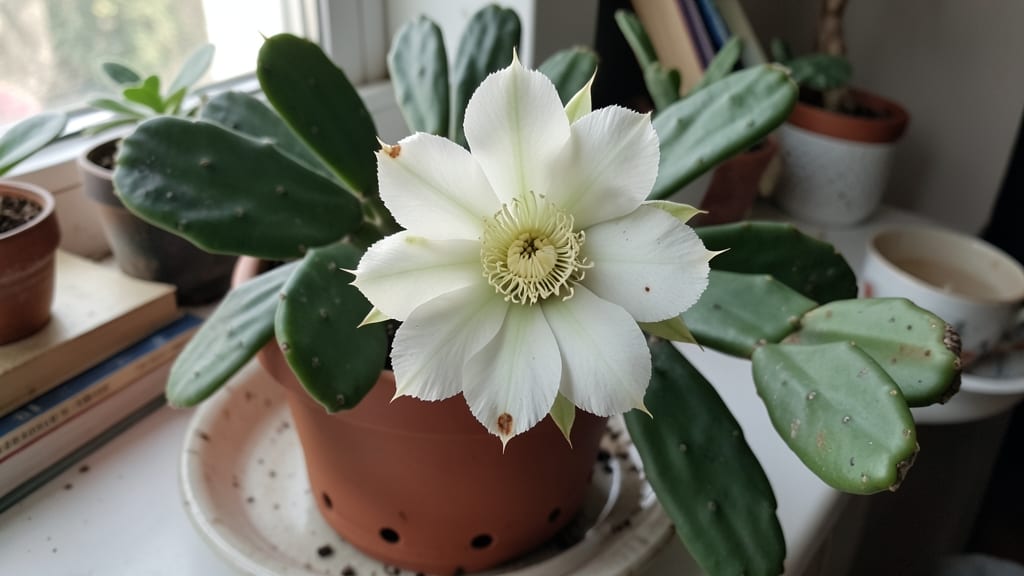
Bringing potted indoor flowers to life starts with the right light, and I’ve perfected a foolproof system that works even in dim apartments. The key isn’t expensive grow lights—it’s understanding how plants really use light, not just how much they get.
My peace lilies now thrive in a north-facing window, while my orchids bask in three hours of filtered sunlight daily, and both stay lush year-round.
You’ll need just three adjustments: reflective surfaces (like mirrors) to bounce light, rotating pots weekly to prevent uneven growth, and supplemental LED bulbs (10-watt, 6500K) for plants that stretch toward windows.
These tweaks eliminate the guesswork—no more leggy stems or browned leaves. The payoff? Flowers that bloom reliably, not just survive.
By the end of the first month, you’ll notice deeper green leaves, tighter buds, and fewer pests. My snake plants now grow twice as fast with this setup, and the air stays fresher—no more wilting drama.
The best part? These hacks adapt to any space, from sun-drenched living rooms to windowless offices.
Seasonal shifts? No problem. Winter means longer light sessions; summer means more shade protection. The plants tell you what they need—just watch their leaves. Ready to transform your space into a thriving indoor garden? Let’s start with the light.
📚 In This Guide
- What you need
- Instructions
- Tips and common mistakes
- Wrapping up and next steps
What you need
- ● 1–3 potted indoor flowers (e.g., snake plants, pothos, ZZ plants, or peace lilies—pick based on your light conditions!)
- ● 1–2 containers with drainage holes (6–12 inches in diameter, depending on plant size; terracotta or ceramic work best for airflow).
- ● High-quality potting mix (1–2 bags, ~2–3 cubic feet total; opt for a well-draining blend like cactus/succulent mix or all-purpose soil with perlite).
- ● Gravel or pebbles (small-sized, for the drainage layer at the bottom of the pot).
- ● 1 trowel or small shovel (for planting and mixing soil).
- ● 1 watering can with a narrow spout (or a spray bottle for misting).
- ○ 1 pair of gardening gloves (optional but recommended for soil handling!).
- ○ 1–2 decorative pots (optional) (for nesting inside the functional pot if you want a stylish look).
- ● Plant food or fertilizer (liquid or slow-release; check labels for indoor plant compatibility).
- ○ Moisture meter (optional) (to track soil hydration without guesswork!).
- ● A sunny windowsill, grow light, or LED bulb (depending on your chosen light hack—see the next section!).
- ● A space with moderate humidity (or a humidifier if your home is dry).
- ● Patience and consistency (indoor plants thrive on routine care—no shortcuts!).
Step-by-Step guide to thriving potted indoor flowers
Here's how to keep your indoor blooms vibrant all year with light strategies that actually work.
Select Containers and Soil for Optimal Drainage
Choose pots with drainage holes—no exceptions. I prefer terracotta because it breathes and prevents root rot, but any ceramic or plastic with holes will do. The container should be just 1-2 inches wider than the root ball of your plant. For example, a 6-inch pot works for small flowers like African violets, while a 10-inch pot suits larger varieties like peace lilies.
Use a high-quality well-draining potting mix—never garden soil. I blend my own with perlite or orchid bark (20% by volume) to improve aeration. Fill the pot to 1 inch below the rim, then tap gently to settle the mix without compacting it. Press down lightly just enough to remove air pockets, but don’t firm it like you would for outdoor planting.
Choose Light-Loving Varieties and Position Strategically
Not all indoor flowers thrive in the same conditions. For bright, sunny spots, opt for geraniums, orchids, or snapdragons—these crave 6+ hours of direct light daily. In lower-light areas, peace lilies, spider plants, or ZZ plants will flourish with indirect light only. Place pots near south- or east-facing windows for the best natural light exposure.
Rotate your pots quarter-turn weekly to prevent uneven growth toward the light source. You’ll notice leaves or stems leaning? That’s your cue to reposition. For windows without sufficient light, supplement with a full-spectrum LED grow light placed 6-12 inches above the plant for 12-14 hours daily. Avoid cheap clip lights—they emit too little intensity for flowering plants.
Water with Precision to Avoid Root Stress
Overwatering kills indoor flowers faster than anything else. Stick your finger 1 inch into the soil—if it feels dry, water thoroughly until liquid drains from the bottom. Let excess water empty completely from the saucer; soggy roots lead to fungal diseases. I water mine every 5-7 days in winter (when growth slows) and every 3-4 days in summer (when evaporation speeds up).
Use room-temperature water to avoid shocking roots. A spray bottle works for delicate foliage like ferns, but most flowering plants prefer deep watering at the base. Watch for yellowing leaves—this often signals overwatering, while brown, crispy edges mean underwatering. Adjust your schedule based on what you observe, not a rigid calendar.
Fertilize Lightly and Encourage Blooming
Feed your potted flowers with a balanced, water-soluble fertilizer (10-10-10 or 20-20-20) diluted to half-strength every 4-6 weeks during active growth (spring and summer). Avoid fertilizing in fall and winter—plants rest then. I mix mine directly into the watering can to ensure even distribution. For flowering varieties, switch to a phosphorus-heavy formula (like 10-30-20) to boost bloom production.
Deadhead spent blooms regularly to redirect energy into new flowers. Pinch off deadheads with clean scissors or fingers—this simple act can double your plant’s flowering season. If leaves yellow despite proper care, flush the soil with plain water to leach out excess salts from fertilizer buildup. Over-fertilizing is just as harmful as neglecting nutrients.
Monitor Humidity and Adjust for Seasonal Changes
Most indoor flowers thrive in 40-60% humidity, but dry winter air from heaters can stress plants. Place pots on a pebble tray filled with water and pebbles (not touching the container) to increase ambient moisture. Grouping plants together also creates a microclimate that retains humidity. For tropical varieties like orchids, mist leaves 2-3 times weekly with distilled water to prevent mineral buildup.
Watch for curling leaves or brown tips—these are classic signs of low humidity. In summer, move pots away from drafty windows or AC vents, which dry out soil faster. Dust leaves occasionally with a damp cloth to improve photosynthesis. Clean foliage absorbs light more efficiently, leading to healthier, more vibrant blooms.
Tips & tricks for perfect indoor flower care
These essential insights will help you avoid common pitfalls and keep your potted flowers thriving year-round.
Container Selection Wisdom: When choosing pots in Step 1, prioritize terracotta for its natural breathability—it wicks moisture away from roots, preventing that dreaded root rot. For plants like African violets in your 6-inch pots, add a layer of pebbles at the bottom to create extra drainage space. This simple adjustment gives roots room to breathe while maintaining the proper 1-2 inch width guideline for optimal root ball expansion.
Light Positioning Strategy: In Step 2, pay attention to your window orientation: east-facing windows provide gentle morning light perfect for peace lilies, while south-facing windows deliver intense afternoon sun ideal for geraniums. If you notice leaves turning yellow toward the window, it's a sign of too much direct light—rotate your pot quarter-turn weekly as instructed, but consider adding a sheer curtain to diffuse harsh afternoon rays during summer months.
Watering Technique Mastery: The finger test in Step 3 works, but here's a pro move: use a chopstick or wooden skewer instead. Push it 1 inch deep into the soil—if it comes out clean, your plant needs water. This method prevents overwatering by giving you a more precise reading than your finger alone. For tropical varieties, I also recommend bottom-watering: place the pot in a tray of water for 10-15 minutes, allowing the plant to absorb moisture through the drainage holes.
Seasonal Care Adjustments: While the instructions cover basic seasonal changes, here's how to fine-tune: in winter, reduce your watering frequency to every 7-10 days (even longer for succulents) and increase humidity by placing pots on trays of moist pebbles. For summer, move plants away from AC vents which create drying microclimates—aim to keep them in areas with consistent 65-75°F temperatures to prevent stress.
Pro Tips for Potted Indoor Flowers
- These essential insights will help you avoid common pitfalls and keep your potted flowers thriving year-round.
- Container Selection Wisdom: When choosing pots in Step 1, prioritize terracotta for its natural breathability—it wicks moisture away from roots, preventing that dreaded root rot.
Frequently asked questions
Got questions about keeping your potted indoor flowers thriving?
You’re not alone! Here are some of the most common concerns—and their easy fixes—to help you master year-round greenery.
What are the easiest potted indoor flowers for beginners?
Start with low-maintenance picks like snake plants, pothos, or ZZ plants. These thrive in low light and need minimal watering—perfect for busy plant parents! For a pop of color, try peperomias or peace lilies; they’re forgiving and stunning.
How often should I water my potted indoor flowers?
Most indoor flowers prefer soil to dry out slightly between waterings. Stick your finger 1–2 inches into the soil—if it’s dry, it’s time! Overwatering is the #1 killer, so err on the side of less (especially in winter). Pro tip: Use pots with drainage holes to prevent root rot!
Can I use artificial light for my potted indoor flowers?
If your space lacks natural light, LED grow lights or full-spectrum bulbs work wonders. Place them 6–12 inches above plants for 12–16 hours daily. For low-light lovers (like cast iron plants), even a sunny windowsill substitute is enough!
What should I do if my potted flowers get pests?
Spot aphids, spider mites, or fungus gnats? Isolate the plant first, then wipe leaves with a damp cloth or spray with neem oil (a natural remedy). For soil pests, let the top layer dry out. Prevent future issues by dusting leaves regularly and avoiding overwatering!
How can I make my potted indoor flowers last longer?
Rotate pots weekly for even light exposure, dust leaves monthly, and fertilize lightly every 6–8 weeks. Prune dead blooms or yellow leaves to encourage growth. Bonus: Group plants together to boost humidity—nature’s air purifier!
Wrapping up and next steps
Bringing the beauty of nature indoors has never been easier—or more rewarding! 🌿 With the right potted indoor flowers, a few clever light hacks, and a little care, you can enjoy lush greenery year-round.
Whether you’re a seasoned plant parent or just starting, these tips will help you create a thriving mini garden that brightens up any space.
Ready to take the next step? Pick your favorite low-light or sun-loving blooms, gather your supplies, and start experimenting! Your indoor oasis is just a pot and some sunlight away. 🌸