
Pruning
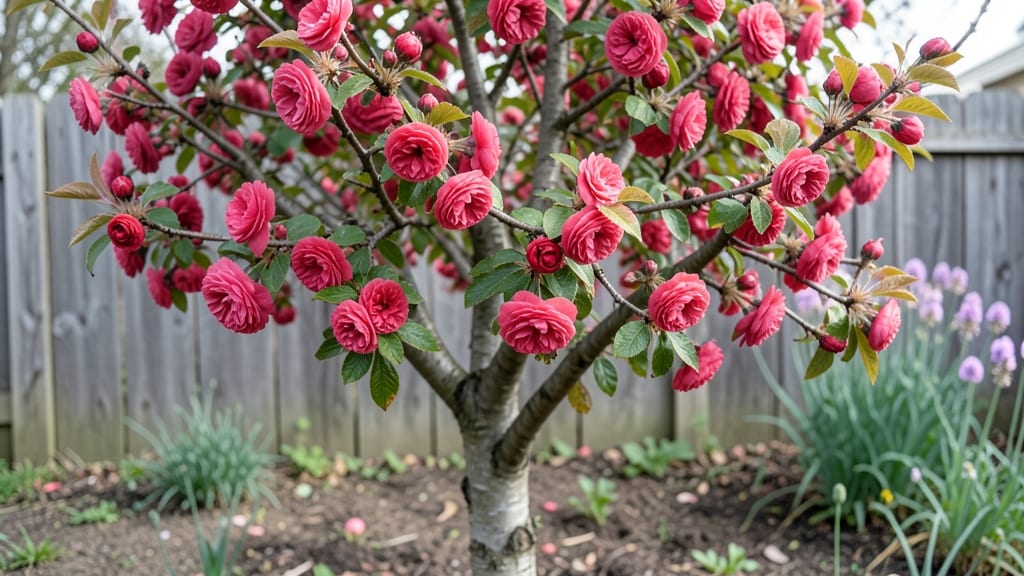
The double red flowering peach tree transforms your yard into a springtime explosion of pinkish-red double blooms that last for weeks—longer than any other peach variety.
I planted mine last April after years of admiring neighbors' trees, and now it's the star of my front yard, drawing compliments from everyone who walks by.
The secret isn't just the stunning flowers—it's how the tree keeps looking good even after the petals fall, with glossy green foliage that turns golden in autumn.
This isn't your average fruit tree. While standard peaches focus on harvests, the double red flowering peach prioritizes showstopping blooms that appear in early spring, with a second flush in late summer if you prune correctly.
You'll need full sun (6+ hours daily), well-draining soil, and regular watering—especially during those first two years while roots establish. The tree matures to about 15 feet tall, so plan for space or prune aggressively to keep it smaller.
What makes this tree truly special is its three-season care routine: a heavy winter prune to shape the tree, a light spring trim to encourage blooms, and a summer cleanup to remove spent flowers and encourage new growth.
By following this schedule, you'll get year-round interest—snow-dusted branches in winter, vibrant blooms in spring, and golden foliage in fall. Plus, the occasional small peach is a bonus, though not the focus.
Even in colder zones (as low as 5), this tree thrives with proper winter protection—just wrap the trunk and cover the roots with mulch. The biggest mistake I see is over-pruning in spring, which kills bloom potential.
Stick to the one-third rule: never remove more than a third of the tree's branches in any single season. Your tree will reward you with showy, long-lasting blooms that outshine any other ornamental tree in your neighborhood.
📚 In This Guide
- What you need
- Instructions
- Tips and common mistakes
- Wrapping up and next steps
What you need
- ● Double Red Flowering Peach Tree: Choose a healthy 1-2 year old sapling from a reputable nursery (ensure it’s disease-resistant).
- ● Pruning Shears: Sharp, bypass pruners (2-4 inch blade) for clean cuts on small branches.
- ● Loppers: 6-8 inch loppers for thicker branches (up to 1.5 inches in diameter).
- ● Pruning Saw: For branches thicker than 1.5 inches (avoid tearing the bark).
- ● Disinfectant: 70% isopropyl alcohol or a 10% bleach solution to sterilize tools between cuts.
- ○ Pruning Sealant: Optional but helpful for large cuts (e.g., tree wound paint).
- ● Gloves: Heavy-duty gardening gloves to protect against thorns and sap.
- ● Watering Can or Hose: With a gentle spray nozzle for post-pruning hydration.
- ● Mulch: 2-3 inches of organic mulch (e.g., wood chips or straw) to retain moisture and suppress weeds.
- ● Fertilizer: Slow-release, balanced fertilizer (10-10-10 or similar) for spring feeding.
- ● Tree Stake & Ties: For young trees in windy areas.
- ● Plant Food Spikes: Convenient for seasonal nutrient boosts.
- ● Reflective Tape: To deter birds from pecking at buds (if growing edible varieties).
- ● Pruning Guide: A printed or digital reference for seasonal trim schedules.
- ● Wheelbarrow or Bucket: For collecting debris after pruning.
Step-by-Step instructions for year-round blooms with 3 seasonal trims
Here's how to coax vibrant, continuous blooms from your double red flowering peach tree.
Prune for Spring Growth
Start in late winter or early spring before buds swell. Remove any dead, crossing, or diseased branches with clean, sharp pruners. I cut just outside the branch collar—the swollen area where the branch meets the trunk—to prevent damage. This ensures the tree heals properly and directs energy to new growth.
Next, thin out crowded branches to improve airflow. Aim for an open vase shape with the strongest central branches. You'll see fresh green shoots emerge within a few weeks—that's your signal the tree is responding well. Never remove more than one-third of the tree's foliage in a single pruning session, or you'll shock the plant.
Summer Light Trim for Continuous Blooms
Mid-summer is the time to encourage more flowers. Lightly trim back any overly vigorous shoots that are growing inward or rubbing against each other. Focus on shaping the tree while maintaining its natural form. I like to leave about 6-8 inches of new growth on each branch—this prevents over-pruning and keeps the tree healthy.
Remove any spent blooms by cutting just above a leaf bud. This redirects the tree's energy toward producing new flowers instead of seed development. You'll notice fresh buds forming within 2-3 weeks, especially if you keep the tree well-watered during this period. Avoid heavy pruning now—your goal is to maintain shape, not drastically reshape.
Fall Cleanup for Winter Resilience
In late fall, after the last blooms have faded, do a final light pruning to remove any weak or damaged growth. This helps the tree prepare for winter by reducing stress. I also remove any suckers—those vigorous shoots growing from the base or along the trunk. These compete with the main branches for nutrients and can weaken the tree.
Thin out any dense areas to improve sunlight penetration and airflow. Aim to leave the tree with an open, airy structure. This final trim should be minimal—just enough to tidy up and promote a strong growth flush in spring. Water deeply after pruning to help the tree recover and store moisture for winter.
Winter Maintenance for Next Year's Blooms
During winter, avoid pruning unless you spot dead or broken branches. Instead, focus on protecting the tree from harsh weather. If you live in a cold climate, consider wrapping the trunk with burlap or tree guard to prevent sunscald. I also apply a 2-3 inch layer of mulch around the base, keeping it a few inches away from the trunk to prevent rot.
Watch for signs of winter damage, like cracked bark or dried branches. Prune these out as soon as you see them in early spring. This keeps the tree healthy and sets it up for another season of stunning blooms. A well-maintained double red flowering peach tree can reward you with year-round color if you stick to this seasonal routine.
Tips & tricks for perfect double red flowering peach tree care
A few simple techniques will help you maintain vibrant blooms year-round without overwhelming your tree.
The Right Tools Make All the Difference: Invest in a good pair of bypass pruners—they make clean cuts that heal faster than those from dull blades. I also recommend a small pruning saw for thicker branches over 1 inch in diameter. Always disinfect your tools with rubbing alcohol between cuts to prevent spreading disease, especially in Step 1 when you're removing dead branches.
Seasonal Timing is Everything: The instructions mention specific times for each trim, but here's the secret: Watch the tree's natural cues rather than just the calendar. In Step 2, when you're doing your summer light trim, look for shoots growing toward the center of the tree—these are the ones to remove first. The 2-3 week window for new buds to form after removing spent blooms is your confirmation that you're on the right track.
Watering Wisdom: After any pruning session, water deeply—especially in Step 3's fall cleanup. The tree needs to replenish moisture after losing branches. I water at the base, avoiding the trunk, and always in the morning so the tree can absorb it before evening evaporation. Overhead watering can encourage fungal issues, so stick to the base method.
Protecting Against Winter Damage: If you live in a particularly cold climate, consider adding a layer of bubble wrap around the trunk in addition to the mulch mentioned in Step 4. This extra insulation can make all the difference for young trees or those in exposed locations. Just remember to remove it in early spring before new growth begins.
Pro Tips for Double Red Flowering Peach Tree
- A few simple techniques will help you maintain vibrant blooms year-round without overwhelming your tree.
- The Right Tools Make All the Difference: Invest in a good pair of bypass pruners—they make clean cuts that heal faster than those from dull blades.
- Seasonal Timing is Everything: The instructions mention specific times for each trim, but here's the secret: Watch the tree's natural cues rather than just the calendar.
Frequently asked questions
Got questions about your double red flowering peach tree? You’re not alone!
Here are answers to the most common queries—from pruning tips to seasonal care—so you can keep those vibrant blooms coming year-round.
When is the best time to prune a double red flowering peach tree for maximum blooms?
Prune your tree three times a year: late winter (just before buds swell), early summer (after first flush of flowers), and fall (after final bloom). Avoid pruning during active flowering—this can reduce next year’s blooms. Focus on removing dead, crossing, or overcrowded branches to encourage air flow and sunlight.
How do I protect my flowering peach tree in cold winters?
Double red flowering peach trees are moderately cold-hardy (USDA Zones 5-9), but young trees or harsh winters may need extra care. Wrap the trunk in tree guard or burlap to prevent sunscald, and mulch the base with 2-3 inches of organic matter (like wood chips). Avoid heavy mulching too close to the trunk—keep it 3-4 inches away to prevent rot.
Will my double red flowering peach tree produce edible peaches?
Nope! This variety is purely ornamental—its double red blooms are stunning, but the fruit (if any) is small, tart, and inedible. If you want both beautiful flowers AND peaches, consider planting a ‘Bonanza’ or ‘Redhaven’ peach tree nearby for pollination cross-fertilization (though they won’t bloom as dramatically).
Why aren’t my peach tree’s flowers lasting as long as they should?
Short-lived blooms often signal pests, disease, or improper pruning. Check for:
- Peach tree borers (tiny holes in bark or sawdust-like frass). Treat with neem oil or invite woodpeckers (they love borers!).
- Powdery mildew (white fuzzy coating). Prune for airflow and spray with baking soda solution (1 tbsp baking soda + 1 quart water + drop of soap).
- Over-pruning (too many cuts = stress). Stick to 1/3 of the canopy max per year.
Can I grow a double red flowering peach tree in a container?
Yes, but with limitations. Choose a large pot (20+ gallons) with drainage holes and use well-draining soil (like a mix of potting soil + perlite). Container trees need more frequent watering (they dry out faster) and annual repotting to refresh nutrients. However, they’ll bloom less vigorously than in-ground trees due to root restriction. If you love the look, go for it—but expect smaller, less dramatic flowers.
Wrapping up and next steps
Growing a double red flowering peach tree is a rewarding journey that brings vibrant blooms and year-round beauty with just a little effort! By mastering the art of three seasonal trims—spring, summer, and fall—you’ll ensure healthy growth, stunning flowers, and a tree that thrives for years. 🌸
Ready to take the next step? Grab your pruners, mark your calendar for those key trimming dates, and watch your tree flourish into a breathtaking centerpiece for your garden. Your green thumb is all it takes!