
Plants
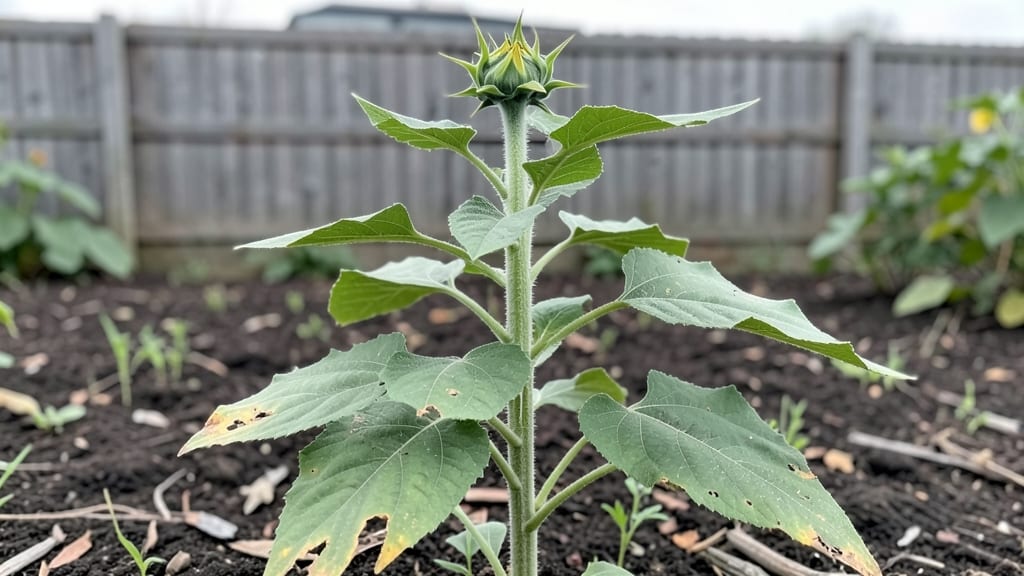
Those prairie sunflower leaves are the unsung heroes of Pacific Northwest gardens—tough, vibrant, and built to handle our damp winters. 🌿 I’ve grown them for years, and they’ve never once faltered under our soggy skies or chilly winds.
The key lies in their deep roots and broad, coarse foliage that thrives where other plants wilt.
They demand full sun to partial shade and well-drained soil, but once established, they’re nearly foolproof. Water deeply once a week unless we’re in a dry spell, and watch them grow into a lush, 6-foot-tall backdrop for your garden.
The leaves stay green even when other plants struggle, making them a low-maintenance workhorse for any PNW yard.
📚 In This Guide
- What you need
- Instructions
- Tips and common mistakes
- Wrapping up and next steps
What you need
- ● Prairie sunflower seeds – Helianthus petiolaris (1–2 oz per 100 sq ft, or ~30–50 seeds per plant). Choose organic or heirloom seeds for best results.
- ● Well-draining soil – A mix of native soil, compost (20–30%), and perlite/sand (10–15%) to prevent waterlogging.
- ● Sunlight access – Full sun (6+ hours daily) or partial shade (4+ hours) in hotter microclimates.
- ● Watering can or hose – With a gentle spray nozzle for seedlings.
- ● Garden gloves – To protect hands while handling soil or plants.
- ○ Stakes or trellis (optional for support) – Tall varieties may need light support in windy PNW areas.
- ● Trowel or hand shovel – For digging seed holes (1/4–1/2 inch deep).
- ● Pruners or sharp scissors – For trimming dead foliage or harvesting leaves.
- ● Mulch (straw or wood chips) – 2–3 inches thick to retain moisture and suppress weeds.
- ○ pH testing kit (optional) – Ideal soil pH: 6.0–7.5. Amend with lime or sulfur if needed.
- ● Fertilizer (balanced 10-10-10 or compost tea) – Light feeding at planting and mid-season (if soil is poor).
How to grow and maintain prairie sunflower foliage in the PNW
Here's the straightforward approach I've used to grow lush, cold-resistant prairie sunflower leaves year after year.
🌱 Step 1: Select the Right Site and Prepare the Soil
Prairie sunflowers thrive in full sun, so choose a spot that gets at least 6-8 hours of direct sunlight daily. In the Pacific Northwest's cooler climate, a south-facing location works best. The soil should drain well—prairie sunflowers hate soggy roots, so avoid low spots where water pools.
Amend heavy clay soil with 2-3 inches of compost to improve drainage and fertility. Work it into the top 6-8 inches of soil. I like to scatter a handful of bone meal (about 1/4 cup per plant) at planting time to give the foliage a nutrient boost. This helps the leaves stay vibrant even through our damp winters.
🌿 Step 2: Plant Bare-Root Starts or Seeds at the Right Time
For the hardiest results, plant bare-root starts in early spring (March-April) or seeds directly in the garden after the last frost (May-June). If starting from seed, scatter them 1/4 inch deep and space them 12-18 inches apart—crowding leads to weak, leggy foliage. I tap the seeds gently into the soil to ensure good contact without burying them too deeply.
Keep the soil consistently moist (not soggy) until germination, which takes 10-14 days. Once seedlings emerge, thin them to 12 inches apart for strong, bushy growth. Watch for the first true leaves—they should be deep green and slightly fuzzy, signaling healthy development.
☀️ Step 3: Water and Fertilize for Lush Foliage
Water deeply once a week during the first growing season, allowing the top 2 inches of soil to dry out between waterings. Overwatering causes yellowing leaves, so let the soil guide you—it should feel slightly dry to the touch before watering again. Mulch around the base with 2-3 inches of straw or wood chips to retain moisture and protect roots from winter chill.
Feed plants in early spring with a balanced 10-10-10 fertilizer (about 1 tablespoon per plant). This encourages robust leaf growth without promoting excessive flowering, which can weaken the foliage. I repeat this in midsummer (July) for a second flush of healthy leaves. Stop fertilizing by mid-August to harden off the plants for winter.
✂️ Step 4: Prune and Maintain for Year-Round Interest
Cut back dead or damaged leaves in early spring to encourage new growth. I also trim back any stems that look woody or overgrown in late summer to keep the plant compact and bushy. This pruning step is key—it prevents the center from getting bare and ensures dense foliage throughout the season.
Prairie sunflowers are incredibly low-maintenance, but I do remove spent flower stalks in late fall to redirect energy into leaf production. The plants are cold-hardy down to -20°F, so they’ll regrow from the base each spring. Just avoid heavy pruning in winter, as new growth is slow to emerge in cooler months.
🪴 Step 5: Overwinter and Prepare for Next Year
In late fall, apply a 2-inch layer of mulch around the base to insulate roots during winter. This helps the foliage survive our wet, cool winters without rotting. I also avoid disturbing the plants—prairie sunflowers resent being moved, so let them establish in one spot for at least 2-3 years for the best leaf production.
Come spring, remove the old mulch and replace it with fresh. The plants will push new growth from the base, and with proper care, you’ll see bold, deep green leaves by early May. This is the moment that matters—consistent care now means lush, cold-resistant foliage all season long.
Tips & tricks for perfect prairie sunflower foliage
A few simple tricks that'll help you grow the most vibrant, cold-resistant prairie sunflower leaves in your PNW garden.
Sunlight Strategy: When selecting your planting site, remember that prairie sunflowers need at least 6-8 hours of direct sunlight daily. In the Pacific Northwest's cooler climate, a south-facing location is ideal because it captures maximum sunlight during winter months when days are shorter. I've found that even partial shade can lead to leggy growth and less vibrant foliage, so don't compromise on sunlight exposure.
Soil Preparation: The 2-3 inches of compost you work into the top 6-8 inches of soil is crucial for drainage, especially in our region's heavy clay soils. I've learned the hard way that prairie sunflowers hate soggy roots—plant them in areas where water doesn't pool after rain. For extra insurance, consider adding a handful of coarse sand if your soil feels particularly dense.
Planting Timing: For bare-root starts, March-April planting gives roots time to establish before summer heat arrives. When planting seeds after last frost (May-June), remember that 10-14 days is the typical germination window—but in cooler PNW springs, it might take up to 21 days. Don't rush to replant if seedlings don't appear immediately, as prairie sunflower seeds can be slow to sprout in our climate.
Winter Care: The 2-inch mulch layer you apply in late fall is your best defense against our wet winters. I've found that adding a layer of straw mulch on top of wood chips helps prevent compaction from heavy rain. This double-layer approach keeps roots insulated while allowing water to penetrate—critical for maintaining vibrant foliage through winter.
Pro Tips for Prairie Sunflower Leaves
- A few simple tricks that'll help you grow the most vibrant, cold-resistant prairie sunflower leaves in your PNW garden.
- Sunlight Strategy: When selecting your planting site, remember that prairie sunflowers need at least 6-8 hours of direct sunlight daily.
- Soil Preparation: The 2-3 inches of compost you work into the top 6-8 inches of soil is crucial for drainage, especially in our region's heavy clay soils.
Frequently asked questions
Got questions about growing and caring for prairie sunflower leaves in your Pacific Northwest garden? You’re not alone! Here are some of the most common queries—plus straightforward answers to help you thrive with this cold-hardy beauty.
When is the best time to plant prairie sunflower leaves?
Plant seeds in early spring (March–April) or early fall (September–October) for optimal success. These hardy plants tolerate light frost, but starting them 4–6 weeks indoors (if sowing early) gives them a head start. In the PNW’s mild climate, fall planting often yields stronger growth by spring!
How cold-hardy are prairie sunflower leaves, really?
Prairie sunflowers (like Helianthus petiolaris) are USDA Zones 3–9, meaning they handle PNW winters with ease—even sub-zero temps! Their deep roots insulate them, but a 3–4 inch mulch layer in winter adds extra protection. Young plants may need winter wrap in exposed areas, but mature foliage is tough as nails.
Can I use prairie sunflower leaves for cooking or crafts?
While the leaves aren’t typically eaten (they’re slightly bitter), they’re fantastic for dyeing (yellow-green hues) or composting. For culinary use, focus on the young flower buds or seeds—steam them like artichokes! Just avoid pesticide-treated plants if using for crafts or food.
Why are my prairie sunflower leaves turning yellow or spotted?
Yellowing often signals overwatering or fungal issues (like powdery mildew). Ensure soil drains well and space plants 2–3 feet apart for airflow. Spotted leaves? Check for aphids or spider mites—blast off pests with water or use neem oil. Prevention tip: Prune lower leaves to improve circulation!
What’s a good alternative if prairie sunflowers don’t thrive in my spot?
Try these PNW-friendly, cold-tolerant foliage plants:
- Russian sage (Perovskia atriplicifolia) – Drought-resistant, purple blooms, Zones 4–9.
- Oregon grape (Mahonia aquifolium) – Evergreen, edible berries, thrives in shade.
- Sedum (Sedum ‘Autumn Joy’) – Succulent-like, low-maintenance, pollinator magnet.
Wrapping up and next steps
Prairie sunflower leaves bring bold beauty and resilience to Pacific Northwest gardens, thriving in cold climates while adding striking texture and color. Whether you're a seasoned gardener or just starting, these hardy plants offer low-maintenance elegance—perfect for borders, pollinator-friendly spaces, or even container gardens. 🌿
Ready to transform your outdoor space? Start small—plant a few in your garden this season, and watch how they attract pollinators while standing strong against the elements. Grab seeds or young plants today and let nature do the rest!