
Flowers
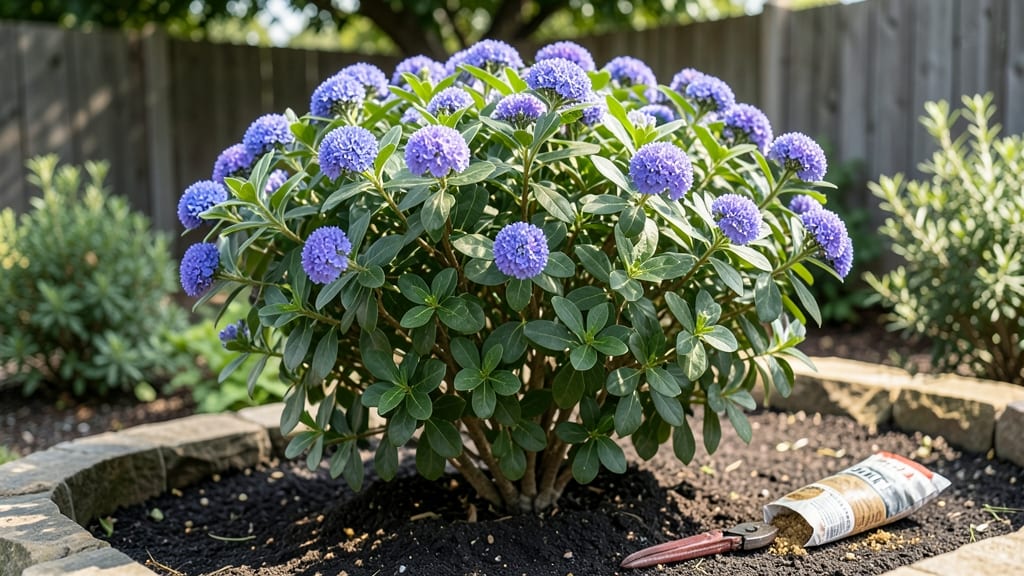
Growing a Princess Flower Bush in the Pacific Northwest means bringing vibrant purple blooms to your garden that last from summer through fall—even after light frosts. ✨ I’ve watched mine thrive through Seattle’s damp winters, and the secret lies in matching its tropical roots to our cool, moist climate with the right care.
This bush loves partial shade to morning sun, rich but well-draining soil, and consistent moisture without soggy roots. The key is mimicking its native Brazilian forest conditions: mulch heavily to protect roots, water deeply once a week, and avoid heavy pruning until spring.
Even beginners can keep it lush with these simple adjustments.
By late summer, you’ll be rewarded with clusters of deep magenta flowers that attract hummingbirds and add drama to borders or containers. The glossy green leaves stay vibrant year-round, making it a standout even in winter’s muted palette. Just avoid overwatering—root rot is the only real threat.
Perfect for Pacific Northwest gardens where frost-sensitive plants usually struggle. With the right spot and care, your Princess Flower Bush will outlast most annuals—and become the showstopper of your outdoor space. Let’s get it growing strong!
📚 In This Guide
- What you need
- Instructions
- Tips and common mistakes
- Wrapping up and next steps
What you need
- ● Princess flower bush: Choose between: Nursery-grown plant (3–5 gallons, 2–3 ft tall)
- ● Seeds (if starting from scratch—germination can take 4–6 weeks!)
- ○ Rooted cuttings (optional, for propagation)
- ● Well-draining soil: Mix equal parts: Garden soil
- ● Compost
- ● Sand or perlite (for aeration)
- ● Mulch: 2–3 inches of wood chips or shredded bark (to retain moisture and regulate temperature)
- ● Fertilizer: Balanced 10-10-10 or slow-release granular fertilizer (apply in early spring)
- ● Garden trowel or spade (for digging)
- ● Pruning shears (sterilized, for shaping and deadheading)
- ● Watering can or hose with a gentle spray nozzle
- ● Gloves (to protect hands from thorns)
- ○ pH test kit (optional, to ensure soil pH 5.5–6.5)
- ● Stakes or garden twine (if supporting young plants in windy areas)
- ● Sunlight: Full sun (6+ hours daily) or partial shade (morning sun + afternoon shade)
- ● Hardiness zone: 5–9 (perfect for PNW’s mild winters!)
- ● Water source: Drip irrigation or soaker hose (to avoid wetting foliage)
- ● Frost protection: Burlap wraps or frost cloth (for young plants in early spring)
Step-by-Step instructions for planting and caring for princess flower bushes
Here's how to establish a thriving princess flower bush that thrives in the PNW's cooler climate.
🌱 Step 1: Select the Perfect Planting Site and Prepare the Soil
Princess flower bushes (Tibouchina urvilleana) thrive in partial shade to full sun with 6-8 hours of indirect light daily—ideal for PNW gardens where direct afternoon sun can scorch leaves. Choose a location sheltered from harsh winds, as these tropical-looking shrubs prefer gentle breezes over exposure. The soil should be well-draining but moisture-retentive, with a pH between 5.5 and 6.5—slightly acidic conditions mimic their native Brazilian habitat.
Before planting, amend the native soil with 3-4 inches of organic compost and a handful of slow-release fertilizer (10-10-10 ratio) to provide essential nutrients. Princess flowers are not drought-tolerant, so avoid sandy or rocky soils unless you’re willing to water daily. Test the drainage by digging a 12-inch hole—if water pools after 30 minutes, mix in 1 part perlite to 3 parts soil to improve aeration.
🪴 Step 2: Plant at the Right Depth and Spacing for Long-Term Health
Dig a hole twice as wide as the root ball but only as deep as the container’s base—planting too deep suffocates the roots, while too shallow exposes them to temperature swings. Gently remove the bush from its container and loosen any circling roots with your fingers. Place it in the hole so the top of the root ball sits level with the surrounding soil—this prevents water from pooling at the stem, which causes rot.
Space multiple bushes 5-6 feet apart to allow airflow and future growth. Princess flowers grow 4-6 feet tall and wide, so crowding leads to leggy stems and fewer blooms. Backfill the hole with native soil mixed with compost, pressing lightly to eliminate air pockets. Water deeply immediately after planting to settle the soil and eliminate gaps.
☀️ Step 3: Water Deeply and Establish a Consistent Moisture Routine
Princess flowers despise drought but also refuse soggy roots. Water deeply once a week (or more frequently in summer) until the top 6 inches of soil feel moist—stick your finger in to check. In the PNW’s cooler climate, morning watering is ideal: it allows foliage to dry before evening, reducing fungal risks like powdery mildew. Avoid overhead sprinkling, which can stain the vibrant purple leaves.
Mulch around the base with 2-3 inches of shredded bark or pine needles to retain moisture and regulate soil temperature. Keep mulch 6 inches away from the stem to prevent rot. The first year is critical—underwatering causes leaf drop, while overwatering leads to yellowing and stunted growth. Watch for wilting leaves by midday as a sign to water sooner.
✂️ Step 4: Prune for Shape and Encourage Abundant Blooms
Prune in early spring (before new growth) to shape the bush and remove dead or crossing branches. Use clean, sharp pruners to make cuts at a 45-degree angle just above a leaf node—this encourages outward growth. Avoid heavy pruning in fall, as the plant needs foliage to photosynthesize through the cooler months. If your bush blooms lightly, cut back one-third of the oldest stems in spring to stimulate new flower clusters.
Deadhead spent blooms regularly to redirect energy into new flowers. Princess flowers bloom late summer to fall, so prune lightly after flowering to maintain shape without sacrificing next year’s buds. In the PNW’s mild winters, light pruning in late winter (February) removes weak growth and prepares the bush for spring’s longer days.
🌿 Step 5: Protect from Frost and Winter Care Essentials
While princess flowers are hardy to USDA Zone 9, the PNW’s occasional frosts demand preparation. Before the first 28°F night, apply a 2-inch layer of mulch around the base to insulate roots. Wrap young bushes in burlap or frost cloth if temperatures dip below 32°F, but avoid plastic, which traps moisture and causes rot. Mature plants usually tolerate light frosts, but purple leaf discoloration signals stress—trim damaged foliage in early spring.
Reduce watering in winter to once every 2-3 weeks, unless the ground is frozen. Resume regular care in early spring when new growth appears. Fertilize lightly in March with a balanced, slow-release fertilizer to support the year’s blooms. With proper winter care, your princess flower bush will rebound vigorously in spring, rewarding you with vibrant purple foliage and clusters of lavender-blue flowers.
Tips & tricks for perfect princess flower bush care in the Pacific Northwest
A few simple strategies will help you cultivate a thriving princess flower bush that flourishes in the PNW's unique climate.
Soil Preparation Insight: The 3-4 inches of organic compost you mix into the soil isn't just about nutrients—it's also about creating the perfect moisture-retentive environment these tropical-looking bushes crave. I've found that adding a handful of worm castings along with the slow-release fertilizer gives an extra boost of beneficial microbes that help roots establish faster. The key is to work the compost into the native soil thoroughly rather than just placing it in the planting hole.
Planting Depth Secret: When you're planting your princess flower bush, remember that the top of the root ball should sit level with the surrounding soil—not below it. I learned this the hard way after planting too deeply and watching my first bush struggle with root suffocation. The 12-inch hole you dig should be twice as wide as the root ball, but only as deep as the container's base. This creates optimal conditions for root expansion while preventing water pooling at the stem.
Watering Wisdom: The once-a-week deep watering routine is perfect for the PNW's cooler climate, but timing matters. I always water in the morning to let foliage dry before evening—this prevents fungal issues like powdery mildew that can plague these moisture-loving plants. The finger-check method for soil moisture (top 6 inches) is foolproof, but I've found that wilting leaves by midday are your first warning sign that it's time to water sooner rather than later.
Pruning Precision: That early spring pruning in Step 4 isn't just about shaping—it's about stimulating new growth. When you cut back one-third of the oldest stems, you're essentially giving your bush a fresh start for the season. I make all my cuts at a 45-degree angle just above a leaf node, which encourages outward growth rather than creating those leggy stems that crowd the center. And remember, clean pruners are non-negotiable—dull blades can crush stems and invite disease.
Pro Tips for Princess Flower Bush
- A few simple strategies will help you cultivate a thriving princess flower bush that flourishes in the PNW's unique climate.
- Soil Preparation Insight: The 3-4 inches of organic compost you mix into the soil isn't just about nutrients—it's also about creating the perfect moisture-retentive environment these tropical-looking bushes crave.
- Planting Depth Secret: When you're planting your princess flower bush, remember that the top of the root ball should sit level with the surrounding soil—not below it.
Frequently asked questions
When is the best time to plant a Princess Flower bush in the Pacific Northwest?
The ideal time to plant your Princess Flower bush (Bouvardia ternifolia) in the PNW is during early spring (March–April) or early fall (September–October). This gives the plant time to establish roots before summer heat or winter frost. If planting in late fall, choose a sheltered spot to protect it from harsh winds.
How cold-hardy is this bush, and can it survive PNW winters?
Princess Flower bushes are mildly frost-tolerant (USDA Zones 9–11), but they thrive best in Zones 10–11. In the cooler PNW (Zones 7–9), grow it as an annual or container plant and bring it indoors before temperatures drop below 20°F (-7°C). Use mulch and frost cloth for extra protection.
How often should I water my Princess Flower bush, and does it need special care?
Water your bush regularly (1–2 times per week) to keep soil moist but not soggy. It prefers well-draining soil and humidity—mist leaves occasionally in dry climates. Avoid overhead watering to prevent fungal issues like powdery mildew. In containers, water more frequently (daily in summer heat).
Why isn’t my Princess Flower bush blooming, even though it’s healthy?
Blooming issues often stem from light, nutrients, or pruning. Ensure it gets bright, indirect light (4+ hours daily). Deadhead spent blooms to encourage new flowers. If using fertilizer, opt for a balanced, acidic formula (10-10-10) in spring/summer. Overwatering or root-bound containers can also stunt blooms—repot if needed.
What are some low-maintenance alternatives to Princess Flower bushes for PNW gardens?
If you want frost-resistant, low-maintenance bloomers for the PNW, consider:
- Heather (Calluna vulgaris) – Thrives in Zones 4–7, drought-tolerant, and blooms fall/winter.
- Oregon Grape (Mahonia aquifolium) – Native, evergreen, and handles frost well (Zones 5–9).
- Dwarf Fuchsia (Fuchsia magellanica) – Cold-hardy (Zones 6–10), loves shade, and blooms spring–fall.
- Salal (Gaultheria shallon) – Native ground cover with glossy leaves and winter berries (Zones 6–9).
Wrapping up and next steps
The Princess Flower Bush is a stunning, frost-resistant addition to your Pacific Northwest garden, offering vibrant blooms and low-maintenance charm. With the right care—like well-draining soil, proper sunlight, and seasonal pruning—you’ll enjoy its beauty for years to come. Now’s your chance to transform your outdoor space!
Ready to grow? Start by gathering your supplies and follow the steps in this guide. Then, watch your garden flourish with these resilient, eye-catching flowers! 🌸