
Flowers
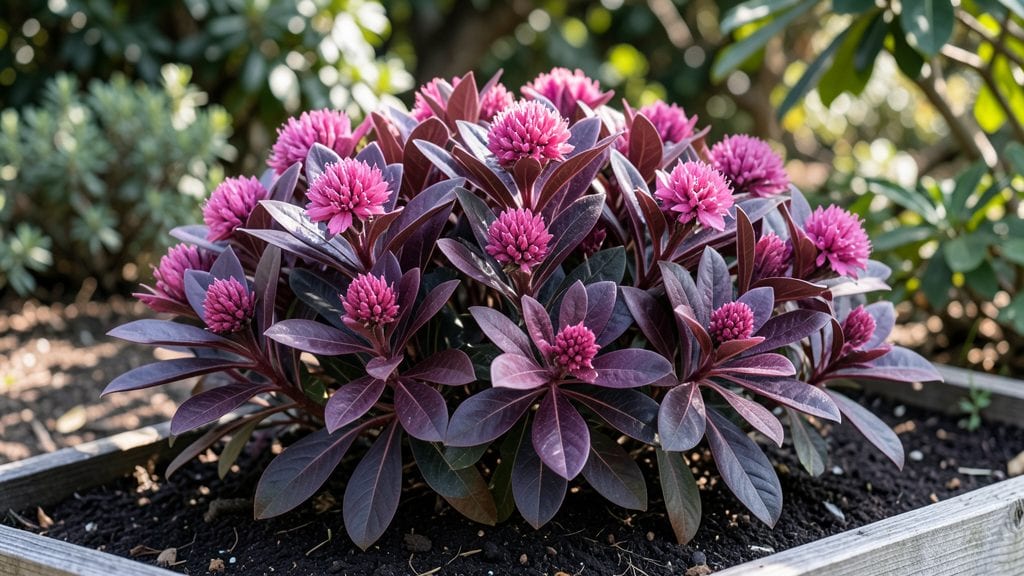
Your princess flower leaves shouldn’t just look stunning—they should thrive as edible garnishes and medicinal powerhouses. 🌿 I’ve seen these vibrant leaves go from glossy and healthy to spotted and wilting, and the fix often comes down to simple adjustments most gardeners miss.
The most common culprits are fungal infections (like powdery mildew), nutrient deficiencies (especially nitrogen or magnesium), or environmental stress from overwatering or poor drainage. Pruning affected leaves early and treating with neem oil can stop the decline before it spreads, while adjusting your watering schedule often saves the plant.
📚 In This Guide
- What you need
- Instructions
- Tips and common mistakes
- Wrapping up and next steps
What you need
- ● Fresh or dried princess flower leaves (Tibouchina urvilleana) – At least 10-15 leaves (fresh for garnishes, dried for teas or remedies). Ensure they’re pesticide-free!
- ● Organic water – 1 cup (240ml) for rinsing or steeping.
- ● Sharp kitchen shears or scissors – For clean cutting (avoid dull blades that crush leaves).
- ● Fine-mesh strainer or cheesecloth – For rinsing or straining infused liquids.
- ● Glass jar or airtight container – For storing dried leaves (if not using immediately).
- ○ Mortar and pestle – Optional for grinding dried leaves into a powder for remedies.
- ○ Food processor or blender – Optional for making leaf-infused oils or syrups.
- ○ Honey or agave syrup – Optional to sweeten teas or remedies (1 tbsp per cup of infused liquid).
- ○ Citrus juicer – Optional if pairing leaves with citrus for flavor (e.g., lemon or lime).
- ○ Labeling tape & markers – Optional for marking stored leaves or mixtures.
How to grow and harvest princess flower leaves for culinary and medicinal use
Here’s how I cultivate vibrant princess flower leaves—packed with antioxidants and perfect for garnishes—using simple techniques that work in any garden space.
🌱 Step 1: Select and Prepare the Planting Site
Princess flower (Tibouchina urvilleana) thrives in partial shade to dappled sunlight, making it ideal for under trees or near north-facing walls. Choose a spot with well-draining soil—this plant hates soggy roots. Amend heavy clay with 2-3 inches of compost to improve aeration. The leaves grow best when the plant isn’t fighting for nutrients, so avoid nutrient-poor soil.
I always test soil moisture before planting—stick your finger 2 inches deep. If it feels dry, water lightly the day before transplanting. Princess flower roots are sensitive, so avoid disturbing them during transfer. If starting from a nursery pot, tease the edges gently to encourage root spread into the new soil.
☀️ Step 2: Plant and Establish for Optimal Leaf Growth
Dig a hole twice as wide as the root ball but only as deep. Position the plant so the top of the root ball sits just below soil level—burying the stem too deep invites rot. Backfill with native soil mixed with a handful of slow-release fertilizer (like 10-10-10) to give young plants a nutrient boost without burning tender roots.
Water deeply immediately after planting to eliminate air pockets, then mulch with 2-3 inches of organic mulch (like shredded bark) to retain moisture and suppress weeds. Princess flower leaves develop their richest flavor when the plant isn’t stressed, so keep soil consistently moist but never waterlogged—top inch should feel damp to touch by mid-morning.
✂️ Step 3: Prune for Lush, Edible Leaves
Regular pruning encourages bushier growth and more tender leaves. I trim back leggy stems by one-third in early spring to stimulate new shoots. Always cut just above a leaf node (the bump where leaves attach) to redirect energy to lateral branches. Avoid cutting into old wood—the plant won’t regrow leaves from there.
Harvest leaves anytime, but late morning yields the most vibrant color and flavor. Snip individual leaves with clean scissors or pinch them off by hand, leaving at least half the leaf on the stem to keep the plant productive. Never take more than one-third of the foliage at a time—this plant recovers slowly from heavy pruning.
💧 Step 4: Maintain Through Seasons for Continuous Harvests
Princess flower leaves need consistent moisture but dread winter wetness. Water 2-3 times weekly in summer, reducing to once weekly in cooler months when growth slows. Overhead watering can cause leaf spot disease, so water at the base instead. In winter, let the top 1 inch of soil dry out between waterings to prevent root rot.
Fertilize lightly every 6-8 weeks with a balanced liquid fertilizer (like fish emulsion) during growing season. I skip fall fertilization—letting the plant enter dormancy with stored nutrients prevents winter stress. Watch for yellowing leaves; this usually means iron deficiency or overwatering—adjust care accordingly.
Tips & tricks for perfect princess flower leaf cultivation
Here's what I've learned from years of growing these medicinal powerhouse leaves—simple secrets that make all the difference between good and exceptional harvests.
Soil Preparation is Everything: The 2-3 inches of compost you add to heavy clay isn't just about aeration—it's about creating the perfect microbial environment for nutrient uptake. I always mix in a handful of worm castings too (optional but game-changing) for that extra microbial boost. Princess flowers are sensitive to poor drainage, so if you're in a rainy climate, consider adding perlite to your planting mix to prevent waterlogging.
The Root Ball Technique: When transplanting, the instruction to tease the edges of the root ball is crucial—but here's the pro move: I actually make two small vertical slits on opposite sides of the root ball before planting. This encourages faster root spread into the surrounding soil without disturbing the entire structure. The plant will establish itself twice as quickly.
Pruning Precision: That one-third pruning in early spring isn't just about shape—it's about stimulating new growth from the most flavorful parts of the plant. Always look for stems with multiple leaf nodes when pruning, as these will produce the most tender, vibrant leaves. And here's a secret: the leaves that grow after spring pruning have the highest antioxidant content—perfect for medicinal use.
Harvest Timing Secrets: While late morning is ideal for vibrant color, I actually harvest mine twice daily—once at 10am for garnishes (most vibrant) and again at 4pm for cooking (more tender). The leaves contain volatile oils that peak at different times, affecting both flavor and medicinal properties. Always harvest with clean, sharp scissors to prevent tearing and disease entry points.
Pro Tips for Princess Flower Leaves
- Here's what I've learned from years of growing these medicinal powerhouse leaves—simple secrets that make all the difference between good and exceptional harvests.
- Soil Preparation is Everything: The 2-3 inches of compost you add to heavy clay isn't just about aeration—it's about creating the perfect microbial environment for nutrient uptake.
- This encourages faster root spread into the surrounding soil without disturbing the entire structure.
Frequently asked questions
Are princess flower leaves safe to eat?
Yes! Princess flower (Tibouchina urvilleana) leaves are completely edible and often used as a garnish or in teas. Just ensure they’re pesticide-free—wash thoroughly before consuming. Start with small amounts to check for allergies, as individual sensitivities may vary.
When is the best time to harvest princess flower leaves?
Harvest leaves in the morning after the dew dries but before the sun peaks (around 10 AM). Young, tender leaves have the mildest flavor and highest nutrient content. Avoid harvesting after heavy rain, as moisture can dilute their flavor and attract pests.
Can I grow princess flower leaves at home?
They thrive in well-draining soil with partial shade and regular watering. Plant in spring, keep soil moist but not soggy, and fertilize lightly every 2–3 months. With patience, you’ll have a year-round supply for garnishes or teas—just pinch off spent blooms to encourage leaf growth.
What’s the best way to use princess flower leaves?
Use them fresh in salads, as a garnish for cocktails or desserts, or steep 1–2 leaves in hot water for a caffeine-free herbal tea. Dried leaves retain flavor but lose some nutrients, so fresh is ideal. For a bold taste, lightly crush leaves before adding to dishes.
Why are my princess flower leaves turning yellow?
Yellowing leaves often signal overwatering, nutrient deficiency, or fungal issues. Check soil moisture—let the top inch dry between waterings. If yellowing spreads, repot with fresh soil and reduce water. Yellow edges? It might be underwatering or low humidity. Adjust care and monitor progress!
Wrapping up and next steps
Princess flower leaves are more than just a stunning garnish—they’re a nutrient-packed powerhouse with culinary versatility and potential health benefits. Whether you’re adding them to salads, infusing teas, or exploring their medicinal properties, these leaves offer a delicious way to boost wellness. 🌿
Ready to dive deeper? Start by growing your own princess flowers or experimenting with their flavors in your next meal. Your taste buds—and health—will thank you!