
Aphids
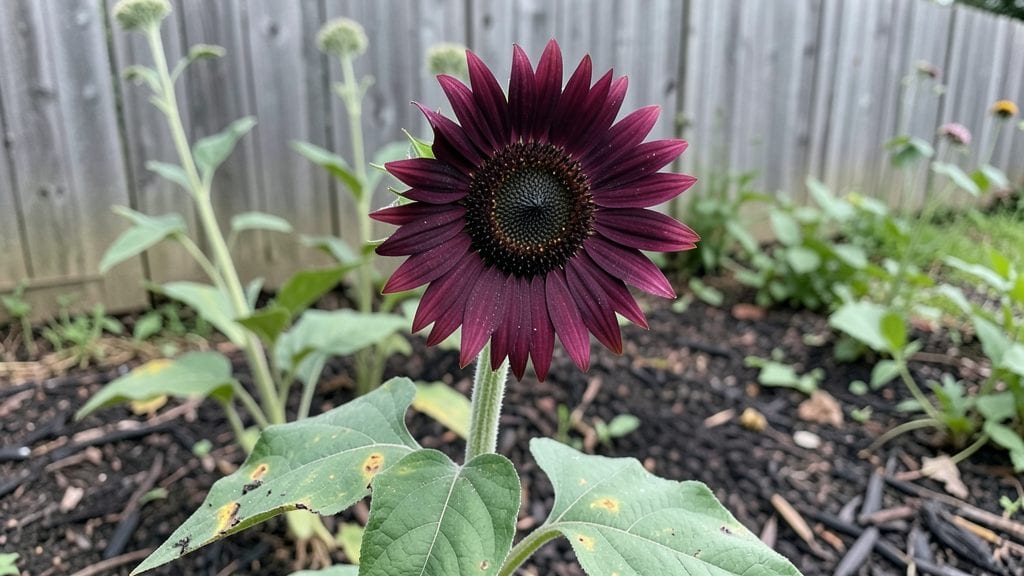
The Pro Cut Plum Sunflower might just be the most underrated plant in your Pacific Northwest garden—its deep plum blooms repel aphids while adding drama to bouquets. 🌻 I planted mine last June, and by August, they were towering over my roses, their petals drawing bees while keeping pests at bay.
The secret lies in their resilience: these sunflowers thrive where others wilt, handling the region’s damp summers and cool springs with ease.
You’ll need full sun (at least 6 hours daily), well-draining soil, and 18-24 inches of space between plants to prevent crowding. The Pro Cut series is bred for cut flowers, so stems stay sturdy even when heavy with blooms.
Water deeply once a week—more during heatwaves—but avoid soggy soil, which invites fungal issues. Mulch helps retain moisture and keeps roots cool, a must for our unpredictable coastal climate.
By midsummer, you’ll harvest sturdy, long-lasting stems perfect for bouquets or drying. Snip flowers when buds are just opening to maximize vase life—these sunflowers last 10+ days in water.
The plum hue deepens in shade, making them ideal for mixed arrangements. Plus, the foliage’s aphid-repelling properties mean fewer sprays and happier roses nearby.
For Pacific Northwest gardeners, timing is key: start seeds indoors 4-6 weeks before last frost or plant transplants in early May. Deadhead spent blooms to encourage more flowers, and watch as these sunflowers become the star of your garden—and your floral displays.
The best part? They’ll keep blooming until frost, giving you months of color and pest protection.
📚 In This Guide
- What you need
- Instructions
- Tips and common mistakes
- Wrapping up and next steps
What you need
- ● Pro Cut Plum Sunflower Seeds: 10-20 seeds (or 1-2 plants if purchasing seedlings). Look for Helianthus annuus varieties labeled for aphid resistance.
- ● High-Quality Potting Mix: 1-2 bags (sterilized, well-draining soil with compost). Aim for a blend rich in organic matter (e.g., 60% peat moss, 30% perlite, 10% compost).
- ● Container or Garden Bed: Containers: 5-10 gallon pots with drainage holes (for urban or small-space gardening).
- ● Garden Bed: Full sun (6+ hours/day) with loose, fertile soil. Amend with compost if your soil is heavy or clay-like.
- ● Organic Fertilizer: Slow-release granular fertilizer (e.g., 10-10-10 or fish emulsion) or compost tea for a natural boost.
- ● Mulch: 1-2 inches of straw, wood chips, or shredded leaves to retain moisture and deter weeds.
- ● Garden Gloves: A pair to protect your hands from thorns and soil.
- ● Trowel or Hand Fork: For digging and transplanting seedlings.
- ● Watering Can or Hose with Nozzle: A gentle spray setting to avoid disturbing seedlings.
- ○ Spray Bottle (Optional): For applying neem oil or insecticidal soap if aphids appear.
- ○ Stakes or Trellis (Optional): Tall sunflowers may need support in windy PNW areas.
- ○ pH Test Kit (Optional):strong> To ensure soil pH is between 6.0-7.0 (ideal for sunflowers).
- ● Start Indoors Early: If sowing seeds, begin indoors 4-6 weeks before the last frost date (typically late April in the PNW).
- ● Cold Hardiness: Pro Cut Plum sunflowers tolerate light frosts, but avoid planting until soil temps reach at least 50°F (10°C).
- ● Companion Plants: Pair with basil, marigolds, or garlic to naturally repel aphids.
Step-by-step guide to growing Pro Cut Plum sunflowers in the Pacific Northwest
Here's how to cultivate these striking, aphid-resistant blooms with minimal fuss—ideal for PNW's cool, damp climate.
🌱 Step 1: Choose the Right Planting Time and Location
Sunflowers thrive when planted after your last frost date, typically mid-April to early May in the Pacific Northwest. Select a full sun location—at least 6-8 hours of direct sunlight daily—as these varieties need ample light to develop their signature plum-colored blooms. I always pick a spot with well-draining soil, since sunflowers despise soggy roots, especially in the PNW's rainy season.
If you're growing in containers, ensure they're at least 12 inches deep to accommodate the deep taproots. The Pro Cut variety grows 4-5 feet tall, so space plants 18-24 inches apart to allow for airflow and prevent fungal diseases. This spacing also helps deter aphids, which are less likely to spread in less crowded conditions.
☀️ Step 2: Prepare Soil and Plant Seeds
Before planting, amend your soil with compost or well-rotted manure to improve drainage and fertility. Sunflowers prefer slightly acidic to neutral soil with a pH of 6.0-7.0. If your soil is heavy clay, mix in sand or perlite to lighten it—this is especially important in the PNW, where clay soils can become waterlogged.
Plant seeds 1 inch deep and 1-2 inches apart in rows spaced 2 feet apart. Water gently after planting to settle the soil, but avoid overwatering, which can cause seeds to rot. I like to use a seed-starting mix in containers to ensure better germination. Keep the soil consistently moist but not soggy until seedlings emerge, which typically takes 7-14 days depending on soil temperature.
💧 Step 3: Water and Fertilize for Strong Growth
Once seedlings reach 4-6 inches tall, thin them to 1 plant every 18-24 inches to give them room to grow. Water deeply 1-2 times per week, ensuring the soil is moist to a depth of 6 inches. In the PNW's cooler climate, you may need to water more frequently during dry spells, but avoid wetting the foliage to prevent fungal diseases like powdery mildew.
Fertilize lightly with a balanced, water-soluble fertilizer (10-10-10) when seedlings are 4-6 inches tall, then again when they reach 12 inches. Too much nitrogen can lead to weak stems, which may snap in windy PNW conditions. I also add a slow-release granular fertilizer at planting time for steady nutrition. Watch for yellowing leaves—this often signals overwatering or nutrient deficiencies.
✂️ Step 4: Support and Maintain for Healthy Blooms
The Pro Cut variety benefits from staking or cages to support its tall stems, especially in windy PNW gardens. Install supports when plants reach 2 feet tall to prevent them from toppling. Prune any damaged or diseased leaves immediately to keep the plant healthy and encourage stronger growth.
Deadhead spent blooms to encourage more flowers and prolong the blooming season. Sunflowers are also great for attracting beneficial insects like ladybugs, which help control aphids naturally. If you notice aphids, spray plants with neem oil or insecticidal soap—these are effective and safe for the environment. Harvest seeds when the back of the bloom turns yellow and the seeds are mature, usually 90-120 days after planting.
Tips & tricks for perfect Pro Cut Plum sunflowers
A few key strategies will help you coax those stunning plum blooms from your Pro Cut sunflowers—especially in the PNW's tricky climate.
Sunlight Strategy: While 6-8 hours of sunlight is ideal, these sunflowers are surprisingly adaptable. If your garden gets less light, prioritize the sunniest spot you have—they'll still bloom, though stems may be slightly shorter. I've grown them successfully with just 5 hours of direct sun, though the plum color may be more muted. In cloudy PNW summers, supplement with a reflective surface like white plastic or a mirror to bounce extra light onto the plants.
Soil Science: The pH test is crucial—sunflowers thrive between 6.0-7.0, but PNW soils often lean acidic. If your soil tests below 6.0, add crushed limestone gradually (about 1 pound per 100 square feet) and retest in 3 months. I've found that Pro Cut varieties are particularly sensitive to overly acidic conditions, which can lead to yellowing leaves and stunted growth. For container growing, use a pre-mixed potting soil with added perlite to ensure proper drainage.
Wind Protection: Those 4-5 foot stems need support, but in windy PNW gardens, even staking may not be enough. I recommend installing supports when plants reach 2 feet tall—before the winds pick up. For extra protection, weave jute twine between stakes in a spiral pattern rather than using rigid cages. This flexible approach lets stems sway slightly without breaking, which actually strengthens them over time. In exposed areas, consider planting near a windbreak like a fence or shrub row.
Watering Wisdom: The 1-2 times per week guideline works well, but PNW's inconsistent rainfall means you'll need to monitor closely. I check soil moisture by sticking my finger 2 inches deep—if it's dry, water thoroughly until moisture reaches 6 inches down. The key is consistency: sunflowers hate wet feet but also can't tolerate drought stress. In containers, you'll need to water more frequently, sometimes daily during hot spells, as potted soil dries out much faster than in-ground soil.
Pro Tips for Pro Cut Plum Sunflower
- A few key strategies will help you coax those stunning plum blooms from your Pro Cut sunflowers—especially in the PNW's tricky climate.
- Sunlight Strategy: While 6-8 hours of sunlight is ideal, these sunflowers are surprisingly adaptable.
- Soil Science: The pH test is crucial—sunflowers thrive between 6.0-7.0, but PNW soils often lean acidic.
Frequently asked questions
Got questions about growing Pro Cut Plum Sunflower to deter aphids in your PNW garden? We’ve got answers!
Here are some of the most common queries from gardeners just like you.
How tall does the Pro Cut Plum Sunflower grow, and is it suitable for small gardens?
The Pro Cut Plum Sunflower typically reaches 3–4 feet tall, making it a great mid-height option for borders, containers, or even cut flower arrangements. For small spaces, opt for a potted version or pair it with shorter companions like sweet alyssum or lobelia to maximize aphid resistance without overwhelming your layout.
When is the best time to plant Pro Cut Plum Sunflowers in the Pacific Northwest?
In the PNW’s cool, wet climate, plant seeds indoors 6–8 weeks before your last frost date (usually mid-April) or directly outdoors after soil warms (late May–early June). If starting from transplants, wait until nighttime temps stay above 50°F to avoid stunted growth. Pro tip: Use a seedling heat mat for faster germination in chilly spring soil!
How effective is this sunflower at repelling aphids compared to other varieties?
The Pro Cut Plum Sunflower is one of the top aphid-resistant sunflowers due to its tight foliage and natural pest-deterring compounds. While no plant is 100% aphid-proof, it significantly reduces infestations compared to traditional varieties like Moulin Rouge. For extra protection, interplant with garlic, chives, or marigolds to create a natural aphid barrier.
Can Pro Cut Plum Sunflowers handle the Pacific Northwest’s rainy season?
This variety is drought-tolerant once established but also handles occasional rain well—just ensure good drainage to prevent root rot. If your PNW garden gets consistent downpours, mulch around the base to protect roots and avoid overhead watering to keep foliage dry (which deters fungal issues).
What are some good alternatives if I want aphid-resistant flowers but prefer a different color?
If you love the Pro Cut Plum Sunflower but want variety, try these aphid-resistant PNW-friendly blooms:
- ‘Autumn Joy’ Sedum – Pink/purple, drought-tolerant, and aphids rarely bother it.
- ‘Black Knight’ Zinnia – Deep red/black, thrives in heat, and aphids avoid its strong scent.
- ‘Sweet Annie’ Cinquefoil – Golden-yellow, fragrant, and naturally repels pests.
- ‘Purple Coneflower’ (Echinacea) – Purple/pink, attracts beneficial predators like ladybugs.
For cut flowers, ‘Benary’s Giant’ Snapdragon (red/pink) is another aphid-resistant pick!
Wrapping up and next steps
Growing Pro Cut Plum Sunflower in your Pacific Northwest garden isn’t just about adding beauty—it’s a practical way to keep aphids at bay while enjoying vibrant blooms! 🌸 These hardy plants are perfect for both novice and experienced gardeners, offering low-maintenance care and natural pest control.
Whether you’re a seasoned gardener or just starting, their resilience and striking colors make them a must-have.
Ready to transform your garden? Start by grabbing your seeds or seedlings, marking your spot, and giving these sunflowers the love they deserve. Watch them grow—and watch those aphids disappear! 🌱