
Pruning
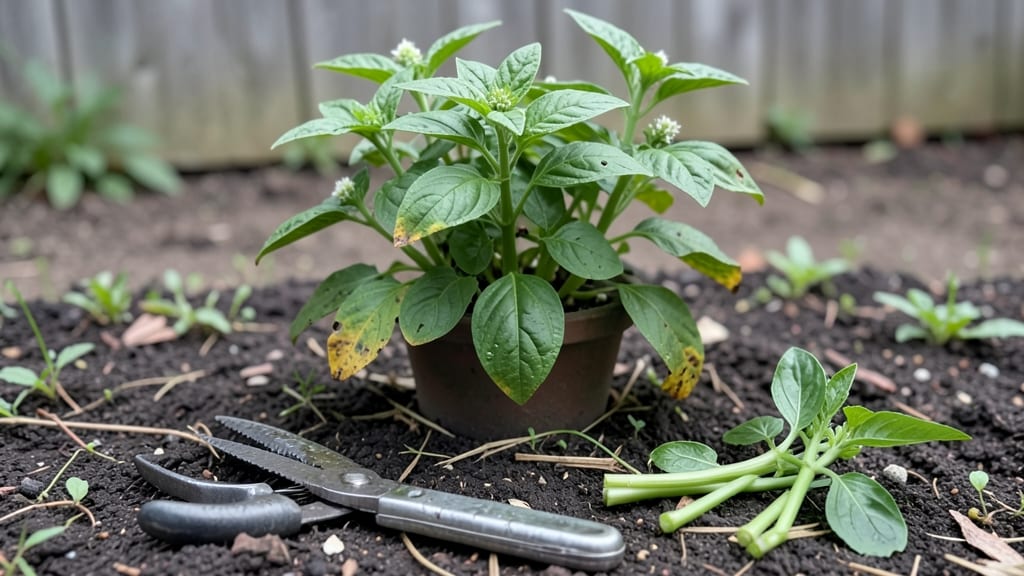
Pruning basil flowers isn't just trimming—it’s the secret to prolonged harvests that keep your kitchen stocked with fresh leaves long after store-bought plants have given up. 🌿 I’ve watched my basil bolt into flower stalks by mid-July, only to wither within weeks, but this simple technique keeps mine producing until frost.
The key? Removing those little flower buds before they open, which forces the plant to focus on leaf growth instead of setting seed.
You only need sharp scissors or pruning shears, a sunny windowsill or garden spot, and about 10 minutes once a week during peak growing season. The process is foolproof: just pinch off any flower buds you spot—no need to wait for them to bloom.
This redirects energy back into the leaves, which means more harvests for pesto, salads, and pasta dishes. Plus, your basil stays bushier and healthier, resisting pests better than neglected plants.
After pruning, give your basil a drink if the soil feels dry, and make sure it gets 6+ hours of sunlight daily. The first harvest after pruning will be lush and fragrant, with leaves so tender they practically melt in your mouth.
You’ll notice new growth within days, proving that a little maintenance goes a long way. The best part? Your plant will keep producing for weeks longer than unpruned varieties.
This method works for both potted basil on patios and in-ground plants in garden beds. Just avoid heavy pruning in late summer—save that for early fall to encourage one last flush of growth before winter. Now grab those shears and let’s keep that basil thriving!
📚 In This Guide
- What you need
- Instructions
- Tips and common mistakes
- Wrapping up and next steps
What you need
- ● Fresh basil plant(s) – Healthy, mature basil (preferably Genovese, Thai, or Purple basil for best results).
- ● Clean, sharp pruning shears – Bypass pruners (4-6 inch blades) to avoid crushing stems.
- ○ Gloves (optional but recommended) – Lightweight gardening gloves to protect hands from sap and sharp stems.
- ● Small container or bucket – For collecting pruned flowers and debris (1-2 gallons).
- ● Disinfectant (70% isopropyl alcohol or diluted bleach) – To sterilize tools before and after use.
- ● Water spray bottle – For misting plants post-pruning (8-16 oz).
- ● Pruning saw (for thick stems) – If your basil has woody stems over ¼ inch thick.
- ● Compost bin or bag – For disposing of pruned flowers (they can attract pests if left in the garden).
- ● Plant food (balanced liquid fertilizer) – 10-10-10 or organic options like fish emulsion to boost regrowth.
- ● Grow lights or shade cloth – If pruning late in the season and temperatures are dropping.
How to prune basil flowers for a second flush of leaves
Here's the simple technique I use to coax new growth from basil plants that have bolted.
✂️ Step 1: Identify and Remove Flower Buds
Start by examining your basil plants for small flower buds—these look like tiny white or purple spikes emerging from the leaf axils. The key is to catch them early, before they open. Use clean, sharp pruning shears or your fingers to pinch off the buds completely at the base. I always wear gloves because basil leaves can irritate sensitive skin.
Don't just trim the flowers—you need to remove the entire stem down to the main branch. This prevents the plant from diverting energy to flowering and encourages leaf production instead. If you see any flowers already in bloom, trim those too, but focus first on the buds that haven't opened yet.
✂️ Step 2: Prune Leggy Stems for Bushier Growth
After removing the flower buds, look for any stems that have grown too tall and leggy. These are usually the ones that bolted first and are now stretching toward the sky. Use your pruning shears to cut these stems back by about one-third of their length, just above a set of leaves where new growth can emerge.
I like to make these cuts at a 45-degree angle to prevent water from pooling on the stem. This small detail helps prevent rot and keeps the plant healthy. After pruning, you'll notice the plant looks a bit bare, but don't worry—this is exactly what you want to encourage new, bushier growth.
✂️ Step 3: Stimulate New Growth With a Light Trim
Now, give the entire plant a light trim to encourage bushier growth and more leaf production. Focus on the outer leaves and any branches that are growing inward. Cut back just above a leaf node or a set of leaves, being careful not to remove too much at once. This helps the plant redirect its energy toward producing more leaves rather than flowers.
After trimming, water the plant deeply to help it recover. You'll want to keep the soil consistently moist but not soggy—basil roots need oxygen to grow, so avoid waterlogging. Within a week or two, you should start to see new leaves emerging from the nodes where you made your cuts.
☀️ Step 4: Provide Ideal Conditions for Revival
To give your basil the best chance of reviving, make sure it's getting plenty of sunlight—at least 6-8 hours of direct sun per day. If your basil is in a container, move it to a sunnier spot or place it under a grow light if necessary. Basil needs bright light to photosynthesize and produce new leaves.
Also, keep an eye on the temperature. Basil thrives in temperatures between 60-75°F. If nights are getting cooler, consider moving your potted basil indoors or to a protected spot. Avoid placing it near drafts or air conditioning vents, as sudden temperature changes can stress the plant.
🌿 Step 5: Monitor and Maintain for Prolonged Harvests
Over the next few weeks, keep an eye on your basil for new growth. You should see fresh leaves emerging from the nodes where you pruned. Harvest these leaves regularly to encourage even more growth—just pinch off the outer leaves, leaving the inner ones to continue growing.
If you notice any yellowing leaves, remove them promptly to prevent disease. Also, watch for any new flower buds forming and pinch them off immediately. The goal is to keep your basil focused on leaf production as long as possible. With proper care, you can extend your basil harvest well into the fall.
Tips & tricks for pruning basil flowers
Here's what I've learned from years of pruning basil to get that second flush of leaves—trust me, these details make all the difference.
Timing is Everything: The absolute best time to prune is in the morning when the plant is fully hydrated. I've found that pruning after watering helps the plant recover faster. Look for those tiny flower buds early—once they open, the plant has already started diverting energy away from leaves. In Step 1, when you're pinching those buds, do it before they reach 1/4 inch long for maximum effectiveness.
Tool Prep Matters: Before you start, sanitize your pruning shears with rubbing alcohol to prevent spreading disease. I like to use small, sharp scissors for precision work on basil—regular garden shears can be too bulky. And here's a pro move: Wipe the blades with a damp cloth after each cut to keep them clean. This simple step prevents bacterial buildup that could harm your plant.
Pruning Angle Secrets: That 45-degree angle in Step 2 isn't just for show—it's about water management. The slanted cut prevents water from pooling on the stem, which could lead to rot. Think of it like creating a little roof that directs water away. For container basil, this is especially important since water drainage is more limited than in garden beds.
Light Aftercare: After your big pruning session, give your basil a temporary boost by placing it under a grow light if natural sunlight is limited. I've had great results using simple LED grow bulbs—just 12 hours a day helps compensate for shorter daylight hours in fall. This extra light helps the plant recover faster and produces more vibrant new growth.
Pro Tips for Prune Basil Flowers
- Here's what I've learned from years of pruning basil to get that second flush of leaves—trust me, these details make all the difference.
- Timing is Everything: The absolute best time to prune is in the morning when the plant is fully hydrated.
- Tool Prep Matters: Before you start, sanitize your pruning shears with rubbing alcohol to prevent spreading disease.
Frequently asked questions
Got questions about pruning basil flowers? You’re not alone—this step can feel tricky at first! Below are answers to the most common queries to help you master the technique and keep your basil thriving all season.
Why should I prune basil flowers at all?
Pruning basil flowers (or flower buds) redirects the plant’s energy from seed production back to leaf growth. Without pruning, basil becomes woody, bitter, and less productive. Think of it as giving your plant a second wind for a longer, flavor-packed harvest!
When is the best time to prune basil flowers?
Prune basil flowers as soon as you spot them—ideally when they’re just tiny buds (about the size of a pea). Waiting until flowers open wastes precious growth energy. For container-grown basil, check weekly; for garden basil, monitor every 3–5 days during peak growing months (late spring to early summer).
How do I prune basil flowers without harming the plant?
Use clean, sharp scissors or pruners to snip off flower buds just above a set of leaves (never the stem’s main growth point). Avoid tearing leaves—this can invite pests. For large plants, remove up to ⅓ of the flowers in one session. Pro tip: Pinch off flowers in the morning when the plant is hydrated and resilient!
What if I miss pruning and flowers already bloom?
Don’t panic! Even bloomed flowers can be pruned, but the plant may take 1–2 weeks to bounce back. Remove the entire flower stalk at its base, then focus on leaf pruning (harvesting outer leaves) to stimulate new growth. Reduce watering slightly to prevent stress—your basil will recover with patience.
Are there alternatives if I don’t want to prune flowers?
If pruning feels like too much work, try these tricks:
- Harvest leaves aggressively: Pinch off outer leaves regularly to encourage bushier growth.
- Use dwarf or bush basil varieties: Types like ‘Spicy Globe’ or ‘Genovese Compact’ bloom later and require less pruning.
- Grow in cooler climates: Basil grows slower in cooler temps, delaying flowering naturally.
Wrapping up and next steps
Pruning basil flowers isn’t just a task—it’s the secret to unlocking longer harvests and healthier plants as the season winds down. By removing those delicate blooms, you redirect your basil’s energy into lush, flavorful leaves, ensuring your kitchen stays stocked with fresh herbs well into fall.
Think of it as a small effort that pays off in bold, vibrant flavors and less wasted potential.
Ready to give it a try? Grab your pruners, head outside, and transform your basil into a late-season powerhouse. Next, share your pruned basil’s success—or even swap tips with fellow gardeners—because great harvests are always better together! 🌿✨