
Planting
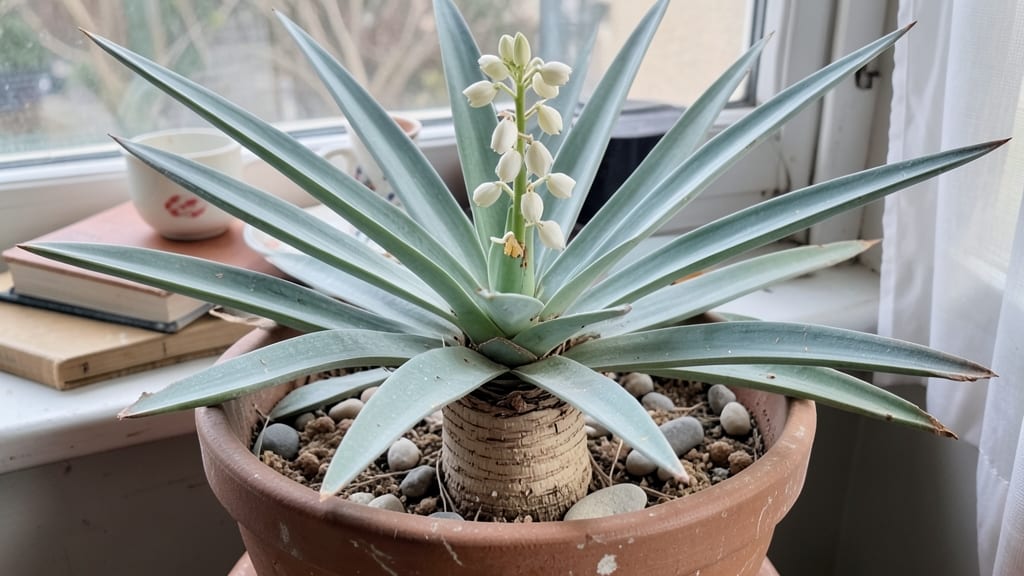
A yucca plant flower stalk rising from your desert garden is a sight that turns neighbors into admirers. 🌿 I’ve watched mine go from a single bud to a 6-foot-tall candelabra of white blooms—here’s how to coax that drama from your own plant.
The trick isn’t just patience; it’s knowing when to prune, how much water to give, and exactly what your yucca craves in sunlight.
Most yuccas bloom every 3-5 years, but you can encourage earlier flowering by mimicking their natural desert conditions. Too much water or shade? Your plant will focus on survival, not blooms.
I learned this the hard way when my first stalk flopped after a summer of overzealous watering—now I let the soil dry completely between drinks. The right balance turns a struggling plant into a showstopper.
Once that flower stalk appears, timing your pruning makes all the difference. Cutting too early removes potential blooms; waiting too long weakens the plant. I prune spent stalks at the base in late winter, right before new growth starts.
The result? A fresh, sturdy stalk that reaches even higher the next season, with fewer pests and more energy for blooming.
This method works for both yucca rostrata and yucca filamentosa, whether you’re growing in containers or in-ground. The key is consistency—light, water, and pruning all play their part. Ready to turn your yucca into the garden’s star attraction? Let’s get those blooms towering.
📚 In This Guide
- What you need
- Instructions
- Tips and common mistakes
- Wrapping up and next steps
What you need
- ● Clean, sharp pruning shears (bypass pruners, 5–8" blade) – sterilize with rubbing alcohol before use!
- ● Disposable gloves (nitrile or latex) – protects hands from sap and thorns.
- ○ Pruning sealant (optional but recommended) – like tree wound paint to prevent disease.
- ● Rubbing alcohol (70%+) – for sterilizing tools between cuts.
- ● Small container or bucket – for collecting pruned debris.
- ● Mature yucca plant (3+ years old, at least 3–4 feet tall) – younger plants may not bloom yet!
- ● Healthy, disease-free foliage – no yellowing or mushy leaves.
- ● Sunny location – yuccas thrive in full sun (6+ hours/day).
- ● Well-draining soil – sandy or gravelly mix (amend clay soil with perlite).
- ● Patience! – Flower stalks take 1–2 years to emerge after pruning.
- ● Horticultural spray bottle – for misting cuts if sealant isn’t used.
- ● Compost or mulch – to replenish soil nutrients post-pruning.
- ● Garden journal – track bloom cycles and pruning dates.
- ● Long sleeves/pants – yucca thorns are no joke!
Instructions for pruning yucca flower stalks for stunning blooms
Here's how I encourage my yuccas to produce taller, showier flower stalks every season.
🌱 Step 1: Identify the Right Time to Prune
Yuccas bloom best when you time pruning just right. Wait until the flower stalk has fully bloomed and the blooms have turned brown—this usually happens in late spring or early summer after the flowers have faded completely. Don't prune too early; you want the stalk to complete its natural cycle first.
Look for stalks that are completely dried out and brittle. Run your fingers along the stalk—if it crumbles easily, it's ready. I always prune mine after the last flower has dropped, usually 2-3 weeks after blooming ends. This gives the plant time to redirect energy back to its roots for next year's growth.
✂️ Step 2: Cut at the Base with Clean Tools
Use a pair of sharp, sterilized pruning shears or a clean knife to make your cut. I always wipe the blades with rubbing alcohol first to prevent any fungal spores from transferring to the plant. Cut the stalk right at the base, where it meets the main plant stem, at a 45-degree angle to prevent water from pooling.
Make sure you're cutting cleanly through the stalk without tearing the plant tissue. If you leave a stub, it can rot over time. I like to make the cut just above a leaf node if possible—this encourages new growth from that point. After cutting, remove any remaining dried flower heads from the stalk to keep the plant looking tidy.
☀️ Step 3: Encourage New Growth with Proper Aftercare
After pruning, give your yucca a light fertilizer application with a balanced 10-10-10 or 20-20-20 formula to help it recover. I use about half the recommended dose to avoid overfeeding. Water the plant deeply but sparingly—yuccas store water in their leaves, so they don't need frequent watering. Let the soil dry out completely between waterings.
Place your yucca in a spot with full sun for at least 6 hours a day. This helps it rebuild energy for next year's bloom. Watch for new growth emerging from the base or leaf nodes within 4-6 weeks. If you see signs of stress like yellowing leaves, reduce watering immediately—yuccas are drought-tolerant and prefer to dry out between waterings.
🌿 Step 4: Monitor for Next Year's Flower Stalks
The key to bold, towering blooms is patience. After pruning, your yucca will focus its energy on rebuilding its root system and foliage. In late winter or early spring, you'll notice a new flower stalk beginning to form at the center of the plant. This is your cue that the pruning worked!
Keep an eye on the stalk's growth—it should emerge straight and sturdy. If you notice any weak or leggy growth, provide a small dose of phosphorus-rich fertilizer to encourage flowering. Avoid overwatering during this time, as soggy soil can cause the stalk to weaken. With proper care, your yucca will reward you with a taller, showier bloom the following season.
Tips & tricks for pruning yucca flower stalks
Timing and technique make all the difference when pruning yucca flower stalks for those showstopping blooms.
Timing Secret: In Step 1, don't rush the process—those 2-3 weeks after blooming ends are crucial. The plant needs this time to redirect nutrients back to its roots. I've seen yuccas produce second blooms if I prune too early, but these are always weaker and shorter. Wait until the stalks are completely brittle and crumble easily when touched.
Cutting Technique: For Step 2, the 45-degree angle cut isn't just about aesthetics—it prevents water from pooling at the base, which can cause rot. Use a clean knife or pruning shears, and make sure to cut right at the base where the stalk meets the main stem. If you leave even a small stub, it can become a breeding ground for bacteria and fungi. I always make my cut just above a leaf node to encourage new growth from that spot.
Aftercare Strategy: Step 3's 6 hours of full sun is non-negotiable for recovery. Yuccas are desert plants—they thrive on sunlight, not frequent watering. After pruning, I place mine in the brightest spot I can find, and within those 4-6 weeks, you'll often see new growth emerging from the base. The key is patience—yuccas store water in their leaves, so they don't need regular watering. Let the soil dry out completely between waterings to avoid stressing the plant.
Monitoring Growth: In Step 4, watch for that new stalk emerging in late winter or early spring. If you notice weak or leggy growth, a small dose of phosphorus-rich fertilizer can help encourage stronger flowering. But here's the thing: don't overwater during this time. Soggy soil can actually weaken the stalk and prevent it from reaching its full height. I've seen yuccas produce stalks over 10 feet tall with proper care!
Pro Tips for Yucca Plant Flower Stalk
- Timing and technique make all the difference when pruning yucca flower stalks for those showstopping blooms.
- Timing Secret: In Step 1, don't rush the process—those 2-3 weeks after blooming ends are crucial.
- Cutting Technique: For Step 2, the 45-degree angle cut isn't just about aesthetics—it prevents water from pooling at the base, which can cause rot.
Frequently asked questions
Got questions about your yucca plant’s dramatic flower stalk? You’re not alone! Here are answers to the most common queries—from timing tricks to troubleshooting tips—to keep your plant thriving and blooming like a showstopper.
When is the best time to prune a yucca flower stalk?
Prune the stalk after flowering, once it turns yellow or brown. This usually happens in late summer or early fall. Avoid cutting too early—waiting ensures the plant redirects energy to future growth. Pro tip: Use sterilized shears to prevent disease!
How long does it take for a yucca to grow a new flower stalk?
Patience is key! A healthy yucca may take 1-3 years to produce another flower stalk after pruning. Factors like sunlight, soil quality, and plant age play a role. Keep it well-watered (but not soggy) and fertilize lightly in spring to encourage regrowth.
What if my yucca flower stalk is short or never blooms?
Short or missing stalks often mean the plant lacks maturity, sunlight, or nutrients. Ensure your yucca gets full sun (6+ hours/day) and well-draining soil. Overwatering or root-bound conditions can also stunt blooms. Try repotting or fertilizing with a low-nitrogen blend in early spring.
Can I save a yucca plant with a dead or rotting flower stalk?
Yes! If the stalk is mushy or smelly, cut it at the base with clean tools. Check for soft, discolored stems—these signal rot. Trim healthy leaves to reduce stress, and let the soil dry out between waterings. If the rot spreads to the base, you may need to propagate pups or replant.
Are there alternatives to pruning the stalk if I want to save the flowers?
If you love the blooms, skip pruning the stalk entirely—just let it die back naturally. However, removing dead stalks improves airflow and prevents pests. For a partial solution, you can cut the stalk above the first set of leaves to encourage a smaller, secondary bloom.
Wrapping up and next steps
Growing a yucca plant flower stalk is all about patience, precision, and a little love for your leafy friend! With the right tools, timing, and care, you can coax those stunning, towering blooms that make yuccas so special.
Remember, pruning isn’t just about cutting—it’s about encouraging your plant to thrive and reward you with breathtaking flowers.
Now that you’re armed with the know-how, roll up your sleeves and give your yucca the attention it deserves. Next up? Keep an eye on your plant’s health, adjust care as seasons change, and soon, you’ll be the envy of every gardener with those bold, show-stopping blooms reaching for the sky! 🌟