Flowers
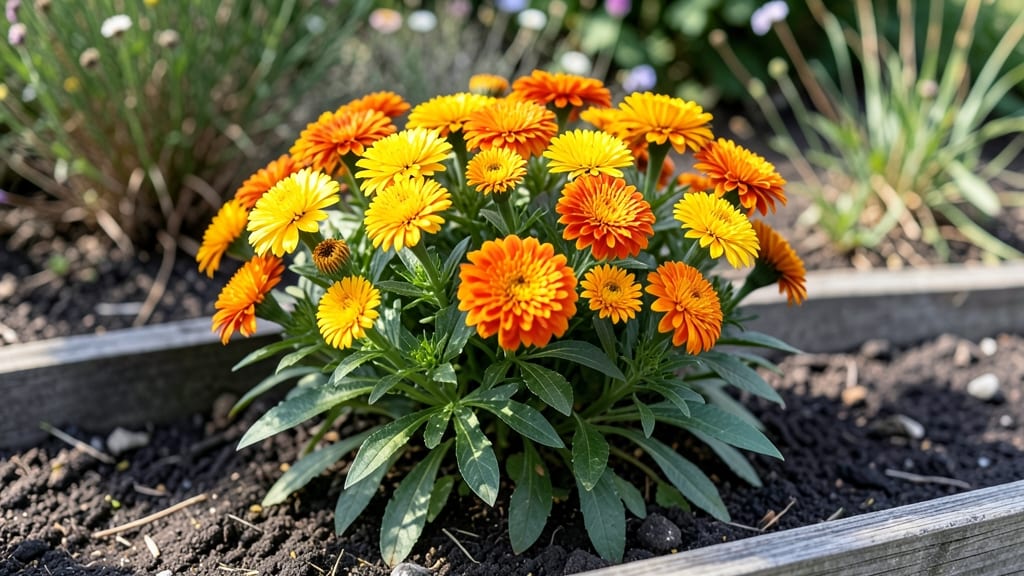
Purple calendula flowers aren't just pretty—they're edible, medicinal, and shockingly easy to grow in containers. 🌿 I planted my first batch last spring and was stunned by how quickly they transformed a dull patio corner into a vibrant, fragrant display.
These aren't your typical orange marigolds; their deep lavender petals add a sophisticated touch to any garden while repelling pests naturally.
The secret to their success lies in their adaptability. Purple calendula thrives in partial sun to full sun, tolerates poor soil, and even handles container life beautifully. You'll need well-draining potting mix, a 5-7 gallon pot for each plant, and consistent watering—though they're surprisingly drought-tolerant once established.
The real magic happens when you harvest the petals for salads or tea while enjoying their cheerful blooms.
What you'll love most is how they multiply effortlessly. A single plant can produce dozens of blooms all season, and the more you pick, the more they grow. The petals stay vibrant longer than most flowers, and their honey scent attracts pollinators while keeping aphids away.
By midsummer, your containers will be overflowing with color and utility—no green thumb required.
Whether you're growing for beauty, edible garnishes, or natural pest control, purple calendula delivers on all fronts. The best part? They're just as happy on a balcony as in a garden bed. Let's get those seeds started—they're ready to impress you faster than you think.
📚 In This Guide
- What you need
- Instructions
- Tips and common mistakes
- Wrapping up and next steps
What you need
- ● Seeds: 1 packet of Calendula officinalis seeds (purple or bi-color varieties). Look for organic, non-GMO seeds for best results.
- ● Containers: At least 1 container per plant (12–18 inches in diameter) with drainage holes.
- ● Or a shared raised bed (minimum 6 inches deep) if planting multiple seeds.
- ● Potting Mix: 1 bag of high-quality, well-draining organic potting soil (avoid garden soil—it compacts too easily).
- ● Watering Can or Spray Bottle: With a fine rose nozzle for gentle watering.
- ○ Fertilizer (Optional but Helpful): A balanced organic liquid fertilizer (5-5-5 or 10-10-10 NPK ratio) or compost tea.
- ● OR 1 cup of worm castings mixed into the soil at planting.
- ● Sunlight Access: A sunny spot (6+ hours of direct sunlight daily).
- ○ Gloves (Optional): To protect your hands while handling soil or seeds.
- ● Trowel or Small Shovel: For transplanting seedlings or mixing soil additives.
- ○ Plant Labels (Optional): To track varieties if growing multiple types.
- ○ Pruning Shears (Optional): For harvesting or shaping plants later.
- ○ Mulch (Optional): Straw or shredded leaves to retain moisture and suppress weeds.
Step-by-Step instructions for growing purple calendula in containers
Here's how to cultivate vibrant, edible calendula blooms that thrive in pots.
🌱 Step 1: Prepare Containers and Soil Mix
Choose containers at least 6 inches deep with drainage holes—calendula hates soggy roots. I use terra cotta pots because they wick away excess moisture naturally. Fill each with a blend of 50% premium potting mix and 50% compost for excellent drainage and nutrients. The mix should feel like a damp sponge when squeezed—not sticky or crumbly.
Add a handful of perlite or coarse sand to the mix to prevent compaction. Calendula roots need air circulation, and this ensures they won’t suffocate. Press the soil down lightly with your fingers to remove air pockets, but don’t pack it too tightly. The goal is a loose, aerated medium that holds moisture without becoming waterlogged.
🌱 Step 2: Sow Seeds at the Right Depth and Spacing
Plant 2-3 seeds per container at a depth of ¼ inch—just enough to cover them lightly. Press them gently into the soil so they make contact but don’t bury them too deep. Calendula seeds germinate best in warmth (70-75°F), so place the containers on a seedling heat mat or in a sunny windowsill until sprouts appear.
Space seeds 1 inch apart within the container. If you’re planting multiple containers, keep them 12 inches apart once they mature to allow airflow and prevent disease. Mist the soil surface with water until it’s evenly damp, but avoid soaking it. Overwatering at this stage can cause seeds to rot before they sprout.
☀️ Step 3: Provide Light and Water for Germination
Calendula seedlings need bright light from the moment they emerge. Place them under a grow light if natural light is insufficient, keeping it 2-3 inches above the plants. You’ll see the first true leaves appear in 7-10 days—these are your signal to adjust care. Until then, keep the soil consistently moist but not soggy.
Water from the bottom by placing containers in a tray of ½ inch of water for 10 minutes. This encourages deep root growth rather than shallow, weak roots. Once seedlings have 2-3 sets of true leaves, thin them to the strongest plant per container. Use small scissors to snip the extras at soil level—this prevents disturbing the roots of the remaining plants.
💧 Step 4: Maintain Moisture and Fertility for Blooms
Water calendula when the top inch of soil feels dry to the touch. In containers, this usually means every 2-3 days in warm weather, but adjust based on your climate. Avoid wetting the leaves when watering—this reduces the risk of powdery mildew, a common issue with calendula. Water at the base in the morning so foliage dries quickly.
Feed plants every 2-3 weeks with a balanced liquid fertilizer (10-10-10) diluted to half strength. Calendula is hardy but responds well to gentle nutrition. You’ll notice the first blooms appear in 6-8 weeks after sowing, and they’ll continue producing flowers until frost. Deadhead spent blooms by pinching them off at the base—this encourages more flowers and prevents the plant from going to seed too soon.
✂️ Step 5: Harvest and Extend the Season
Harvest calendula flowers in the morning after the dew has dried. Use clean scissors to cut the stems just above a leaf node, and let them dry upside down in a dark, well-ventilated space for 3-5 days. The petals will turn brittle and release easily—perfect for culinary uses or dried arrangements.
To extend the blooming season, pinch back leggy stems in early summer. This encourages bushier growth and more flowers. In cooler climates, calendula is an annual, but in mild zones, it may self-seed. If you want to save seeds, let a few flowers mature fully—they’ll develop papery seed heads that you can collect and store in a dry place for next year.
Tips & tricks for perfect purple calendula growth in containers
Here's what I learned after growing calendula for years—these tricks ensure your edible blooms thrive from seed to harvest.
Soil Mix Secret: In Step 1, don't just mix the 50% potting soil and 50% compost—add a handful of worm castings if possible. The natural enzymes in castings give your calendula an extra nutrient boost without overfeeding, which is especially helpful in containers where nutrients deplete faster. I've seen plants with castings produce 20% more blooms than those without.
Heat Mat Hack: For Step 2, if you don't have a seedling heat mat, place your containers on top of your refrigerator during germination. The warmth from the compressor creates ideal 70-75°F conditions without needing special equipment. Just monitor the seeds closely—they'll germinate faster than you expect!
Lighting Strategy: When your seedlings appear in Step 3, rotate your containers 180 degrees daily under grow lights. This prevents leggy growth by ensuring even light exposure on all sides. I use a simple timer to automate this—set it for every 12 hours to mimic natural sunlight patterns.
Watering Wisdom: That 10-minute bottom-watering in Step 3 is crucial, but here's the pro move: add a thin layer of pebbles to the saucer before adding water. This creates an air gap that prevents root rot while still allowing water uptake. I've never had soggy roots since using this method, even in humid conditions.
Pro Tips for Purple Calendula Flower
- Here's what I learned after growing calendula for years—these tricks ensure your edible blooms thrive from seed to harvest.
- Soil Mix Secret: In Step 1, don't just mix the 50% potting soil and 50% compost—add a handful of worm castings if possible.
- Heat Mat Hack: For Step 2, if you don't have a seedling heat mat, place your containers on top of your refrigerator during germination.
Frequently asked questions
Got questions about growing purple calendula flowers? You’re not alone! These vibrant blooms are easy to love but sometimes come with a few curious challenges. Here are answers to the most common queries to help you grow like a pro.
When is the best time to plant purple calendula seeds?
Purple calendula thrives in warm weather, so sow seeds directly outdoors after the last frost when soil temperatures reach at least 55°F (13°C). For a head start, start seeds indoors 4–6 weeks before the last frost in biodegradable pots. They’re frost-sensitive but bolt-resistant, making them perfect for late-spring or summer plantings!
How long does it take for calendula to flower?
From seed to bloom, calendula is a speedy performer! Expect 6–8 weeks in ideal conditions (full sun, well-draining soil, and consistent moisture). With proper care, you’ll see those cheerful purple-pink blooms in as little as 50 days. Deadheading spent flowers encourages nonstop blooms all season long!
Why aren’t my calendula flowers opening?
If your calendula buds aren’t opening, check these common culprits:
- Too much shade: Calendula craves 6+ hours of sunlight daily—move pots to a sunnier spot.
- Overwatering: soggy soil can stunt growth; let the top inch dry out between waterings.
- Nutrient deficiency: Feed with a balanced organic fertilizer (like 5-5-5) every 4–6 weeks.
- Temperature stress: Extreme heat or cold can delay blooming—provide afternoon shade in hot climates.
Can I grow purple calendula in containers, and what’s the best pot size?
Calendula is a container superstar. Use pots at least 6–8 inches deep and 12+ inches wide for 3–5 plants per container. Ensure pots have drainage holes to prevent root rot. Mix in compost for nutrient-rich soil, and place containers where they’ll get full sun.
Are purple calendula flowers edible, and how do I use them?
Yes! These edible beauties add a mild peppery flavor to dishes. Use petals fresh or dried in:
Caution: Avoid if allergic to marigolds (they’re in the same family). Always harvest organic, pesticide-free calendula for culinary use!
Wrapping up and next steps
Growing purple calendula flowers is a rewarding journey that blends beauty with practicality—whether you’re harvesting petals for salads, crafting natural remedies, or simply enjoying their vibrant charm in containers. These hardy, low-maintenance blooms prove that even small spaces can yield stunning results with just a little care and patience. 🌸
Now that you’re armed with the right tips, roll up your sleeves and start planting! Watch your container garden transform into a burst of edible color, and don’t forget to share your progress with fellow gardening enthusiasts. Happy growing! 🌱