
Flowers
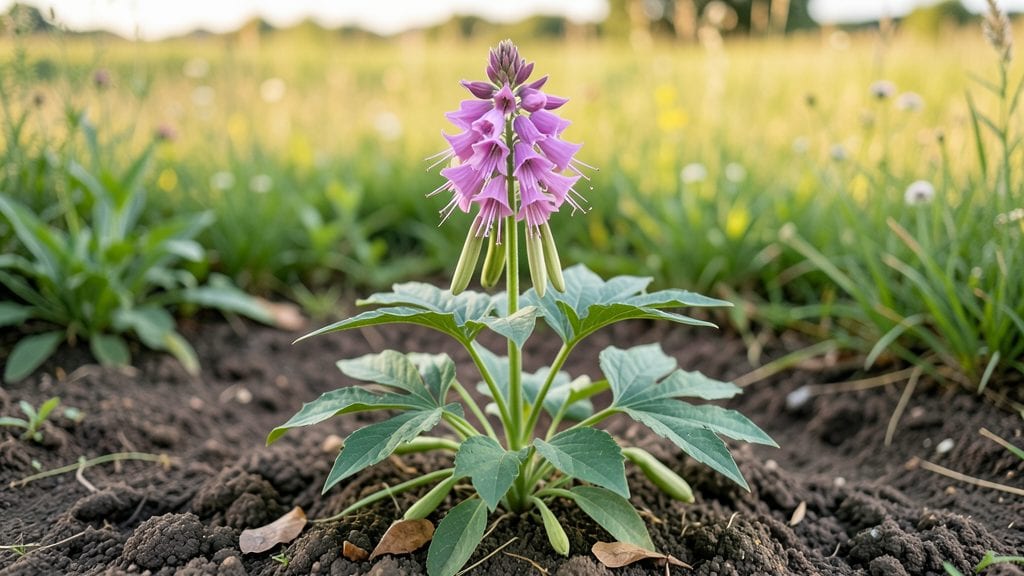
Purple cleome flowers are the vertical showstoppers every cottage garden secretly craves—tall, airy spikes of lavender-pink blooms that dance in the breeze like nature’s own chandeliers. 🌿 I first fell for them when they shot up past my trellis last summer, their seedpods swaying dramatically while everything else stayed flat.
These aren’t just flowers; they’re the garden’s unsung drama queens, demanding attention without trying.
The magic happens when you pair them with low-growing companions like shasta daisies or salvia, creating a layered effect that feels effortlessly romantic.
They thrive in full sun to partial shade, so even tricky spots get a makeover—just plant them where they’ll tower over borders without stealing the whole show. A single clump can reach 5-6 feet, so give them room to stretch their legs (literally).
What you’ll get is a season-long vertical spectacle that starts blooming in midsummer and keeps going until frost. The flowers attract butterflies like a magnet, and their unique seedpods add texture long after the blooms fade.
Imagine a cottage garden where every path leads to a surprise—this is how you make it happen.
Works in cutting gardens too—their long stems stay fresh in vases for days, bringing that same whimsical charm indoors. Perfect for cottage-style plots, wildflower meadows, or even container arrangements where you want height without bulk. Let’s make your garden the talk of the neighborhood.
📚 In This Guide
- What you need
- Instructions
- Tips and common mistakes
- Wrapping up and next steps
What you need
- ● Purple cleome seeds: 10–20 seeds (or a small packet for beginners). Opt for heirloom varieties like ‘Pink Queen’ or ‘Senator’ for vibrant purple blooms.
- ● Well-draining potting mix: 1–2 gallons (for seedlings) or garden soil amended with compost (for outdoor planting). Purple cleomes hate soggy roots!
- ● Containers or seed trays: 2–4-inch pots (if starting indoors) or direct-sow in a sunny garden bed (6–12 inches apart).
- ● Sunlight: 6+ hours of full sun daily (they thrive in heat!).
- ● Watering can or hose: With a gentle spray nozzle for seedlings.
- ○ Fertilizer (optional): Balanced 10-10-10 or slow-release granules at planting time.
- ● Fresh-cut purple cleome stems: Harvest when blooms are fully open (use sharp scissors to avoid crushing stems).
- ● Floral preservative: 1 packet (or a mix of sugar + bleach for DIY longevity).
- ● Vases or containers: Tall, narrow vases (3–6 inches wide) to showcase their vertical height.
- ○ Complementary flowers (optional): Dusty miller, eucalyptus, or snapdragons for contrast.
- ● Hand trowel or transplant spade (for digging small holes).
- ● Pruning shears (for deadheading or harvesting).
- ● Garden gloves (to protect hands from thorny stems).
- ○ Stakes or trellis (optional)—though cleomes self-support, they love a little extra height!
Step-by-Step guide to growing purple cleome flowers
Here's how to cultivate these striking vertical blooms that add height and drama to any garden space.
🌱 Step 1: Choose the Right Location and Prepare the Soil
Purple cleome thrives in full sun—select a spot that receives at least 6-8 hours of direct sunlight daily. These plants love warmth and will reward you with robust growth and abundant blooms when given plenty of light. Avoid shady spots, as cleome's vertical growth relies on strong stems that need sunlight to develop properly.
Work the soil to a depth of 12 inches, removing any weeds or debris that could compete with your cleome. The soil should drain well—cleome hates soggy roots, which can lead to rot. If your soil is heavy clay, amend it with 2-3 inches of compost to improve drainage and fertility. You'll know the soil is ready when it crumbles easily between your fingers and feels loose but not gritty.
☀️ Step 2: Plant Seeds at the Correct Depth and Spacing
Cleome seeds are large and easy to handle, so you won’t need to worry about precision planting. Sow seeds ¼ inch deep and 12-18 inches apart in rows that are 18-24 inches apart. This spacing gives the plants room to grow tall and sturdy without crowding, which is essential for their vertical structure. If you're planting in a cottage garden, you can space them closer—around 10-12 inches apart—to create a lush, clustered effect.
Water the soil gently after planting to settle the seeds into place. Avoid pressing the soil down firmly, as cleome seeds prefer a loose, airy environment to germinate. Keep the soil consistently moist but not waterlogged until the seedlings emerge, which typically takes 7-14 days. You’ll notice the first true leaves appearing as small, rounded shapes—this is your signal that germination is successful.
💧 Step 3: Provide Consistent Care for Strong Growth
Once your cleome seedlings reach 4-6 inches tall, they’ll start to develop their signature vertical growth habit. At this stage, reduce watering slightly to encourage stronger stems. Cleome plants are drought-tolerant once established, so water deeply once a week unless your area experiences extreme heat or drought. You’ll know it’s time to water again when the top 1-2 inches of soil feel dry to the touch.
Apply a balanced, 10-10-10 fertilizer when the plants are about 6 inches tall, following the package instructions for application rates. This boosts their growth and ensures vibrant blooms. Avoid over-fertilizing, as cleome prefers leaner soil and may produce fewer flowers if overfed. You’ll see the first buds forming in 8-10 weeks after planting, signaling that your efforts are paying off.
✂️ Step 4: Deadhead and Maintain for Prolonged Blooms
To encourage continuous flowering, deadhead spent blooms by pinching off the faded flowers just below the cluster. This redirects the plant’s energy toward producing new buds rather than setting seed. Cleome flowers are prolific, so you’ll find yourself deadheading frequently—especially during peak bloom season. You’ll notice new buds forming within 1-2 weeks of deadheading, keeping your plants looking fresh and vibrant.
If your cleome starts to look leggy or top-heavy, prune the stems back by one-third to encourage bushier growth. This is particularly useful if your plants are growing in a windy area, as pruning helps prevent them from flopping over. After pruning, give the plants a light feeding with a 5-10-10 fertilizer to support regrowth. Your cleome will reward you with a second flush of blooms, extending the flowering season well into fall.
🪴 Step 5: Prepare for Winter and Next Season
Cleome is an annual, so it won’t survive winter in most climates. However, you can collect seeds from the dried seed pods for next year’s garden. Once the flowers fade, the seed pods will turn brown and papery. Gently twist them off the stem and open them to release the seeds inside. Store the seeds in a cool, dry place until you’re ready to plant them again in the spring.
To create a stunning vertical display next season, consider planting cleome near other tall flowers like sunflowers or hollyhocks. Their contrasting heights and textures will create a dynamic, cottage-garden look. You’ll love how cleome’s unique blooms draw the eye upward, adding drama and height to any garden bed.
Tips & tricks for growing purple cleome flowers
These clever strategies will help you cultivate show-stopping cleome blooms that reach their full vertical potential.
Sunlight Secret: The 6-8 hours of direct sunlight mentioned in Step 1 is non-negotiable for cleome's dramatic growth. I've found that planting near south-facing fences or walls can actually increase sunlight exposure by 1-2 hours, which makes a noticeable difference in stem strength and bloom quantity. Early morning sun is especially important—it helps prevent those stems from becoming weak and floppy.
Soil Prep Pro Tip: When amending heavy clay soil with 2-3 inches of compost, I recommend mixing in a handful of perlite or coarse sand for every 5 gallons of soil. This creates tiny air pockets that improve drainage while maintaining moisture retention—exactly what cleome's delicate roots need. The goal is soil that feels like a damp sponge, not wet cement.
Germination Hack: The 7-14 day germination window can feel like an eternity, but there's a trick to speed things up: place your planted seeds in a clear plastic bag after watering. This creates a mini greenhouse effect that maintains consistent moisture and warmth. Just remember to remove the bag once you see those first true leaves—you don't want to smother your seedlings.
Watering Wisdom: That once-a-week watering guideline in Step 3 works beautifully in average conditions, but I've learned to adjust based on my cleome's appearance. If the leaves start curling slightly at the edges during the day, that's your signal to water sooner. Conversely, if the soil feels damp more than 2 inches down, hold off—cleome's drought tolerance kicks in once established, and soggy roots are their worst enemy.
Pro Tips for Purple Cleome Flowers
- These clever strategies will help you cultivate show-stopping cleome blooms that reach their full vertical potential.
- Sunlight Secret: The 6-8 hours of direct sunlight mentioned in Step 1 is non-negotiable for cleome's dramatic growth.
- Soil Prep Pro Tip: When amending heavy clay soil with 2-3 inches of compost, I recommend mixing in a handful of perlite or coarse sand for every 5 gallons of soil.
Frequently asked questions
Got questions about growing and styling purple cleome flowers? You’re not alone!
Here are answers to the most common queries—from planting tips to troubleshooting—so you can enjoy their striking vertical charm with confidence.
How do I plant purple cleome flowers for the best vertical growth?
Cleome thrives in full sun (6+ hours daily) and well-draining soil. Plant seeds ½ inch deep after the last frost, spacing them 12–18 inches apart. Press lightly into soil—no need to bury them deeply! They self-seed easily, so deadhead spent blooms if you want to control spread. Pro tip: Add compost to improve drainage and encourage taller stems.
When is the best time to plant purple cleome seeds?
Sow seeds 2–3 weeks after your last frost date (when soil temps reach 55°F+). Cleome is not frost-tolerant, so wait until warm weather arrives. For longer blooms, start seeds indoors 4–6 weeks before transplanting—just be gentle with seedlings, as they dislike root disturbance. Late summer is also fine; they’ll bloom until frost!
Are purple cleome flowers annuals or perennials?
In most climates, cleome is a tender annual, dying back with frost. However, in USDA zones 9–11, it may return as a short-lived perennial (or self-seed prolifically!). Even in colder areas, saved seeds can regrow the next season. Fun fact: Their spiky seed pods add winter interest to gardens!
Why aren’t my purple cleome flowers blooming?
Common culprits include overcrowding (thin seedlings to 12" apart), poor sunlight (they need full sun), or excessive fertilizer (too much nitrogen = leafy growth, fewer blooms). Try lightly deadheading spent flowers to encourage more blooms. If stems are leggy, stake them early—they’ll reward you with bold vertical displays!
What are some purple cleome flower alternatives for similar drama?
If cleome isn’t your style, try these vertical, cottage-garden stars:
- Snapdragons – Tall, spiky blooms in purples/pinks; great for cutting.
- Foxgloves – Dramatic bell-shaped flowers (biennial, self-seeds).
- Delphiniums – Soaring spikes in vibrant hues (needs staking).
- Hollyhocks – Rustic charm with tall, papery blooms.
Wrapping up and next steps
Purple cleome flowers bring unmatched vertical drama and effortless charm to cottage gardens, making them a must-have for any floral enthusiast. Whether you're drawn to their whimsical seed pods or their vibrant purple blooms, these low-maintenance beauties are sure to elevate your outdoor space with minimal effort. 🌸
Ready to transform your garden? Start small—plant a few cleome seeds in a sunny spot and watch your space bloom with bold, airy elegance! For even more inspiration, explore companion plants or creative container ideas to maximize their impact.