
Flowers
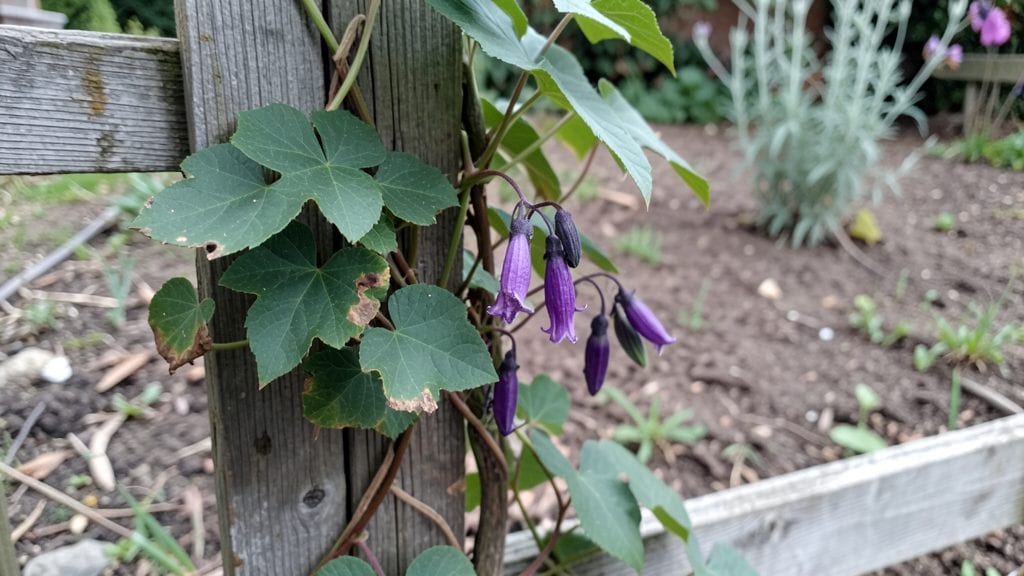
That first flush of purple climbing flowers in late spring is the Pacific Northwest's best-kept secret—clematis 'Jackmanii' and its frost-hardy cousins transform blank walls into living tapestries.
I planted mine against a north-facing fence last autumn, and by June, the vines were already 8 feet tall, their deep violet blooms catching every breeze like confetti.
The key isn't just the plant—it's how you train it to climb, where you place it for maximum impact, and which companions make the display pop.
You'll need a sturdy trellis or arbor (I use a 6-foot wooden lattice for mine), well-draining soil amended with compost, and a spot with morning sun and afternoon shade.
Morning glories are the budget-friendly workhorses, while clematis varieties like 'Niobe' or 'Perle d'Azur' bring that luxurious, velvety purple that makes neighbors do double-takes. For small spaces, a simple wire trellis on a balcony works—just give the vines something to grip within the first month of growth.
The payoff comes in layered seasons: early blooms in May, a second flush in August, and even winter interest from seed heads if you leave them.
Pair with silver foliage plants like lamb's ear or dusty miller to make the purple stand out, and add a climbing rose like 'Blaze' for a romantic contrast. By midsummer, your vertical garden will be the showstopper of the neighborhood, and it'll keep performing until the first hard frost.
Works equally well in cottage gardens, modern landscapes, or even urban balconies—just adjust the trellis size to your space. The PNW's cool summers mean these climbers thrive where heat-loving vines fail, and with proper pruning, they'll keep delivering drama for decades. Let's get growing!
📚 In This Guide
- What you need
- Instructions
- Tips and common mistakes
- Wrapping up and next steps
What you need
- ● Climbing flower plants: 1-3 Clematis or Wisteria (purple varieties like Clematis ‘Jackmanii’ or Wisteria floribunda ‘Amethyst Falls’—check local nurseries for frost-hardy options!)
- ● Support structure: 1 trellis, arbor, or sturdy fence (at least 6-8 ft tall; metal or wood works best)
- ● OR 1-2 obelisks (for smaller varieties)
- ● Well-draining soil: 10-15 lbs organic compost or aged manure (mix into native soil for nutrient boost)
- ○ Optional: 1 lb bone meal (for phosphorus-rich soil—great for root growth!)
- ● Mulch: 3-5 bags of wood chips or straw (2-3 inches deep around the base)
- ● Gardening tools: 1 trowel or hand shovel
- ● 1 pruning shears (sterilized with rubbing alcohol)
- ● 1 pair of gloves (gardening or work gloves)
- ● Watering supplies: 1 watering can (5+ gallons) OR a drip irrigation kit
- ● 1 hose with adjustable nozzle (for deep watering)
- ○ Optional (but helpful!): 1 soil pH test kit (ideal range: 6.0-7.0 for Clematis)
- ● 1 frost cloth (for young plants in early spring/fall)
- ● 1 slow-release fertilizer (like 10-10-10, 1 lb per plant)
How to grow Pacific Northwest's frost-hardy purple climbing flowers
Here's how to transform your vertical space into a stunning purple display using hardy climbers perfect for cooler climates.
Select the Right Variety for Your Climate
For the Pacific Northwest's frost-prone winters, clematis 'Jackmanii' or 'Niobe' are excellent choices—they thrive in zones 4-9 and bloom reliably even after cold snaps. These varieties produce deep purple flowers that climb 10-12 feet with proper support. I always check the USDA zone map for my specific location to confirm suitability, especially if you're in higher elevation areas where winters get colder.
Look for established plants at local nurseries rather than starting from seed, as mature plants establish faster and begin flowering within the first season. You'll want to select plants with multiple strong stems—these indicate better climbing potential and more robust growth. Avoid plants with yellowing leaves or powdery mildew, as these signs suggest poor health that could carry over to your garden.
Prepare the Planting Site with Proper Support
Choose a location with morning sun and afternoon shade—this prevents leaf scorch while ensuring enough energy for flowering. Install a sturdy trellis, arbor, or fence at least 6 feet tall before planting, as these vines need strong support to climb. I prefer metal or wooden trellises because they last longer than plastic and provide better grip for the vines' tendrils.
Dig a hole twice as wide as the root ball but only as deep as the container. Mix the native soil with 3 inches of compost to improve drainage and fertility. Place the plant so the top of the root ball sits 1 inch below soil level—this helps prevent crown rot from winter moisture. Water deeply after planting to settle the soil around roots and eliminate air pockets.
Establish Proper Watering and Mulching Routine
Water newly planted climbers twice weekly for the first month, keeping the soil 2-3 inches deep consistently moist but not soggy. You'll know you're doing it right when the top inch of soil feels damp to the touch but not wet enough to drip. After establishment, reduce to once weekly during dry spells, as these plants are surprisingly drought-tolerant once established.
Apply 3 inches of mulch around the base (but not touching the stem) to retain moisture and regulate soil temperature. I use shredded bark mulch because it breaks down slowly and improves soil structure over time. In winter, add an extra 2 inches of mulch to protect roots from freeze-thaw cycles common in the Pacific Northwest. This extra insulation helps prevent heaving that can damage roots.
Prune for Maximum Blooms and Winter Hardiness
Prune in early spring before new growth begins. For 'Jackmanii', cut back last year's growth by one-third to encourage stronger new shoots. Remove any dead or weak stems completely—they won't produce flowers and can harbor diseases. I always sterilize my pruners with rubbing alcohol between cuts to prevent spreading any potential pathogens.
After flowering, do a second pruning in late summer to remove any spent blooms and any stems that grew weaker during the season. This encourages next year's flowers to develop on the current year's growth. Never prune in fall—you want the plant to establish its winter hardiness before cold weather arrives. In particularly harsh winters, I add a light frost cloth over the trellis to protect emerging buds from late frosts.
Maintain Soil Fertility for Continuous Blooming
Feed established plants with a balanced 10-10-10 fertilizer in early spring and again after flowering. I use a slow-release granular fertilizer because it feeds the plant steadily without risk of burning roots. Apply according to package instructions—typically 1 pound per 100 square feet—and water deeply afterward to help distribute the nutrients.
In late summer, switch to a low-nitrogen, high-phosphorus fertilizer (like 5-10-10) to encourage root development and next year's flower buds. You'll notice stronger stems and more abundant blooms the following season if you follow this schedule. Always water before and after fertilizing to prevent root burn from concentrated salts.
Tips & tricks for perfect purple climbing flowers
Here's what nobody tells you about making these hardy climbers thrive in Pacific Northwest conditions.
Variety Selection: When choosing between 'Jackmanii' and 'Niobe', consider your specific microclimate. 'Jackmanii' handles colder winters better, while 'Niobe' often produces more blooms in milder winters. I always verify the plant's hardiness zone matches my location—especially important if you're in higher elevation areas where winters can be more severe than the general zone map suggests. Look for plants with at least three strong stems, as these will provide better climbing support and more abundant flowering.
Support System: Don't skimp on trellis height—those 6 feet are crucial for proper vine development. I've seen vines struggle when supported by anything shorter, even if they eventually reach the top. Metal trellises last longest but can get hot in summer, so consider adding shade cloth if you notice leaf scorch. For wooden options, treat them with non-toxic sealant to extend their lifespan and prevent rot near the soil line.
Watering Wisdom: The twice-weekly watering for the first month is non-negotiable—these climbers establish roots slowly. I check soil moisture by sticking my finger 2-3 inches deep; if it feels dry at that depth, it's time to water. After establishment, you'll notice the plants become surprisingly drought-tolerant, but don't let that fool you into neglecting them during heatwaves. A deep watering once weekly during summer droughts prevents stress that can reduce flowering.
Pruning Precision: When you cut back last year's growth by one-third in early spring, make clean cuts just above outward-facing buds. I use sharp pruners and sterilize them between cuts to prevent disease spread. For the late summer pruning, focus on removing spent blooms and any stems thinner than a pencil—these won't support next year's flowers well. Never prune more than 20% of the plant in any single session to avoid shocking it.
Pro Tips for Purple Climbing Flower
- Here's what nobody tells you about making these hardy climbers thrive in Pacific Northwest conditions.
- Variety Selection: When choosing between 'Jackmanii' and 'Niobe', consider your specific microclimate.
- Support System: Don't skimp on trellis height—those 6 feet are crucial for proper vine development.
Frequently asked questions
Got questions about growing or caring for purple climbing flowers in the Pacific Northwest? You’re not alone! Here are some of the most common queries—and their answers—to help you cultivate these stunning vertical beauties with confidence.
What’s the best time to plant purple climbing flowers in the PNW?
Plant in early spring (March–April) or early fall (September–October) for optimal root establishment. Avoid summer heatwaves or winter frosts. If transplanting mature plants, water deeply the day before to reduce shock. Pro tip: PNW’s mild winters mean many varieties (like clematis or morning glories) can even survive light frosts if mulched!
Are these flowers truly frost-hardy, or do I need extra protection?
Most PNW-friendly purple climbers (e.g., Clematis ‘Jackmanii’ or Ipomoea ‘Heavenly Blue’) tolerate down to 0°F (-18°C) with proper care. For extra safety:
- Mulch heavily around the base (3–4 inches of straw or shredded bark).
- Wrap young plants in burlap or use frost blankets in harsh winters.
- Choose native varieties like Lathyrus latifolius (sweet pea) for built-in resilience.
How do I encourage more vibrant purple blooms?
Vibrant color starts with sunlight and soil:
- Plant in full sun (6+ hours/day)—morning sun + afternoon shade works in hotter PNW zones.
- Amend soil with compost and bone meal (high phosphorus boosts blooms).
- Deadhead spent flowers regularly to redirect energy to new blooms.
- Avoid over-fertilizing with nitrogen—it promotes foliage over flowers!
Why aren’t my purple climbing flowers blooming this year?
Common culprits include:
- Too much shade: Move to a sunnier spot or trim overhanging trees.
- Overpruning: Cut back only after blooming (or in early spring for spring-bloomers).
- Nutrient imbalance: Test soil pH (aim for 6.0–7.0) and add phosphorus-rich fertilizer.
- Young plants: Some climbers (like morning glories) take 1–2 years to mature.
What’s a low-maintenance alternative to purple climbing flowers for beginners?
If you want easy, frost-hardy purple climbers with minimal fuss, try:
- Clematis ‘Perle d’Azur’ – Thrives in shade, blooms spring to fall.
- Wisteria ‘Amethyst Falls’ – Drought-tolerant once established (but needs strong support!).
- Honeysuckle ‘Purple Emperor’ – Fragrant, attracts pollinators, and handles PNW winters.
- Morning Glory ‘Black Dragon’ – Annual but self-seeds easily (great for trellises!).
Wrapping up and next steps
Bringing a purple climbing flower into your Pacific Northwest garden isn’t just about aesthetics—it’s a celebration of resilience and natural beauty! These frost-hardy vines thrive in your region’s unique climate, offering year-round charm with minimal fuss.
Whether you’re a seasoned gardener or a curious beginner, their easy care and stunning blooms make them a must-have for vertical spaces.
Ready to transform your walls, trellises, or fences? Start small: Choose a sunny spot, gather your supplies, and let nature do the rest. Your garden—and your neighbors—will thank you! 🌿✨