
Flowers
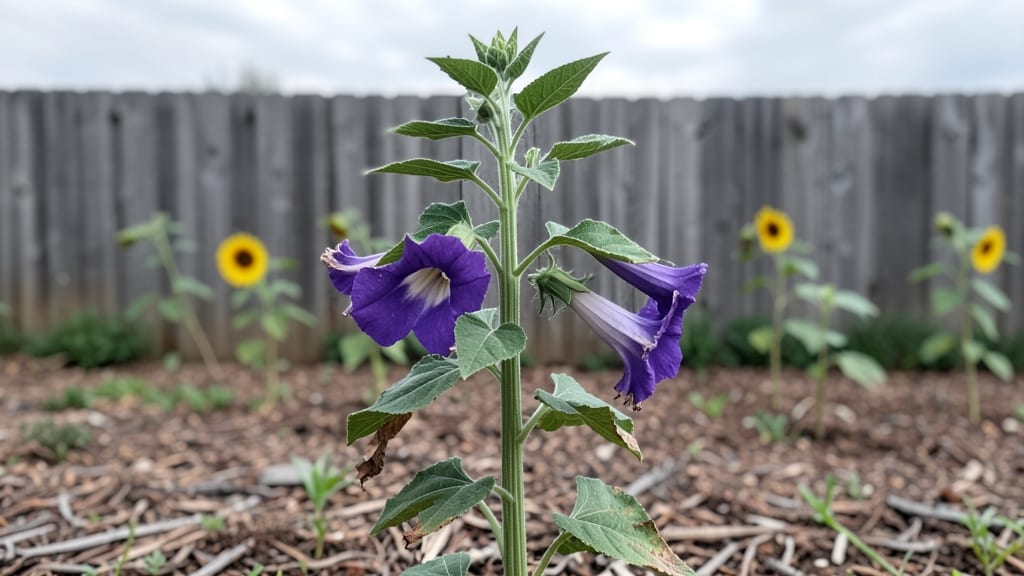
Growing purple datura flowers brings moody, trumpet-shaped blooms that look like they belong in a fairy tale—yet they thrive with almost no effort. 🌿 The key is treating them like the hardy survivors they are: full sun, well-draining soil, and occasional neglect (they don’t mind).
My first batch took over a corner of the garden last summer, their deep lavender trumpets standing out against the green foliage like something from a surrealist painting.
You’ll need just a few things: a sunny spot with at least 6 hours of light daily, average garden soil (they’re not picky), and seeds or cuttings. Purple datura spreads easily from seed, so a single packet can fill a whole border.
Water lightly after planting—these plants hate soggy roots—and fertilize only if the soil is poor. Pruning isn’t necessary, but deadheading spent blooms keeps the plant tidy and encourages more flowers.
By midsummer, you’ll have towering plants reaching 3-5 feet tall, covered in those striking, intoxicating blooms. The scent is faint but dreamy, and the effect is pure drama—perfect for cottage gardens, wildflower meadows, or even dramatic container displays.
Just remember: every part of the plant is toxic, so keep it away from pets and curious kids.
They’re tough enough for beginner gardeners but exotic enough to impress anyone who sees them. The trade-off? You’ll need to reset the garden next year since datura self-seeds aggressively—but that’s part of the fun. Let’s get those seeds in the ground!
📚 In This Guide
- What you need
- Instructions
- Tips and common mistakes
- Wrapping up and next steps
What you need
- ● Purple datura seeds: 5–10 seeds (ensure they’re Datura wrightii or Datura metel for the iconic purple blooms). Pro tip: 💡 Buy from a reputable supplier to avoid hybrids.
- ● Well-draining potting mix: 1–2 gallons (mix equal parts garden soil, perlite, and compost for aeration).
- ● Containers or garden bed: For containers: 6–12 inch pots (1–2 plants per pot) with drainage holes.
- ● For garden beds: Full sun (6+ hours daily) and loose, sandy soil.
- ● Watering can or hose: With a gentle spray nozzle for seedlings.
- ○ Gloves (optional but recommended): Datura plants contain tropane alkaloids—wear them when handling to avoid skin irritation.
- ● Trowel: For transplanting seedlings.
- ● Pruning shears: To shape the plant and encourage bushier growth.
- ● Fertilizer (balanced 10-10-10 or low-nitrogen): Apply sparingly (once monthly) after the first bloom.
- ● Mulch (straw or pine needles): To retain moisture and deter weeds.
- ○ Support stake (optional): For taller varieties (up to 4–5 feet), though datura often grows wild and wispy.
- ● Humidity dome or plastic wrap: To protect seedlings from drying out in dry climates.
Step-by-Step instructions for cultivating purple datura flowers
Here's how to grow these striking, fragrant blooms with confidence—just follow these clear steps.
🌱 Step 1: Select and Prepare Seeds for Germination
Purple datura seeds have a tough outer shell, so I soak them overnight in warm water to soften the coating. This ensures faster, more reliable germination. Use a small container with enough water to fully submerge the seeds—just a few hours of soaking makes a noticeable difference in speed.
After soaking, plant the seeds ¼ inch deep in a well-draining seed-starting mix. I use a shallow tray with multiple cells to prevent overcrowding, which datura seedlings especially hate. Keep the soil consistently moist but never soggy—datura roots are sensitive to rot, and you'll notice seedlings struggling if the soil stays damp too long.
☀️ Step 2: Provide Warmth and Light for Sprouting
Datura seeds need warmth to germinate, ideally 70-80°F. I place the tray on a seedling heat mat or in a warm spot near a sunny window. Germination can take 10-21 days, so patience is key—don't be tempted to water excessively or move the tray around during this time.
Once the first true leaves appear (not the initial seed leaves), move the seedlings to a location with 6-8 hours of bright, indirect light daily. Direct sunlight at this stage can scorch tender leaves. You'll see leggy growth if light is insufficient—this is your cue to supplement with a grow light if natural light is weak.
🪴 Step 3: Transplant Seedlings to Individual Pots
When seedlings reach 2-3 inches tall and have developed 4-5 true leaves, it's time to transplant them into 4-inch pots with fresh potting mix. Datura plants grow quickly and need room to establish strong root systems. Handle the seedlings gently by their leaves, not the stems, to avoid damaging them.
Plant each seedling at the same depth it was growing before, and water thoroughly after transplanting. The first few days are critical—keep the soil evenly moist and place the pots in a shaded area to reduce stress. You'll notice new growth within a week if everything is right, signaling that the plant is adjusting well.
✂️ Step 4: Harden Off and Prepare for Outdoor Planting
Two weeks before your last frost date, start hardening off the datura seedlings. Place them outdoors in a sheltered spot for 1-2 hours the first day, gradually increasing their time outside over 10-14 days. This process helps them adapt to wind, sun, and temperature fluctuations without shock.
Choose a sunny location for your datura plants, as they thrive in full sun. The soil should be well-draining, and datura tolerates poor soil conditions, making it a low-maintenance choice. Once hardened off, transplant the seedlings into the garden, spacing them 18-24 inches apart to allow for their eventual size.
💧 Step 5: Maintain and Encourage Blooming
Datura plants are drought-tolerant once established, but consistent watering during the first growing season encourages strong root development. Water at the base of the plant to keep the soil moist but not waterlogged. Overwatering can lead to root rot, which is especially problematic for datura.
Deadhead spent blooms to encourage more flowers and prevent self-seeding, which can become invasive. Fertilize lightly with a balanced fertilizer every 4-6 weeks during the growing season. You'll see the first blooms appear in 60-90 days after transplanting, and the striking purple flowers will add a dramatic touch to your garden.
Tips & tricks for cultivating purple datura flowers
A few simple tricks will help you avoid common pitfalls and grow these exotic blooms with confidence.
Seed Preparation: Don't rush the overnight soak—this critical step breaks down the tough seed coating for reliable germination. I like to use a small glass jar with warm (not hot) water to fully submerge the seeds. If you're impatient, you can soak for just 4-6 hours, but overnight gives you the best results. The water should remain at room temperature—never hot—to prevent damaging the delicate seeds.
Light Management: The 6-8 hours of bright, indirect light in Step 2 is non-negotiable for healthy seedlings. If your natural light is weak, supplement with a grow light positioned 6 inches above the seedlings. I've seen datura seedlings develop leggy growth when light is insufficient—this is your plant's way of reaching for more light. Rotate the tray daily to ensure even growth.
Transplanting Technique: When transplanting to 4-inch pots, focus on the root system rather than the height of the seedlings. Gently loosen the roots before placing them in the new pot to encourage spreading. The first week after transplanting is crucial—keep the soil consistently moist (not soggy) and watch for new growth as a sign that your datura is adjusting well.
Harden Off Gradually: The 1-2 hour outdoor exposure in Step 4 should increase by about 30 minutes each day. I recommend placing seedlings in a sheltered spot like under a tree or patio cover to protect them from direct wind and sun. This gradual process mimics natural conditions and prevents shock. You'll know you're doing it right when the seedlings show no signs of stress after their longest outdoor session.
Pro Tips for Purple Datura Flower
- A few simple tricks will help you avoid common pitfalls and grow these exotic blooms with confidence.
- Seed Preparation: Don't rush the overnight soak—this critical step breaks down the tough seed coating for reliable germination.
- Light Management: The 6-8 hours of bright, indirect light in Step 2 is non-negotiable for healthy seedlings.
Frequently asked questions
Got questions about growing purple datura flowers? You’re not alone!
This striking plant is easy to cultivate once you know the basics. Below, we’ve answered the most common questions to help you avoid pitfalls and grow like a pro.
Is purple datura toxic to humans and pets?
Yes, all parts of the datura plant are highly toxic.
Ingesting even small amounts can cause hallucinations, seizures, or worse. Keep it away from children and pets, and wear gloves when handling. If accidental exposure occurs, contact poison control immediately.
How long does it take for purple datura flowers to bloom?
Expect blooms 60–90 days after planting seeds.
Speed depends on warmth and sunlight—plant in spring after the last frost for the fastest results. Deadhead spent flowers to encourage more blooms, but save seeds for next year!
Can purple datura grow in pots or only in gardens?
Absolutely! Datura thrives in containers.
Use a pot at least 12 inches deep with drainage holes and well-draining soil. Place it in full sun and water moderately—overwatering is the #1 killer. Just ensure the pot is heavy enough to resist strong winds.
Why aren’t my datura flowers opening?
Lack of sunlight or overcrowding are common culprits.
Datura needs 6+ hours of direct sun daily. If your plant is leggy or flowers stay budded, prune nearby plants for better airflow or relocate to a sunnier spot.
What’s a good alternative if I want a purple flower but not datura’s toxicity?
Try Lobelia or Salvia for vibrant purple blooms.
Both are pet-friendly, drought-tolerant, and thrive in similar conditions. For a dramatic look, Cleome (spider flower) offers height and color without the risks.
Wrapping up and next steps
The purple datura flower is a stunning yet low-maintenance addition to any garden, offering dreamy beauty with minimal effort. Whether you're drawn to its exotic allure or its hardy nature, growing these flowers can be a rewarding experience—just remember to handle them with care due to their toxicity. 🌸
Now that you're armed with the right knowledge, why not plant your own purple datura this season? Start by choosing a sunny spot, gather your supplies, and let nature do the rest. Happy gardening—and enjoy the magic of these mesmerizing blooms! 🌿✨