Flowers
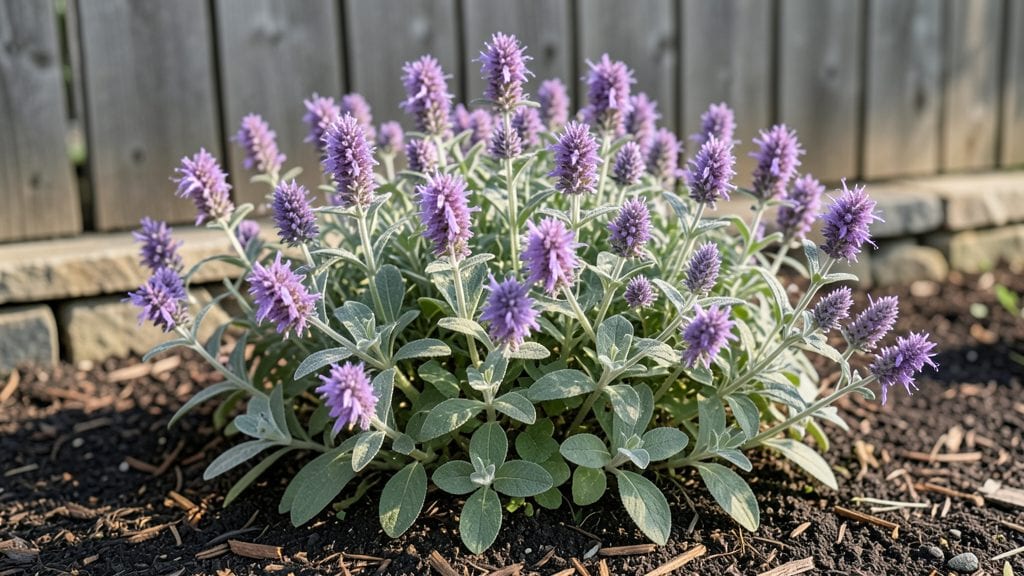
That first flush of purple flower catnip in early spring is like finding a hidden treasure in your garden—fragrant, drought-tolerant, and buzzing with pollinators from the get-go. 🌿 I’ve grown this cold-hardy perennial for years, and it’s become my go-to for year-round color with almost no fuss.
The secret lies in its love of full sun and well-draining soil, which keeps it thriving even when other plants wilt in summer heat.
You’ll need just a few things to get started: seeds or nursery starts, a sunny spot with at least 6 hours of sunlight daily, and soil that drains well (amend with compost if yours is heavy).
Plant in early spring or fall, spacing them 18-24 inches apart—they spread slowly but steadily. Water deeply once established, and watch as those lavender-blue spikes appear by late spring, attracting bees and butterflies like magnets.
The payoff? A plant that blooms from early spring to first frost, with foliage that stays lush even in winter’s chill. The scent is milder than traditional catnip but still irresistible to felines (and humans who love its airy, minty fragrance).
Prune back in late fall to keep it tidy, and you’ll have a low-maintenance, high-impact addition to your garden that keeps giving.
Perfect for borders, cottage gardens, or even container pots—this purple bloomer adapts to almost any setting. Whether you’re a first-time gardener or a seasoned pro, it’s a plant that rewards patience with vibrant color and effortless charm. Ready to grow yours?
📚 In This Guide
- What you need
- Instructions
- Tips and common mistakes
- Wrapping up and next steps
What you need
- ● Purple flower catnip seeds or nursery starts: Choose Nepeta × faassenii (cold-hardy variety) for vibrant purple blooms. Buy 5-10 seeds or 2-3 plants for a small garden patch.
- ● Well-draining potting mix: A blend of 50% garden soil, 30% perlite, and 20% compost (or pre-mixed cactus/succulent mix). Avoid heavy clay soil!
- ● Containers (if not planting in-ground): 5-6 inch pots (for seedlings) or 1-gallon containers (for mature plants).
- ● Drainage holes (critical to prevent root rot!).
- ● Slow-release fertilizer: A balanced 10-10-10 or organic option (like fish emulsion) to nourish roots.
- ● Watering can or hose with a gentle spray nozzle: Catnip hates soggy soil—aim for 1 inch of water per week (adjust for rain).
- ● Pruning shears (for shaping and harvesting).
- ● Garden gloves (to protect from prickly stems).
- ○ Mulch (optional): 2-3 inches of straw or shredded bark to retain moisture and deter weeds.
- ● Sunlight meter or app (to check light exposure if indoors).
- ● Sunlight: Full sun (6+ hours daily) for best blooms. Partial shade (4-6 hours) works in hot climates.
- ● Temperature: Thrives in USDA Zones 3-8 (cold-hardy down to -30°F/-34°C).
- ● Space: 12-18 inches apart for in-ground planting; containers can be closer (8-12 inches).
Step-by-Step instructions for growing purple flower catnip
This cold-hardy variety thrives with minimal fuss—here’s how to cultivate lush, fragrant blooms that last.
🌱 Step 1: Select the Perfect Location and Prepare the Soil
Purple flower catnip adores full sun to partial shade, tolerating 4-6 hours of direct sunlight daily in cooler climates. Choose a spot with well-draining soil—this plant despises soggy roots. If your soil is heavy clay, amend it with 2-3 inches of compost mixed into the top 12 inches before planting.
Test soil moisture by squeezing a handful—it should crumble easily when dry. If your garden stays damp, raise beds or plant in containers with drainage holes. Purple catnip’s deep purple blooms signal healthy, well-drained roots, so prioritize airflow around stems to prevent fungal issues.
🌿 Step 2: Plant Seeds or Transplants at the Right Time
Sow seeds 4-6 weeks before your last frost date for spring planting, or directly in late summer for fall blooms. Press seeds ¼ inch deep into warm soil (60-70°F) and space them 12-18 inches apart—crowding weakens stems and reduces flowering. For transplants, dig holes twice as wide as the root ball to encourage root spread.
Water deeply after planting to settle soil around roots, then let the top 2 inches dry between waterings. Purple catnip’s first true leaves appear in 10-14 days—watch for them to confirm germination. If planting in containers, use 5-gallon pots for each plant to accommodate its spreading habit.
☀️ Step 3: Maintain Consistent Care for Abundant Blooms
Once established, purple catnip needs moderate watering—water when the soil feels dry 2-3 inches down. Overwatering causes yellowing leaves, while underwatering triggers wilting. Deadhead spent blooms by pinching off flowers ¼ inch above the next set of leaves to encourage continuous blooming from early summer through fall.
Fertilize lightly with a balanced 10-10-10 formula in early spring, then again after mid-summer blooms fade. Purple catnip is drought-tolerant but rewards consistent care with vibrant purple flowers that attract pollinators. Mulch with 2 inches of shredded bark to retain moisture and suppress weeds—this plant thrives with minimal intervention.
✂️ Step 4: Prune and Overwinter for Year-Round Growth
After the first frost, cut back stems to 4-6 inches tall to promote fresh growth in spring. Purple catnip is perennial in USDA zones 4-9, meaning it returns yearly with proper care. In colder zones, mound 4-6 inches of mulch around the base to insulate roots through winter.
Divide mature plants every 3-4 years in early spring to prevent overcrowding. Dig up clumps, separate sections with 3-4 stems each, and replant immediately. Purple catnip spreads aggressively but responds well to pruning—shear back leggy growth in late summer to maintain compact, bushy plants with maximum blooms.
Tips & tricks for perfect purple flower catnip
These simple yet game-changing tips will help you cultivate the most vibrant purple blooms that keep coming back year after year.
Location is Everything: I can't stress enough how critical the right spot is for purple flower catnip. In Step 1, when selecting your location, prioritize areas with morning sun and afternoon shade—this prevents leaf scorch while maintaining the deep purple hues. If you're in a particularly hot climate, even partial afternoon shade works beautifully. The key is observing how sunlight moves across your yard throughout the day.
Soil Science Matters: The instructions mention well-draining soil, but here's the secret: purple catnip actually prefers slightly lean soil. In Step 1, when amending with compost, use just 1-2 inches instead of the full 2-3 inches to prevent overly rich soil that can lead to leafy growth at the expense of flowers. Aim for soil that's about 60% mineral content and 40% organic matter for optimal blooming.
Timing Your Planting: The 4-6 week window before last frost is crucial, but don't get too rigid about it. I've had success planting as late as 3 weeks before frost in cooler zones (like mine in zone 5) when soil temperatures reach 55°F. For late summer planting mentioned in Step 2, aim for 8-10 weeks before your first expected frost date to allow roots to establish before winter. Always check seed packet guidelines—they often provide zone-specific planting charts.
Pruning for Maximum Blooms: When you're deadheading in Step 3, here's my pro trick: pinch off not just the spent flowers but also the next set of leaves below them. This encourages the plant to branch out and produce more flowering stems. For the winter pruning in Step 4, cut back to about 3-4 inches instead of 4-6 inches—this gives you more growth in spring while still maintaining the plant's shape. Just be sure to use clean, sharp pruners to prevent disease transmission.
Pro Tips for Purple Flower Catnip
- These simple yet game-changing tips will help you cultivate the most vibrant purple blooms that keep coming back year after year.
- Location is Everything: I can't stress enough how critical the right spot is for purple flower catnip.
- Soil Science Matters: The instructions mention well-draining soil, but here's the secret: purple catnip actually prefers slightly lean soil.
Frequently asked questions
Got questions about growing purple flower catnip? You’re not alone!
Here are some of the most common ones—and their answers—to help you cultivate this cold-hardy, fragrant beauty with confidence.
1. How long does it take for purple flower catnip to grow from seed?
Patience is key! Purple flower catnip typically takes 60–90 days to mature from seed, depending on temperature and growing conditions. If you’re starting indoors, you can transplant seedlings outdoors after the last frost for a head start. For fastest results, opt for young plants from a nursery.
2. Can purple flower catnip survive winter, or do I need to protect it?
One of its biggest perks? Yes! Purple flower catnip is highly cold-hardy (zones 3–9) and often returns year after year. However, in extreme cold (below 0°F), a light mulch or frost cloth can offer extra protection. Prune back dead growth in early spring to encourage fresh, vibrant regrowth.
3. Is purple flower catnip safe for cats, or is it just for humans?
While it’s called "catnip," this variety is not the same as the common Nepeta cataria that drives felines wild! Purple flower catnip (Nepeta grandiflora) is non-toxic and safe for cats—though they may still sniff or nibble it out of curiosity. It’s prized more for its fragrant blooms and pollinator appeal than feline frenzy.
4. Why isn’t my purple flower catnip blooming? Troubleshooting tips.
No flowers? Check these fixes:
- Not enough sun: Ensure it gets 6+ hours of sunlight daily—partial shade may delay blooms.
- Over-fertilizing: Too much nitrogen = leafy growth, fewer flowers. Use a balanced 10-10-10 fertilizer sparingly.
- Deadheading needed: Pinch off spent blooms to encourage continuous flowering through the season.
- Stress from drought: Keep soil consistently moist (but not soggy) during dry spells.
5. Can I use purple flower catnip in teas or culinary dishes?
While milder than traditional catnip, its minty, slightly citrusy notes make it a lovely addition to:
- Herbal teas (steep fresh or dried leaves)
- Salads (use sparingly for a unique flavor)
- Infused honey or syrups
Pro tip: Harvest leaves just before blooming for the strongest flavor!
Wrapping up and next steps
Growing purple flower catnip isn’t just a rewarding hobby—it’s a chance to enjoy a resilient, fragrant plant that thrives with minimal fuss. Whether you’re drawn to its vibrant blooms, cat-friendly appeal, or year-round hardiness, this guide has given you all the tools to succeed.
Now, grab your gloves, pick a sunny spot, and let nature do the rest—your garden (and your feline friends!) will thank you. 🌿✨
Next steps? Start small—plant a few seeds or cuttings this weekend, and watch your purple catnip transform into a thriving, low-maintenance beauty. Happy gardening!