
Flowers
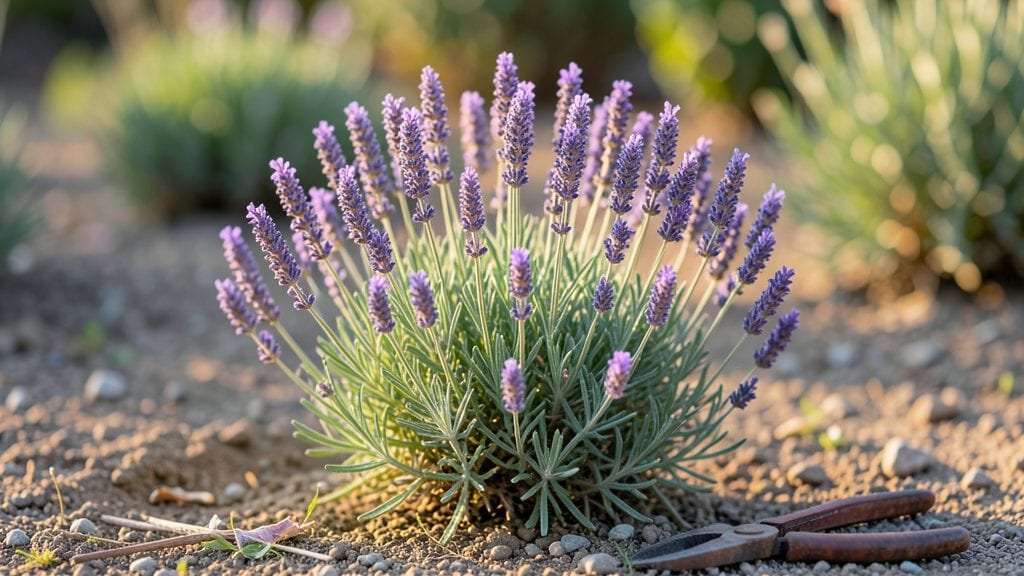
Your garden can double as a kitchen—purple flower petals add stunning color and culinary flair to cocktails and desserts, but growing them right makes all the difference. 🌸 I learned the hard way that not all purple blooms are edible (looking at you, wisteria), but lavender, violets, and nasturtiums thrive in both flower beds and garnish bowls when cared for properly.
The secret to vibrant petals lies in sunlight, soil, and pruning—lavender needs full sun and well-draining soil, while hydrangeas prefer partial shade and consistent moisture. Plant them in clusters near your kitchen or patio so you can snip fresh garnishes straight from the garden.
A purple-and-white color palette creates elegant contrast, while mixing in silver foliage (like lamb’s ear) adds texture that pops in photos.
By midsummer, you’ll have enough blooms to garnish drinks, ice cubes, and even homemade jams. The fragrance alone—sweet, herbal, or floral—elevates any dish, and the visual impact is undeniable.
Just avoid pesticides if you plan to eat them, and always test a small amount for allergies first. The payoff? A garden that’s as beautiful as it is useful.
Work with seasonal blooms: spring violets, summer lavender, and fall asters keep your palette fresh year-round. For containers, pair petunias with trailing ivy for height and spill; in borders, alternate purple spikes with yellow or white blooms for drama.
The key is balance—too much purple can feel overwhelming, but the right mix makes your garden (and your cocktails) unforgettable.
📚 In This Guide
- What you need
- Instructions
- Tips and common mistakes
- Wrapping up and next steps
What you need
- ● Purple edible flower petals (e.g., viola, lavender, borage, or pansy) – 1–2 cups (fresh or dried, organic and pesticide-free). Tip: Choose petals that are fully open and free of blemishes!
- ● Food-safe scissors or kitchen shears – For trimming stems and separating petals cleanly.
- ● Fine-mesh strainer or sieve – To rinse petals gently if needed.
- ● Paper towels or clean kitchen towel – For drying petals thoroughly.
- ● Small airtight container or resealable bag – To store petals (if prepping ahead).
- ● Edible glitter or gold leaf – For a luxurious touch on desserts or cocktails.
- ● Sugar syrup or honey – To lightly coat petals for extra shine or flavor.
- ● Citric acid or lemon juice – A few drops to preserve color in cocktails.
- ● Petal-shaped cookie cutter or stencil – For creative plating ideas!
How to harvest and prepare purple flower petals for edible use
Transforming vibrant blooms into safe, flavorful garnishes is simpler than you think.
🌿 Step 1: Select and Harvest Flowers Safely
Choose organic, pesticide-free flowers from your garden or trusted florist—non-edible varieties can be toxic. Look for blooms with fully unfurled petals but no signs of wilting, browning, or pest damage. Morning harvests yield the freshest petals, as evening dew can leave them damp and prone to spoilage.
Use clean, sharp scissors to snip individual flowers at their base, avoiding stems with leaves or buds. Handle petals gently to prevent bruising, which accelerates decay. Immediately place them in a paper towel-lined container to absorb excess moisture. I avoid metal bowls here—they can oxidize delicate petals and alter their flavor.
💧 Step 2: Clean and Dry the Petals
Rinse petals under lukewarm water in a fine-mesh strainer, gently agitating them to remove dirt or pollen. Avoid soaking—petals absorb water like sponges and become mushy. Pat them dry with a clean kitchen towel or paper towels, working in small batches to prevent crushing.
Spread the petals in a single layer on a wire rack or clean baking sheet. Place them in a dry, shaded area with good airflow for 24-48 hours. You’ll know they’re ready when they’re completely dry to the touch but still vibrant. Overdrying turns them brittle and dulls their color.
☀️ Step 3: Store Petals for Freshness
Transfer dried petals to an airtight glass jar or resealable bag, storing them in a cool, dark place like a pantry. For short-term use (up to 1 week), keep them in the fridge to preserve color and aroma. If storing longer, add a silica gel packet to absorb moisture and maintain crispness.
Label your jar with the flower type and date—some petals, like violets, retain flavor for months, while others, like pansies, lose potency after 2-3 weeks. I keep a small jar on my counter for quick garnishes and reserve the rest for baking or cocktails where flavor matters most.
✂️ Step 4: Prepare Petals for Culinary Use
For garnishes, trim petals into uniform shapes with scissors or a sharp knife. Remove any remaining stamens or pistils, which can impart bitterness. For cocktails, use 1-2 petals per drink—they’re delicate and can bleed color into liquids. For desserts, crush dried petals lightly with a mortar and pestle to release their fragrance before sprinkling over frostings or ice cream.
Test a small amount first—some petals, like nasturtiums, have a peppery kick, while others, like roses, add subtle floral notes. Pair purple petals with citrus, honey, or vanilla to complement their natural sweetness. Avoid using them in hot dishes; heat destroys their delicate flavors and vibrant hues.
Tips & tricks for perfect purple flower petals
Here's what nobody tells you about working with these delicate edible blooms—tricks that'll keep your petals vibrant and flavorful.
Harvesting Timing: The 24-48 hour drying window is your sweet spot, but don't rush it! Morning harvests are key because dew can leave petals damp and accelerate spoilage. I've learned the hard way—wet petals turn mushy during drying, ruining the whole batch. If you must harvest in the evening, use a paper towel to blot away any moisture immediately after picking.
Drying Strategy: Position your drying rack in a spot with gentle airflow—no direct sunlight or strong breezes. I place mine near an open window with a fan blowing lightly across it. This prevents uneven drying and preserves that gorgeous purple hue. Too much airflow can make petals brittle, while too little creates humidity pockets that encourage mold.
Storage Wisdom: That 1-week fridge storage recommendation is perfect for short-term use, but here's my pro tip: For long-term storage beyond 2-3 weeks, add a small piece of chalk or a silica gel packet to your airtight container. The chalk absorbs moisture just as effectively as commercial packets and won't alter the petals' flavor. Label your containers with both the flower type and date—violets stay fresh for months, but pansies only keep for weeks.
Preparation Technique: When trimming petals for garnishes in Step 4, use sharp kitchen scissors rather than a knife. The clean cuts prevent tearing and create more uniform shapes. For desserts, crush petals between your fingers first—this releases their aromatic oils before adding them to frostings or ice cream. Just be gentle; you want to awaken the fragrance, not pulverize the petals into dust.
Pro Tips for Purple Flower Petals
- Here's what nobody tells you about working with these delicate edible blooms—tricks that'll keep your petals vibrant and flavorful.
- Harvesting Timing: The 24-48 hour drying window is your sweet spot, but don't rush it!
- Drying Strategy: Position your drying rack in a spot with gentle airflow—no direct sunlight or strong breezes.
Frequently asked questions
Are purple flower petals safe to eat?
Yes! Only edible varieties like violets, pansies, or borage should be used. Always source from trusted suppliers (organic farms or specialty stores) to avoid pesticides or contaminants. When in doubt, research the specific flower or consult a culinary expert. Safety first!
How do I prepare purple petals for cocktails?
Start by gently rinsing petals under cold water, then pat them dry with a paper towel. Remove any stems or green parts (they can be bitter). For cocktails, use them fresh as a garnish or muddle lightly for flavor infusion. Pro tip: Store them in the fridge for up to 3 days in a damp paper towel.
Can I use dried purple petals instead of fresh?
Dried petals work well for baking (like cookies or cakes) or as a decorative topping. Rehydrate them briefly in warm water or simple syrup if you want a softer texture. Just avoid over-drying—they’ll lose color and flavor intensity. Fun fact: Dried petals keep for months in an airtight container!
How long do purple petals stay fresh in dishes?
Fresh petals add color and flavor but can wilt quickly. In cold dishes (like sorbets or chilled desserts), they’ll last 1–2 hours. For hot dishes (e.g., soups), add them just before serving. Troubleshooting tip: If they look droopy, spritz with a tiny bit of water or swap them out for a fresh batch.
What’s the best way to store unused petals?
Wrap fresh petals in a damp paper towel, place them in a sealed container, and refrigerate for up to 5 days. For longer storage, dry them in a cool, dark place (like a dehydrator or air-drying rack) and store in a jar away from light. Bonus: Label your containers—some petals can look similar but have different uses!
Wrapping up and next steps
From vibrant cocktails to elegant desserts, purple flower petals add a touch of natural beauty and subtle flavor to your creations. Whether you're experimenting with edible garnishes or elevating your culinary skills, these delicate blooms prove that creativity knows no bounds! 🌸
Ready to dive in? Start by sourcing safe, organic petals and let your imagination bloom—one sip or bite at a time. Cheers to your next edible masterpiece!