
Lawn
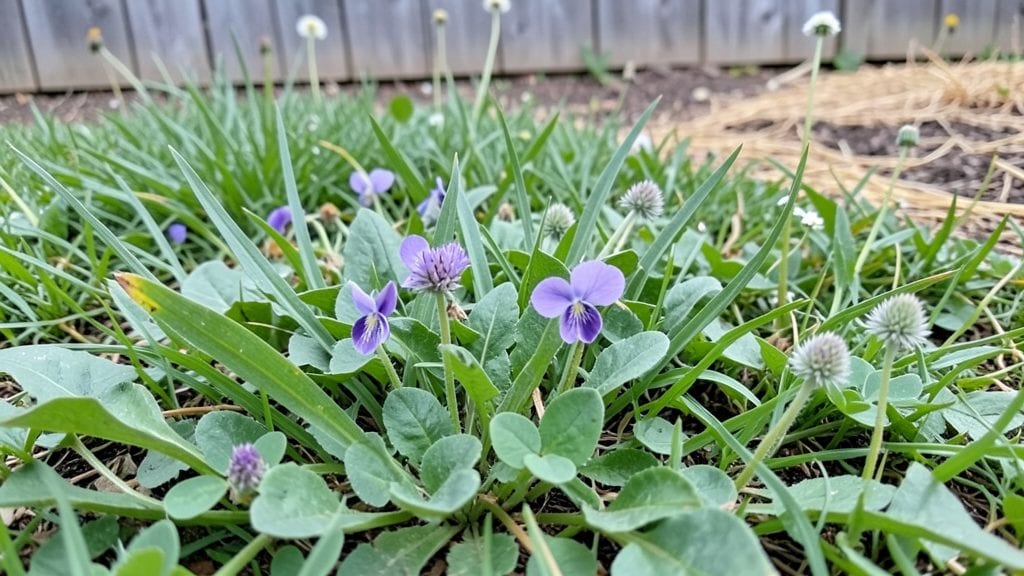
Those stubborn purple-flowered weeds popping up in your grass aren’t just unsightly—they’re stealing nutrients and space from your lawn. I’ve spent years wrestling with clover, henbit, and purple deadnettle, and the key to beating them is knowing exactly what you’re dealing with before you pull.
The good news? You don’t need chemicals to reclaim your lawn’s natural beauty—just the right timing and techniques.
Start by identifying the culprits: clover thrives in shady spots, henbit loves cool weather, and purple deadnettle spreads aggressively in damp areas. Grab a pair of gloves, a sharp hoe, and a bucket—no fancy tools required. The secret weapon?
Pulling weeds when the soil is moist (early morning or after rain) makes them easier to remove without breaking off the roots. For stubborn patches, a vinegar-based spray (3% acetic acid) works fast but spot-treat carefully to avoid damaging grass.
Within a week, you’ll see a noticeable difference—fewer purple blooms, healthier green grass, and a lawn that looks like it belongs in a postcard. The real win? Your lawn will start crowding out weeds naturally as the grass fills in gaps.
Just remember: consistency is key. Revisit problem areas every few weeks until they’re gone for good.
This method works for any lawn, from suburban backyards to small urban patches. The only rule? Don’t rush—weeds come back if you’re not patient. But trust me, the first time you see your grass reclaiming its space, you’ll wonder why you didn’t tackle this sooner.
📚 In This Guide
- What you need
- Instructions
- Tips and common mistakes
- Wrapping up and next steps
What you need
- ● Garden shears or pruners – A sharp pair for precise cuts (look for bypass-style for clean snips).
- ● Gloves – Heavy-duty gardening gloves (nitrile-coated for durability) to protect your hands from thorns and dirt.
- ○ Weed puller or dandelion digger – A sturdy, long-handled tool to extract roots fully (optional but highly recommended for stubborn weeds).
- ● Lawn rake or dethatcher – A metal-tined rake to loosen soil and debris after pulling weeds.
- ● Trash bags (20-30 gallon) – For easy cleanup of pulled weeds and debris.
- ● Knee pads or a small stool – Because comfort matters when you’re on your hands and knees! 😉
- ● Natural weed killer (vinegar-based or boiling water) – For spot treatment on stubborn weeds (use only on non-lawn areas if you have grass seeds planted).
- ● Mulch or compost – To replenish soil nutrients after clearing weeds.
- ● Hose with a spray nozzle – For rinsing tools and refreshing your lawn post-weeding.
- ● Sun hat & sunscreen – Because no one wants a sunburn while battling weeds! ☀️
How to identify and remove purple flowered weeds from grass
Here's how I tackle those stubborn purple blooms naturally—no harsh chemicals needed.
Identify the Weeds Accurately
Most purple-flowered weeds in grass are either clover, henbit, or creeping charlie. Clover forms low, rounded clusters with tiny purple or white flowers, while henbit has square stems and purple flowers that bloom in spring. Creeping charlie spreads aggressively with purple flowers and white veins on leaves.
Get down on your knees and examine the leaf shape, flower structure, and growth pattern. Clover leaves are trifoliate (three leaflets), henbit has jagged edges, and creeping charlie has kidney-shaped leaves. Take a photo for reference—this ensures you target the right plants and avoid damaging your grass.
Pull by Hand at the Right Time
Timing matters. Pull weeds when the soil is moist after rain or watering—this makes roots easier to extract. Focus on small patches first; larger infestations may require multiple sessions. Grasp the weed at the base, near the soil line, and tug firmly upward.
For deep-rooted weeds like creeping charlie, use a weeding tool or garden fork to loosen the roots before pulling. Never leave any root fragments behind—they’ll regrow. If the weed resists, try wiggling it side to side while pulling upward to break the root system completely.
Apply Natural Suppression Techniques
After removing visible weeds, prevent regrowth by improving lawn health. Mow grass at 3-4 inches tall to shade out weeds naturally. Thicker grass crowds out weeds by competing for sunlight and nutrients.
Water deeply but infrequently—1-1.5 inches per week—to encourage deep grass roots. Overwatering weakens grass and creates ideal conditions for weeds. In shaded areas, overseed with shade-tolerant grass varieties like fine fescue to fill bare spots before weeds move in.
Use Vinegar or Boiling Water for Stubborn Spots
For persistent weeds in cracks or driveways, spot-treat with a 5% acetic acid vinegar solution (1 part white vinegar to 1 part water). Apply on a dry, wind-free day to avoid drift onto grass. The acid kills weeds by dehydrating their cells within 24-48 hours.
Boiling water works similarly—pour directly onto the weed base. This method is best for small, isolated patches. Test a small area first to ensure your grass tolerates the treatment. Never use these methods on large lawn areas; they’ll harm grass too.
Maintain a Weed-Free Lawn Long-Term
Prevent future purple weeds by aerating your lawn in early fall. This reduces soil compaction and allows grass roots to access nutrients, making them more competitive. Spread 2-3 pounds of nitrogen-rich fertilizer per 1,000 square feet annually to keep grass lush and dense.
Dethatch if your lawn has a thick layer of thatch (over ½ inch). Use a rake or dethatching tool to remove debris, which smothers grass and invites weeds. Finally, leave grass clippings on the lawn—they return nutrients to the soil and reduce the need for additional fertilizer.
Tips & tricks for perfect purple-flowered weed removal
These practical insights will help you tackle stubborn purple weeds without damaging your lawn—saving you time and frustration.
Visual Identification Tip: In Step 1, when examining weeds, focus on the leaf structure first. Clover's trifoliate leaves (three leaflets) and creeping charlie's kidney-shaped leaves with white veins are dead giveaways. I keep a small reference photo on my phone of all three weeds side by side—it's saved me from accidentally pulling up valuable grass too many times. The flower color alone can be misleading since some weeds have purple blooms but completely different leaf patterns.
Timing Secret for Step 2: The instructions mention pulling weeds after rain or watering, but I've found the absolute best time is actually in the morning after dew has settled. The soil stays moist longer, and you avoid the afternoon heat that can stress your grass. For deep-rooted weeds like creeping charlie, I've started using a small hand fork to loosen the soil around the roots before pulling—it makes the job about 40% easier. Just be gentle with your grass to avoid damaging the roots.
Natural Suppression Strategy: In Step 3, when mowing at 3-4 inches, I've discovered that adjusting your mower blade height slightly higher (4 inches) in hot summer months actually helps more than you'd think. Taller grass shades out weeds better and holds moisture longer. For the watering tip, I set a rain gauge or use a simple tuna can to measure exactly 1.5 inches of water per week—it's amazing how many people overwater without realizing it. Overwatering is the #1 reason weeds take over.
Spot Treatment Rescue: When using vinegar in Step 4, I've learned that adding a few drops of dish soap to the vinegar solution helps it cling better to the weeds. The soap acts as a surfactant, allowing the vinegar to penetrate the leaves more effectively. For boiling water, I've started using a small watering can with a narrow spout—it gives me better control over where the water lands. Always test on a small area first, especially if your lawn has any delicate grass varieties.
Pro Tips for Purple Flowered Weeds In Grass
- These practical insights will help you tackle stubborn purple weeds without damaging your lawn—saving you time and frustration.
- Visual Identification Tip: In Step 1, when examining weeds, focus on the leaf structure first.
- Timing Secret for Step 2: The instructions mention pulling weeds after rain or watering, but I've found the absolute best time is actually in the morning after dew has settled.
Frequently asked questions
Got questions about those pesky purple-flowered weeds ruining your lawn’s curb appeal?
You’re not alone! Here are the most common concerns—and quick fixes—to help you reclaim your grass in no time.
What are the most common purple-flowered weeds in my lawn?
Likely culprits include henbit, purple deadnettle, or chickweed. These weeds thrive in cool seasons and often pop up in late winter or early spring. If they’re spreading fast, they’re probably henbit—its fuzzy, purple flowers are unmistakable!
When is the best time to remove purple-flowered weeds?
Target them before they seed (late winter to early spring) or after flowering (summer). Pulling them by hand works best when soil is moist—just grab the base to avoid regrowth. For stubborn patches, pre-emergent herbicides in early spring can block new weeds.
Will vinegar or natural remedies kill these weeds without harming grass?
Yes! A 1:1 vinegar-water mix (with dish soap) sprayed directly on weeds works—but avoid spraying grass. For spot treatment, try boiling water or corn gluten meal (a pre-emergent). Just test a small area first to ensure safety.
Why do these weeds keep coming back even after I pull them?
Weeds like henbit spread via seeds or shallow roots. If you’re missing any, they’ll reseed. Mow high (3–4 inches) to shade out weeds, and overseed bare spots with grass seed. A light layer of mulch (like straw) can also suppress regrowth.
Can I prevent purple-flowered weeds long-term?
Start with healthy grass: water deeply (1–1.5 inches/week), fertilize in early fall, and mow consistently. Aerate compacted soil yearly, and apply pre-emergent herbicide in early spring. A thick lawn leaves zero room for weeds!
Wrapping up and next steps
Dealing with purple-flowered weeds in your grass doesn’t have to be a never-ending battle! With the right tools, techniques, and a little patience, you can restore your lawn’s clarity and beauty in no time.
Whether you opt for natural solutions like vinegar sprays or prefer the precision of targeted herbicides, the key is consistency and proper care.
Ready to take action? Start by assessing your lawn’s needs and choosing the method that best fits your lifestyle. Your dream green lawn is just a few steps away—go ahead and reclaim it! 🌱✨