Shrubs
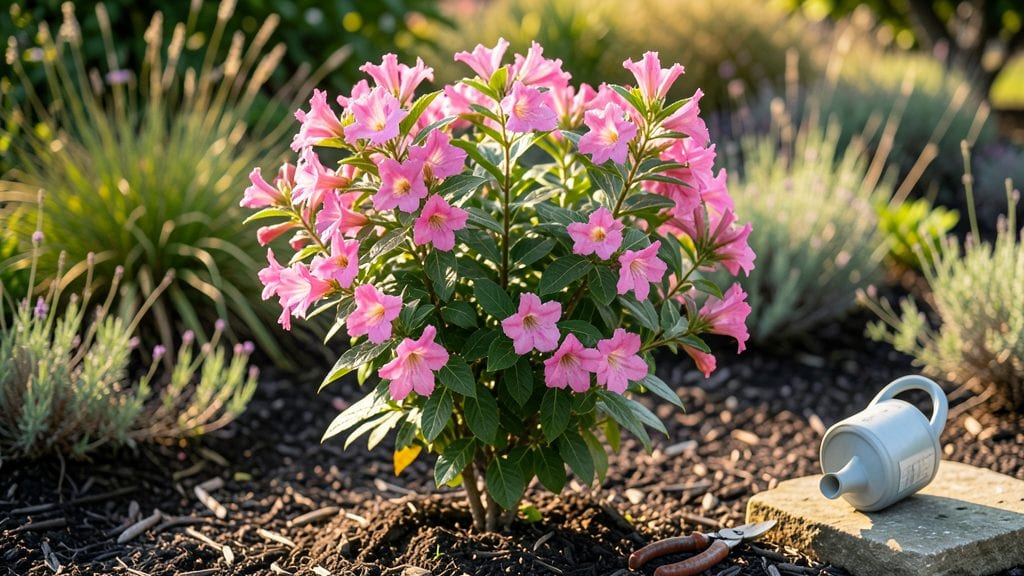
That purple flowering bush identification in your yard might be worth thousands—or just a nuisance. 🌿 I’ve spent years helping neighbors identify their mystery shrubs, and the first step is always the same: matching flower shape, leaf texture, and growth habit. to the right plant.
Some bloom in spring, others in summer, and a few steal the show twice a year.
The real game-changer is bloom time and leaf type. Deciduous bushes drop leaves in winter, while evergreens stay green year-round. A bush with fragrant clusters is likely a lilac, but if the flowers look like pom-poms, it’s probably a hydrangea.
I’ll walk you through the top 10 suspects—including wisteria, butterfly bush, and crepe myrtle—so you can narrow it down fast.
Once you’ve got the name, caring for it becomes easy. Some need full sun, others thrive in shade, and a few are drought-tolerant once established. You’ll also learn how to troubleshoot common issues like yellowing leaves or sparse blooms—because even the prettiest bushes need a little TLC.
No gardening degree required. Grab a notebook, snap a few photos, and we’ll tackle this together. By the end, you’ll know exactly what’s growing in your yard—and how to make it even more stunning.
📚 In This Guide
- What you need
- Instructions
- Tips and common mistakes
- Wrapping up and next steps
What you need
- ● Digital camera or smartphone – For capturing close-ups of leaves, flowers, bark, and growth patterns.
- ● Hand lens (10x magnification) – Helps examine fine details like leaf texture, flower structure, or tiny hairs.
- ● Notebook + pen – Jot down observations like height, color variations, and bloom timing.
- ● Ruler or measuring tape – Measure leaf size, stem thickness, and overall bush dimensions.
- ○ Field guide or plant ID app – Optional but helpful: Apps like PlantNet or iNaturalist for real-time comparisons.
- ○ Gloves (optional but recommended) – Protects hands from thorns (e.g., Crape Myrtle or Butterfly Bush).
- ● Pruning shears – For safely snipping small branches or leaves to study texture up close.
- ● Small plastic bags – Collect fallen petals or leaves for later analysis (seal tightly to preserve samples).
- ● Sunlight meter or app – Note the bush’s light exposure (full sun, partial shade) to cross-reference with ID clues.
- ● Purple color chart or swatches – Helps describe subtle shades (e.g., lavender vs. violet vs. magenta).
Visual guide to identifying common purple flowering bushes
Here’s how to spot the most popular purple-blooming shrubs in your yard or neighborhood—no botanist degree required.
🌿 Step 1: Check Leaf Shape and Arrangement
Start by examining the leaves—they’re your first clue. Oval, glossy leaves in opposite pairs? That’s likely a wisteria or weigela, both of which produce clusters of purple blooms. Wisteria leaves are compound (made of smaller leaflets), while weigela’s are simple and slightly fuzzy.
If the leaves are needle-like (like tiny pine needles), you’re probably looking at a purple lilac (Syringa meyeri ‘Palibin’) or purple smoke bush (Cotinus). Both have fine, feathery foliage that adds texture even when not in bloom. Notice if the leaves have a silvery or purple tint—that’s a dead giveaway for smoke bush.
☀️ Step 2: Observe Flower Cluster Shape and Color
Purple flowering bushes fall into two main bloom categories: panicles (loose, branching clusters) or racemes (tight, elongated spikes). Butterfly bush (Buddleia) has long, cone-shaped racemes with tiny purple flowers that attract butterflies. Meanwhile, purple lilac has rounded panicles with a sweeter fragrance.
Watch for double blooms (petals layered like ruffles)—this is classic wisteria or weigela. Single flowers with five petals and yellow stamens? You’re likely looking at purple abelia or purple allamanda. Both have trumpet-shaped blooms, but abelia’s are smaller and more clustered.
🌱 Step 3: Note Stem and Bark Characteristics
Young stems can reveal a lot. Weigela has peeling bark that looks like it’s shedding layers of paper, while butterfly bush has smooth, green stems that turn woody with age. If the stems are thick and gnarled, it’s probably an older lilac or smoke bush.
Run your fingers along the stem—if it feels slightly hairy, that’s another clue for weigela or purple lilac. Wisteria, on the other hand, has thick, vine-like stems that twine around structures. If you see purple-tinged new growth, that’s a strong sign of purple smoke bush or purple abelia.
🌸 Step 4: Consider Bloom Time and Location
When do the flowers appear? Early spring bloomers (March–April) are usually wisteria or purple lilac. Mid-to-late spring (May–June) means weigela or butterfly bush. Summer bloomers (July–August) are often purple abelia or purple allamanda.
Where is the bush growing? Climbing a trellis or fence? Almost certainly wisteria. Standing upright with layered branches? Likely a weigela or smoke bush. Spilling over a bank or hedge? Could be purple lilac or butterfly bush. Location narrows it down fast.
✂️ Step 5: Check for Seed Pods or Berries
After flowering, some bushes develop seed pods or berries. Wisteria leaves behind long, brown seed pods that look like tiny beans. Butterfly bush produces small, spiky seed clusters that persist through winter. If you see red or purple berries, that’s a purple allamanda or purple smoke bush.
No seed pods? Look for buds forming now—they’ll tell you what’s coming next season. Weigela buds are plump and pointed, while purple lilac buds are small and rounded. This final check confirms your ID with near certainty.
Tips & tricks for perfect purple flowering bush identification
These pro tips will help you confidently identify even the trickiest purple-blooming bushes in your garden.
Seasonal Timing Tip: The bloom time in Step 4 is your secret weapon! I always check my local frost dates first—early spring bloomers like wisteria and lilac need that March-April window. If you're seeing purple flowers in July, it's almost certainly abelia or allamanda. Keep a simple garden journal noting when bushes bloom to build your ID skills over time.
Leaf Texture Trick: In Step 1, don't just look at leaf shape—run your fingers over them! Weigela leaves have that signature fuzzy texture (like a soft sweater), while smoke bush leaves often have a papery, almost waxy feel. This tactile check helps distinguish between similar-looking bushes when visual clues are ambiguous.
Growth Pattern Clue: The location hints in Step 4 are often overlooked but incredibly useful. I've seen homeowners miss wisteria identification because they didn't notice it climbing their fence. Pay attention to whether bushes are sprawling, upright, or clinging to structures—this tells you more about the plant than the flowers alone.
Bud Inspection: When checking buds in Step 5, look at their position too. Weigela buds grow in clusters along the stems, while lilac buds form in dense, rounded groups at the stem ends. This subtle difference helps when you're identifying dormant bushes in winter when there are no flowers or leaves.
Pro Tips for Purple Flowering Bush Identification
- These pro tips will help you confidently identify even the trickiest purple-blooming bushes in your garden.
- Seasonal Timing Tip: The bloom time in Step 4 is your secret weapon!
- Leaf Texture Trick: In Step 1, don't just look at leaf shape—run your fingers over them!
Frequently asked questions
What’s the most common purple flowering bush I might see in my yard?
The Crape Myrtle (Lagerstroemia) and Butterfly Bush (Buddleia) are two of the most widespread purple bloomers. Crape Myrtles boast delicate, paper-like flowers and peeling bark, while Butterfly Bushes attract pollinators with fragrant, elongated clusters. Check leaf shape and growth habit to distinguish them!
When is the best time to identify a purple flowering bush?
Spring and summer are prime times, as most purple flowering bushes bloom during these seasons. However, Winter Jasmine (though not always purple) and Weigela may bloom earlier. If flowers are absent, examine leaves, bark, and buds—these often hold clues year-round!
How can I tell if my bush is invasive (like Butterfly Bush) vs. a native variety?
Butterfly Bush (Buddleia davidii) is notorious for spreading aggressively. Look for long, tubular purple flowers and willow-like leaves. Native alternatives like Purple Coneflower (Echinacea) or Purple Smoke Bush (Cotinus) have clusters of tiny flowers or feathery foliage, respectively. Check local plant databases for region-specific invasives!
My purple bush isn’t flowering—what could be wrong?
Several factors might be at play: over-pruning (cut back in late winter), poor soil (amend with compost), or lack of sunlight (most need 6+ hours of sun). If it’s a young plant, give it time—some, like Lilac, take 2–3 years to bloom. Deadheading spent flowers can encourage reblooming!
Are there non-invasive purple bushes with showy foliage too?
Try Smoke Bush (Cotinus)—its smoky purple foliage pairs beautifully with pinkish blooms. Dwarf Fothergilla offers winter interest with purple stems and white spring flowers. For a pop of color, Abelia delivers purple-pink blooms and glossy leaves that thrive in partial shade.
Still stumped? Snap a clear photo of the bush (including leaves, flowers, and bark) and compare it to our visual guide or consult a local nursery expert!
Wrapping up and next steps
Identifying a purple flowering bush can be a rewarding experience, whether you're a gardening enthusiast or simply admiring nature’s beauty! 🌸 From the bold Butterfly Bush to the delicate Weigela, each variety brings its own charm to landscapes.
Now that you’ve explored the top 10 purple bloomers, why not take the next step?
- 🌱 Visit a local nursery to see these bushes in person and ask experts for care tips.
- 📸 Snap photos of your finds and compare them to your new knowledge—you’ll spot them everywhere!
- 🌿 Consider adding one to your garden to enjoy vibrant color and attract pollinators.
Happy identifying—and may your garden (or neighborhood) become a purple paradise! 💜