
Flowers
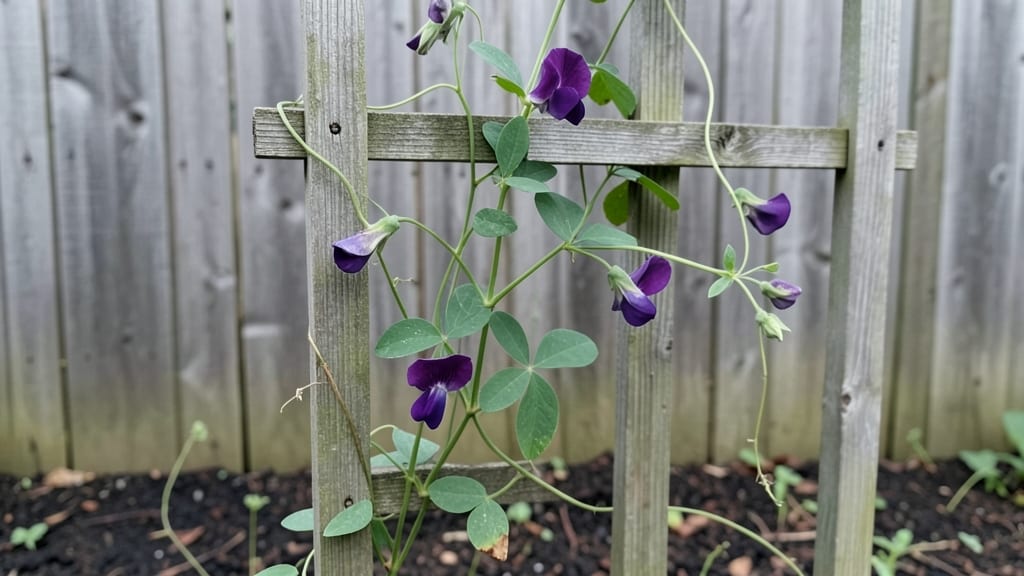
Nothing beats the sight of purple pea flowers swaying in a Pacific Northwest breeze, their velvety blooms drawing hummingbirds like a magnet. 🌿 These hardy annuals thrive where frost lingers, offering months of color when many gardens fade into dormancy.
Their deep purples and lavenders create striking contrasts against silver foliage or soft greens, while their delicate tendrils add vertical drama to any space.
The secret to their success lies in their adaptability—plant them in full sun or partial shade, in containers or along trellises, and they’ll reward you with blooms from early summer through fall.
Pair them with catmint for a purple-and-blue dream team or mix in white alyssum for a soft, cloud-like effect. Their sweet scent (when allowed to climb) adds another layer of charm, making them perfect for cottage gardens or modern borders alike.
You’ll love how they transform a dull corner into a pollinator paradise, with hummingbirds darting between blooms and bees buzzing happily. The flowers even make stunning cut blooms—long stems and vibrant hues mean they last days in a vase.
Whether you’re filling a window box or dressing up a fence, these peas deliver effortless beauty with minimal fuss.
For best results, deadhead spent blooms to encourage more flowers, and stake them early to prevent flops in windy climates. They’re a foolproof way to add height, color, and life to any garden—no green thumb required.
📚 In This Guide
- What you need
- Instructions
- Tips and common mistakes
- Wrapping up and next steps
What you need
- ● Purple pea flower seeds (Lathyrus odoratus or related varieties): 50–100 seeds (adjust based on desired plant density)
- ● Choose frost-hardy, hummingbird-friendly cultivars (e.g., ‘Spencer Sweet Pea’ or ‘Cupid’)
- ● Well-draining potting mix or garden soil: 1–2 cubic yards (for in-ground planting) or 10–15 lbs (for containers)
- ● Amend with compost (1 part compost to 3 parts soil) for nutrient-rich growth
- ○ Containers (optional but helpful for early starts): 4–6 inch deep pots (2–3 plants per pot) or biodegradable seedling trays
- ● Watering can or hose with a gentle spray nozzle
- ● Garden trowel or small shovel
- ● Fertilizer (low-nitrogen, high-phosphorus): 5-10-10 or 3-4-6 ratio (1 tbsp per plant at planting, then monthly)
- ● Pruning shears (for deadheading and shaping)
- ● Trellis or stakes (4–6 ft tall) (purple peas are climbers!)
- ● Mulch (straw or wood chips) (to retain moisture and protect roots)
- ● pH test kit (ideal soil pH: 6.0–7.0)
- ○ Hummingbird feeder (optional) (to complement your floral buffet!)
How to grow purple pea flowers for hummingbird visitors
Here's the straightforward method I've used to fill my PNW garden with these hardy, vibrant blooms every spring.
🌱 Step 1: Choose the Right Variety and Planting Time
For the Pacific Northwest's climate, I recommend Lathyrus odoratus varieties like 'Blue Moon' or 'Cupid'—they thrive in our cooler springs and handle light frosts beautifully. Start seeds indoors 6-8 weeks before your last frost date (usually late February to early March in most PNW zones). You'll see faster germination and stronger plants ready for transplanting.
If you prefer direct sowing, wait until after the last frost when soil reaches 50°F—these seeds germinate best in warm soil. I always test by sticking my finger in: if it feels cool but not icy, the soil's ready. Plant seeds ½ inch deep in well-draining soil, spacing them 2-3 inches apart—they won't like being crowded.
☀️ Step 2: Prepare Soil and Plant in Sunniest Location
Purple pea flowers crave full sun (6+ hours daily) and rich, well-draining soil. Amend your garden bed with 2-3 inches of compost mixed into the top 6 inches of soil. These plants are heavy feeders, so I add a balanced 10-10-10 fertilizer at planting time—just follow the package rate for flowers.
Dig holes twice as wide as the root ball but only as deep. Gently remove seedlings from their containers and loosen any circling roots with your fingers. Place each plant in its hole, then backfill with soil while pressing lightly around the base. Water immediately to settle everything—you'll see the soil surface firm up slightly.
💧 Step 3: Water Consistently and Support Tall Varieties
Keep soil evenly moist but never soggy—purple pea flowers wilt dramatically when thirsty but bounce back quickly when watered. I water deeply every 2-3 days during dry spells, checking by sticking my finger 1 inch down. If it feels dry, that's your signal to water.
Taller varieties (over 3 feet) need staking. Install 5-foot stakes at planting time and loosely tie stems with soft plant ties as they grow. I avoid tight ties—they can restrict growth and damage stems as plants thicken. Watch for first flower buds forming about 8-10 weeks after planting—this is when the real magic begins.
✂️ Step 4: Prune for Continuous Blooms and Prevent Seed Pods
Deadhead spent blooms weekly by pinching off the faded flower stems just above the next set of leaves. This encourages non-stop blooming through summer. I always use clean, sharp scissors to avoid damaging healthy stems—dull tools crush tissue and invite disease.
If you want more seeds for next year, leave 2-3 of the healthiest stems unpruned. The seed pods will form and dry on the plant. Otherwise, remove all pods to redirect the plant's energy into more flowers. You'll notice a second flush of blooms in late summer if you keep up with deadheading.
🪴 Step 5: Overwinter and Prepare for Next Season
In the Pacific Northwest's mild winters, purple pea flowers often self-seed if left undisturbed. I let a few plants go dormant naturally, then cut back stems to 2 inches in early spring before new growth appears. The remaining plants will produce even more vigorous blooms next year.
If you're growing annual varieties, collect seeds from dried pods by gently squeezing them into a paper bag. Store seeds in a cool, dry place until next planting season. I label each bag with the variety and year—these seeds stay viable for 2-3 years if stored properly.
Tips & tricks for perfect purple pea flowers
These simple strategies will help you get the most vibrant blooms and keep your hummingbird visitors coming back for more.
Variety Selection: For the Pacific Northwest's cooler springs, I always choose 'Blue Moon' or 'Cupid' varieties—they're specifically bred to handle our climate and still produce stunning blooms. These varieties also have better disease resistance, which is crucial when our spring rains linger longer than expected.
Transplanting Tip: When transplanting seedlings from Step 2, I like to do it on a cloudy day or in the late afternoon. This gives the plants time to recover from the shock of transplanting before they're exposed to intense afternoon sun. You'll notice less wilting and faster establishment when you do it this way.
Soil Prep Secret: Before adding your 2-3 inches of compost, I recommend mixing in a handful of perlite or coarse sand into the top 6 inches of soil. This improves drainage without compromising the rich, fertile quality purple pea flowers love. The combination of compost and perlite creates the perfect balance for these heavy feeders.
Deadheading Technique: When you're deadheading those spent blooms weekly in Step 4, look for the first set of leaves below the flower cluster. Pinch just above this point—this encourages new growth from that node, which will produce even more flowers. I always use clean, sharp pruners for this task to prevent spreading any potential diseases between plants.
Pro Tips for Purple Pea Flowers
- These simple strategies will help you get the most vibrant blooms and keep your hummingbird visitors coming back for more.
- Variety Selection: For the Pacific Northwest's cooler springs, I always choose 'Blue Moon' or 'Cupid' varieties—they're specifically bred to handle our climate and still produce stunning blooms.
- Transplanting Tip: When transplanting seedlings from Step 2, I like to do it on a cloudy day or in the late afternoon.
Frequently asked questions
Got questions about growing and enjoying purple pea flowers? You’re not alone! Here are some of the most common queries—plus quick, practical answers to help you make the most of these stunning, hummingbird-loving blooms.
Are purple pea flowers really frost-resistant?
These hardy beauties thrive in the Pacific Northwest’s cool, damp climates and can handle light frosts down to 15°F (-9°C). For extra protection in harsh winters, mulch around the base or plant them in sheltered spots. Just avoid heavy, prolonged freezes—they’re tough but not indestructible!
How long does it take for purple pea flowers to bloom?
Patience pays off! From seed, expect blooms in 60–90 days under ideal conditions (full sun to partial shade, well-draining soil). If you’re planting established roots, you’ll see flowers in 2–3 weeks. Pro tip: Deadhead spent blooms to encourage continuous flowering all season long!
Why aren’t hummingbirds visiting my purple pea flowers?
Hummingbirds adore them—but a few factors might be keeping them away. Ensure your flowers are fully open and in direct sunlight (they’re less appealing in shade). Also, avoid pesticides, as they repel pollinators. Try planting near other nectar-rich flowers (like fuchsias or salvias) to create a "hummingbird buffet."
Can I grow purple pea flowers in containers?
Yes! These vining wonders do well in large containers (12+ inches deep) with trellises or stakes for support. Use a well-draining potting mix and water consistently—containers dry out faster than garden beds. Just ensure the pot gets at least 4–6 hours of sunlight daily for best results.
What are some alternatives if purple pea flowers don’t thrive in my garden?
If your climate or soil isn’t ideal, try these hummingbird-friendly substitutes with similar vibrancy:
- Cobaea scandens (Cup-and-Saucer Vine) – Fast-growing, frost-tolerant vine with trumpet-shaped blooms.
- Penstemon spp. (Beard Tongue) – Drought-resistant perennials with tubular flowers.
- Lobelia erinus (Dwarf Lobelia) – Compact, shade-tolerant, and loved by pollinators.
- Salvia spp. (Sage) – Heat- and drought-resistant with long bloom seasons.
All are easy to grow and just as magnetic to hummingbirds!
Wrapping up and next steps
Purple pea flowers aren’t just a stunning addition to your Pacific Northwest garden—they’re a low-maintenance, frost-hardy powerhouse that hummingbirds and pollinators will adore! 🌸 With their vibrant blooms and resilience, they’re perfect for both novice and seasoned gardeners looking to add color and life to their outdoor spaces.
Ready to transform your garden? Start by gathering your supplies, then plant these beauties in a sunny spot. Watch as they thrive—even through chilly nights—and attract a flurry of feathered visitors! Happy gardening!