
Blooming
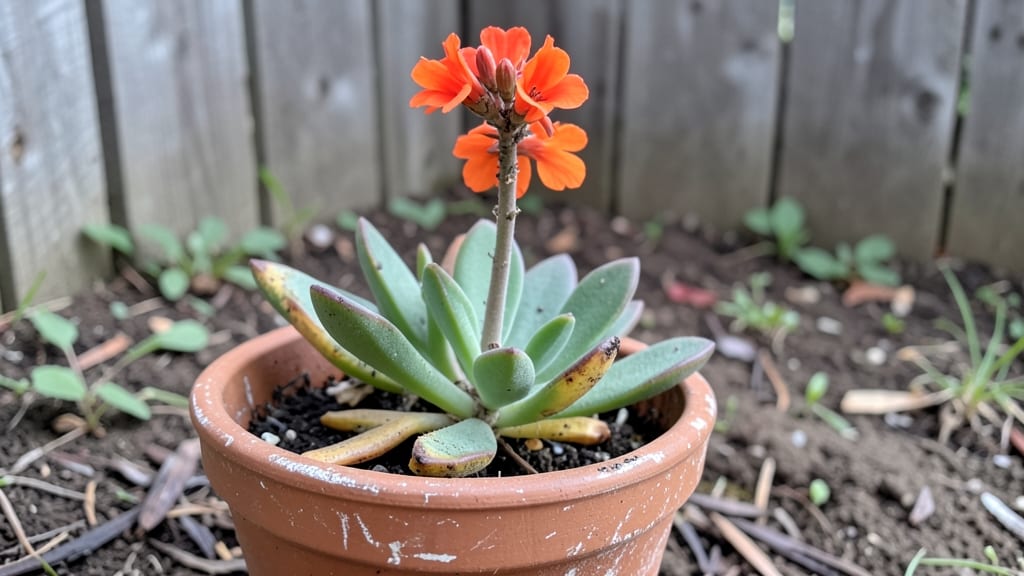
That succulent with orange flowers on long stems is the showstopper your garden needs—especially when you want year-round color that thrives in the Pacific Northwest’s mild climate. 🌿 I fell in love with its bold blooms after spotting one in a coastal garden, where it stood out against silvery foliage and thrived through light frosts.
The secret isn’t just its drought tolerance; it’s how effortlessly it pairs with other textures and colors, turning any space into a vibrant focal point.
This plant isn’t picky about its home—whether you tuck it into a hanging basket, a vertical planter, or a sunny windowsill, it delivers bold pops of orange that last for weeks.
My favorite combo? Pairing it with silver-blue echeverias or lavender sedums to create a striking contrast. Even in rainy seasons, it keeps blooming, proving it’s one of the most frost-proof succulents for cooler climates.
You’ll love how easy it is to style—just add a terracotta pot, a few pebbles for drainage, and maybe a sprinkle of moss for texture. The long stems make it perfect for tabletop displays or tiered shelves, where the flowers cascade like tiny fireworks.
Plus, it’s a pollinator magnet, attracting bees and butterflies without needing extra effort from you.
Here’s the best part: once you see how it transforms a space, you’ll want to add more—maybe a mix of colors or even a themed display for holidays. Let’s make yours the talk of the neighborhood!
📚 In This Guide
- What you need
- Instructions
- Tips and common mistakes
- Wrapping up and next steps
What you need
- ● Succulent plant: A Calandrinia spectabilis (also called "sticky maids" or "red maids") or Calandrinia grandiflora—both produce vibrant orange flowers on long stems. (Check local nurseries or online succulent shops!)
- ● Well-draining potting mix: 1 bag (1–2 cubic feet) of cactus/succulent blend (add perlite or pumice for extra drainage).
- ● Pot with drainage holes: 1 container (6–8 inches wide) with a saucer to catch excess water.
- ● Watering can or spray bottle: With a narrow spout for precise watering.
- ● Sunlight access: A south- or west-facing window or grow lights (12–14 hours/day).
- ○ Gloves (optional): To protect hands from tiny succulent spines.
- ○ Pruning shears (optional): For trimming spent flowers or leggy stems.
- ○ Fertilizer (optional): Balanced liquid fertilizer (diluted to half-strength) for blooming succulents.
- ● Cold-hardy zone knowledge: Ensure your climate is USDA Zones 7–10 (or grow indoors year-round).
How to grow and care for Kalanchoe 'Calandiva' in the Pacific Northwest
This vibrant succulent thrives in PNW climates—here's how to coax those stunning orange blooms year after year.
🌱 Step 1: Select the Right Variety and Containers
Choose Kalanchoe 'Calandiva', the hybrid with long, arching stems and bright orange flowers that bloom reliably. I prefer the 'Calandiva Orange' cultivar for its cold tolerance—it handles PNW winters better than other varieties. Use terracotta pots (unglazed) with drainage holes to prevent root rot, which this succulent dreads.
Size matters: 4-6 inch pots work for single plants, while a hanging basket (12+ inches wide) lets those stems cascade beautifully. Fill the bottom third with cactus/succulent mix—never garden soil, which holds too much moisture. The PNW's damp winters make proper drainage non-negotiable.
☀️ Step 2: Position for Light and Temperature Balance
Place your Kalanchoe in bright, indirect light—think east or west-facing windows where morning/afternoon sun warms the leaves without scorching. Direct midday sun in summer will bleach those orange blooms, so I use sheer curtains to diffuse harsh rays. In winter, supplement with a grow light for 12-14 hours daily to trigger flowering.
Temperature is key: keep it between 60-75°F during the day. PNW homes often dip below this at night, so move plants away from drafty windows or cold walls. If your home runs cooler (like many basements or north-facing spaces), a small heat mat under the pot prevents chilling, which stunts growth.
💧 Step 3: Master the Watering Schedule for PNW Growing
Water only when the top 2 inches of soil feel completely dry—this succulent stores water in its leaves, so overwatering is the #1 killer. I use the "finger test" daily in winter (when growth slows) and weekly in summer. Stick your finger in: if it comes out clean, wait another day. In the PNW's damp climate, never let it sit in saucers—empty them immediately after watering.
Here's the trick: water deeply but infrequently. When you do water, soak until liquid runs from the drainage holes. Then, let it drain completely before placing back in its saucer. In winter, reduce watering to every 3-4 weeks—the plant enters dormancy, and soggy soil invites fungal rot.
✂️ Step 4: Encourage Blooming and Prune for Health
To trigger those orange flower stems, your plant needs 12+ hours of darkness daily for 6-8 weeks before blooming. In summer, I move mine to a dark closet at night (yes, even in the PNW—this is non-negotiable). After blooms fade, cut spent stems back to 1 inch above the base to encourage new growth. Use sterilized scissors to avoid introducing pathogens.
Prune leggy stems in spring to maintain shape. Pinch back the top set of leaves on overlong stems to prompt bushier growth. I also rotate the pot weekly so all sides get even light—you'll notice stems growing toward the window otherwise. Deadhead faded blooms regularly to redirect energy into new flowers.
🪴 Step 5: Overwinter for Pacific Northwest Resilience
When temperatures drop below 50°F at night, move your Kalanchoe indoors near a south-facing window. Reduce watering to every 4-6 weeks and stop fertilizing—the plant conserves energy during dormancy. If you're lucky enough to grow it outdoors in a microclimate (like a sunny patio), protect it with burlap wrap during frost events.
In late winter, repot if roots circle the container. Choose a pot just 1-2 inches larger—big jumps stress the plant. Refresh the cactus mix and trim any dead leaves. This is also when I check for pests (mealybugs love stressed plants) and treat with neem oil if needed. A little winter care ensures spring blooms that rival summer's.
Tips & tricks for perfect Kalanchoe 'Calandiva' care
These tried-and-true strategies will help you coax those stunning orange blooms from your PNW-grown Kalanchoe—no matter how challenging the climate.
Pot Selection Matters: While terracotta pots are ideal, you can also use other unglazed ceramic containers with drainage holes. Avoid plastic pots—they trap moisture and promote root rot, which this succulent absolutely despises. If using a hanging basket (12+ inches wide), add a layer of pebbles at the bottom to improve drainage and prevent waterlogging.
Light Balance for PNW Homes: The 12-14 hours of grow light in winter is crucial for triggering flowering, but don't neglect natural light during the day. Place your plant within 3 feet of a south-facing window for optimal brightness. If your home has dim lighting, supplement with a full-spectrum LED grow light placed 6-12 inches above the plant for 4-6 hours daily during winter months.
Watering Wisdom for Damp Climates: The finger test is your best friend—stick your finger 2 inches into the soil. If it comes out clean, wait another day. In the PNW's humid summers, I water mine every 7-10 days instead of weekly, and always empty saucers immediately after watering. Overwatering is the silent killer of Kalanchoe—it's better to underwater slightly than drown these thirsty stems.
Pruning for Bushier Growth: When pinching back leggy stems in spring, make your cuts just above a leaf node where new growth can emerge. I find using clean, sharp scissors is crucial—dull tools crush stems and invite infections. After pruning, give your plant a gentle shake to encourage new growth from unexpected places. This technique can transform a straggly plant into a lush, cascading beauty in just a few weeks.
Pro Tips for Succulent With Orange Flowers On Long Stems
- These tried-and-true strategies will help you coax those stunning orange blooms from your PNW-grown Kalanchoe—no matter how challenging the climate.
- Pot Selection Matters: While terracotta pots are ideal, you can also use other unglazed ceramic containers with drainage holes.
- Light Balance for PNW Homes: The 12-14 hours of grow light in winter is crucial for triggering flowering, but don't neglect natural light during the day.
Frequently asked questions
What is the name of this succulent with bright orange flowers?
This showstopper is likely Crassula perforata (aka "String of Snakes" or "Money Plant"), Echeveria elegans (Lobster Plant), or Kalanchoe luciae (Paddle Plant). The long-stemmed orange blooms are a hybrid or cultivated variety, often labeled as Crassula ‘Campfire’ or Echeveria ‘Orange Dream’. Check the tags or consult a local nursery for the exact name!
Can this succulent survive winter in the Pacific Northwest?
These succulents are frost-proof (down to 20–25°F) if planted in well-draining soil and protected from soggy roots. In zones 7–9, they thrive outdoors year-round. For extra safety, mulch with gravel or bark and avoid heavy rain exposure. Pro tip: Move potted plants to a sheltered spot or bring them indoors if frost is forecasted for weeks.
How long does it take for this succulent to flower?
Patience is key! With ideal care (bright, indirect light and minimal water), your succulent may bloom in 1–3 years. Long stems with orange flowers typically appear in late winter to early spring after a period of dormancy. Boost blooming: Reduce watering in fall/winter and provide a cool nighttime temp (50–60°F) to mimic natural conditions.
What if my succulent’s stems are stretching or leaning?
This is a classic sign of etiolation—your plant is craving light! Move it to a sunnier spot (south-facing window or 6+ hours of direct sun daily). If outdoors, ensure it’s not shaded by trees or buildings. Rotate the pot weekly for even growth, and avoid fertilizing until light levels improve.
Are there similar succulents with orange flowers that are easier to grow?
Yes! Try these low-maintenance alternatives:
- Sedum morganianum ‘Burro’s Tail’ – Trailing stems with occasional orange blooms (great for hanging baskets).
- Kalanchoe blossfeldiana – Compact, long-blooming orange flowers (thrives indoors).
- Sempervivum ‘Orange Sunset’ – Hardy hens-and-chicks with vibrant foliage (perfect for PNW gardens).
Why are my succulent’s leaves turning yellow or mushy?
Overwatering is the #1 culprit! Succulents store water in their leaves—if soil stays soggy, roots rot. Fix it:
- Let soil dry completely between waterings (stick your finger in 1–2 inches deep).
- Repot in cactus/succulent mix with perlite or pumice for drainage.
- Trim mushy leaves with sterilized scissors and let the plant recover in bright, dry conditions.
Wrapping up and next steps
Incorporating a succulent with orange flowers on long stems, like the stunning Echeveria elegans, brings vibrant color and resilience to your garden—even in the chilly Pacific Northwest! 🌸 Its frost tolerance and striking blooms make it a standout choice for both beginners and seasoned plant lovers.
Whether you’re adding it to containers, rock gardens, or mixed beds, this beauty thrives with minimal fuss.
Ready to elevate your outdoor space? Grab your supplies, follow the care tips, and watch your garden transform with this cheerful, hardy succulent. Start planting today—your future blooms will thank you! 🌱✨