
Flowers
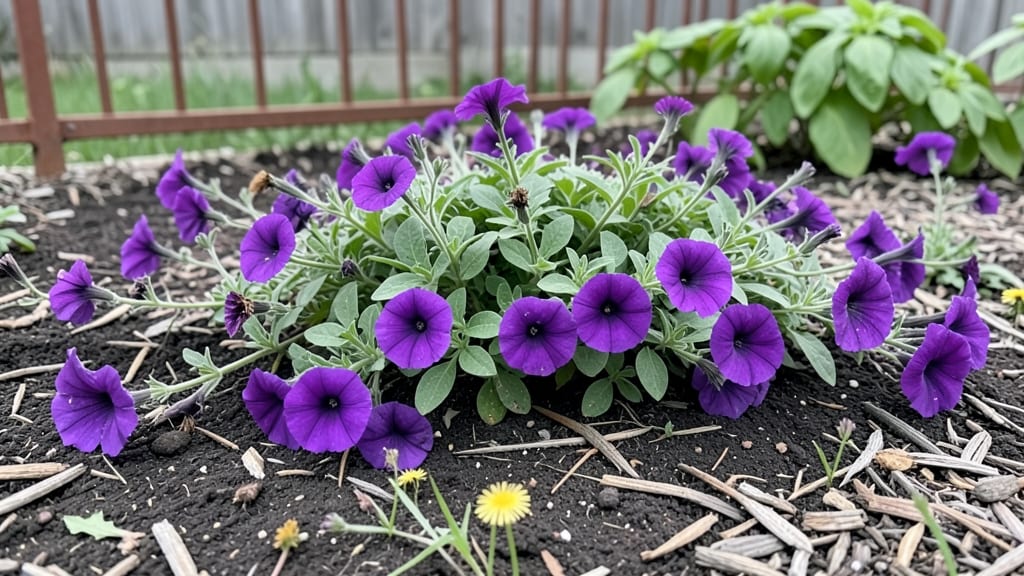
Growing the purple sphere flower—those magical, globe-shaped blooms that look like they belong in a fairy tale—is easier than you’d think, especially in cooler climates where many flowers struggle. 🌿 I’ve grown them in my Zone 5 garden for years, and they’ve never once complained about the cold or the rain.
The secret lies in their hardiness and the way they thrive with minimal fuss, turning even the dullest corner of your yard into a showstopper.
These flowers, often called globeflowers (Trollius spp.), love bright but indirect light—think morning sun with afternoon shade in hotter zones. They’re happy in average garden soil as long as it drains well, and their watering needs are shockingly low once established.
In fact, overwatering is the only real mistake you can make, and even then, they’ll bounce back. The best part? They multiply like mad, spreading through self-seeding or division, so you’ll soon have clusters of these velvety purple spheres popping up everywhere.
By late spring, your garden will be dotted with these 3-inch-wide blooms that look like they’ve been dusted with frost, even in full summer.
They’re perfect for cottage gardens, container arrangements, or even as cut flowers—they last for days in a vase and smell faintly sweet, like a mix of honey and rain.
And if you’re worried about pests or diseases, don’t be: deer and rabbits usually ignore them, and they rarely fall prey to common garden problems.
Ready to add some whimsy to your garden without the drama? These flowers are the ultimate low-maintenance star. Start with a few plants in well-draining soil, give them space to spread, and watch as they transform your garden into a storybook scene—no fuss, no failures, just pure, effortless beauty.
📚 In This Guide
- What you need
- Instructions
- Tips and common mistakes
- Wrapping up and next steps
What you need
- ● Purple sphere flower seeds or nursery plants: Seeds: 10–20 seeds (for a small patch) or 50+ for a full border
- ● Nursery plants: 3–5 plants (spaced 18–24 inches apart)
- ○ Well-draining potting mix or garden soil: 1–2 bags (18–20 lbs each) of organic compost (optional but recommended for nutrient boost)
- ● Perlite or sand (1 part per 4 parts soil) for improving drainage
- ● Containers or garden bed: Containers: 6–8 inch pots (minimum) with drainage holes
- ● Garden bed: Full sun (6+ hours/day) and space for mature plants (18–24 inches apart)
- ● Watering can or hose with a gentle spray nozzle
- ○ Fertilizer (optional but helpful): Balanced 10-10-10 or 5-10-10 granular fertilizer (1 tbsp per plant)
- ● Slow-release rose/flower fertilizer (follow package instructions)
- ● Mulch (straw or shredded leaves) to retain moisture and suppress weeds
- ● Plant markers (to track varieties if growing multiple types)
- ● Pruning shears (for deadheading spent blooms)
- ● Cold-frame or row covers (to extend the growing season in very cold climates)
Step-by-Step instructions for growing purple sphere flowers in cold climates
These striking blooms thrive where others falter. Here’s how to coax their vibrant spheres to life with minimal fuss.
🌱 Step 1: Select the Right Variety for Your Zone
Purple sphere flowers—often echinacea or balloon flowers—need cold-hardy varieties like Echinacea purpurea or Platycodon grandiflorus. Check your USDA zone: zones 3-8 work best. I always opt for Echinacea 'Magnus' for its deep purple, dome-shaped blooms that hold up in wind and rain. Buy plants from a reputable nursery in early spring or fall, when roots establish before extreme temperatures.
Here’s the thing—avoid tropical hybrids. They’ll sulk in your yard and rot by summer’s end. Look for tags labeled "perennial" and "drought-tolerant." If starting from seed, sow 8-10 weeks before last frost indoors under grow lights (they need 12-14 hours of light daily to germinate). Seedlings are slow to start but worth the wait for those iconic blooms.
🪴 Step 2: Plant in Well-Draining Soil with Full Sun
Dig a hole twice as wide as the root ball but only as deep as the container’s level. Purple sphere flowers hate soggy feet, so amend heavy clay soil with 2-3 inches of compost and a handful of perlite to improve drainage. I always test the soil first—if it’s compacted, I mix in 1 part sand to 3 parts native soil. Place the plant so the top of the root ball sits level with the ground (burying too deep suffocates stems).
Space plants 18-24 inches apart—they’ll spread over time, and crowding invites fungal diseases. Water deeply right after planting to settle the soil, then let it dry slightly before watering again. No mulch yet! Wait until after roots establish (about 2 weeks) to avoid rot. These plants thrive in full sun (6+ hours daily), but in zones 5-8, afternoon shade helps prevent leaf scorch during heatwaves.
☀️ Step 3: Water Deeply and Sparingly After Establishment
Once roots are settled, water once a week unless rain provides 1 inch of moisture. Purple sphere flowers store water in their thick stems, so deep soaking (until water drains 6 inches down) encourages strong growth. I use a soaker hose to avoid wetting leaves, which reduces powdery mildew risk. Check soil moisture by sticking your finger 2 inches deep—if it’s dry, water; if damp, wait.
Here’s where it gets fun: these flowers self-seed if you let them! Deadhead spent blooms in early fall to redirect energy to roots, but leave a few seed heads for winter interest. In zones 3-4, add 2-3 inches of mulch (straw or shredded leaves) after the first frost to insulate roots. They’ll pop back up like nothing happened in spring.
✂️ Step 4: Prune for Health and More Blooms
Cut back dead or damaged stems in early spring before new growth starts. Use clean, sharp shears to avoid tearing leaves. I never prune more than ⅓ of the plant at once—these flowers are tough but not invincible. After flowering, cut stems back to 6 inches tall in late summer to encourage a second flush of blooms. This works best in zones 5-8; in colder zones, skip it and let the plant rest.
Real talk: if you see yellow leaves, it’s usually overwatering or poor drainage. Adjust your routine—these plants would rather be thirsty than drowned. Fertilize once in early spring with a balanced 10-10-10 formula (follow package rates). Too much nitrogen = lush foliage, fewer flowers. I swear by fish emulsion for a gentle boost, but organic isn’t required.
⏰ Step 5: Overwinter for Next Year’s Spectacle
In zones 3-4, protect young plants with burlap wraps or straw mulch (4-6 inches thick) after the ground freezes. Older plants handle cold better, but a light frost cloth over new growth in fall gives them a fighting chance. I’ve seen Echinacea survive -20°F with no issues—just don’t let soil freeze solid. Water sparingly in winter if we have a dry spell; frozen roots can’t absorb moisture anyway.
Spring is the real reward. Watch for new shoots by late April (earlier in warmer zones). Once they’re 4-6 inches tall, remove winter mulch and add compost to feed the soil. These flowers reward patience—3-4 years old is when they really hit their stride, blanketing your garden in vibrant purple domes from June to September.
Tips & tricks for perfect purple sphere flowers in cold climates
Cold-climate gardeners know the struggle—most flowers wilt before summer's end. These simple tricks will help your purple sphere flowers not just survive, but thrive in zones where others fail.
Variety Matters: In Step 1, when selecting your echinacea or balloon flowers, look for USDA zone labels on the tags. Echinacea 'Magnus' is my go-to for its hardiness and those stunning purple domes. For seed starters, use grow lights with 12-14 hours of light daily—seedlings need this consistent light to germinate properly. I've seen seedlings fail when using regular household lighting because it's not strong enough.
Soil Preparation Secret: In Step 2, don't skip the soil test! I learned this the hard way after planting in heavy clay that made my first batch of purple spheres look like they were drowning. Mixing 1 part sand to 3 parts native soil creates perfect drainage. For a quick test, grab a handful of soil—if it forms a tight ball when wet, you need more sand or perlite. The 2-3 inches of compost is non-negotiable for nutrient-rich soil these flowers crave.
Watering Wisdom: The once-a-week watering in Step 3 is perfect, but here's the thing about purple sphere flowers—they store water in their stems. When you water, make sure it drains 6 inches down to encourage deep root growth. I use a soaker hose to avoid wetting leaves, which prevents powdery mildew. Pro tip: water in the morning so leaves dry quickly, giving them a fighting chance against fungal diseases.
Overwintering Strategy: For Step 5, when protecting your plants from -20°F temperatures, I've found that burlap wraps work better than plastic for young plants. The fabric allows some airflow while still providing insulation. In zones 3-4, add that 4-6 inches of straw mulch after the ground freezes—it's like putting a cozy blanket on your plants. And remember, winter watering is a myth—frozen roots can't absorb moisture anyway, so let nature take its course.
Pro Tips for Purple Sphere Flower
- Cold-climate gardeners know the struggle—most flowers wilt before summer's end.
- Variety Matters: In Step 1, when selecting your echinacea or balloon flowers, look for USDA zone labels on the tags.
- Soil Preparation Secret: In Step 2, don't skip the soil test!
Frequently asked questions
Got questions about growing purple sphere flowers (like Echinacea purpurea) in cold climates? You’re not alone! Here are some of the most common queries—and their no-fuss answers.
How cold can purple sphere flowers tolerate?
These hardy blooms thrive in USDA Zones 3-9, meaning they can handle temperatures as low as -30°F (-34°C) once established. Young plants may need winter protection (like mulch) in their first year, but mature plants are tough as nails.
When is the best time to plant purple sphere flowers?
For cold climates, plant in early spring (as soon as the ground is workable) or early fall (4-6 weeks before frost). Avoid summer planting—heat stress can stunt growth. If starting from seed, sow indoors 8-10 weeks before last frost for stronger transplants.
How often should I water purple sphere flowers?
Water deeply once a week (or more in extreme heat/drought), aiming for 1-1.5 inches of water per week. These drought-tolerant stars hate soggy soil, so ensure well-draining soil and reduce watering once established. Pro tip: Mulch around the base to retain moisture and deter weeds!
Why aren’t my purple sphere flowers blooming?
Common culprits:
- Over-fertilizing (too much nitrogen = leafy growth, no flowers). Use a low-phosphorus fertilizer or compost instead.
- Deadheading missed—snip spent blooms to encourage more flowers.
- Poor sunlight (they need 6+ hours of sun daily). Move to a sunnier spot if blooms are sparse.
What are good alternatives if purple sphere flowers don’t thrive?
If your climate or soil isn’t ideal, try these cold-hardy, low-maintenance bloomers:
- Coneflowers (Echinacea) – Similar care, longer bloom time.
- Black-eyed Susans (Rudbeckia) – Drought-tolerant and pollinator-friendly.
- Russian Sage (Perovskia) – Thrives in poor soil and harsh winters.
- Shasta Daisies (Leucanthemum) – Classic, easy, and long-lasting.
Wrapping up and next steps
The purple sphere flower is a stunning, low-maintenance addition to any garden—especially in colder climates! With its vibrant blooms and hardy nature, it’s perfect for both beginners and seasoned gardeners alike.
Whether you’re drawn to its unique shape or its resilience, this flower proves that beauty and ease go hand in hand.
Ready to transform your space? Grab your supplies, follow the simple steps, and watch your garden burst with color—no fuss required! 🌸✨