
Flowers
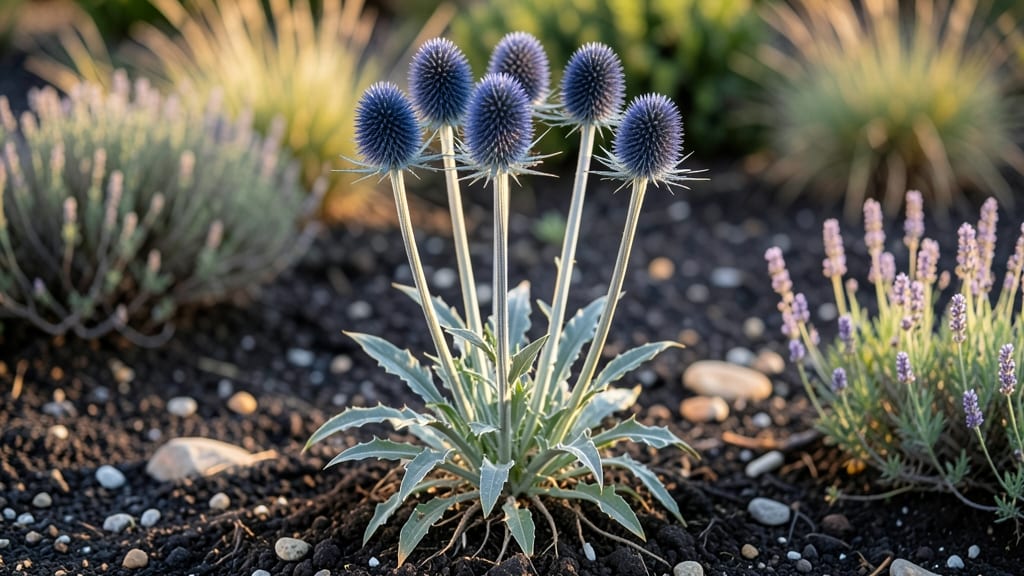
Purple thistle flowers (Echinacea purpurea) bring a dramatic vertical punch to any garden, standing tall at 3-4 feet with velvety petals that hum with bees and butterflies. 🌿 I fell in love with them after seeing how they transformed a boring corner of my yard into a buzzing, sunlit focal point—no fuss, just pure impact.
These hardy perennials thrive in full sun and well-drained soil, making them the low-maintenance superstars of the late-summer garden. Their deep purple blooms last for weeks, and the dried seed heads add winter interest. Pair them with goldenrod, black-eyed Susans, or salvia for a cottage-garden vibe that never feels overdone.
What you’ll get is a pollinator paradise that keeps blooming even when other flowers fade. The contrast of their ruffled petals against smooth-leaved grasses or silver foliage creates a striking border that’s both functional and beautiful. Plus, they self-seed reliably, so once planted, they’ll keep coming back stronger each year.
Works in mixed borders, wildflower meadows, or even containers with dwarf varieties. Let’s design a space where these flowers steal the show!
📚 In This Guide
- What you need
- Instructions
- Tips and common mistakes
- Wrapping up and next steps
What you need
- ● Purple thistle seeds (Echinacea purpurea or similar): 1 oz (about 28g) for a small garden, 4 oz (113g) for a medium bed.
- ● Well-draining potting mix or garden soil: 10-20 lbs (for containers) or amend native soil with compost (for in-ground planting).
- ● Organic compost or fertilizer: 5-10-10 NPK ratio (1 lb per 10 sq ft) to boost growth.
- ○ Mulch (optional but recommended): Straw or shredded bark (2-3 inches) to retain moisture.
- ● Garden trowel or hand shovel: For transplanting seedlings.
- ● Watering can or hose with a gentle spray nozzle: Thistles dislike soggy roots!
- ● Pruning shears: To deadhead spent blooms and shape plants.
- ○ Gloves (optional): Thistle stems can be prickly—protect your hands!
- ● Container pots (if not planting in-ground): 6-8 inch diameter pots with drainage holes (1-2 plants per pot).
- ● Sunlight: Full sun (6+ hours daily) for vibrant blooms.
- ● Climate: Hardy to USDA Zones 3-9; plant in early spring or fall.
- ● Space: 18-24 inches between plants for air circulation.
How to grow purple thistle flowers for striking height and pollinator appeal
These bold, spiky blooms bring drama to any garden while supporting bees and butterflies—here's how to coax them to thrive.
🌱 Step 1: Choose the Right Location and Prepare the Soil
Purple thistles (Echinacea purpurea or Cirsium species) thrive in full sun—at least 6-8 hours daily—and well-drained soil. I always pick a spot with 6+ inches of loose, sandy loam (they hate soggy roots). Test your soil: if it compacts when squeezed, amend with 2-3 inches of compost and a handful of perlite to improve drainage.
Thistles are tough once established, but they start slow. Loosen the top 6 inches of soil with a garden fork to break up compaction. Remove any weeds or grass—competition will stunt those towering stems before they even begin. Here's the thing: thistles grow best in average to slightly alkaline soil (pH 6.0-7.5). If your soil tests acidic, sprinkle dolomitic lime lightly over the area and work it in.
🌿 Step 2: Plant Seeds or Transplants at the Right Time
For seeds, sow directly outdoors 4-6 weeks before your last frost date—they need time to germinate and establish before winter. Scatter seeds ¼ inch deep, spacing them 12-18 inches apart (they’ll spread). Press them lightly into the soil but don’t cover too deeply—they need light to germinate. I like to water gently with a fine mist after planting to settle the soil without disturbing seeds.
If using transplants, wait until spring after frost when soil warms to 50°F+. Dig holes twice as wide as the root ball and as deep. Space mature plants 2-3 feet apart—they’ll reach 4-6 feet tall, so give them room to sway in the breeze. The key is not to bury the crown too deeply—thistles rot if smothered. Water deeply after planting to encourage root growth.
☀️ Step 3: Water Deeply and Mulch for Long-Term Success
Thistles are drought-tolerant once established, but young plants need consistent moisture. Water deeply once a week (or more in extreme heat) until they reach 12 inches tall. You’ll know they’re getting enough water when the soil 1-2 inches down stays slightly damp—not soggy, just moist. Overwatering in containers or heavy clay soil leads to root rot, and thistles won’t recover.
After the first growing season, apply a 3-inch layer of mulch (straw or shredded leaves work best) to retain moisture and suppress weeds. I always pull mulch back 2 inches from the stem base to prevent rot. Fertilizer? Skip it—thistles thrive in lean soil. Too much nitrogen makes them floppy and weakens their structural stems.
✂️ Step 4: Prune Strategically to Encourage More Blooms
Deadhead spent blooms by snipping stems back to the nearest set of leaves—this redirects energy to new flowers. I use clean, sharp pruners to avoid tearing the spiky foliage. Prune in late summer to encourage a second flush of blooms, but stop by mid-August in colder zones to let plants harden off for winter.
In early spring, cut back last year’s stems to 6 inches tall before new growth starts. This prevents disease and makes room for fresh, vigorous shoots. Thistles self-seed aggressively, so if you don’t want volunteers popping up everywhere, remove seed heads before they brown. Watch for rust or powdery mildew—if you see it, prune infected stems immediately and improve airflow around plants.
🐝 Step 5: Support Pollinators and Extend the Season
Thistles are pollinator magnets, but they need help in early spring when other flowers are scarce. Plant them near bee balm, coneflowers, or lavender to create a continuous nectar source. Leave some seed heads until late fall—they provide food for goldfinches and other birds in winter. I’ve seen monarch butterflies clinging to thistle blooms for hours, soaking up nectar before migration.
For a longer bloom time, plant in stages: sow half the seeds in early spring and the rest in late summer. This ensures continuous color from early summer through fall. In colder climates, thistles may die back but return reliably from the root—just cut stems to the ground in late winter and wait for new shoots. Real talk: thistles are low-maintenance, but their dramatic height and pollinator benefits make them worth every minute of care.
Tips & tricks for perfect purple thistle flowers
Growing these striking pollinator favorites takes just a few strategic adjustments—here's what I've learned after years of perfecting dramatic thistle displays.
Sunlight Secret: Don't just aim for 6-8 hours of sun—position your thistles where they'll receive morning sunlight and afternoon shade in hot climates. The intense midday sun can scorch their delicate foliage, especially during the first growing season. I've found that planting them slightly north of a taller structure (like a fence or shrub) creates perfect dappled light conditions that encourage taller, sturdier stems.
Soil Test Tip: Before amending your soil, conduct a proper pH test using a digital meter rather than relying on visual inspection. Thistles thrive in that 6.0-7.5 range, but many garden soils are closer to 5.5 or even lower. If you're unsure, err on the side of slightly alkaline—you can always adjust downward later with sulfur if needed. I've seen thistles struggle in acidic soil despite having the right drainage.
Planting Precision: When transplanting, focus on creating a "root flare" where the top of the root ball sits just above the surrounding soil level. This prevents crown rot while allowing easy access to moisture. For seeds, consider using a seed starter mix in small pots before transplanting—this gives them a head start in cooler climates where the growing season is short. The extra time helps them reach that crucial 12-inch height before winter sets in.
Watering Wisdom: The "slightly damp" soil test isn't about soggy conditions—think of it as dampening a sponge but not dripping water. I've found that watering in the early morning (before 8am) prevents fungal issues that can plague these plants. For containers, make sure they have drainage holes and use a mix that's 50% potting soil and 50% perlite to prevent compaction that leads to root rot.
Pro Tips for Purple Thistle Flower
- Growing these striking pollinator favorites takes just a few strategic adjustments—here's what I've learned after years of perfecting dramatic thistle displays.
- Sunlight Secret: Don't just aim for 6-8 hours of sun—position your thistles where they'll receive morning sunlight and afternoon shade in hot climates.
- Soil Test Tip: Before amending your soil, conduct a proper pH test using a digital meter rather than relying on visual inspection.
Frequently asked questions
Got questions about purple thistle flowers? You’re not alone!
Here are answers to the most common queries—from planting tips to troubleshooting—so you can grow these striking blooms with confidence.
When is the best time to plant purple thistle flowers?
Purple thistles thrive in full sun and prefer spring planting (March–May in most regions). They’re hardy perennials, so they’ll return year after year if given well-draining soil. If planting in fall, do it 4–6 weeks before frost to allow roots to establish.
Are purple thistles good for pollinators like bees and butterflies?
Absolutely!
These spiky beauties are a magnet for pollinators, especially bees and butterflies. Their nectar-rich blooms support local ecosystems—just avoid pesticides to keep them buzzing with visitors. Pro tip: Deadhead spent flowers to encourage more blooms!
How tall do purple thistles grow, and do they need staking?
Most varieties reach 3–6 feet tall, with some towering up to 8 feet! Their sturdy stems usually don’t need staking, but in windy areas or heavy rainfall, light support (like a small cage or pebbles at the base) can prevent flopping.
Can I grow purple thistles in containers?
While possible, they’re best suited for gardens due to their size. If you’re determined to container-grow them, use a large pot (18+ inches deep) with excellent drainage and fertilize regularly. Expect slower growth and fewer blooms compared to in-ground planting.
Why aren’t my purple thistle flowers blooming?
Common culprits include:
- Poor sunlight: Thistles need 6+ hours of direct sun daily.
- Overcrowding: Space plants 18–24 inches apart for airflow.
- Nutrient deficiency: Amend soil with compost or use a balanced fertilizer.
- Young plants: First-year thistles often focus on root growth—be patient!
If issues persist, check for pests (like aphids) or fungal diseases (e.g., powdery mildew).
Wrapping up and next steps
From their striking purple thistle flowers to their role as a pollinator haven, these plants are a garden game-changer! 🌸 Whether you're drawn to their bold beauty or their eco-friendly benefits, adding them to your space is a win-win.
Ready to transform your garden? Start small—plant a few seeds or cuttings this season and watch your outdoor space thrive with color and life!
Pro tip: Share your progress with fellow gardeners for extra inspiration! 🌱