
Flowers
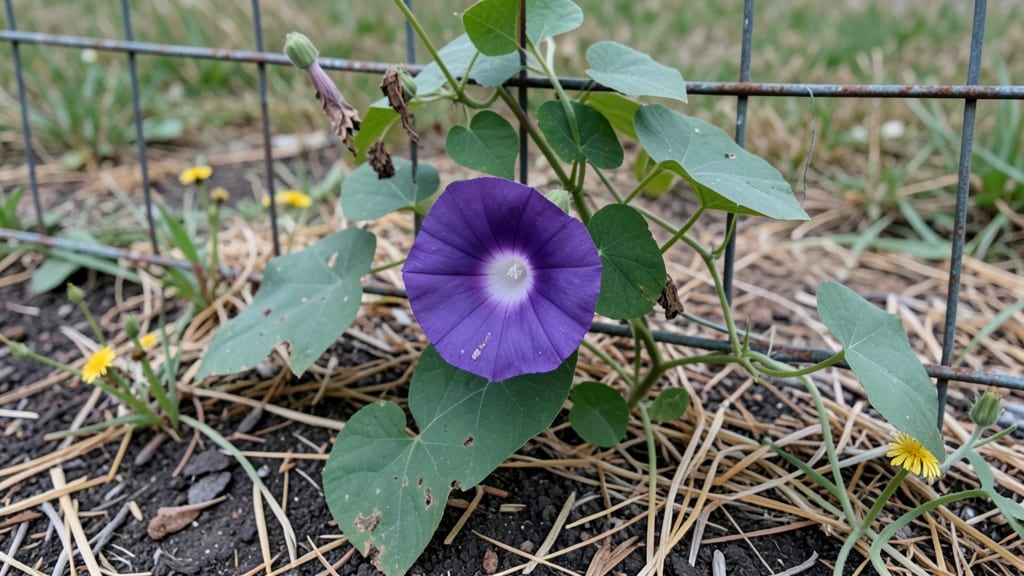
The purple trumpet wildflower transforms Pacific Northwest gardens into vibrant hummingbird magnets with almost no effort. 🌸 I planted mine last spring near the patio, and now it’s the star of the show—tall, velvety blooms that sway in the breeze while hummingbirds dart between them.
This isn’t just another pretty flower; it’s a drought-proof powerhouse that thrives where others struggle.
Perfect for wildflower meadows, cottage gardens, or pollinator-friendly borders, it pairs beautifully with lavender, yarrow, and Russian sage. Let it spill over a retaining wall or plant it in drifts for a wild, natural look.
The deep purple trumpets contrast stunningly against silver foliage or bright greens, creating instant focal points that draw the eye—and the birds.
You’ll love how it blooms from early summer through fall with minimal care. Just plant in full sun, water occasionally, and watch it spread. The fragrant flowers attract hummingbirds, bees, and butterflies, turning your garden into a lively ecosystem.
Imagine sipping morning coffee while hummingbirds zip past your window—this is the easy way to make that happen.
Works in native plant gardens, modern landscapes, or even container arrangements. Whether you’re designing a full meadow or just adding a pop of color, this wildflower delivers drama with almost no maintenance. Let’s make your garden the talk of the neighborhood!
📚 In This Guide
- What you need
- Instructions
- Tips and common mistakes
- Wrapping up and next steps
What you need
- ● Seeds or seedlings: 10–20 purple trumpet wildflower (Mimulus lewisii) seeds or 5–10 healthy seedlings (native to the PNW for best drought tolerance).
- ● Well-draining soil: 5–10 cubic feet of native PNW soil mix or a blend of 60% topsoil, 30% compost, and 10% perlite/sand for improved drainage.
- ● Garden bed or containers: For in-ground planting: A sunny to partially shaded spot (6+ hours of sunlight) with loose, rocky soil (mimics natural PNW habitats).
- ● For containers: 5–7 inch diameter pots with drainage holes (1–2 plants per pot).
- ● Watering can or hose: With a gentle spray nozzle for moisture control.
- ○ Gloves: Optional but recommended for handling soil and seeds.
- ● Mulch: 2–3 inches of wood chips or straw to retain moisture and suppress weeds.
- ● Hummingbird feeders: 1–2 feeders (4:1 sugar-water ratio) to attract pollinators while flowers establish.
- ● Erosion control fabric: For sloped or windy areas to protect young plants.
- ● Native plant companion seeds: Such as Lupinus (lupine) or Eschscholzia (California poppy) for a pollinator-friendly meadow.
Step-by-Step guide to planting purple trumpet wildflowers
This drought-resistant beauty thrives in the Pacific Northwest's climate—here's how to establish it properly.
🌱 Step 1: Select and Prepare the Planting Site
Choose a location with full sun to partial shade—these wildflowers tolerate dry conditions but bloom best with at least 6 hours of sunlight daily. The Pacific Northwest's mild summers mean they won't scorch in intense heat, but they do appreciate afternoon shade in hotter microclimates. Test your soil's drainage by digging a 6-inch deep hole—if water pools after 30 minutes, amend with 1-2 inches of coarse sand or gravel to improve drainage.
Purple trumpet wildflowers establish best in well-draining, slightly rocky soil—mimic their natural habitat by avoiding heavy clay. If your soil is compacted, work in 1-2 inches of organic matter like composted leaf mold (common in PNW gardens) to improve structure without suffocating roots. The key is loose, airy soil that mimics their native rocky slopes.
🌿 Step 2: Plant at the Right Time and Depth
Plant in early spring or fall when temperatures are mild—50-65°F is ideal. Avoid planting during summer heatwaves, as young roots struggle to establish in dry conditions. Dig a hole twice as wide as the root ball but only as deep—the top of the root ball should sit level with the surrounding soil to prevent rot. Gently tease apart any circling roots if you're transplanting a nursery-grown specimen.
Space plants 18-24 inches apart to allow for mature growth and airflow. Crowding leads to fungal issues in the damp PNW climate. Water deeply immediately after planting to settle the soil around roots, then let the soil dry slightly before watering again. This encourages deep root growth rather than shallow, thirsty roots that won't handle drought.
☀️ Step 3: Establish Watering Routine for First Season
Water deeply once a week during the first growing season to encourage deep root development. Check moisture by inserting your finger 2 inches into the soil—if it feels dry, water until moisture reaches 6 inches deep. Overwatering is the biggest mistake in PNW gardens, where soil stays damp naturally. Purple trumpet wildflowers are drought-tolerant once established, but young plants need consistent moisture to thrive.
After the first year, reduce watering to once every 2-3 weeks unless experiencing extreme drought. The deep roots will find moisture naturally. Mulch with 2 inches of wood chips or gravel (to match native conditions) to conserve soil moisture and suppress weeds. Avoid organic mulches that compact over time—these wildflowers prefer open, airy conditions.
✂️ Step 4: Prune and Maintain for Long-Term Blooms
Deadhead spent blooms by snipping the flower stalk just above the next set of leaves to encourage continuous flowering. This is especially important in the PNW's mild climate, where blooming seasons can extend into fall. Prune back 1/3 of the plant's height in early spring to promote bushier growth and prevent legginess from winter rains.
Fertilize lightly in early spring with a balanced, slow-release fertilizer (5-10-5 ratio) to support new growth. These wildflowers don't need heavy feeding—they thrive in lean conditions. Watch for signs of stress like yellowing leaves or wilting, which may indicate overwatering or poor drainage. In the PNW's wet winters, ensure containers have proper drainage to prevent root rot.
Tips & tricks for perfect purple trumpet wildflower planting
These expert insights will help you establish thriving purple trumpet wildflowers that attract hummingbirds for years to come.
Soil Preparation Secret: In Step 1, when testing drainage, don't just check for pooling water—also feel the soil texture. These wildflowers thrive in soil that feels like a well-drained sandy loam. If your soil feels dense like clay, mix in 1-2 inches of coarse sand or gravel and let it settle for at least 2 weeks before planting. This mimics their native rocky slopes perfectly and prevents root suffocation.
Timing Is Everything: The 50-65°F temperature range in Step 2 is crucial for root establishment. I always check the extended forecast before planting—if summer heatwaves are predicted, wait until fall. Young roots can't handle our PNW's occasional heat spikes, and transplant shock becomes compounded. Early spring planting gives roots time to establish before summer arrives.
Watering Wisdom: When establishing your weekly watering routine in Step 3, focus on deep saturation rather than frequent shallow watering. Use a moisture meter or your finger to check 6 inches deep
Pruning Precision: In Step 4, when deadheading, use clean, sharp pruners to make cuts just above the next set of leaves. This prevents disease entry points and stimulates new blooms. I've found that pruning back 1/3 of the plant's height in early spring also removes winter-damaged growth, allowing energy to focus on new, vigorous shoots that will support more blooms for hummingbirds.
Pro Tips for Purple Trumpet Wildflower
- These expert insights will help you establish thriving purple trumpet wildflowers that attract hummingbirds for years to come.
- Soil Preparation Secret: In Step 1, when testing drainage, don't just check for pooling water—also feel the soil texture.
- Timing Is Everything: The 50-65°F temperature range in Step 2 is crucial for root establishment.
Frequently asked questions
Got questions about the stunning purple trumpet wildflower? You’re not alone! Here are answers to the most common queries from gardeners and nature lovers in the Pacific Northwest:
Is the purple trumpet wildflower really drought-tolerant?
The Eustoma grandiflorum (purple trumpet) thrives in dry conditions once established, making it a perfect choice for PNW’s water-wise gardens. While young plants need consistent moisture, mature roots store water efficiently. Pair it with mulch to retain soil moisture and reduce evaporation.
How long does it take for purple trumpet wildflowers to bloom?
From seed, expect blooms in 80–100 days under ideal conditions (warm soil, full sun). Transplants may flower in 6–8 weeks. In cooler PNW climates, start seeds indoors 10–12 weeks before the last frost for a summer-long display. Patience pays off—these beauties are worth the wait!
Why aren’t hummingbirds visiting my purple trumpets?
Hummingbirds love these flowers, but a few tweaks can help: Ensure blooms are fully open (they prefer trumpet-shaped flowers with accessible nectar). Avoid pesticides near the plants, and place them near water sources. If blooms fade quickly, deadhead spent flowers to encourage new ones—hummers will notice!
Can I grow purple trumpets in containers?
Use 5–7 inch pots with well-draining soil and place them in full sun. Dwarf varieties like ‘Blushing Princess’ work well. Keep soil consistently moist until roots establish, then reduce watering. Containers dry out faster, so monitor closely during PNW’s dry summers.
Will purple trumpets survive PNW’s rainy winters?
These wildflowers are annuals, so they won’t return after frost. However, their seeds often self-sow if left in place. For repeat blooms, reseed in early spring. In milder microclimates (e.g., coastal areas), they may linger into fall—just protect them from heavy rain with a small cloche if needed.
Pro Tip:
For extra-long blooms, fertilize lightly with a balanced formula (10-10-10) every 4–6 weeks. Purple trumpets respond well to gentle care—avoid over-fertilizing, which can lead to leafy growth over flowers. Happy gardening!
Wrapping up and next steps
The purple trumpet wildflower isn’t just a stunning addition to your Pacific Northwest garden—it’s a resilient, drought-tolerant superstar that attracts hummingbirds and adds vibrant color with minimal effort. Whether you’re a seasoned gardener or a beginner, this hardy plant proves that beauty and sustainability go hand in hand. 🌸
Ready to transform your outdoor space? Start small—plant a few purple trumpets in a sunny spot, monitor their progress, and soon you’ll have a thriving hummingbird haven. Happy gardening! 🌿